

To describe a couch when selling it, you must combine objective physical measurements with evocative, lifestyle-focused language that helps a potential buyer envision the piece in their own home. A successful listing balances technical specifications—such as dimensions, material composition, and structural integrity—with the “vibe” or aesthetic appeal the furniture brings to a room. Buyers are looking for transparency regarding wear and tear, so framing your description around both the visual beauty and the practical reality of the piece will build the trust necessary to close a sale quickly.
Key Takeaways
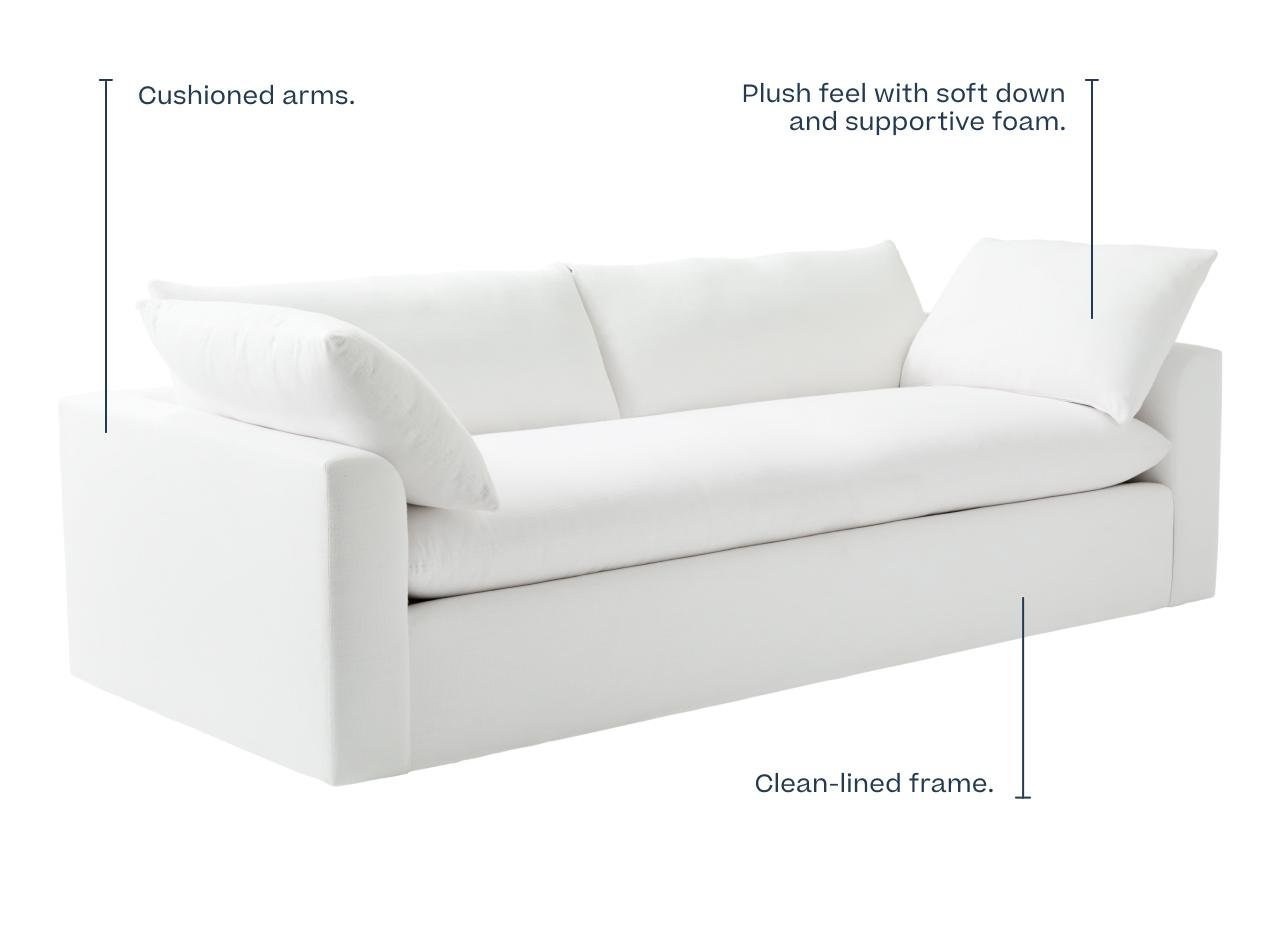
- Always include the exact length, depth, and height in inches.
- Disclose all flaws, including pet hair, sun fading, or structural creaks.
- Highlight the specific upholstery material, such as top-grain leather or polyester.
- Mention the source of the item, such as a smoke-free or pet-free home.
- Use descriptive adjectives that suggest comfort, like “plush,” “supportive,” or “firm.”
How to Describe a Couch
Describing a couch effectively requires a structured approach that moves from the big picture to the minute details. Start with a strong, descriptive summary sentence that defines the style, such as “Mid-century modern velvet sofa in excellent condition.” Follow this with the “why” behind your sale, which adds a layer of authenticity to the listing. Once you have established the context, move into the physical attributes using clear, professional terminology that avoids vague jargon.
| Attribute | What to Include | Why It Matters |
|---|---|---|
| Dimensions | Width, Depth, Height | Prevents returns due to fit |
| Material | Fabric type, weave, color | Sets expectations for texture |
| Condition | Stains, tears, frame stability | Builds buyer trust and honesty |
| Comfort | Firmness, cushion fill | Influences the buyer’s decision |
What Are the Essential Specs?
Beyond aesthetics, buyers need hard data to determine if your couch will fit their living space. You should measure the total width, the depth from front to back, and the height from the floor to the top of the back cushions. If your couch is a modular or sectional piece, be sure to list the dimensions of each individual section separately. According to the Consumer Product Safety Commission, manufacturers must ensure that furniture meets specific flammability standards, so if you have the original tags, mention that they’re still attached to verify the item’s safety origin.
Use Sensory and Emotional Language
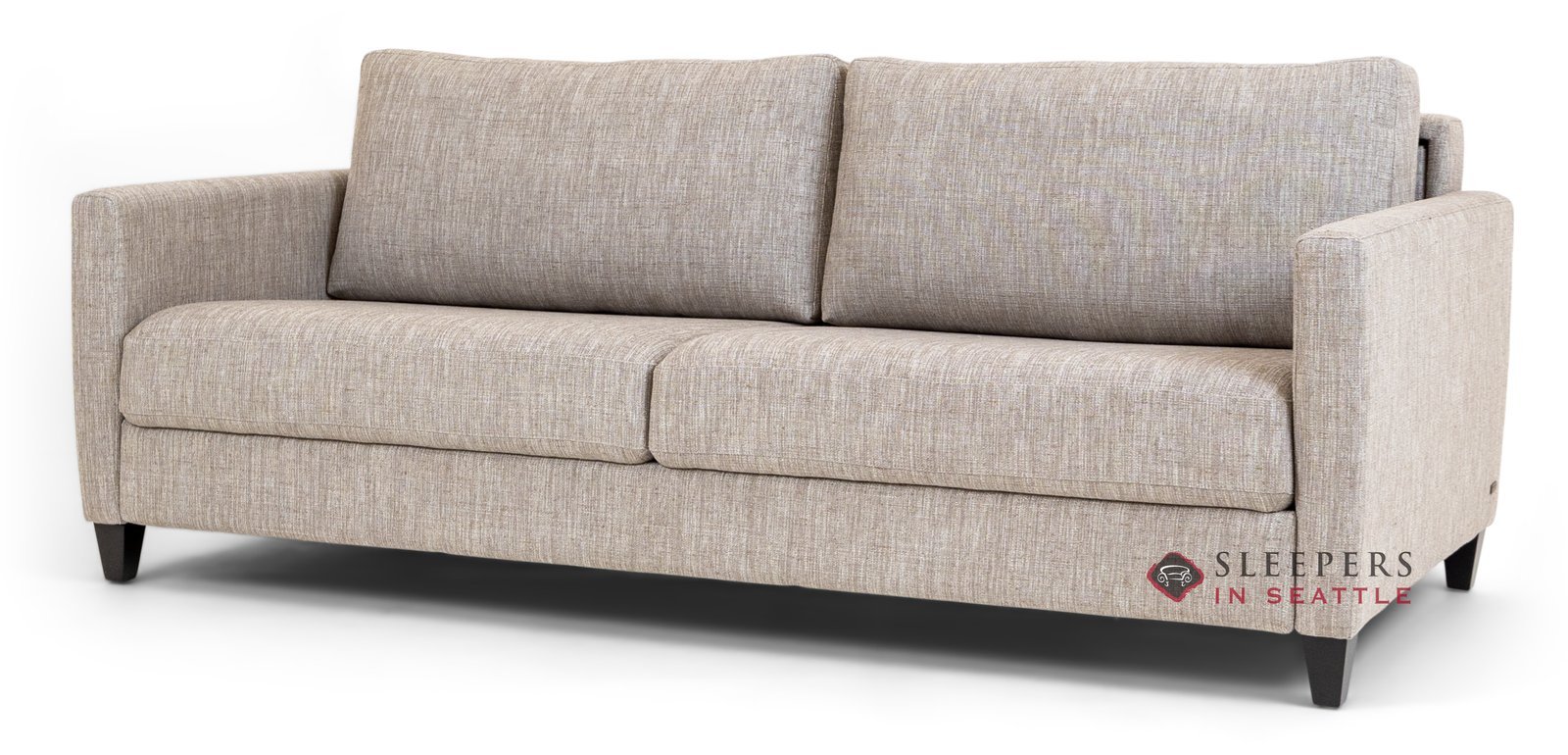
While specs inform the head, sensory language appeals to the heart. Use words that trigger a physical response in the reader. Instead of saying “it’s comfortable,” try “deep-seated cushions perfect for long movie nights.” Use terms like “breathable linen,” “buttery soft leather,” or “high-density foam” to paint a picture of the physical experience. Descriptive adjectives help the buyer imagine themselves using the furniture, which is the primary goal of any successful sales copy.
Addressing Flaws With Total Honesty
Never hide damage; instead, frame it as a manageable detail. If there’s a small snag, call it “a minor surface pull that’s barely noticeable.” If the couch has seen heavy use, describe it as “broken in and perfectly cozy.” Transparency is your best tool for avoiding difficult negotiations upon pickup. When you mention a flaw, immediately follow it with a solution or a reason why it doesn’t impact the overall utility of the piece.
Which Details Matter Most?
Focus on the details that differentiate a high-quality piece from a budget item. Mention if the cushions have removable, machine-washable covers, as this is a huge selling point for families. Note if the frame is made of solid wood versus particle board, as this speaks to the longevity of the couch. Structural integrity is a major concern for buyers, so confirming that the frame is sturdy and free of wobbles can justify a higher asking price.
Tips for Professional Listing Photos
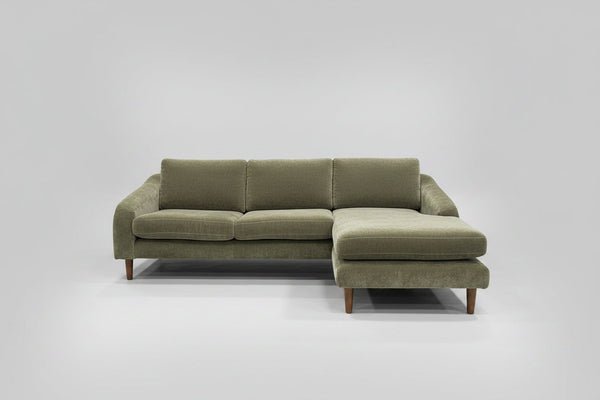
Your description is only as good as the photos accompanying it. Ensure your couch is staged in a well-lit room with natural light. Avoid using flash, which can create harsh shadows and make fabric look discolored. Take photos from multiple angles: a wide shot of the whole piece, a close-up of the fabric texture, and a clear shot of any mentioned flaws. A professional visual presentation will make your written description seem much more credible and inviting to prospective buyers.
Related guides
Frequently Asked Questions
Should I mention if I have pets?
Yes, you should always disclose if pets have been in the home. Many buyers suffer from allergies and will appreciate the honesty. If the couch is pet-free, explicitly stating “smoke-free and pet-free home” is a major selling point that can help your item sell significantly faster than others.
How do I price my couch?
Research similar models on local marketplaces to see the going rates. A typical range for a used, high-quality sofa is between $200 and $800, depending on the brand and condition. If the item is a luxury brand, it may command $1,000 to $2,500. Always leave room for negotiation by pricing slightly above your lowest acceptable number.
Is it necessary to list the brand?
Yes, listing the brand, such as West Elm, Pottery Barn, or IKEA, is essential. Buyers often search by brand to find quality pieces they trust. If you don’t know the brand, describe the style instead, such as “tufted Chesterfield” or “minimalist Scandinavian sofa,” to help users find your listing through keyword searches.
How do I handle furniture pick-up?
Clearly state in your description whether the buyer is responsible for transport. Use phrases like “buyer must pick up and haul away” or “bring two people for transport.” This prevents misunderstandings on the day of the sale and ensures that only buyers who are capable of moving the item will contact you.
Should I include the original receipt?
While not strictly necessary, including the original receipt or a copy of the order confirmation is a fantastic way to prove the couch’s authenticity and age. It gives the buyer peace of mind and justifies your asking price, especially if the piece was purchased from a high-end retailer within the last few years.
Take a moment to measure your couch right now, then draft your listing using the specific brand name and accurate dimensions to ensure you attract the right buyer immediately.