
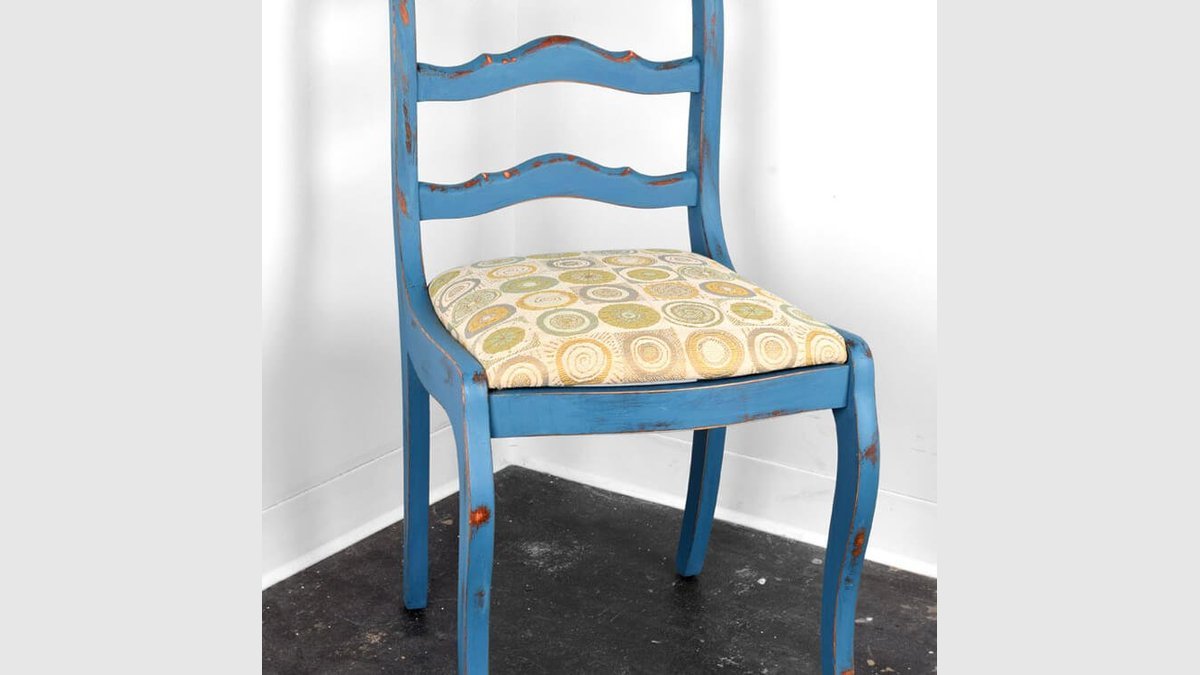
You can find entry-level dining chairs for as low as $50 each, while premium, handcrafted pieces often exceed $500, meaning the cost of dining chairs depends entirely on materials, brand prestige, and construction quality. Most shoppers find reliable options between $100 and $250 per chair for daily home use.
Quality and Budget
The primary factor influencing price is the frame material. Solid hardwoods like oak or walnut command higher prices because they last for generations, whereas metal or engineered wood options are cheaper but may wear down faster. If your budget is tight, look for chairs with simple, clean lines.
A common mistake is buying chairs without checking the seat height against your table. If the gap between the seat and the tabletop is significantly less than 10 inches, you may feel cramped.
Choosing Your Dining Chairs
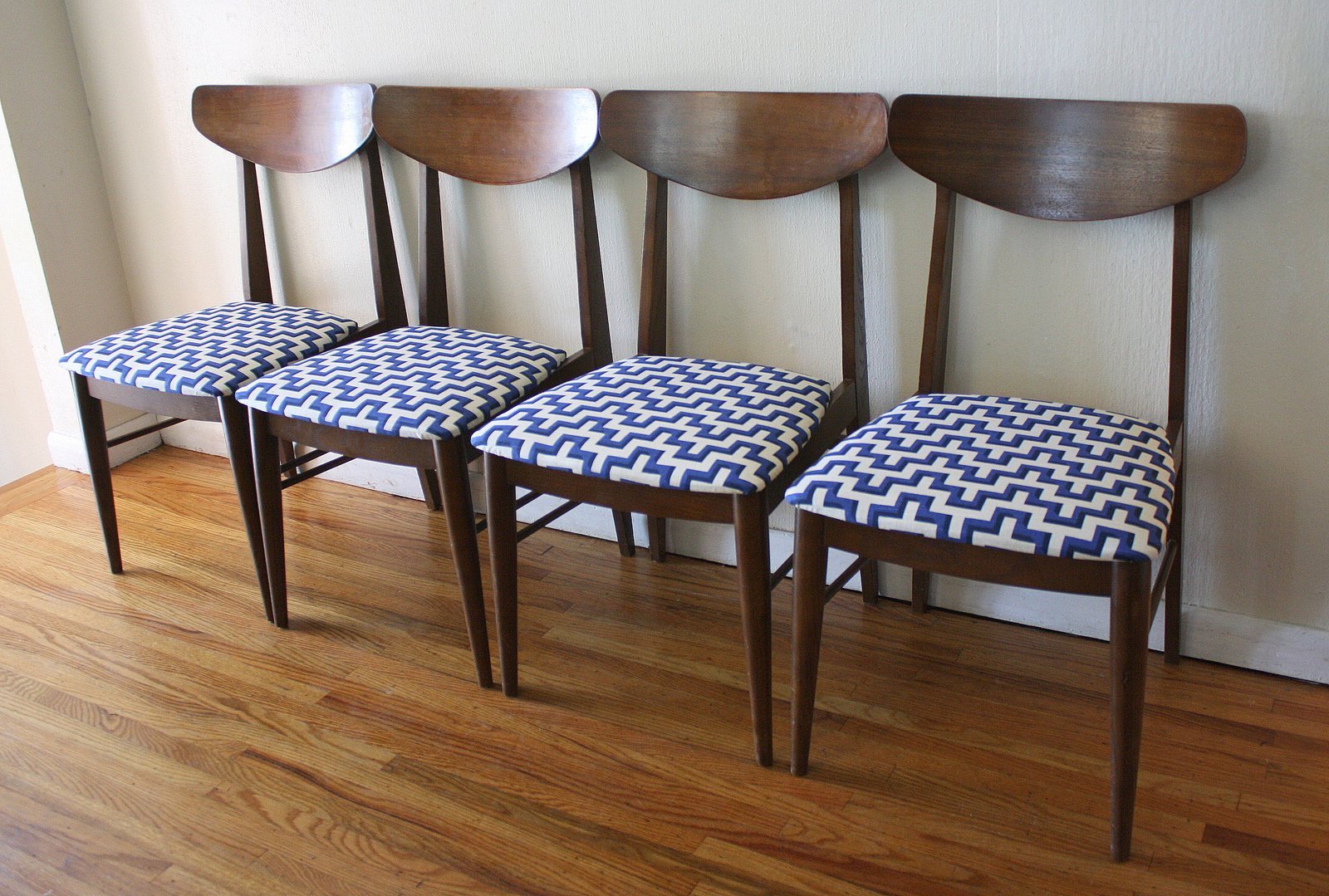
- Measure the height of your dining table from the floor to the underside of the tabletop to ensure your new chairs provide enough legroom.
- Select a frame material that matches your lifestyle, such as sturdy hardwood for high-traffic homes or metal for easier cleanup.
- Choose upholstery based on maintenance needs; fabric covers require regular cleaning, while faux leather or wood seats are easier to wipe down.
- Verify the weight capacity of the chairs if you have heavy-duty requirements, as Consumer Product Safety Commission guidelines suggest focusing on stability and tip-over prevention for all household furniture. Tip: Always sit in a floor model before you buy to test the back support and cushion firmness.
- Calculate the total cost by multiplying your per-chair budget by the number of seats, plus an extra 10% for shipping or assembly fees. Tip: If you buy flat-pack furniture, budget an extra hour of time for assembly per chair.
Time to Shop and Assemble
Finding and setting up dining chairs takes anywhere from a few hours to several weeks depending on your shopping method.
| Situation | How long | What changes it | What to watch for |
|---|---|---|---|
| In-store purchase | 1–2 hours | Driving and testing | Stock availability |
| Online order (in stock) | 3–7 days | Shipping distance | Delivery damage |
| Custom/Made-to-order | 6–12 weeks | Production backlog | Material supply |
If your online order is delayed by more than two weeks beyond the estimate, contact the retailer immediately to confirm your order status.
Checking for Quality
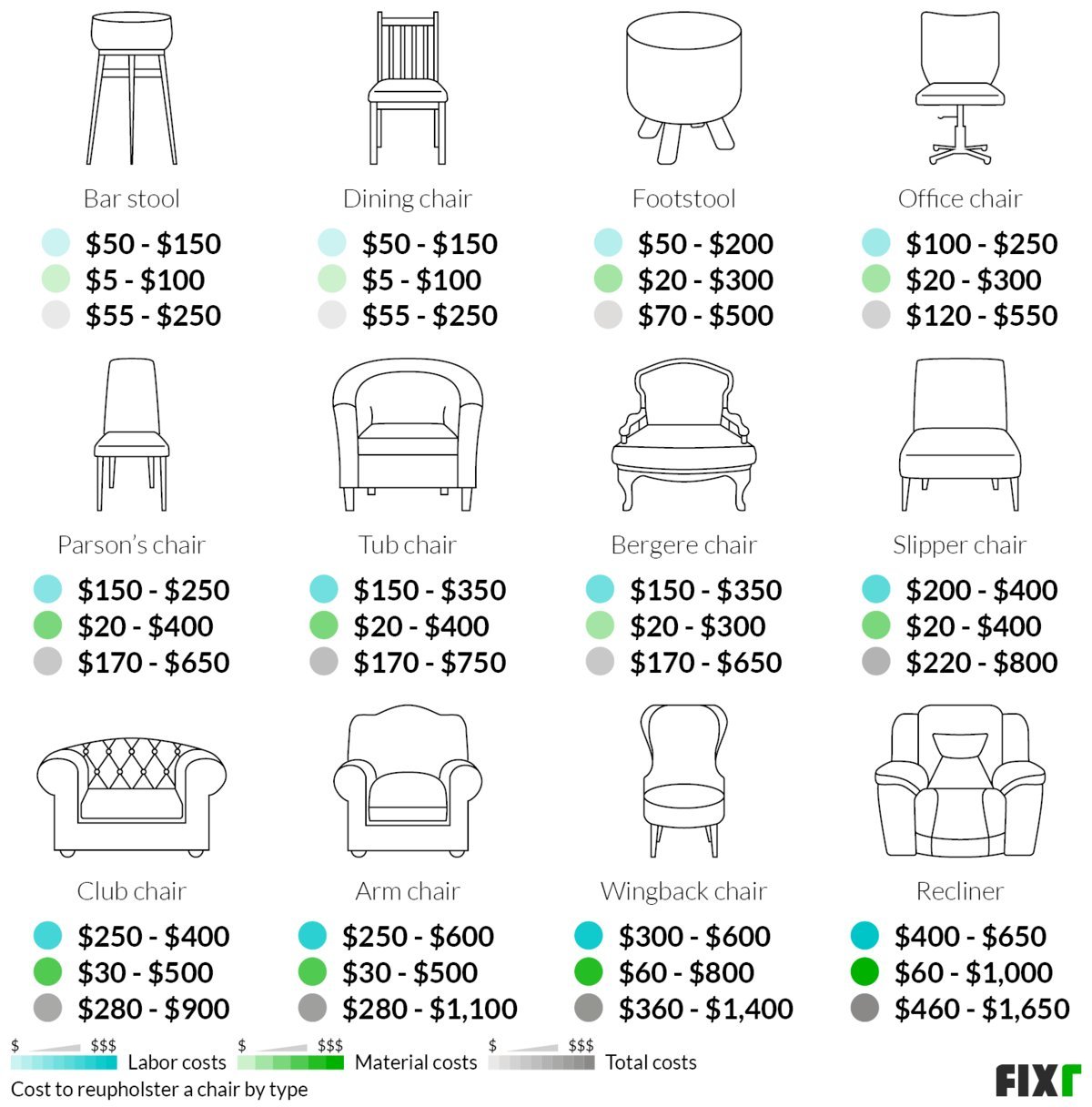
You can tell a chair is built to last by inspecting the joints and the finish. High-quality chairs use mortise-and-tenon joinery rather than simple staples or glue. Shake the chair gently to check for wobbling; a solid chair should feel rigid and balanced. Check the underside for corner blocks, which are small triangular pieces of wood that reinforce the legs. If the chair lacks these reinforcements, it may become unstable after a year of regular use. The finish should feel smooth to the touch, with no rough patches or uneven stain application on the legs.
Common Buying Mistakes
- Ignoring seat depth: Choosing a seat that’s too deep makes it difficult to sit upright, which causes back discomfort during long meals. Always test the seat depth by sitting back against the support to see if your feet still rest flat on the floor.
- Mismatched styles: Buying chairs that clash with the table’s design ruins the room’s aesthetic. If your table is modern, avoid highly ornate or traditional wood chairs that look out of place.
- Overlooking weight limits: Assuming all chairs hold the same weight leads to broken legs or structural failure. Check the manufacturer’s label for the maximum weight capacity, as this varies by model — check the label before you purchase.
- Underestimating space: Fitting too many chairs around a table creates a crowded dining area. You should allow at least 24 inches of width per person for a comfortable dining experience.
Frequently asked questions
Can I mix and match dining chairs?
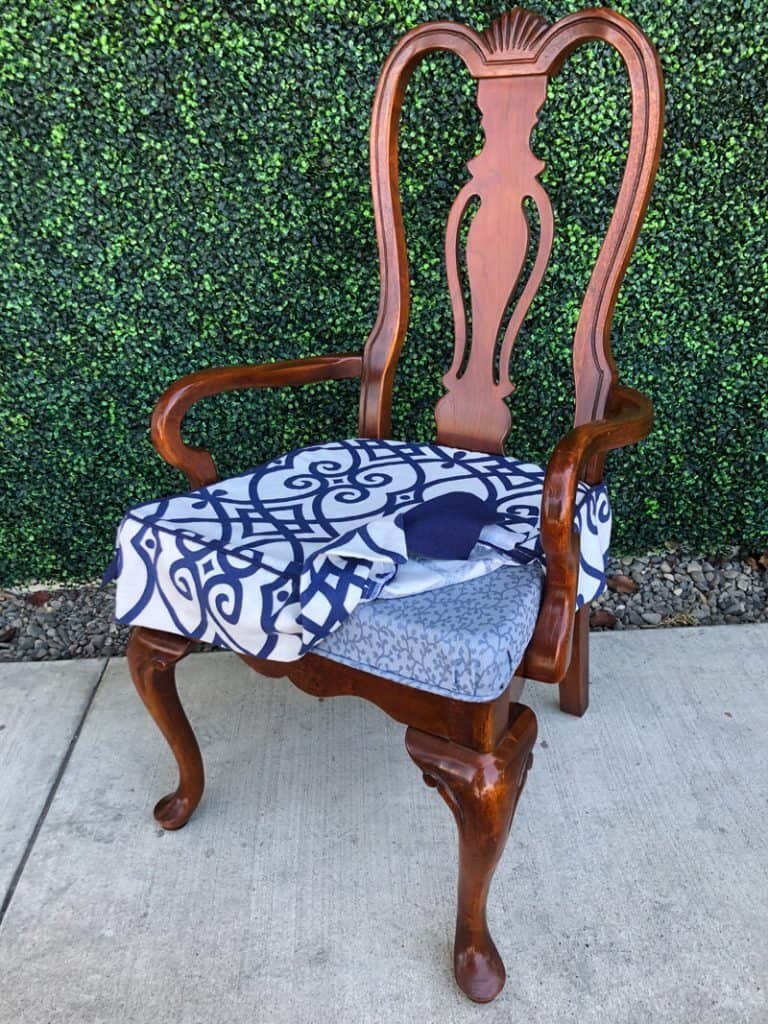
Yes, mixing styles is a popular design choice that adds character to a room. You can pair different colors or textures, but try to keep one element consistent, like the leg finish or the overall height, to ensure the arrangement still looks intentional and cohesive rather than cluttered.
How long do dining chairs usually last?
Most dining chairs last between 5 and 15 years with proper care. Solid wood chairs typically outlast metal or plastic versions, which may show signs of wear, such as loose joints or fading finishes, after only a few years of daily, heavy use in a busy household.
Is it safe to buy used dining chairs?
Yes, buying used chairs is safe if you carefully inspect them for structural damage. Look for cracks in the wood, loose screws, or wobbly legs before finalizing a purchase. If the joints feel shaky or the frame is warped, the chair may not be worth the cost of repair.
What happens if I buy chairs that are too high?
If your chairs are too high, your knees will hit the underside of the table, making it impossible to sit comfortably. This creates a trade-off where you must either raise the table or find chairs with a lower seat height, as the chair-to-table ratio is fixed by the furniture dimensions.
How many chairs should I buy for my table?
You should allow at least 24 inches of table edge per person to ensure everyone has enough personal space. For a standard rectangular table, this usually means one chair on each end and two or three along each side, depending on the length of the table surface.
Do I need to assemble dining chairs myself?
This varies by model — check the label to see if the chairs arrive pre-assembled or in flat-pack boxes. If you choose flat-pack, you’ll need basic tools like a screwdriver or an Allen wrench, and you should set aside enough time to follow the provided instructions carefully.
Dining chairs, in short
Buying the right dining chairs is a balance of your personal style, your budget, and the physical space available in your home. By taking the time to measure your table and test the chairs for comfort before you commit, you ensure that your investment provides both function and beauty for years to come.