
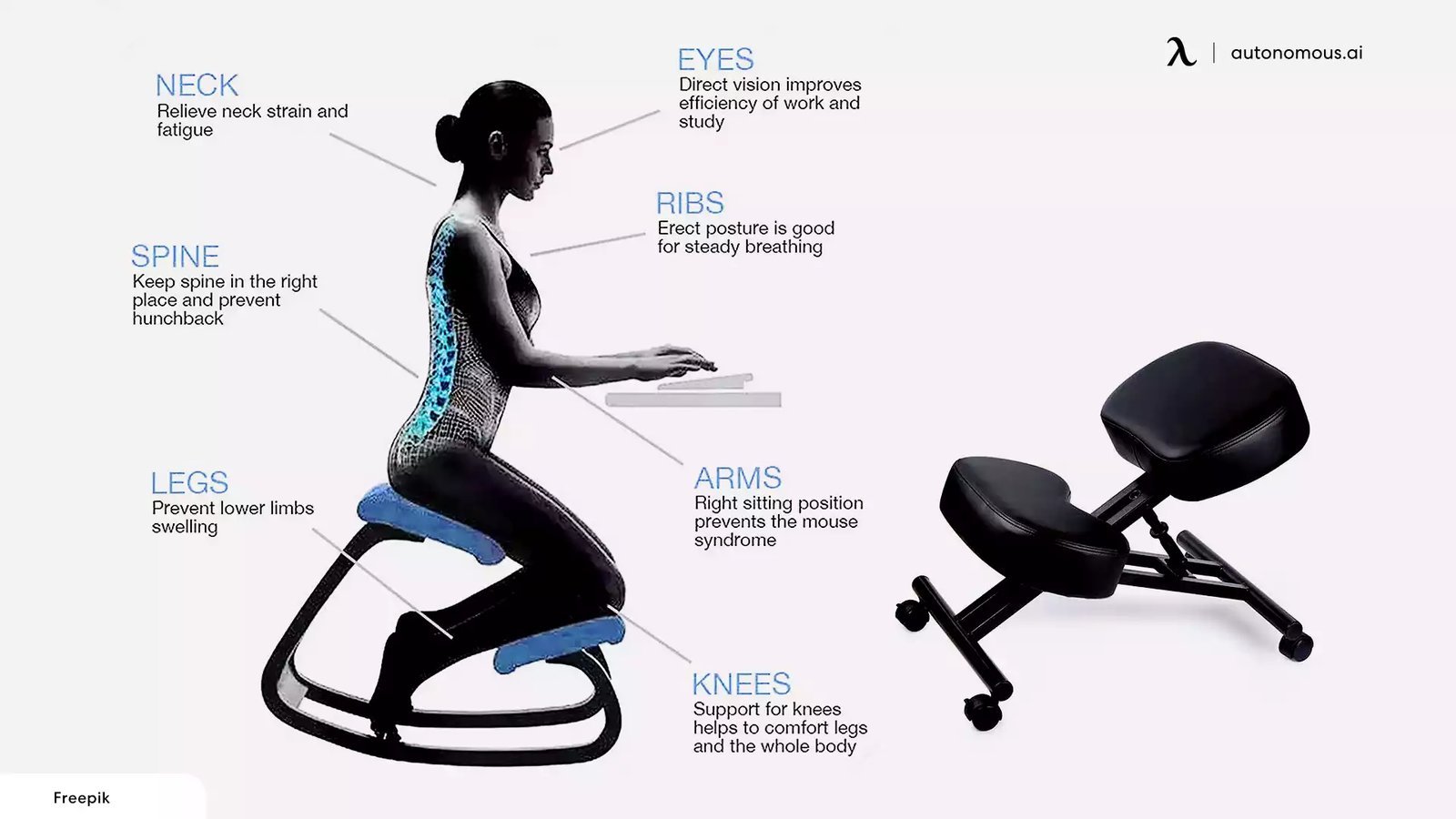
Ergonomic chairs provide support by aligning your spine and reducing muscle strain, which is how they keep you comfortable during long periods of sitting.
How Do Ergonomic Chairs Work: Essential Components
| Part or Input | What it Does | What You Notice When It Fails |
|---|---|---|
| Lumbar support | Maintains natural spine curve | Lower back pain or stiffness |
| Seat pan | Distributes body weight evenly | Numbness in your upper legs |
| Armrests | Relieves pressure on shoulders | Neck and shoulder tension |
| Tilt mechanism | Allows for natural movement | Chair feels locked and rigid |
| Base and casters | Provides stable, mobile footing | Unstable or jerky movement |
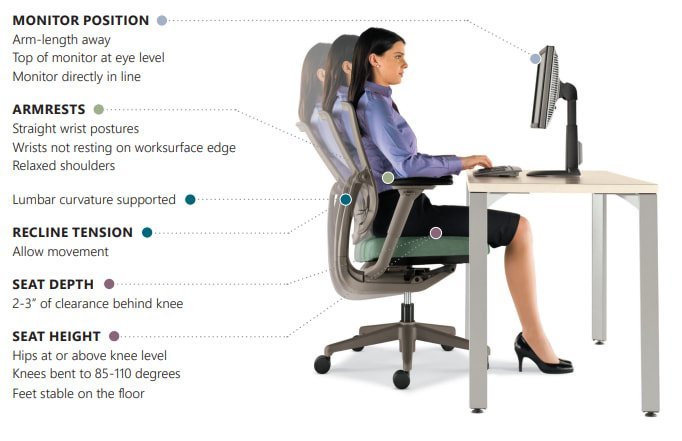
You should check your specific chair’s manual to find the manufacturer’s recommended weight capacity and adjustment limits. If the lumbar support feels too high or low, adjust it so it sits firmly against the curve of your lower back; if the seat pan is too deep, you’ll feel pressure behind your knees.
Adjusting Your Chair Step by Step
- Set your seat height so your feet rest flat on the floor with your knees at a ninety-degree angle.
- Position the seat depth so there’s a two-finger gap between the edge of the seat and your bent knees.
- Adjust the lumbar support height and depth until it fills the natural inward curve of your lower back firmly.
- Set the backrest angle to a slightly reclined position, usually between one hundred and one hundred ten degrees for support.
- Move the armrests so your elbows rest lightly on them, keeping your shoulders relaxed and not hunched up toward your ears.
- Test the tilt tension to ensure the chair moves with your body weight without feeling like it’s tipping over.
Why Proper Setup Prevents Chronic Pain
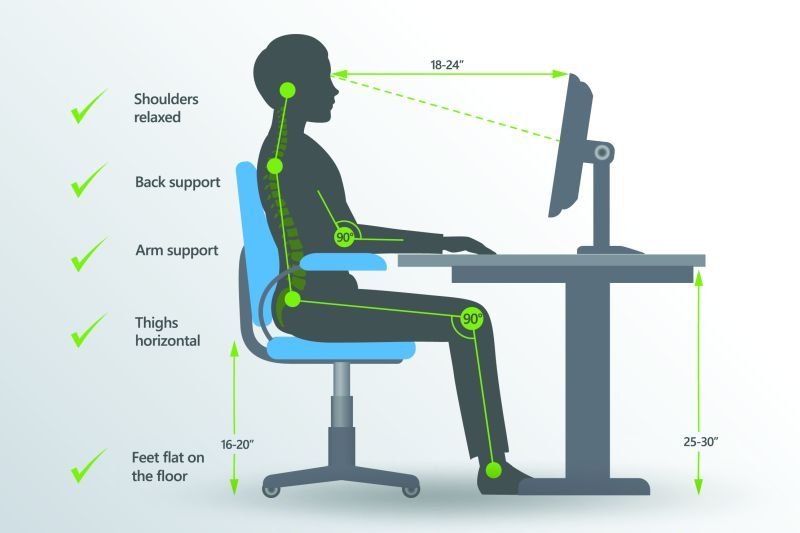
These chairs function by matching the mechanical needs of the human skeleton, which is why a bad fit often causes more harm than a standard chair. When you sit in a chair that doesn’t match your height or limb length, your muscles must work to hold your posture, leading to fatigue. The Canadian Centre for Occupational Health and Safety notes that failing to adjust your equipment properly negates the design benefits, as your body is forced into awkward positions. If your seat pan is too high, you lose floor contact and lose stability. If your armrests are too high, your shoulders stay elevated, causing neck pain. A chair is a tool, not a cure; if you don’t adjust it to your specific measurements, it can’t stop the strain of gravity on your spine.
Customization and Design Limitations
What You Can Change
- Seat height relative to the floor.
- Armrest height, width, and angle.
- Lumbar support position and firmness.
- Backrest tilt tension and locking angle.
What Is Fixed by Design
- The total weight capacity of the frame.
- The minimum and maximum seat height range.
- The structural width of the seat pan.
If you have specific medical needs, consult a physical therapist before choosing a chair. They can help you identify if your pain is caused by your seating or by underlying musculoskeletal issues that require professional treatment.
Habits for Better Seating Results
You should stand up and stretch for one minute every hour to encourage blood flow and reset your muscles. If you remain in one position for too long, even the best chair will feel uncomfortable because your body needs movement to stay healthy. Keep your hips pushed all the way to the back of the seat to ensure you actually use the lumbar support provided. If you find yourself sliding forward, check your seat pan angle; a slight forward tilt can sometimes help, but it varies by model — check the label for approved settings. Consistency in these micro-adjustments prevents long-term discomfort.
Related guides
- How to Build an Ergonomic Chair That Feels Right Review
- What Is the Best Ergonomic Office Chair? A Simple Guide to Finding the Right One
Frequently Asked Questions
Can an ergonomic chair fix my back pain?
No, an ergonomic chair can’t fix existing medical conditions, but it can prevent further strain by supporting your spine correctly. If you have chronic pain, seek advice from a doctor or a physical therapist.
How long should I sit in an ergonomic chair?
Your body is designed for movement, and no chair can replace the need for regular position changes.
Is it safe to use a chair if the gas lift is sinking?
No, it isn’t safe to use a chair with a failing gas lift because it can cause you to sit at an uneven height, leading to poor posture. Replace the cylinder immediately to avoid hip or back misalignment.
What happens if I am too heavy for my chair?
The chair may lose its structural integrity, causing the base to crack or the lift to fail. Always check the official manufacturer documentation for the specific weight limit of your model before use.
Does it matter if I sit with my legs crossed?
Yes, sitting with legs crossed puts uneven pressure on your hips and can cause circulation issues in your legs. Keep both feet flat on the floor to maintain proper weight distribution across the seat pan.
How do I know if my chair is adjusted correctly?
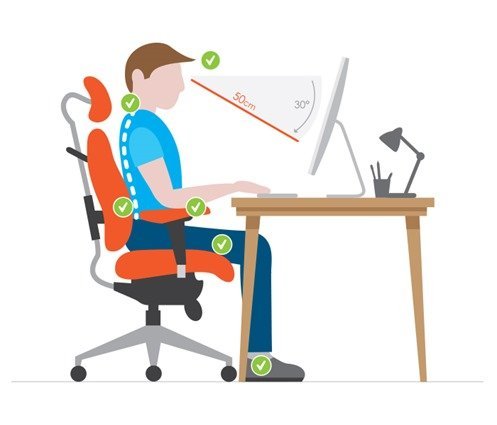
Your chair is set correctly if your feet are flat on the floor, your back is fully supported by the lumbar cushion, and your shoulders remain relaxed while your forearms rest on the armrests.
Ergonomic chairs, in short
Choosing the right chair is only half the process, as the way you interact with your workspace determines the actual result. By prioritizing alignment and taking frequent breaks, you ensure your equipment works for you rather than against you. Always check your specific model’s manual for adjustment instructions, as these vary by design.