
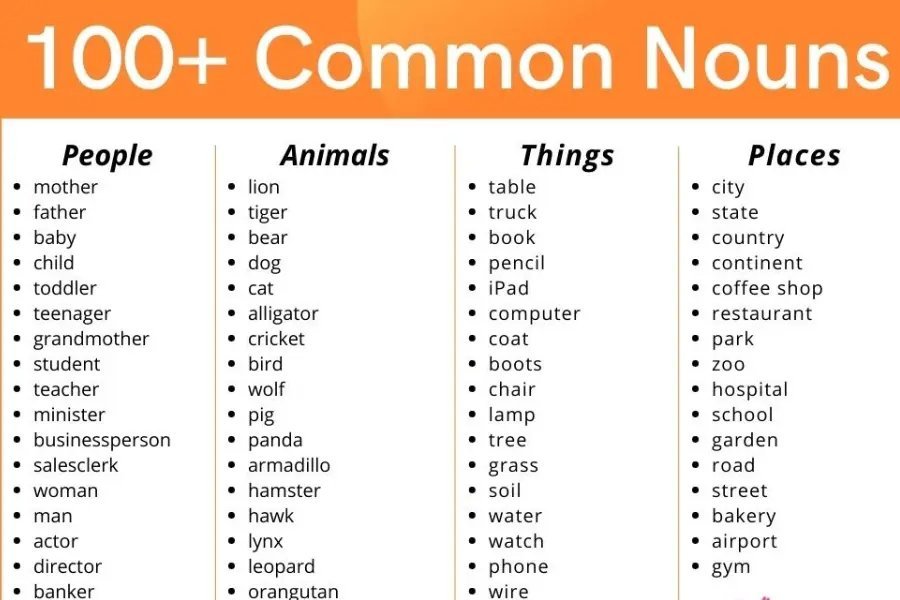
A chair is a common noun because it names a general piece of furniture rather than a unique, specific entity. Deciding whether chair is a common noun or proper noun depends entirely on capitalization and specific brand names, as it only becomes proper when used as a formal title or trademark.
Is chair a common or proper noun
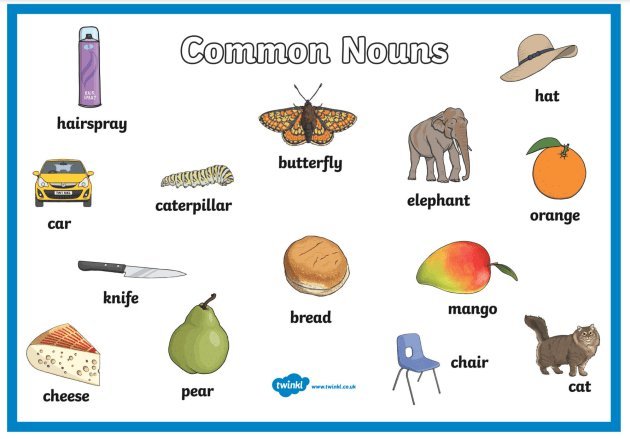
Every standard dictionary classes the everyday piece of furniture as a common noun. You can apply simple grammatical checks to see how it functions across different kinds of writing.
- Any ordinary seat with legs and a back takes a lowercase “c” in running sentences.
- The plural form simply adds an “s” to make “chairs” without needing special spelling changes.
- A specific trademark like the Aeron Chair requires capital letters because it names a single commercial product.
- An academic position like the Chair of History uses a capital letter when it functions as an official title for one person.
- If you point to one piece of furniture in a room, you say “the chair,” showing it belongs to a general category rather than being an individual name.
Why English Grammar Treats It This Way
English separates nouns into general categories and specific identities to keep sentences clear. A common noun refers to a whole group of shared things, while a proper noun identifies one distinct person, place, or item. When you speak about an object you sit on, the word represents any item in that class of furniture, not a one-of-a-kind creation.
Grammar systems rely on this distinction so readers know immediately whether a writer means a shared concept or a registered name. The Purdue OWL grammar guides show how lowercase letters mark shared everyday nouns while capital letters identify unique legal entities or specific titles. The word comes from the Old French “chaiere,” which simply meant a seat. Because millions of these objects exist around the world, the word can’t single out one specific item on its own.
You also see this division in jobs and committees. If you speak about the leader running a business meeting, you might call that person the chair. Even in that role, the word stays common unless it appears as an official, named title on a legal roster.
Identifying When The Category Changes
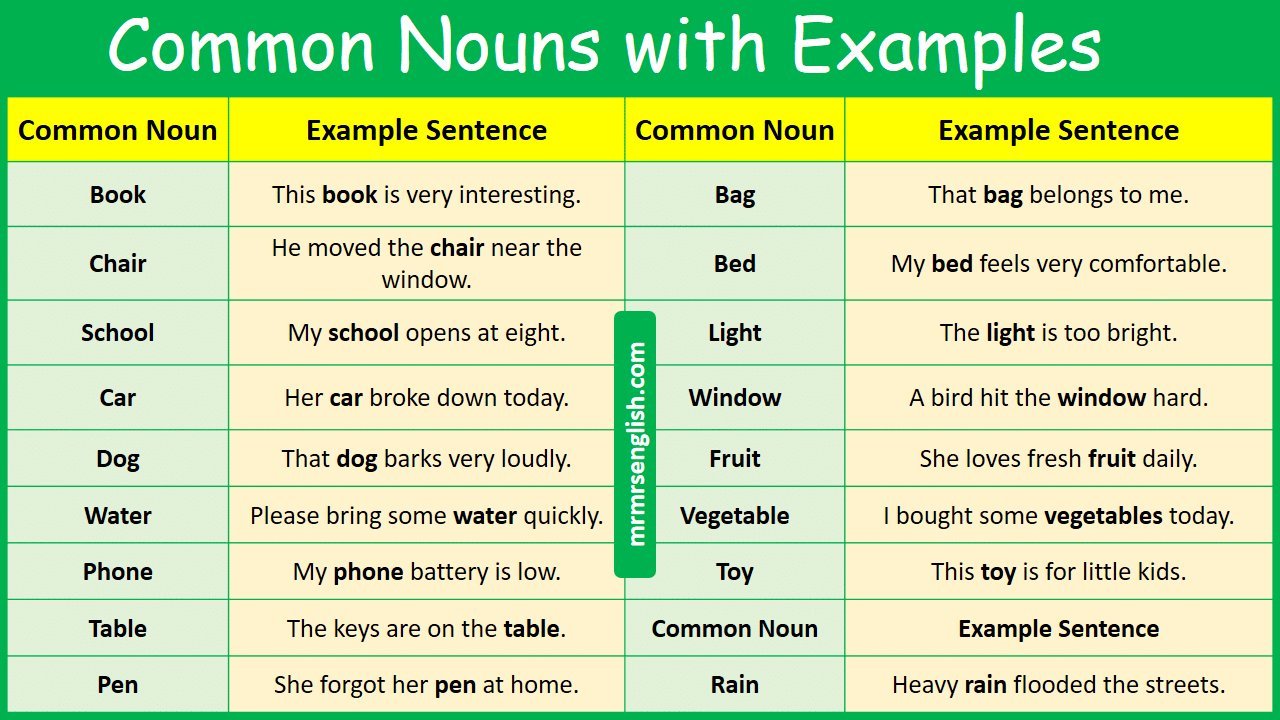
Context and capitalization decide whether the noun stays general or names a unique entity. If a word labels an entire group, keep it lowercase; if it labels a singular commercial brand or an official office, capitalize it.
| Situation | What changes | What to do instead |
|---|---|---|
| Starting a sentence | First letter must be capitalized | Write “Chair” only as the first word |
| Naming an office role | Refers to a specific leader | Capitalize as an official title like Committee Chair |
| Brand design | Identifies a registered trade product | Capitalize both words like Eames Lounge Chair |
| Academic leadership | Refers to an endowed department seat | Capitalize when written as Chair of English |
| Slang or verb usage | Functions as an action word | Treat as a standard verb meaning to lead |
Checking How To Classify The Word
You can test any sentence yourself to see which category the word belongs to. This step-by-step check prevents errors in student essays, business reports, and formal letters.
- Read the full sentence to see if the word points to an everyday physical seat or a unique title.
- Check whether the word appears right after an article like “a,” “an,” or “the” in your draft.
- Test if the word can become plural by adding an “s” without changing the core meaning of the sentence.
- Look for a brand name directly in front of the term, such as a furniture design company.
- If the word refers to an ordinary seat, leave it lowercase; if it names an official company officer, capitalize it.
- Verify your capitalization against standard office style rules, keeping in mind that exact title styles vary by organization, so check the internal guide.
Mistakes With Capitalization And Usage
Writing rules around furniture and titles can trip up anyone writing quickly. The most frequent errors involve adding extra capital letters where simple lowercase letters belong.
- Capitalizing the word in the middle of a regular sentence ruins the flow and breaks standard punctuation rules.
- Leaving an official brand name lowercase strips away the legal trademark status of a famous furniture design.
- Confusing the noun form with the action verb leads to awkward sentence fragments in meeting minutes.
- Giving every committee leader a capitalized title makes business writing look cluttered and inconsistent to professional editors.
Frequently Asked Questions
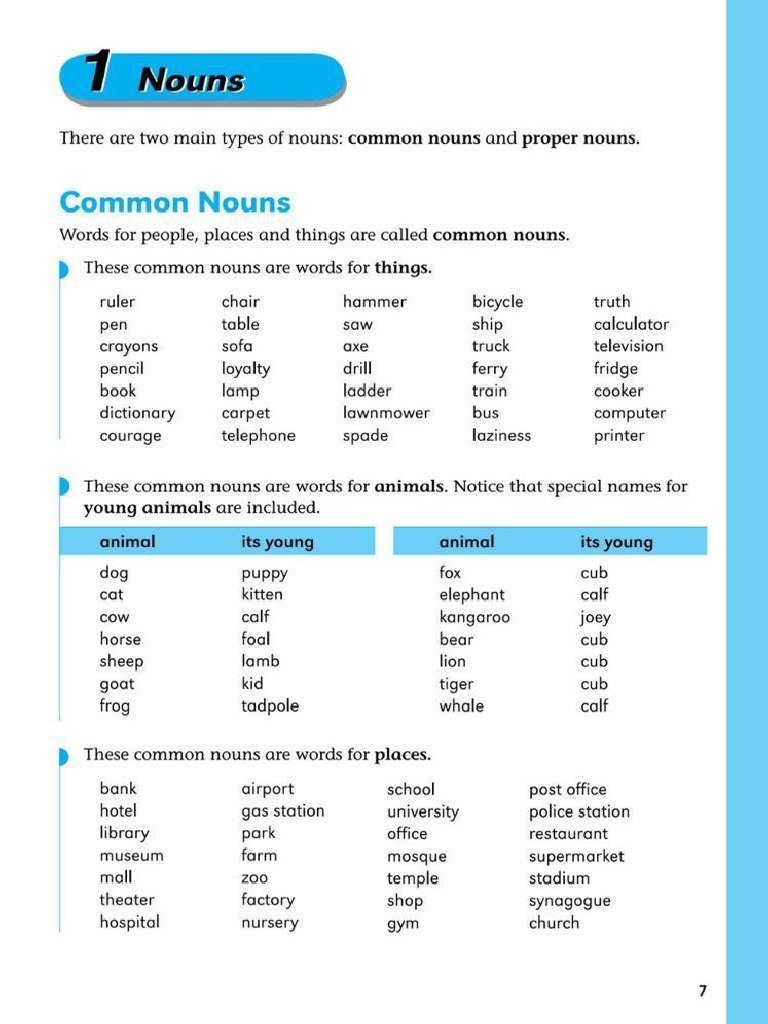
Can chair be a proper noun?
Yes, it becomes proper when used as an official title or part of a brand name. Examples include the Department Chair or the Herman Miller Aeron Chair.
Why is chair not capitalized in sentences?
Because it names an everyday object rather than a specific person or place. General objects like tables, desks, and chairs always stay lowercase unless they start a sentence.
Is chair a countable noun?
Yes, you can count individual units directly using standard numbers. You can say one chair, two chairs, or fifty chairs without adding extra measurement words.
Does the word change when used as a person’s title?
No, it stays common if you say “she is the chair of our group.” It only turns into a proper noun when placed directly before or after an official name.
What happens if you capitalize chair by accident?
A capitalized word signals a brand name or an official corporate title to the reader. Leaving an everyday seat capitalized will look like a grammar error on tests.
Is an office chair a compound noun?
Yes, the term combines two common nouns to describe a specific type of seat. Because both words remain common nouns, they should stay lowercase in all standard writing.
Chair common, in short
Next time you’re writing, look closely at your sentence to see if you’re naming a specific brand or just talking about a place to sit. You’ll find it’s usually best to keep things lowercase. Don’t worry if you’re still unsure; just check a quick dictionary whenever you’re in doubt.