
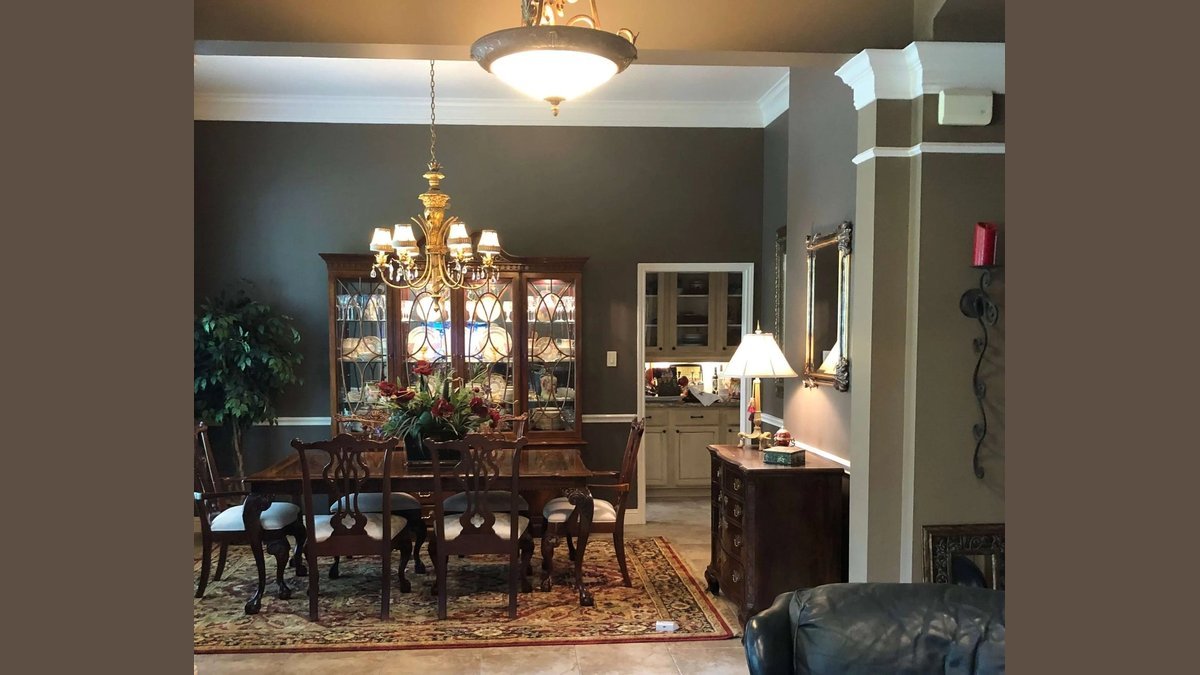
Adding slipcovers, changing the seat fabric, or painting the frames are effective ways to decorate dining room chairs. These three methods offer the most impact for the least amount of money, though the result depends on your current chair style and material.
Best methods for chair updates
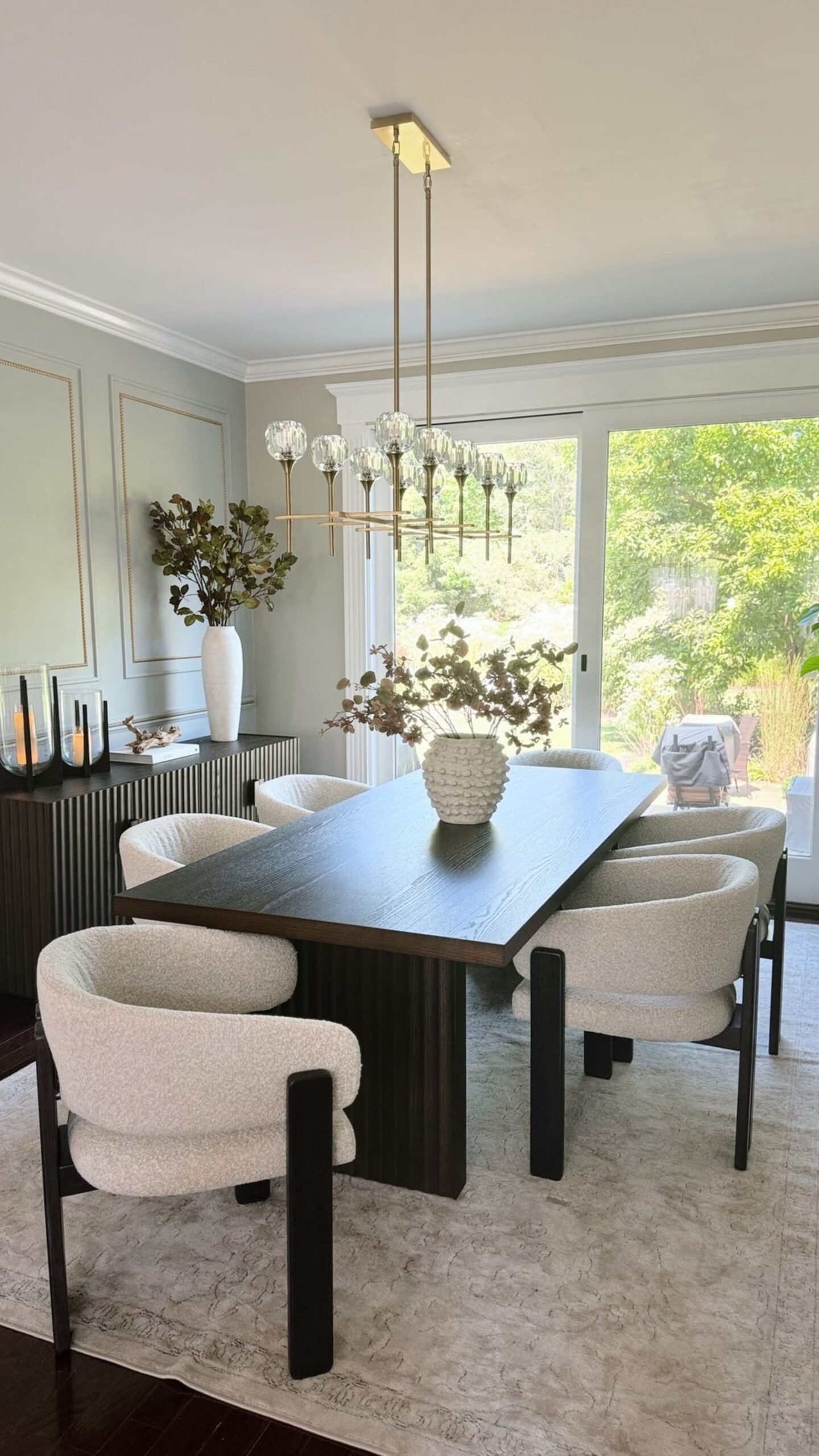
This guide serves homeowners who want to refresh their furniture without buying new pieces. If you have solid wooden chairs, you’re likely looking for painting or cushion tips. If you have upholstered chairs, you probably need fabric advice. If your chairs are wobbly or have cracked joints, you should repair them with wood glue or new hardware before adding any decoration. This advice works best for standard dining chairs; if you have antique or high-value heirloom furniture, consult a professional restorer instead of attempting DIY changes that might lower the market value.
Factors that change the outcome
The material of your chair frame is the first thing that dictates your options. Metal chairs require specialized spray paints, while wood accepts most standard furniture paints or stains. Check the label or seat underside to confirm if your frame is wood, veneer, or metal.
The condition of the existing upholstery matters significantly. You must replace the foam if it has lost its spring.
The complexity of the chair shape changes how long the project takes. If you’re a beginner, start with a flat seat pad before trying to cover a curved backrest.
Easy steps on how to decorate dining room chairs
- Remove the seat cushion from the frame using a screwdriver to undo the four screws underneath.
- Place the seat face down on your new fabric, leaving at least 3 inches of extra material on all sides.
- Pull the fabric tight across the width and staple it to the underside of the seat frame using a heavy-duty staple gun.
- Work from the center of each side toward the corners to avoid wrinkles.
- Fold the corners neatly, like wrapping a gift, and secure them with extra staples.
- Trim the excess fabric with sharp scissors so it doesn’t interfere with reattaching the seat.
- Reattach the seat to the frame, ensuring the screws are tight and the cushion doesn’t wobble.
- Wipe the frame with a damp cloth to remove any dust or debris from the process.
The secret to a professional result is the tension of the fabric.
Style options for your dining room
| Option | What to do | What it takes | Watch for |
|---|---|---|---|
| Slipcovers | Drape and tie | Low effort | Fabric bunching |
| New fabric | Staple to base | Medium effort | Tight corners |
| Paint frame | Sand and prime | High effort | Drips and runs |
| Chair pads | Tie onto seat | No effort | Slipping off |
| Stencil back | Apply pattern | Medium effort | Bleeding lines |
Professional finish vs amateur look
Preparing the surface
Experienced decorators always sand the wood frame before painting. Sanding removes the old glossy finish, which allows the new paint to bond without peeling later. Use a fine-grit sandpaper to create a smooth surface, then wipe away all dust with a tack cloth. Skipping this step is the most common reason paint chips within weeks.
Managing the tension
The way you fold the corners of the fabric defines the quality of the finish. Take your time to create crisp, clean folds, and use extra staples to hold them in place.
Troubleshooting common issues
| What you notice | What it usually means | What to do first | How to stop it |
|---|---|---|---|
| Wobbly legs | Loose joints | Tighten screws | Use wood glue |
| Sagging fabric | Low tension | Re-staple tighter | Pull harder |
| Paint peeling | Poor prep | Sand and prime | Clean thoroughly |
| Uneven cushions | Bad foam | Replace foam | Use dense foam |
| Fabric tearing | Wrong weight | Buy upholstery fabric | Check rub count |
Legal and safety rules
Always follow the fire safety standards for your region when choosing materials. The National Fire Protection Association provides guidelines on flame-retardant requirements for upholstered furniture in residential settings. Work in a well-ventilated area when painting. Use low-VOC, lead-free finishes around children. Never modify the structure of a chair in a way that removes support bars or braces, as this can cause the chair to collapse under weight.
The real cost of decorating
Project costs depend on your chosen materials. Tie-on chair pads are inexpensive and require no tools. Recovering seats costs more in time and money due to fabric, foam, and staple gun requirements. Painting requires primer, paint, sandpaper, and drying time. Premium materials can make the project as expensive as buying new chairs.
Keeping your chairs looking new
To keep your chairs in good condition, vacuum the fabric with an upholstery attachment once a month to remove dust and crumbs. If the fabric starts to look worn or stained, you can usually remove the seat cushion and recover it again without touching the frame.
When to hire a professional
Sometimes, the job is too difficult for a home project. If your chairs have complex, tufted upholstery or deep buttoning, you should hire a professional upholsterer. These chairs require special needles and techniques that are hard to master without training. Similarly, if your chair frames are made of rare woods or have intricate carvings, don’t paint them. Painting can ruin the value and the wood’s natural beauty.
Frequently asked questions

Can I paint over old varnish?
Yes, but you must sand the surface first. Sanding removes the old shine and creates a rough surface that helps the new primer stick, which prevents the paint from peeling off later.
How long does it take to recover a seat?
Expect to spend about 30 to 45 minutes per chair. This includes removing the seat, cutting the fabric, stapling it down, and putting the seat back onto the frame.
Is it safe to use standard wall paint?
No, it isn’t recommended. Wall paint isn’t durable enough for furniture, so you should use a high-quality furniture paint or enamel that resists scratches and dings.
What happens if the chair feels unstable?
Stop immediately and check the joints. If the wood is split or the glue has failed, you need to repair the structure with wood glue before you add any decoration.
Does it matter if I use thin fabric?
Yes, it matters a lot. Thin fabric wears out very quickly under daily use, so you should always choose heavy-duty upholstery fabric to ensure your work lasts for years.
How do I know if the foam is bad?
Press down hard on the center of the seat. If the foam stays compressed or feels like it has no bounce, it’s time to replace it with new high-density foam.
Start by removing one seat cushion to see how it’s attached to the frame.
Decorate dining, in short
Updating your furniture doesn’t have to be a major project. Start by picking one chair to experiment on this weekend; you’ll be surprised how quickly a small change brightens the entire room. Once you see the transformation, you’ll definitely feel inspired to refresh the rest of your set for the next dinner party.
Related guides