
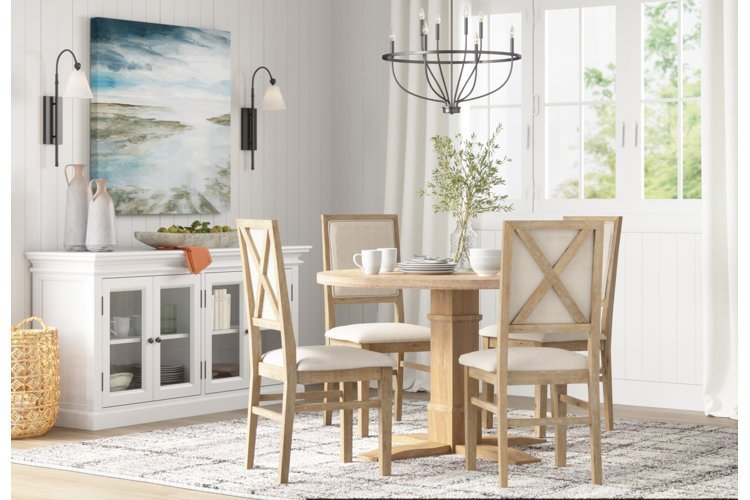
A standard residential dining chair typically costs between $50 and $200 per unit, depending on the materials used. Higher-quality construction and premium materials will push prices above this baseline.
How Much Does a Dining Chair Cost: Quick Facts
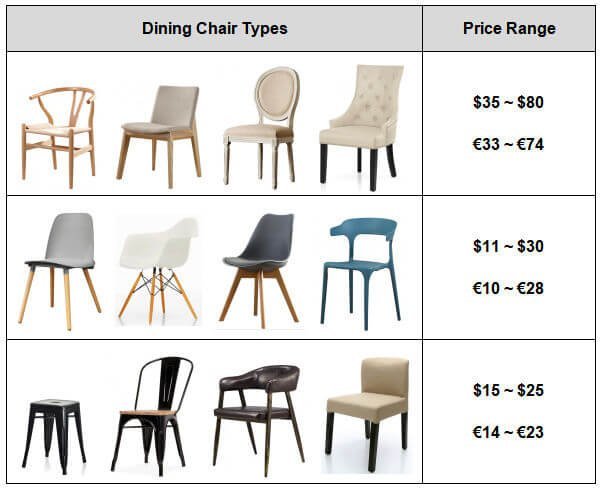
Dining furniture prices depend on materials, joinery, and how you buy them. Flat-pack sets cost less upfront, while solid timber units built by master carpenters cost considerably more.
These core figures explain what buyers typically pay:
- Basic flat-pack wood composite chairs run from $40 to $95 per seat.
- Mid-range solid oak or beech models cost between $120 and $280 each.
- Metal industrial cafe chairs average $45 to $85 per unit.
- Full-grain leather seats with hardwood frames range from $300 to $700.
- Sets of four chairs reduce the per-unit cost by roughly 15 to 20 percent.
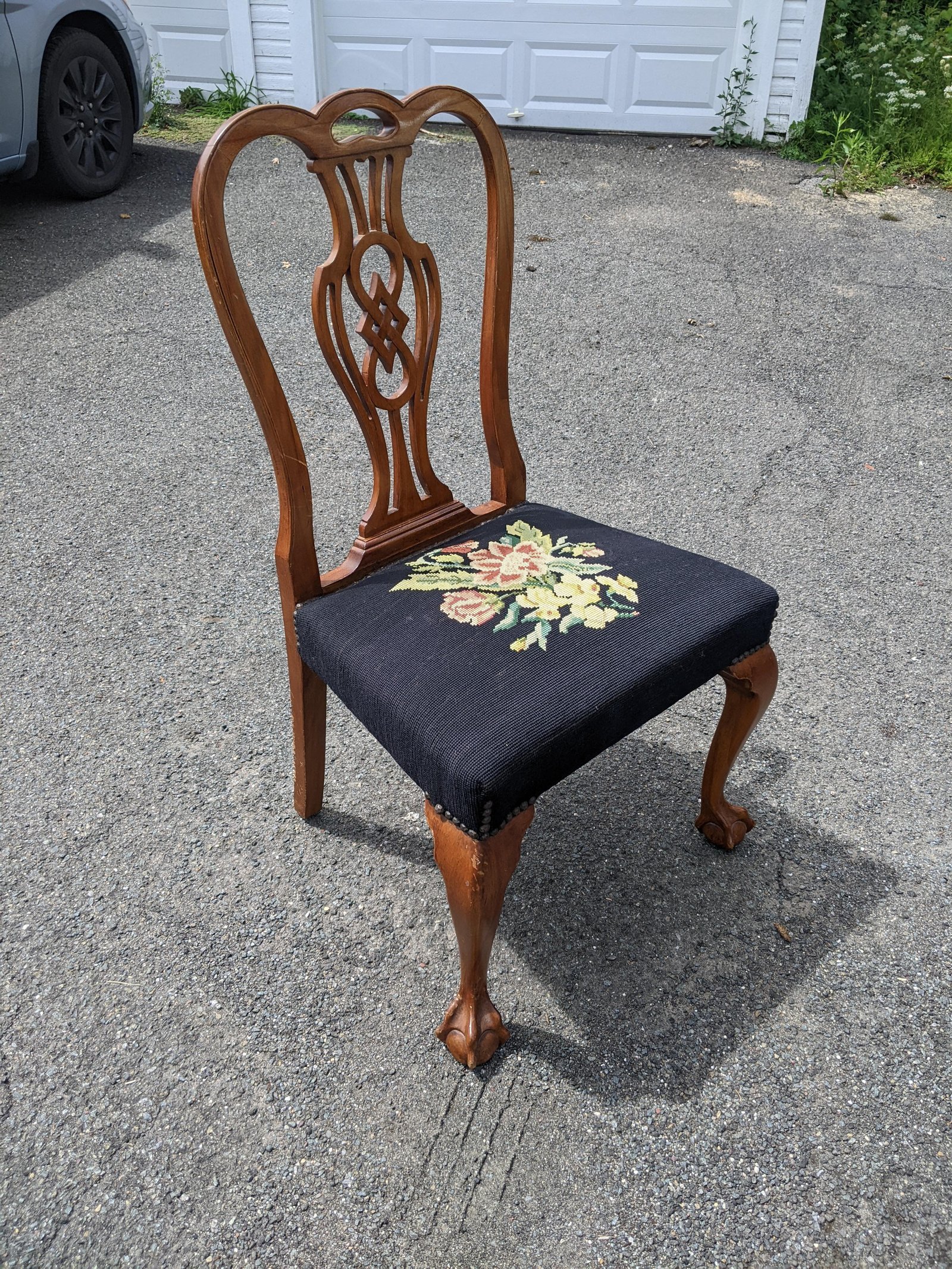
- Vintage restored chairs range wildly from $60 to over $400 depending on provenance.
Why Dining Seating Costs Vary
Framing materials and construction methods create wide price gaps between retail chairs. Solid hardwoods like ash, walnut, and oak require slow kiln drying and precise cutting. Cheaper chairs use rubberwood, plywood, or medium-density fiberboard coated with paper veneers. Fiberboard splits easily under shifting body weight, whereas solid wood joints handle continuous daily pressure for decades.
Labor drives the remaining cost. Factories use automated dowels and glue for mass-market chairs, while custom makers use mortise-and-tenon joints secured with corner blocks. Commercial-grade seating must also pass structural drop and load tests. To protect consumers, the CPSC furniture safety guidelines outline hazard reduction standards for residential furniture stability and structural integrity. Upholstery adds fabric costs, high-density foam padding, and detailed welt cords. Performance textiles treated against household stains carry a higher retail markup than untreated polyester weaves.
When Dining Chair Prices Shift
Every room presents different wear patterns and spatial limits that change the budget. Heavy everyday family use demands sturdier joints than a formal dining room used twice a year.
| Situation | What changes | What to do instead |
|---|---|---|
| Homes with toddlers | Spills destroy fine fabrics | Buy wipeable molded plastic |
| High-traffic rental units | Fast frame joint failure | Pick welded steel frames |
| Tight apartment spaces | Deep arms block table | Choose armless side chairs |
| Outdoor patio dining | Moisture rots indoor timber | Select powder-coated aluminum |
| Heavy body support | Fastener shear risk increases | Check 300-pound load ratings |
How to Calculate Your Chair Budget
Follow these steps to choose the right chair budget for your dining room:
- Measure your tabletop underside height using a standard tape measure; standard tables stand between 28 and 30 inches high.
- Subtract 10 to 12 inches from your table measurement to establish your required chair seat height for thigh clearance.
- Measure the perimeter length between the table legs to ensure each guest receives at least 24 inches of lateral dining space.
- If your budget is under $400 total, choose a four-chair bundled set; if spending over $800, buy individual solid timber units.
- Check the underside frame of sample units in person to verify corner block bracing screwed into the side rails.
- Test seat foam firmness by pressing your palm down hard; if you feel the baseboard immediately, reject that chair model.
- Multiply your chosen per-chair unit price by the seat count, then add 10 percent for regional sales tax and freight delivery.
Mistakes That Ruin Your Purchase
- Buying chairs without measuring your table apron, which traps guest legs against the wood and ruins comfortable seating.
- Choosing cheap bonded leather instead of top-grain hide or woven fabric, causing surface peeling within two years that ruins the chair.
- Skipping felt glide pads on metal chair feet, which scratches hardwood floors and leads to costly floor refinishing bills.
- Overlooking overall seat depth, which forces shorter adults to slouch uncomfortably against the backrest during normal dinner conversations.
Frequently Asked Questions
Can you mix cheap and expensive dining chairs?
Yes, you can pair budget wooden side chairs with two premium upholstered end armchairs. This approach cuts total room costs while providing visual anchors at the table ends.
Why are dining chairs sold in pairs?
Retailers pack two chairs per carton to balance shipping boxes and lower freight costs. Splitting factory cartons creates warehouse storage waste, so retailers charge extra for single units.
How long should a good dining chair last?
A solid wood chair lasts 10 to 15 years with basic maintenance. Inexpensive flat-pack chairs held together by metal bolts loosen within three to five years of regular use.
Is leather more expensive than fabric upholstery?
Yes, genuine top-grain leather adds $100 to $250 per chair compared to woven polyester. Leather requires larger hide cuts and skilled upholstery labor around tight chair curves.
Does chair weight matter for everyday quality?
Yes, heavier chairs usually contain kiln-dried hardwood or solid steel rather than hollow tubing or lightweight softwood. A heavy base prevents tipping when guests push back from the table.
What happens if the dining chair is too wide?
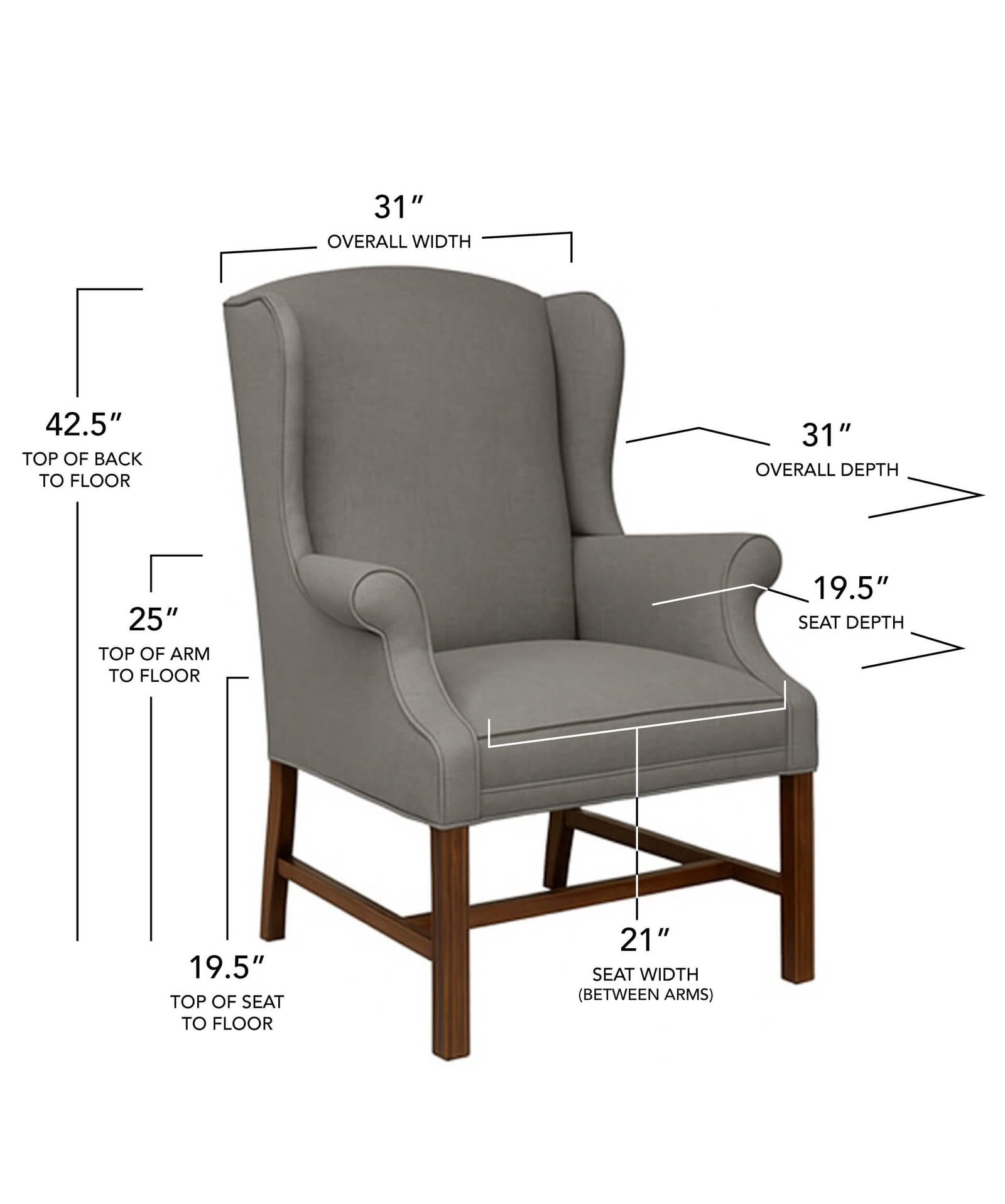
Chairs wider than 20 inches often collide around standard dining tables, causing guests to knock elbows. You’ll also find it difficult to push these wider chairs completely under the tabletop when they aren’t in use.
Dining chair, in short
Before you head to the store, take a moment to measure your table’s height and consider your household’s daily needs. You’ll want chairs that don’t just look great but also feel comfortable for long meals. It’s worth testing a few out in person to see what really suits your home’s unique style.