
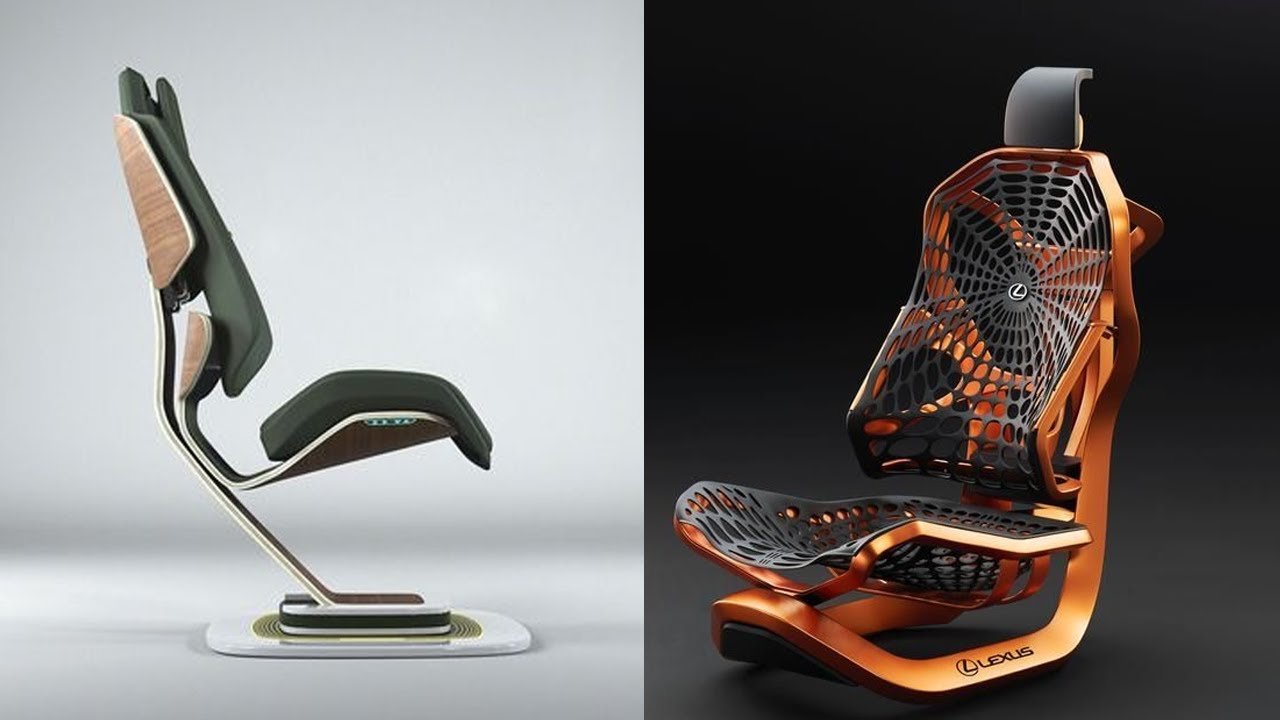
The Herman Miller Aeron is widely considered the most comfortable chair ever because of its patented Pellicle suspension material that distributes weight evenly across your body.
Understanding ergonomic support
The primary factor that determines chair comfort is how well it aligns with your spine’s natural curve. If the chair doesn’t support your lumbar region, you’ll experience lower back pain within hours. The most common mistake people make is buying a chair based on its look rather than its fit. A chair might look stylish, but if the seat depth doesn’t match your thigh length, it will cut off circulation to your legs.
Proper support isn’t just about softness. According to the Occupational Safety and Health Administration, neutral body posture is essential to prevent musculoskeletal disorders. This means your feet should be flat on the floor and your elbows at a ninety-degree angle. If your chair forces you to hunch, no amount of padding will make it comfortable for a full eight-hour day.
What is the most comfortable chair ever for you?
Follow these steps to ensure your current chair provides the best possible support for your frame:
- Adjust the seat height so your feet rest flat on the floor and your knees are at the same level as your hips.
- Set the seat depth by leaving a two-finger gap between the edge of the seat and the back of your knees.
- Position the armrests so your shoulders stay relaxed and your elbows rest gently on the pads while you type.
- Move the lumbar support to fit the small of your back, ensuring you feel firm pressure against your spine.
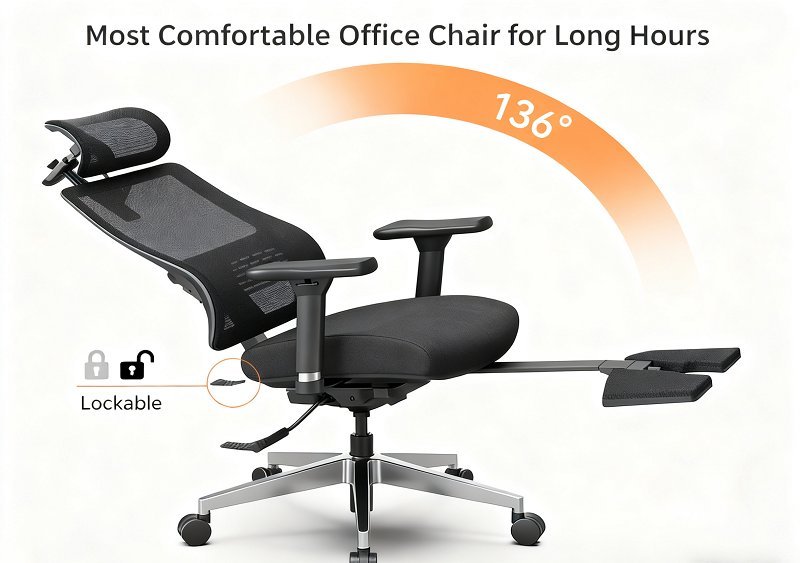
- Tilt the backrest to a slight recline of about 100 to 110 degrees to reduce pressure on your lower back discs.
Tip: If you’re shorter than five-foot-four, use a footrest to keep your legs at the correct angle.
Tip: Avoid locking the recline mechanism if you want to keep your core muscles engaged throughout the day.
Estimated adjustment periods
Comfort levels depend on your body type and how long you have spent in a poorly designed chair.
If you still feel physical pain after two weeks of consistent use, your chair may not be the right size for your specific height or weight.
Identifying when you’re comfortable
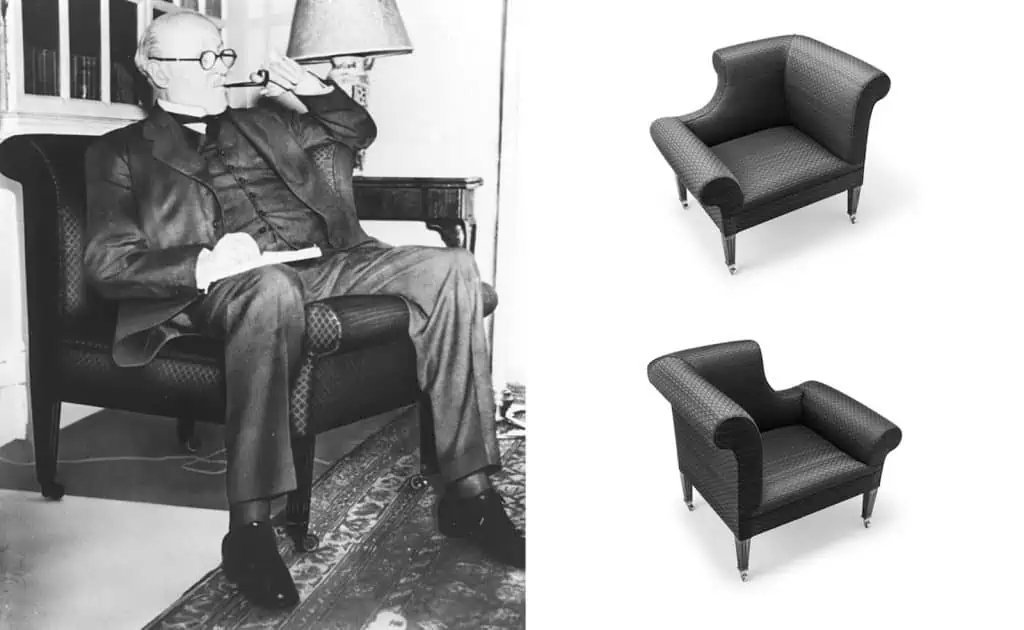
You know you have found the right chair when you can sit for two hours without shifting your weight or feeling the need to stretch your legs. Your shoulders should feel loose, and there should be no tingling in your feet or legs. The ultimate test is the “end-of-day check”: if you stand up and don’t feel stiff or reach for your lower back, the chair is doing its job. When the chair fits, you forget it’s even there while you work.
Mistakes that ruin your posture
- Sitting on the edge of the seat: This forces your back to round, which puts excessive strain on your spinal discs. Push your hips all the way back into the seat to utilize the full support of the backrest.
- Armrests set too high: This pushes your shoulders toward your ears, creating tension in your neck and upper traps. Lower the armrests until your shoulders drop naturally into a relaxed position.
- Ignoring seat tilt: Keeping the chair locked in an upright position prevents natural movement and circulation. Unlock the tension so the chair moves with your body whenever you lean back or reach forward.
Frequently asked questions
Can a chair be too soft?
Yes, a chair that’s too soft will cause your pelvis to tilt backward, which forces your spine into a C-shape. This lack of structural support leads to muscle strain after only an hour of sitting. You need a firm base that allows your bones to support your weight.
How long should a high-quality chair last?
A high-quality ergonomic chair should last ten to twelve years with daily use. Most manufacturers offer warranties covering parts for at least twelve years. If the fabric wears out or the gas cylinder fails, you can usually replace these individual components instead of buying an entirely new chair.
Is it safe to use a gaming chair for work?
No, most gaming chairs are designed for aesthetics rather than long-term ergonomic support. They often lack adjustable lumbar depth and have deep bucket seats that limit your movement. If you spend more than four hours at a desk, an office-specific chair is a safer choice for your back health.
What happens if I sit in the same position all day?
Sitting in one position for more than one hour causes blood flow to decrease and joints to stiffen. Even in the most comfortable chair ever, you should stand up, stretch, or walk around for at least two minutes every hour to keep your muscles flexible and your circulation moving.
How do I know if my chair is the right size?
You know your chair is the right size if your back makes full contact with the backrest. If the lumbar support hits your shoulder blades or your mid-back, the chair is too small. If the seat pan goes past your knees, the chair is too large for your legs.
Most comfortable, in short
Finding the right seat shouldn’t be a chore, but it’s worth the effort for your long-term health. If you’re still feeling aches after a long day, head to a local showroom to test a few models yourself. You’ll quickly see how a supportive design makes a world of difference in your daily comfort.