
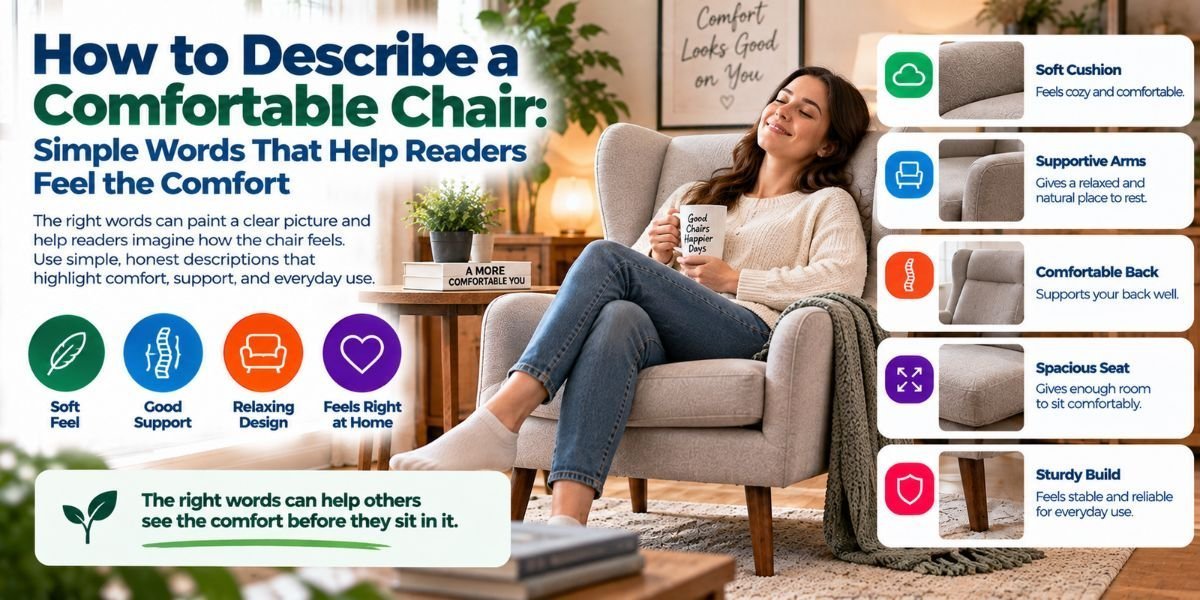
Using sensory details and exact measurements is the fastest method for how to describe a comfortable chair in four clear sentences. You need to name the frame’s support, the foam density, and the fabric texture. This method suits furniture sellers, estate listers, and copywriters best.
Chair details to collect first
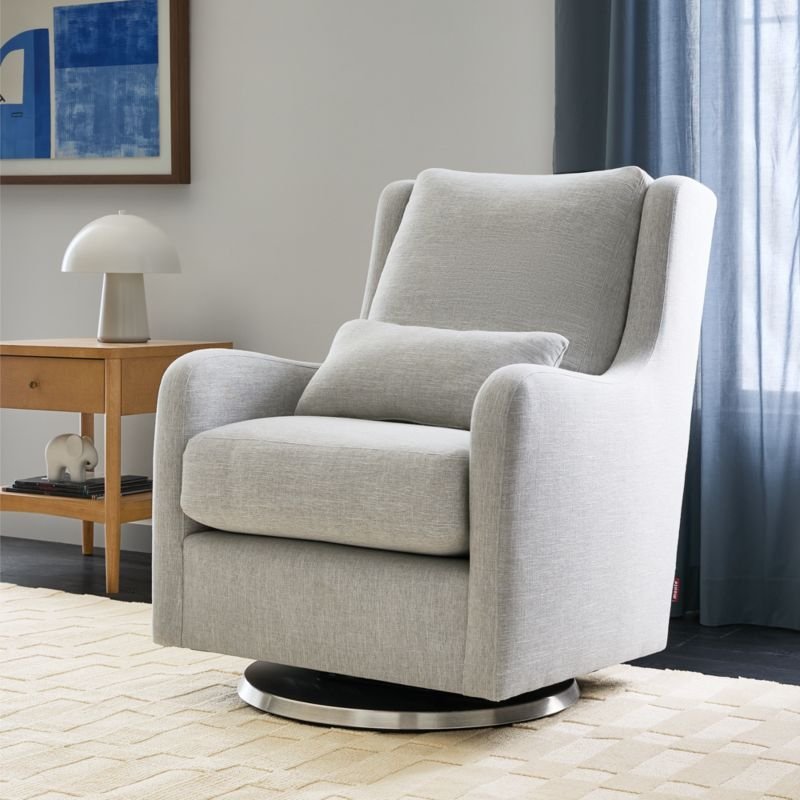
Before writing, gather the exact specs of the seat so your description stays grounded in fact. You can’t write clear copy if you don’t have the piece in front of you.
- A tape measure for depth, back height, and width in inches.
- Cushion core material, such as high-resilience foam or down feathers.
- Upholstery fabric type, like top-grain leather, linen weave, or velvet.
- Base structure details, including solid kiln-dried hardwood or steel legs.
- Adjustability features, specifically lumbar dials, tilt locks, or manual recline levers.
A fabric swatch card works well to identify true colors, but low-resolution digital photos will mislead you about actual textures.
Writing your chair description
Writing a clear description takes about ten minutes if you follow a set order. Keep your notes nearby so you don’t guess at sizes.
- State the chair type and primary sitting posture within 15 words, noting whether it keeps the sitter upright or lets them recline.
- Record the seat depth in inches, stating if the front edge leaves two inches behind the knees or fits tall frames best. Careful: Don’t call a 24-inch deep seat “universal,” because shorter sitters will get lower back strain without an extra pillow.
- Name the cushion density and firmness rating, giving the foam rating or spring core type in plain words.
- Describe the tactile surface finish using two concrete touch terms, like ribbed corduroy or cool top-grain leather. Tip: If X is velvet, mention soft warmth; if Y is untreated leather, mention smooth, firm support that softens over months.
- List the physical support points, focusing on lumbar curvature, headrest angle, and padded armrests.
- Detail the base stability and weight capacity, noting solid wood joints or powdered metal legs that prevent wobbling.
Adjusting descriptions for different seat types
A single sitting space serves different needs depending on the room it occupies. You can’t describe an office task chair the same way you describe a living room recliner.
| Chair Type | Word Count Needed | Key Difference | What to Watch For |
|---|---|---|---|
| Executive office chair | 80–100 words | Adjustability dials and lumbar pressure | Mentioning tilt tension instead of just soft foam |
| Reading room armchair | 60–80 words | Cushion softness and side wing support | Highlighting seat depth for curled-up legs |
| Dining arm chair | 40–50 words | Upright posture and easy-clean fabric | Keeping focus on thigh clearance and firm padding |
| Nursery rocker | 70–90 words | Armrest height and gentle movement | Checking headrest support for late-night nursing |
It’s safer to start with simple measurements and add sensory words later than to bury the buyer in flowery adjectives right away.
Spotting a helpful description
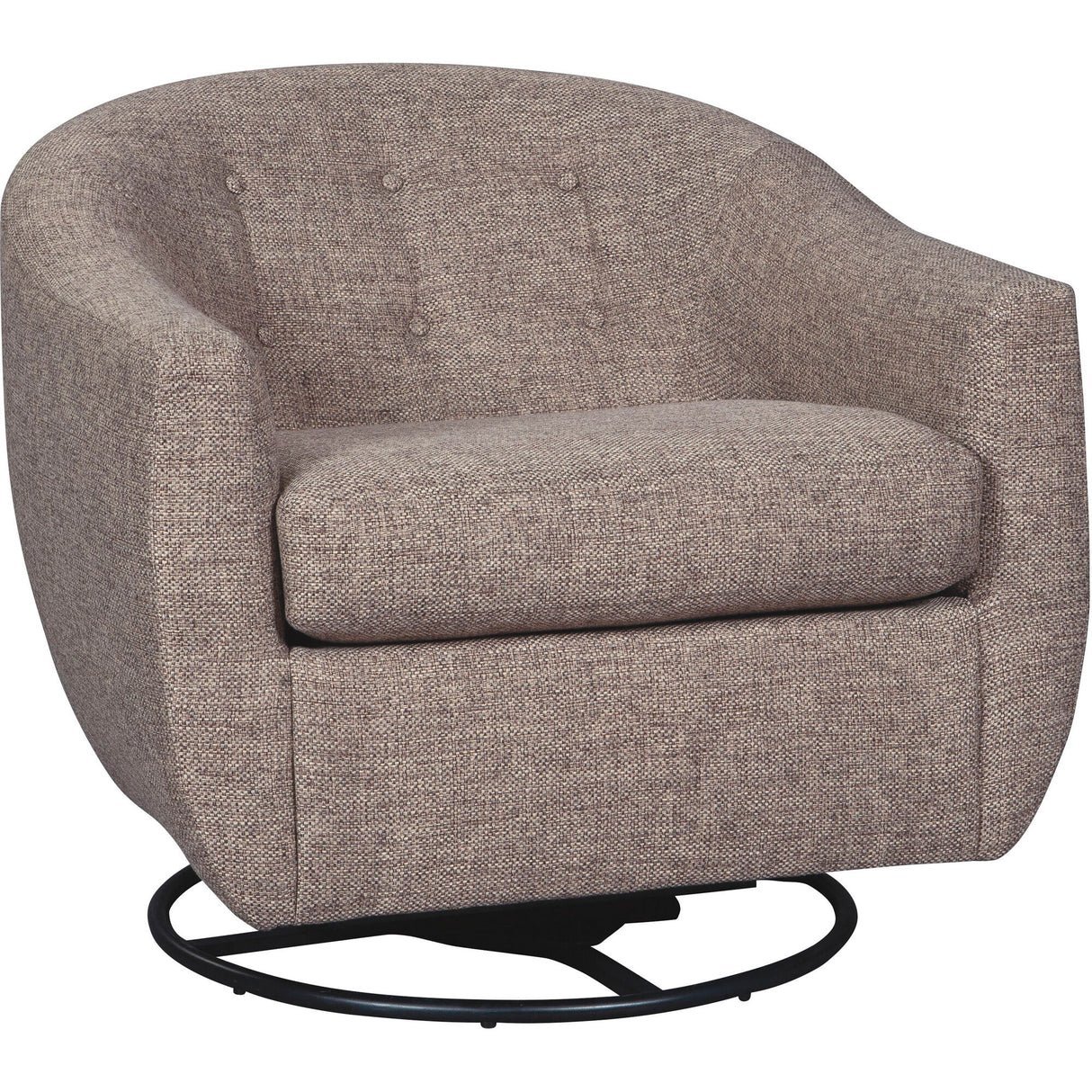
A solid listing pairs honest support limits with clear physical sensations. The reader immediately knows if the chair feels firm, plush, wide, or compact. A weak description relies on vague claims like “super cozy” or “the best seat ever,” which tells the buyer nothing about how the chair actually feels.
This issue happens when writers skip physical specs and rely entirely on personal opinion. You avoid this problem by stating the exact foam density, back angle, and cushion firmness. This text isn’t for interior designers writing abstract mood boards. It’s built for direct product listings where an inaccurate description costs a seller return shipping fees when a chair feels too hard or shallow.
Standards for seating and listing updates
Once you finish your draft, save the copy in your shop database and store fabric care tags with the chair’s physical files. A well-written description lasts through the entire manufacturing run of that model, but this varies by model — check the label for seasonal fabric updates.
Alternate ways to present comfort
Bullet-pointed feature highlights
This approach strips away narrative prose to give fast facts. It cuts reading time down to twenty seconds, which helps mobile shoppers who want weight limits and dimensions without extra words.
Narrative sensory styling
This style describes an evening scene where a reader sits down after work. It takes about 120 words to build the scene, trading quick facts for an emotional feeling that fits high-end catalogs.
Spec-sheet breakdown
This method lists only technical data like foam density, rub counts, and joint joinery. It eliminates emotional terms entirely, making it ideal for contract office furniture buyers who only care about long-term durability.
Frequently asked questions
Can I describe a chair as soft if it has firm foam?
No. High-density foam gives firm, push-back support rather than sink-in softness, so describe it as structured and supportive to avoid misleading buyers who want plush down seating.
Why do some chairs cause leg numbness after an hour?
A seat cushion that presses hard against the back of the knees cuts off blood flow. This happens when the seat depth exceeds nineteen inches without an adjustable front waterfall edge.
How many words should a furniture description be?
Keep the description between 60 and 100 words for standard online retail listings. This gives you enough space to cover dimensions, foam feel, and cover fabric without losing the buyer’s attention.
What happens if I skip the seat depth measurement?
Buyers will guess the fit, leading to high return rates. A seat that is 23 inches deep leaves shorter users without back support, while an 18-inch seat feels too tight for tall users.
Is memory foam better than high-resilience foam for chairs?
High-resilience foam works better for daily seating because it regains its shape instantly, while memory foam holds body heat and makes shifting positions harder during long working hours.
Describe comfortable, in short
Writing an accurate description comes down to matching the physical dimensions of the chair to the sitter’s posture. When you trade hollow marketing phrases for clear measurements and specific fabric textures, you give your readers the exact details they need to choose the right seat.