
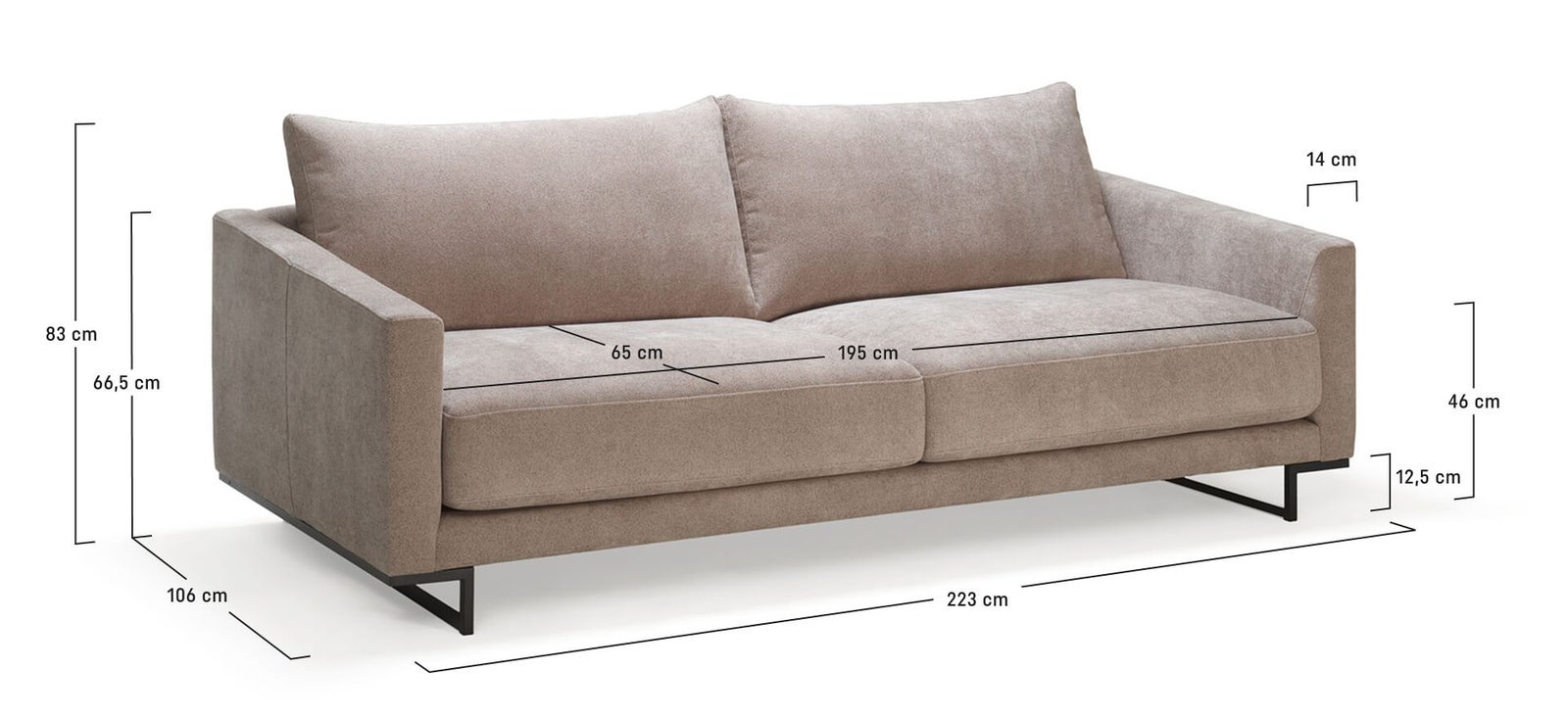
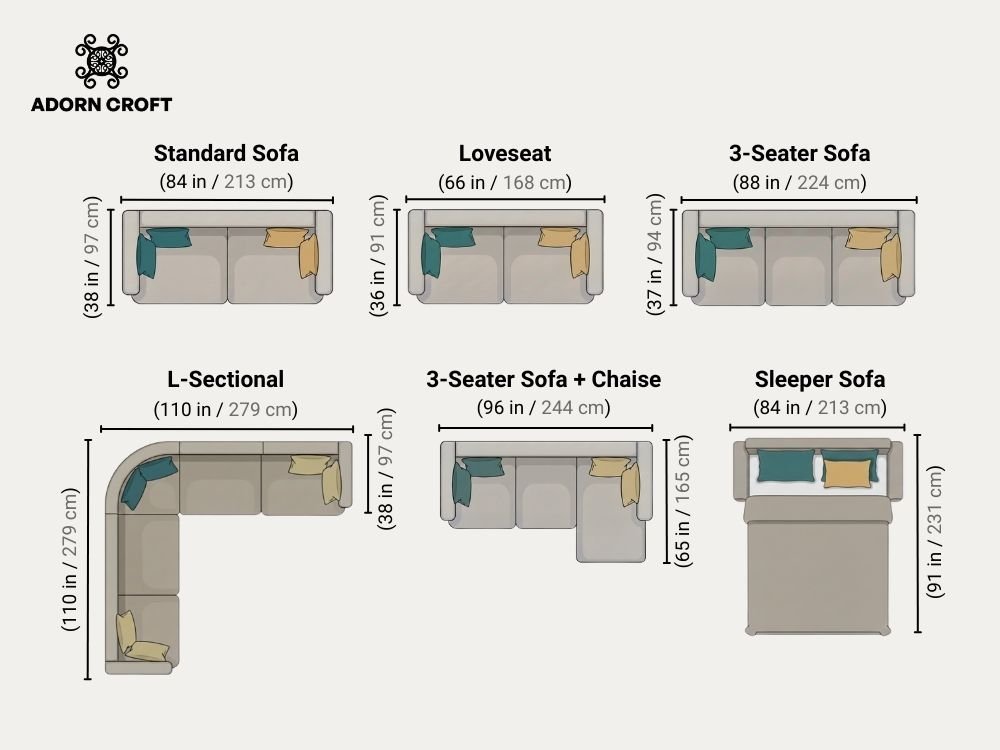
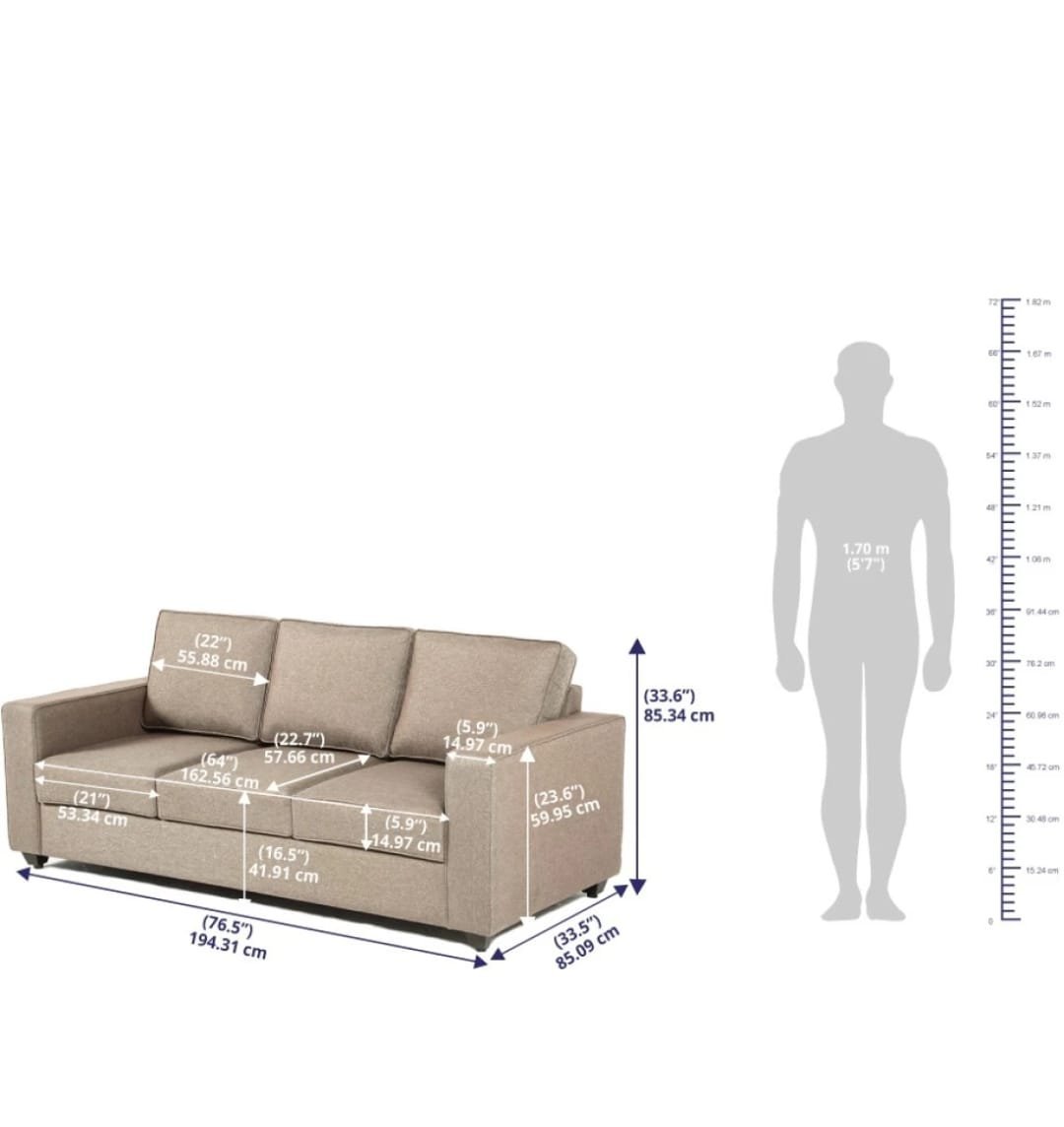
The length of a 3 seater sofa is typically between 78 and 90 inches, though this varies by model — check the label for exact dimensions. You need to measure your available floor space to ensure the piece fits comfortably in your room.
Typical length of a 3 seater sofa
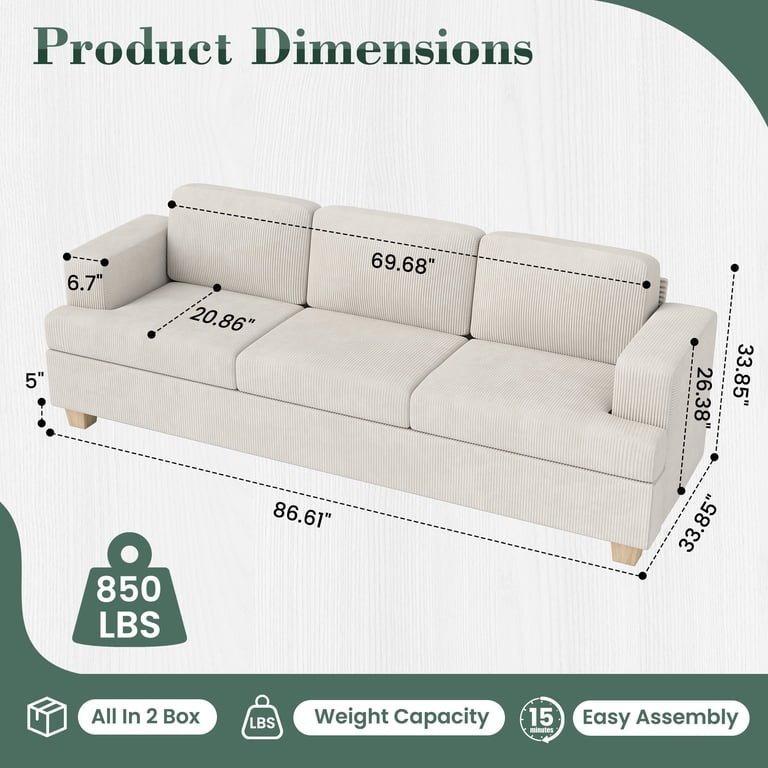
- Expect a standard length of 78 to 90 inches for most traditional three-seat designs.
- Measure the total width from the outside of one armrest to the outside of the other.
- Clear at least 18 inches of walking space around the sofa to keep the room functional.
- Check the depth of the frame, which usually adds 34 to 40 inches of floor coverage.
- Verify if your model includes wide, rolled arms, as these often add 6 inches to the total width.
- Look for the specific manufacturer’s spec sheet to confirm the exact footprint before you commit to a purchase.
Why sizing varies so much
Furniture dimensions aren’t standardized across the industry because different brands prioritize different comfort levels and visual styles. The primary driver of length is the arm design, which can range from slim, straight profiles that save space to thick, padded, or rolled arms that add significant bulk to the frame.
If you choose a model with deep seating, the frame length might remain the same, but the sofa will dominate more of your floor area. Some modern, minimalist designs aim for a compact 72-inch length while still providing three seat cushions, whereas luxury models with plush cushioning often push past 96 inches. Always check the official product dimensions listed by the maker, as they account for the specific overhangs and structural supports unique to that frame.
Factors that change the footprint
| Situation | What changes | What to do instead |
|---|---|---|
| Slim arms | Reduces overall length | Measure the seat width only |
| Modular sections | Length is adjustable | Measure individual pieces separately |
| Tight doorways | Frame might not fit | Check the diagonal depth measurement |
How to measure your space properly
- Use a steel tape measure to find the exact length of the wall where you plan to place the new sofa.
- Mark the floor with painter’s tape to visualize the 78 to 90-inch range to see how it affects your room’s flow.
- Measure the width of your front door and any hallways to confirm the sofa can actually enter your living space.
- If the sofa has a chaise or recliner, measure the extended length to ensure you have enough room when it’s open.
- Check the height of your side tables, as a sofa that’s too long might crowd them and make the area look cramped.
- Compare the tape outline against your existing furniture to ensure you aren’t blocking any paths or air vents in the room.
The mistakes that ruin it
- Forgetting to measure the entryway often results in a sofa that can’t be delivered into the room.
- Ignoring the clearance for opening doors or drawers creates a room that feels cluttered and difficult to use.
- Assuming all three-seat models are the same size leads to buying a piece that overwhelms a small living area.
- Failing to account for baseboard thickness can cause a sofa to sit a few inches further out than you planned.
Frequently asked questions
Can a 3 seater sofa be shorter than 78 inches?
Yes, some compact or apartment-sized models measure between 70 and 75 inches. These frames use narrower armrests and tighter back cushions to save space while still providing three distinct seating positions for your guests.
Why do some sofas feel longer than they measure?
Bulky armrests and deep-set back cushions often make a sofa look and feel much larger than its actual tape measurement. If you have a small room, choose a frame with low-profile, square arms to maximize your usable seating area.
How much space do I need behind the sofa?
You should leave at least 2 to 3 inches of space between the sofa back and the wall for airflow. This prevents the fabric from rubbing against the wall and allows you to reach behind for cleaning or cord management.
Is it safe to put a sofa against a radiator?
No, it isn’t safe to place furniture directly against a heat source because it blocks airflow and creates a fire hazard. Keep your sofa at least 12 inches away from radiators or baseboard heaters to ensure your home remains safe.
Does the seat cushion count as the length?
No, the total length is measured from the outside edge of one armrest to the other. The seat cushion width is always smaller than the total frame length, so always look for the “overall width” on the manufacturer’s label.
What happens if the sofa is too long for the room?
A sofa that’s too long will block walking paths and make your room feel disorganized and cramped. If you find your chosen model is too large, look for a “loveseat” version or a modular design that lets you remove a section.
Length seater, in short
Choosing the right size is about balancing your comfort needs with the physical reality of your floor plan. By checking the manufacturer’s label and measuring your entryway before you buy, you ensure the piece fits perfectly and remains a comfortable part of your home for years.
Related guides