
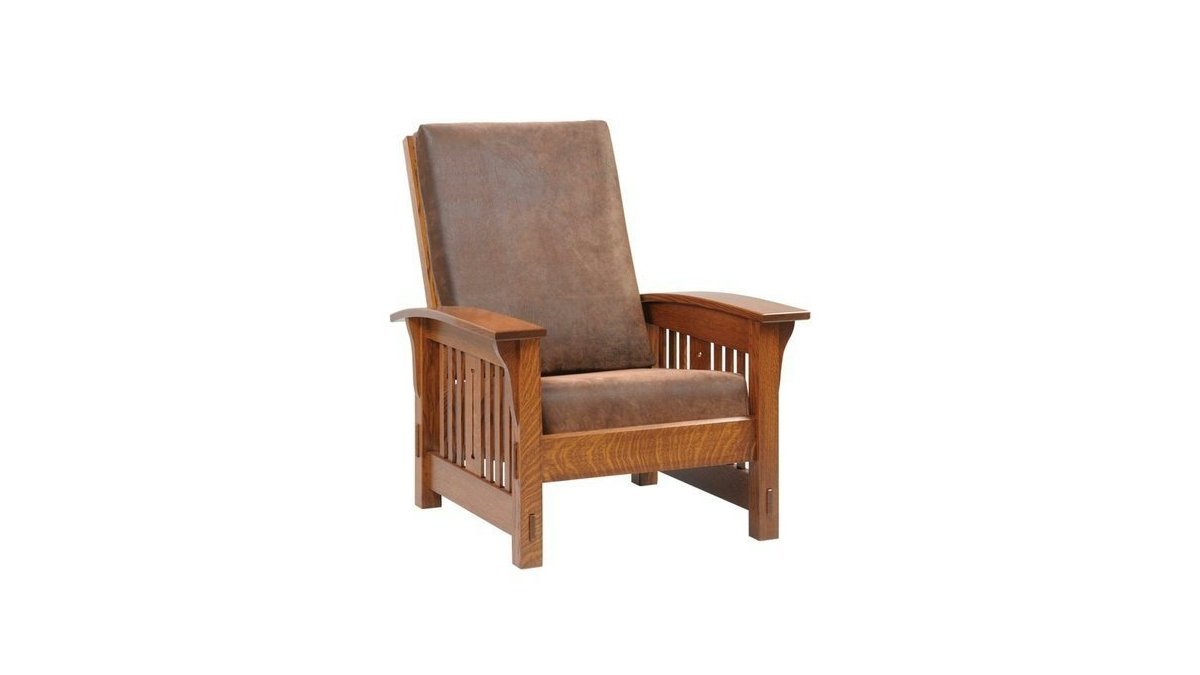
You can expect to pay anywhere from $150 to $2,500 for a new piece of furniture, and the price of a lounge chair depends heavily on the materials used, the brand reputation, and whether the item is mass-produced or custom-made.
Buying a quality lounge chair
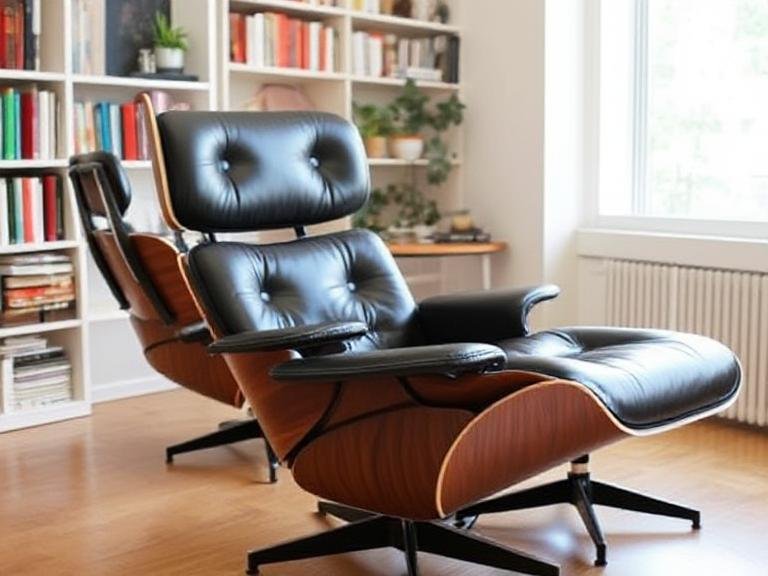
- Entry-level models made from synthetic rattan or basic fabric start at $150 for simple, lightweight designs.
- Mid-range chairs featuring genuine leather or high-quality performance textiles typically cost between $500 and $1,200.
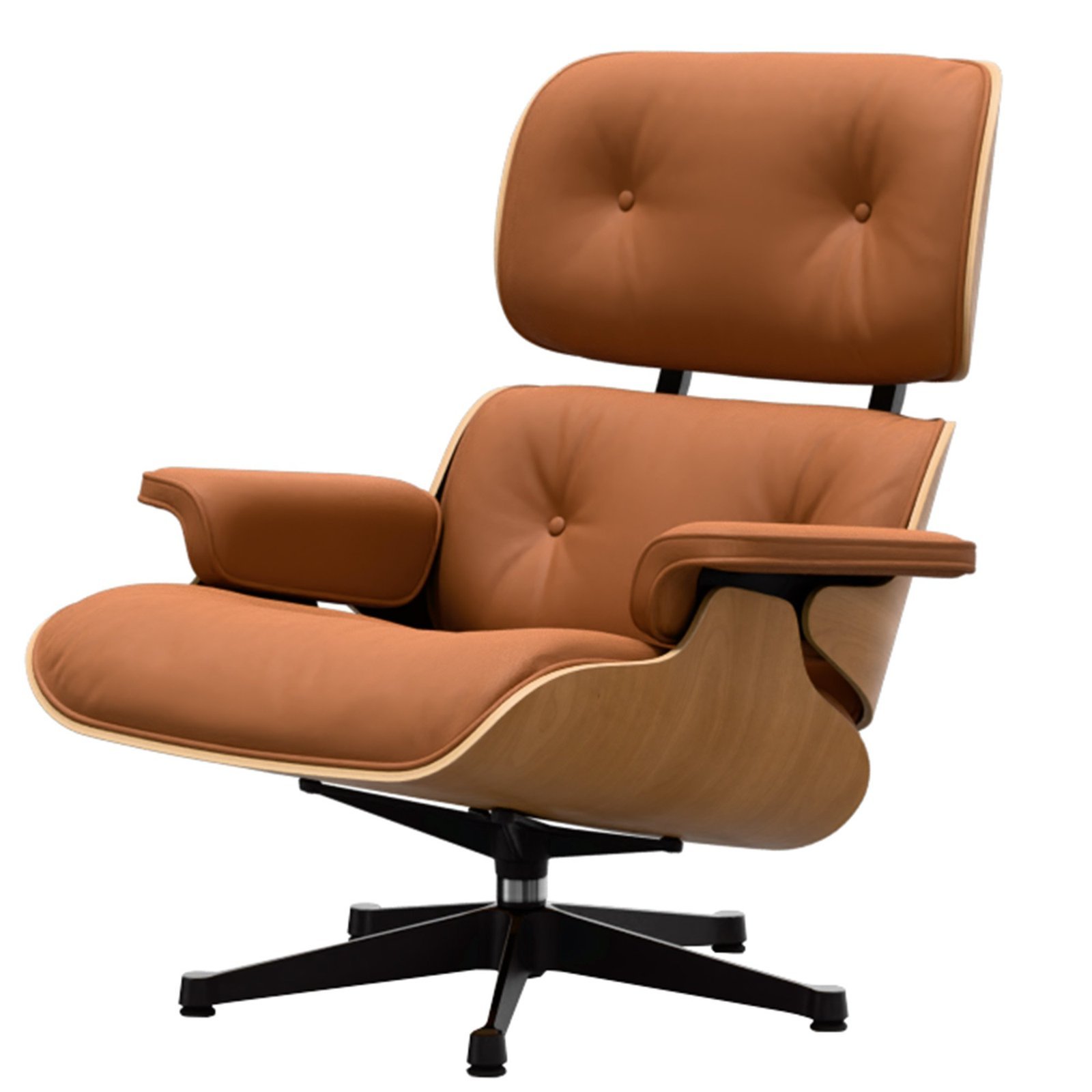
- Designer or artisan-crafted lounge chairs often exceed $2,000 due to premium materials like solid teak or top-grain aniline leather.
- Always check the weight capacity on the product label, as standard chairs usually support up to 250 pounds safely.
- Measure your available floor space before buying, as a standard lounge chair needs at least 30 inches of width.
- If you’re buying for outdoor use, ensure the frame is corrosion-resistant according to the CPSC to prevent rust and structural failure.
Why price fluctuates for seating
The primary driver of cost in lounge seating is the internal frame construction. Solid wood frames, such as kiln-dried oak or walnut, require more labor and expensive raw materials than particleboard or lightweight metal frames. These solid frames last decades because they resist warping and joint loosening, whereas cheaper frames often fail within two or three years of daily use.
Upholstery materials also dictate the final price point. Genuine top-grain leather undergoes a long tanning process that significantly raises the price compared to synthetic “leather-look” plastics. Similarly, performance fabrics treated to resist UV rays and water are much pricier than standard indoor cotton blends. If you’re unsure about the durability of a specific material, check the manufacturer’s technical data sheet for the rub count or the fade resistance rating. These numbers objectively tell you how well the fabric will hold up to high-traffic use in your home.
How much is a lounge chair: Cost factors
| Situation | What changes | What to do instead |
|---|---|---|
| Custom fabrics | Increases production time | Choose standard stock colors |
| Designer brands | Adds significant markup | Look for high-quality replicas |
| Solid hardwood | Higher material costs | Select powder-coated steel |
| Complex assembly | Increases labor costs | Buy pre-assembled store stock |
| Bulk shipping | Adds freight charges | Pick up at store |
How to select the right chair
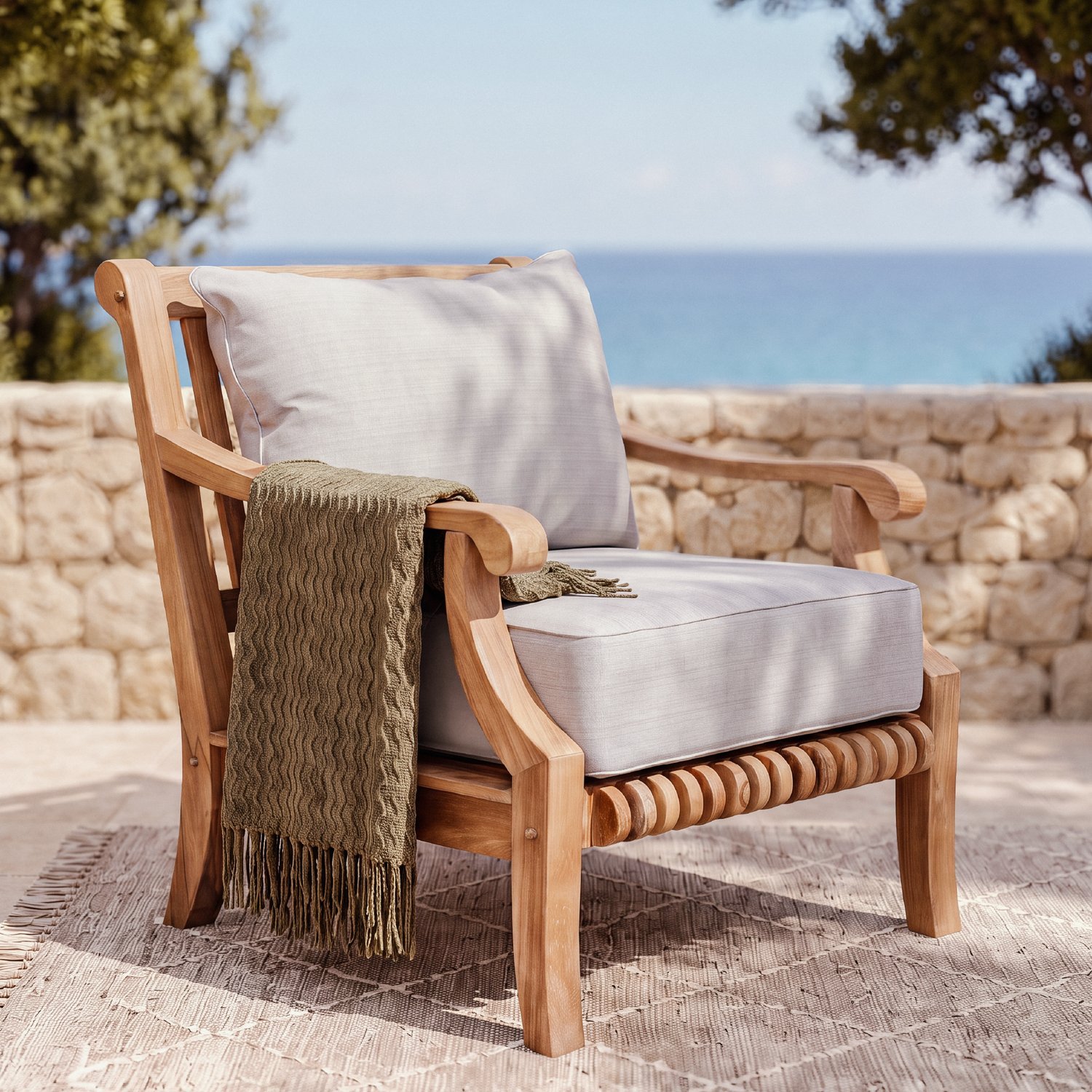
- Determine your budget and stick to it, as prices for nearly identical designs can vary by hundreds based on the brand name.
- Test the seat depth by sitting down; your feet should touch the floor comfortably while your back rests against the rear cushion.
- Check the joints of the frame by shaking the chair gently; there should be no audible creaking or visible movement in the structure.
- Remove the seat cushion to inspect the webbing or springs; high-quality chairs use steel zig-zag springs or heavy-duty nylon webbing straps.
- Look for a manufacturer’s tag under the seat to verify the warranty terms, which usually cover the frame for at least five years.
- Verify the fabric grade by rubbing a damp white cloth on the underside of the material to ensure the dye doesn’t bleed.
The mistakes that ruin your purchase
- Ignoring the seat height often leads to chairs that are too low for older adults to exit comfortably.
- Buying based on online photos alone often hides poor scale, leading to a chair that dwarfs your living room.
- Choosing light-colored fabric in high-traffic areas results in permanent stains that cleaning products can’t remove.
- Skipping the professional assembly option for complex chairs can lead to loose bolts and a shortened lifespan for the frame.
Is it safe to buy a used lounge chair?
Yes, it’s safe if you inspect the item for bedbugs and structural damage before bringing it inside. Check the seams and crevices for small dark spots and ensure the frame feels solid without any loose or wobbly legs.
How long should a lounge chair last?
A high-quality lounge chair should last between ten and fifteen years with daily use. You can extend this lifespan by rotating the cushions every six months and avoiding direct sunlight, which causes fabric fading and leather cracking.
What happens if the frame breaks?
If the frame breaks, you should contact the manufacturer if the item is still under warranty. If the warranty has expired, you can consult a local furniture repair technician to determine if the wood or metal can be reinforced.
Does the chair material matter for price?
Yes, natural materials like solid wood and top-grain leather increase the cost because they’re more expensive to source. Synthetic materials like polyester and plastic are cheaper to produce and therefore result in a lower price for the consumer.
How much space do I need for a lounge chair?
You should allow for at least 30 inches of width and 36 inches of depth to accommodate a standard chair. If the chair includes a matching ottoman, you’ll need to add an extra 20 inches of floor space.
Why are some chairs so expensive?
Expensive chairs often feature artisan craftsmanship, premium raw materials, and high-quality internal springs that provide better support. You’re also paying for the brand’s design heritage and the rigorous quality control processes used during the manufacturing phase.
Choosing the right lounge chair is about balancing your budget with the expected daily use of the item. By focusing on frame construction and material durability, you ensure your investment provides comfort for many years rather than needing a replacement after just a few seasons.