
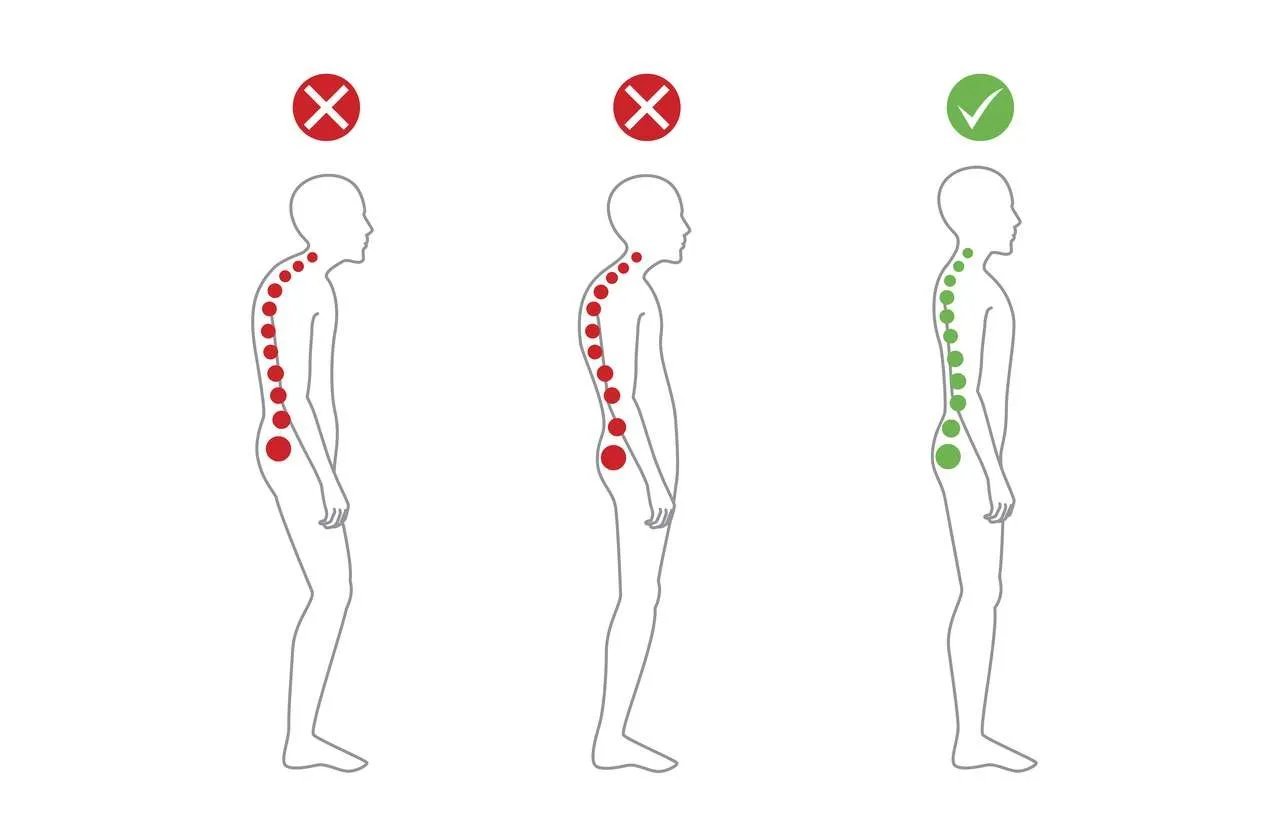
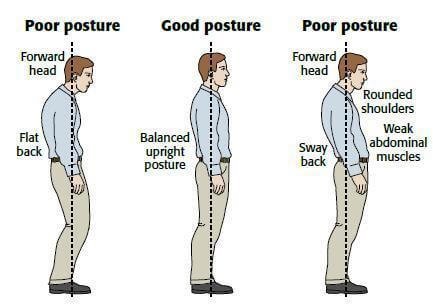
A straight back looks like a natural, vertical line where your ears, shoulders, hips, and ankles align when viewed from the side, as the appearance of a straight back depends on the gentle curves of your spine supporting your body weight without excessive slouching or arching.
What a straight back looks like
The spine isn’t a perfectly flat rod but a stack of bones with three natural curves. These curves act like a spring to absorb pressure from walking or sitting. When you align your posture, you’re balancing your head over your pelvis so the muscles don’t work harder than necessary.
| Part or input | What it does | What you notice when it goes wrong |
|---|---|---|
| Cervical curve | Supports the head | Neck pain or stiffness |
| Thoracic curve | Protects the organs | Rounded shoulders or hunching |
| Lumbar curve | Bears body weight | Lower back ache or tension |
| Pelvic tilt | Balances the torso | Swayback or tucked tailbone |
| Core muscles | Stabilize the spine | Fatigue from lack of support |
Check your specific spinal alignment by standing against a flat wall. If your doctor has diagnosed a condition like scoliosis or kyphosis, follow the guidance provided in the posture and spinal health resources from the National Library of Medicine.
Achieving proper spinal alignment
Finding a neutral spine takes practice and focus on your body’s position in space. You should perform these checks throughout your day to ensure your muscles aren’t overcompensating for poor habits.
- Stand with your heels about two inches away from a wall and lean your upper back against the surface.
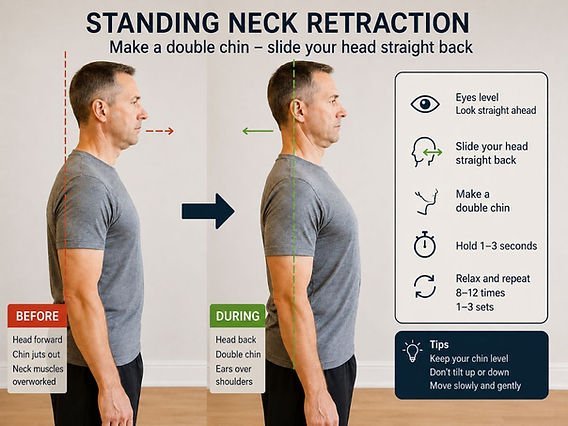
- Ensure your head touches the wall gently without forcing your chin upward, which keeps your neck in a neutral position.
- Check the space between your lower back and the wall; it should be small enough to slide a flat hand through.
- Pull your shoulder blades back and down away from your ears to open your chest and prevent forward rounding.
- Engage your stomach muscles slightly to support the lower spine, which prevents your pelvis from tilting too far forward.
- Hold this position for thirty seconds while breathing normally to help your brain memorize the feeling of a neutral, straight spine.
Why this matters when something goes wrong

Poor alignment creates uneven pressure on the discs and joints of your spine. When you slouch, your head moves forward, which forces the muscles in your upper back and neck to pull constantly to keep you upright. This is why you feel burning or tightness after sitting at a desk for several hours. If your lumbar curve is too deep, you put extra strain on the small joints in your lower back. Consistent poor posture leads to chronic fatigue because your body uses more energy to stay upright than it would with proper alignment. If you notice persistent pain that doesn’t improve with movement, it’s time to see a physical therapist. They can assess if your issues are due to habit or a structural limitation that requires professional treatment to resolve safely.
What you can change, and what you cannot
Things you control
- Your daily stretching and strengthening routine.
- The height of your computer monitor or screen.
- How often you stand up to move around.
- The way you sit in your office chair.
Fixed design factors
- The natural curvature of your own skeleton.
- Previous injuries that impact your range of motion.
- Genetic conditions like scoliosis or spinal fusion.
If you have a history of back surgery or chronic injury, always ask your surgeon before starting new exercises. Pushing through sharp pain can cause permanent damage to soft tissues.
Getting more out of it
Use these habits to maintain your alignment throughout the day. If you work at a desk, set a timer for every forty-five minutes to stand up and reset your posture. When you sit, keep your feet flat on the floor to provide a stable base for your pelvis. Avoid crossing your legs, as this shifts your hips and pulls your spine out of alignment. If you carry a heavy bag, switch shoulders every ten minutes to distribute the weight evenly. These small changes prevent the muscle imbalances that lead to long-term discomfort and stiffness.
Frequently asked questions
Can I fix my posture at home?
Yes, you can improve your posture by practicing conscious alignment and strengthening your core muscles daily. If you have significant pain or a diagnosed spinal condition, consult a physical therapist for a plan tailored to your specific physical needs.
How long does it take to fix a rounded back?
It takes several weeks of consistent practice to build the muscle memory required for natural alignment. The exact time depends on the severity of your current habit and how often you actively correct your position throughout the day.
Is it safe to force my back straight?
No, you should never force your back into an unnatural, stiff position. A straight back should feel relaxed and supported, not painful or rigid; forcing alignment can lead to muscle strain and unnecessary pressure on your spinal discs.
What happens if I slouch too much?
Slouching leads to muscle tightness, reduced lung capacity, and chronic back pain over time. Your body adapts to the position you hold most often, so constant slouching makes it harder to return to a neutral, healthy spine position.
Does it matter if I sleep on my side?
Yes, sleeping on your side is generally fine if you place a pillow between your knees to keep your hips level. This prevents your top leg from pulling your spine into a twist, which helps maintain alignment while you rest.
How do I know if my posture is bad?
You can identify bad posture by checking if your head sits forward of your shoulders or if your shoulders are rounded inward. If you feel frequent tension in your neck or lower back, your current alignment is likely putting stress on your spine.
Straight back, in short
Improving your posture takes time, so don’t be too hard on yourself if you catch yourself slumping. Try setting a gentle reminder on your phone to check your alignment every hour. You’ll find that small, consistent adjustments throughout your day make a big difference in how you feel and move.