
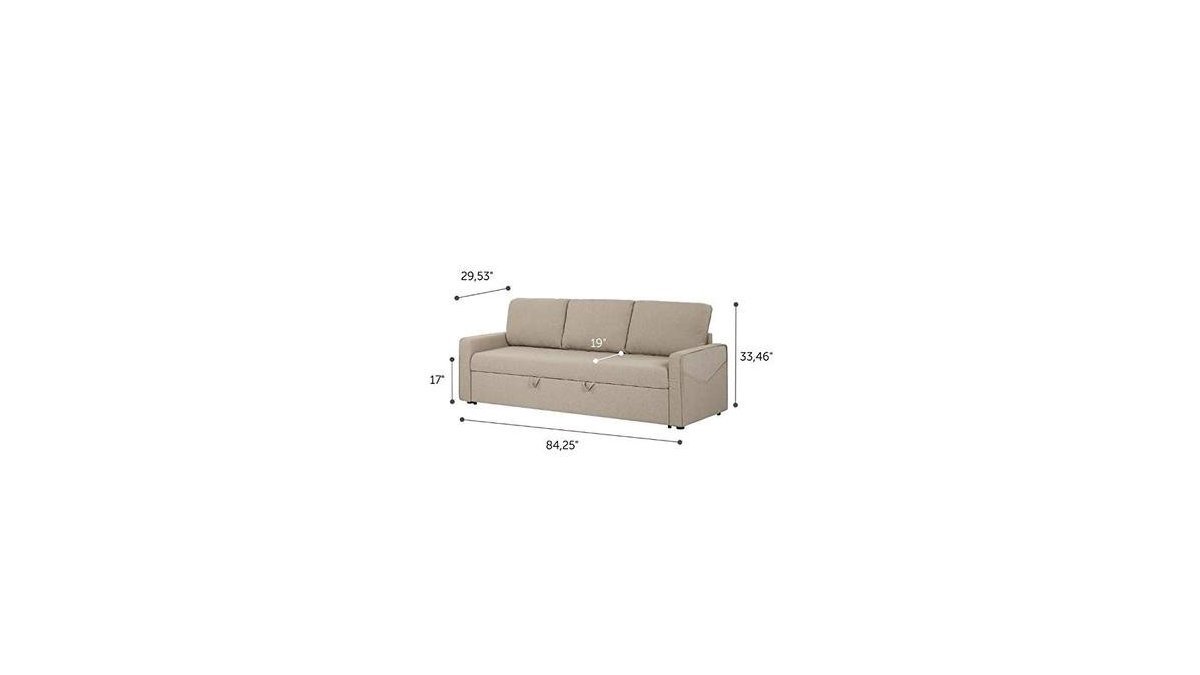
The standard length of a 3 seater sofa typically falls between 78 and 90 inches, though many modern designs lean toward the upper end of that range. This measurement represents the total width from the outside of one armrest to the outside of the other, defining the footprint of the furniture.
Choosing the right size depends on your available floor space and your preferred seating comfort. A common mistake people make is measuring only the cushions instead of the entire frame, which can lead to buying a sofa that blocks a doorway or makes a room feel cramped. If you have a small living room, prioritize a slim-arm design to save space; if you have a large open-plan area, a deeper, wider frame will look more proportional.
Standard length for a three seater sofa
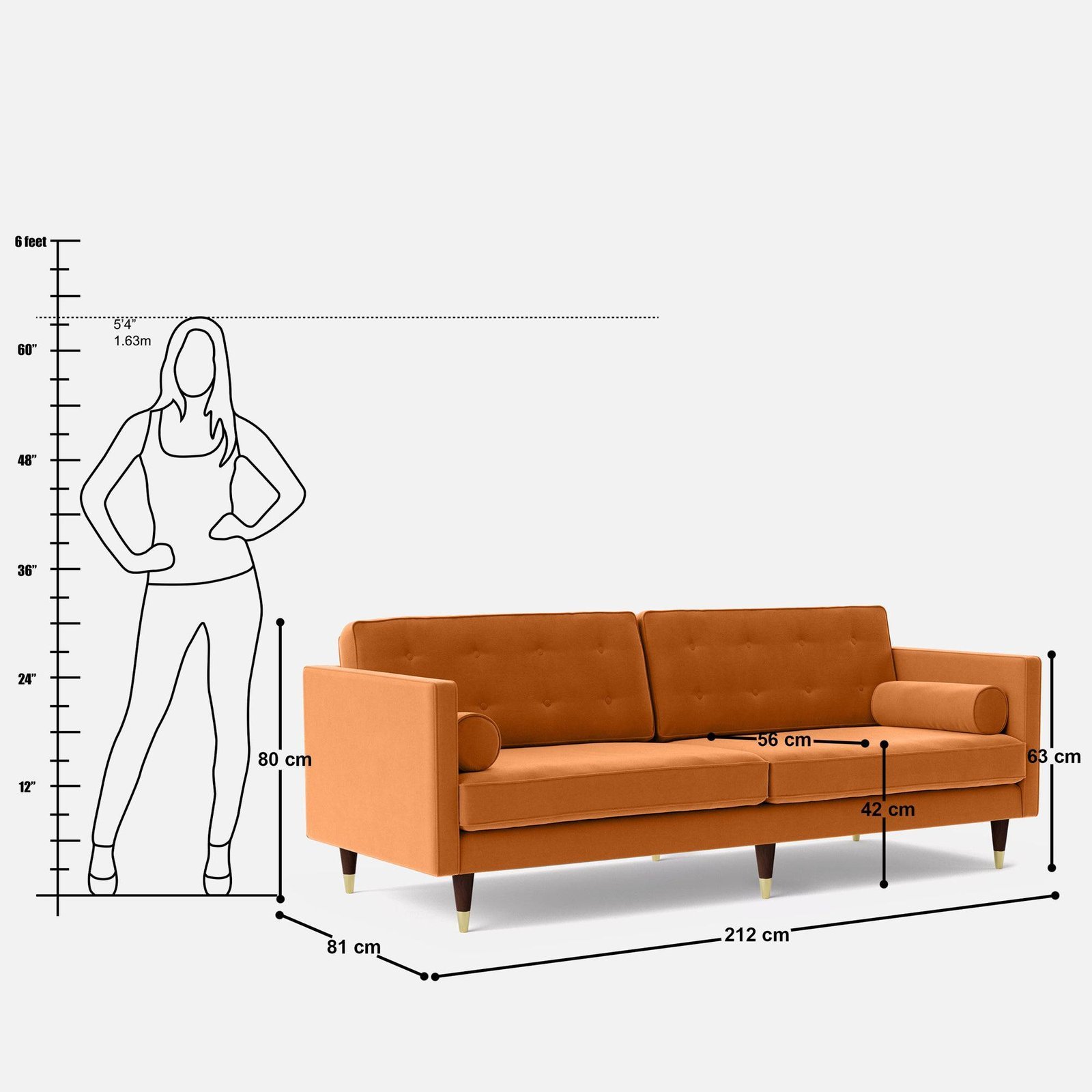
- Measure the total length of your chosen wall, then subtract at least 12 inches to allow for side tables or floor lamps.
- Check the depth of the sofa, which usually ranges from 34 to 40 inches, to ensure it doesn’t obstruct walkways in your home.
- Verify the height of your doorways and hallways to ensure the frame can pass through easily during delivery.
- Account for the armrest style, as rolled arms add significantly more width than track arms, even if the seating area is the same.
- Use painter’s tape on your floor to outline the sofa’s footprint, helping you visualize how it fits in your specific layout.
Tip: If you’re buying a sofa for a tight apartment, look for models with removable legs or back cushions to make moving easier.
Tip: Avoid placing a sofa directly against a radiator or heat vent to prevent material damage.
Measuring Your Living Space
The time it takes to select the correct size involves careful planning rather than a physical task. You should spend time mapping your room to avoid returns, as furniture delivery is often costly and complex.
| Situation | Typical Time | What changes it | What to watch for |
|---|---|---|---|
| Small apartment | 30 minutes | Room layout | Doorway clearance |
| Large living room | 15 minutes | Furniture grouping | Traffic flow paths |
| Open-plan space | 20 minutes | Visual balance | Focal point alignment |
If measuring takes longer than expected, it’s usually because you’re trying to fit multiple pieces of furniture into one room.
Determining When You Have Finished
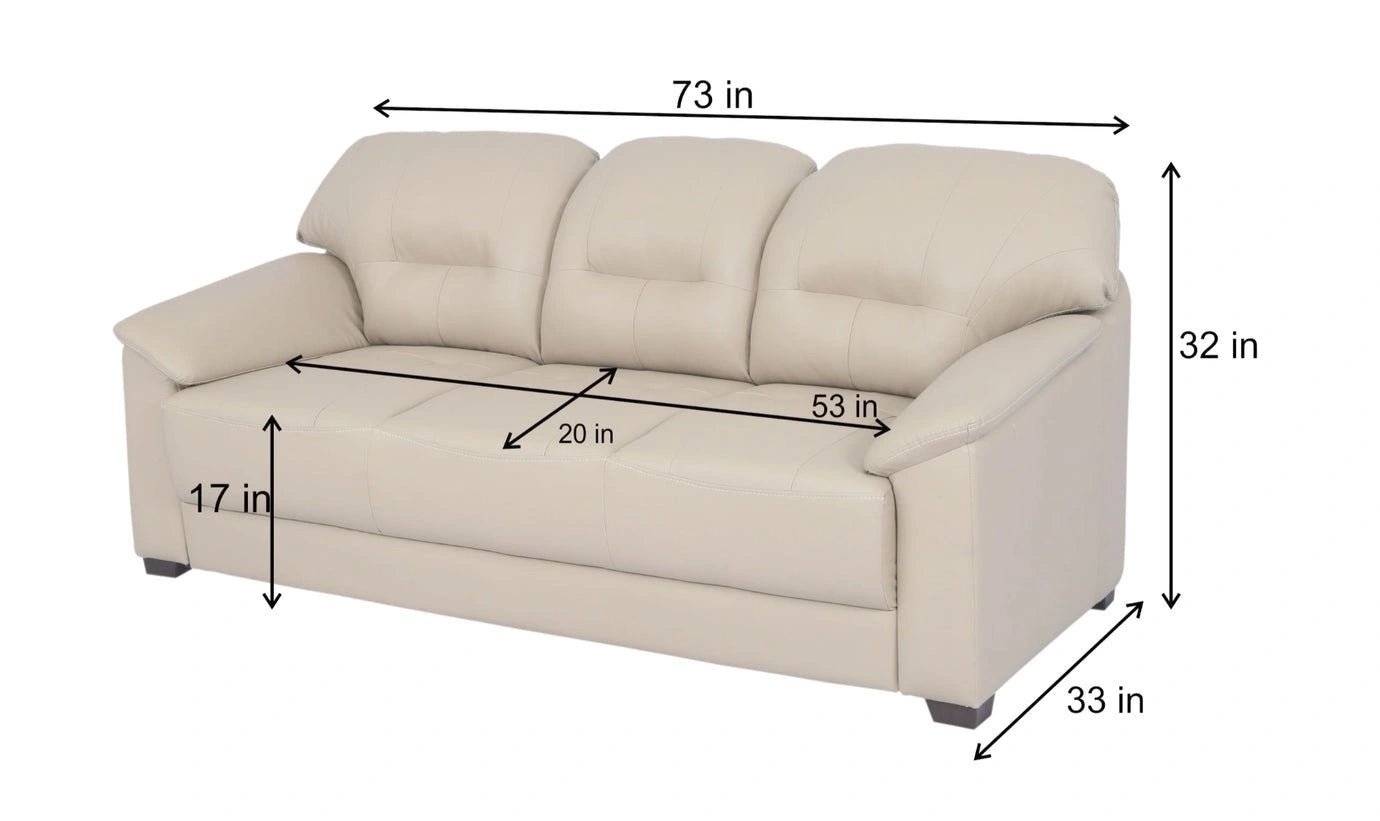
You know you have the right length when the sofa occupies no more than two-thirds of the wall it sits against, leaving enough room for end tables. The visual weight should feel balanced; if the furniture feels like it’s crowding the room, the piece is likely too long for the space. A reliable test is to place a chair or a box at the end of your tape outline to see if you can still walk past it comfortably. If you can’t walk through your room without turning sideways, the sofa length is excessive for your floor plan.
Mistakes That Ruin Your Purchase
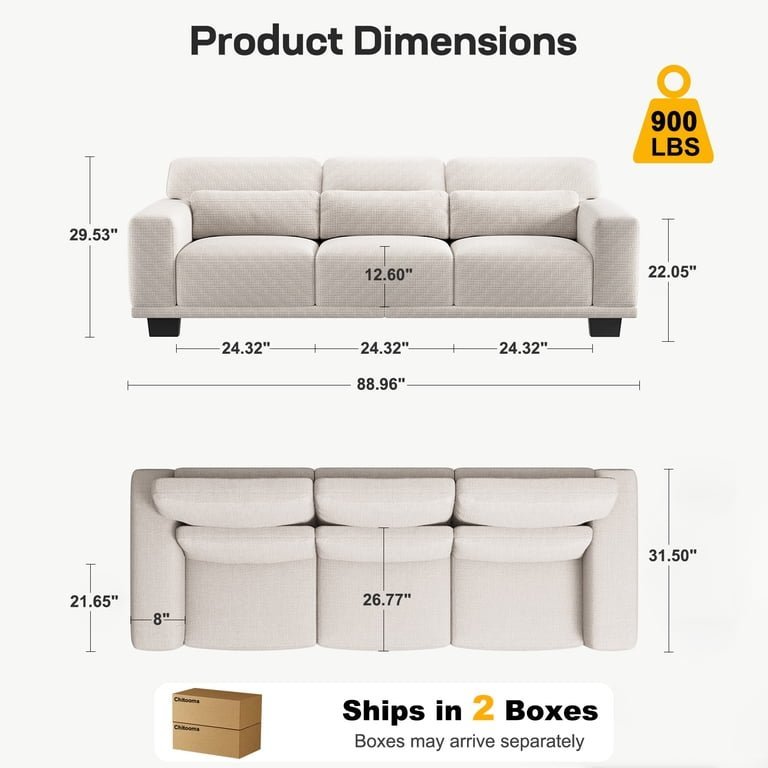
- Ignoring the armrest width: Many people measure the seat cushions and ignore the frame, which can add up to 10 inches of unexpected length. Always measure from the outermost edge of the frame to ensure a perfect fit.
- Forgetting to measure doorways: A massive sofa is useless if it can’t physically enter your home or turn a corner in your hallway. Before ordering, measure the narrowest point of your entry path to avoid a failed delivery.
- Overlooking the depth: A sofa that’s too deep for a small room will make the space look tiny and cluttered. Always check the total depth to ensure you have enough clearance for walking and opening nearby cabinets.
Can a 3 seater sofa be shorter than 78 inches?
Yes, some compact models are as short as 72 inches, though these are often called “apartment size” sofas. These pieces have narrower arms and shallower seats to save space. Always check the manufacturer’s spec sheet to see if the length includes the armrests or just the seating area.
How much space should I leave around a sofa?
You should leave at least 18 to 24 inches of clearance around the front of the sofa for walking paths. If you place a coffee table in front, allow 14 to 18 inches between the table and the seat for comfortable leg room and easy movement.
Is it safe to buy a sofa that just barely fits?
It isn’t recommended to buy a sofa that fits perfectly wall-to-wall because it makes the room feel static and cramped. Aim for a gap of at least 6 inches on each side to allow for curtains, floor lamps, or simply to give the furniture room to breathe.
How do I know if the sofa is too big for my room?
A sofa is too big if it blocks natural traffic patterns or makes it difficult to open windows and doors. If you feel like you have to navigate an obstacle course to sit down, the sofa is likely overpowering the room’s actual dimensions.
What happens if the sofa is too long for my hallway?
If the sofa is too long to turn a corner during delivery, you may have to pay a restocking fee or hire professional movers to hoist it through a window. Measure your hallway’s tightest corner diagonal width to confirm if a standard 3 seater can actually navigate the turn.
Does the seat count affect the length?
A 3 seater sofa is defined by three cushions, but the total length depends on the arm style. A track-arm sofa will always be shorter than a rolled-arm sofa, even if they both feature three cushions, because rolled arms flare outward and consume more horizontal space.
Choosing the right length is the most important step in furniture shopping because it determines the comfort and flow of your home. Take your time to measure your walls and entryways, and you’ll find a piece that fits perfectly.
Standard length, in short
Before you head to the store, grab a piece of painter’s tape and mark these dimensions directly onto your living room floor. It’s the best way to see how the piece will actually fit in your space. You’ll feel much more confident once you’ve visualized the layout before making your final choice.
Related guides