
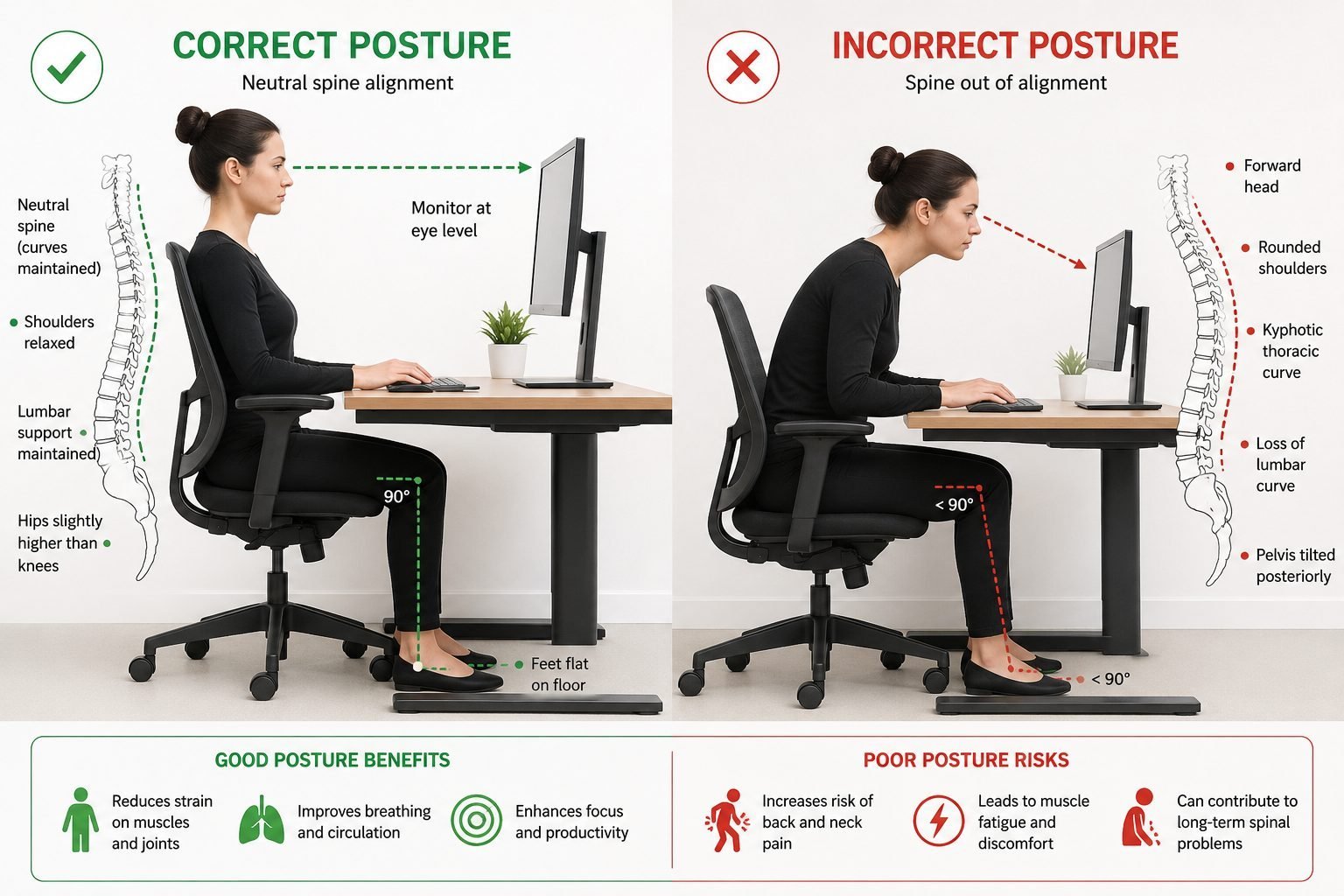
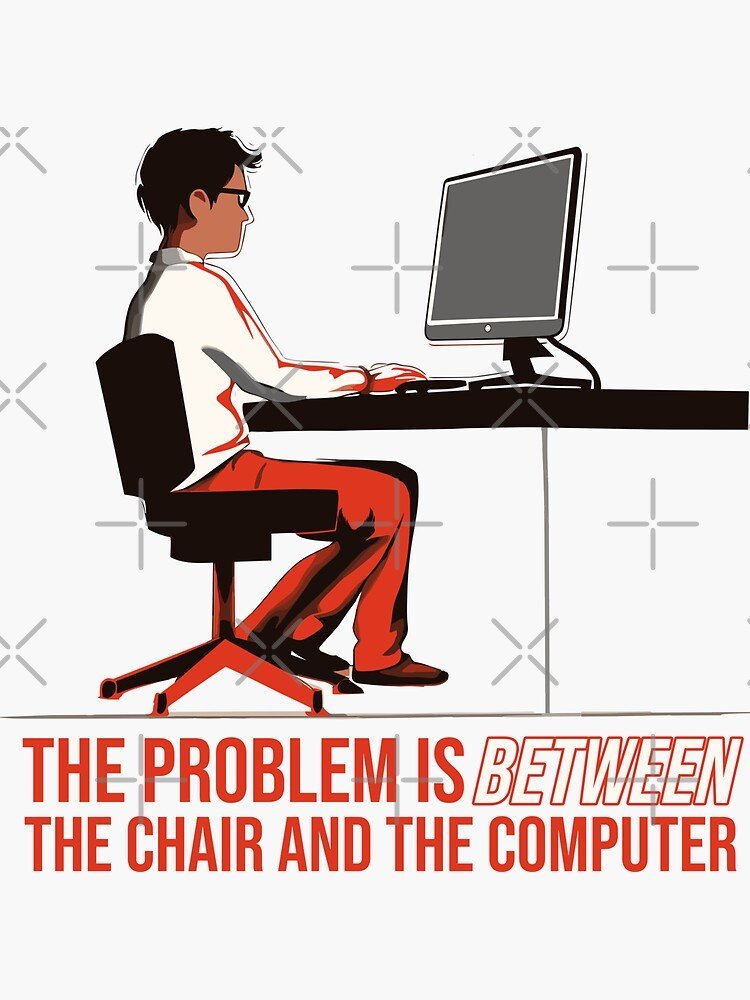
The most common reason for a problem between computer and chair is simply poor ergonomic setup, which occurs in nearly every office setting where a user doesn’t adjust their gear to fit their body. You can confirm this by checking your posture against standard neutral sitting positions.
Solving the problem between computer and chair
| Cause | How common | How to confirm it | Fix it yourself? |
|---|---|---|---|
| Bad seat height | Very common | Feet don’t touch floor | Yes |
| Screen distance | Very common | Eye strain or leaning | Yes |
| Lumbar support | Common | Back pain while sitting | Yes |
| Desk height | Common | Shoulders feel tense | Yes |
| Monitor angle | Frequent | Neck stiffness or pain | Yes |
| Faulty mechanism | Rare | Chair parts feel loose | No |
Most users adjust their chair height once and never revisit it. If your thighs aren’t parallel to the floor, you create unnecessary pressure on your lower back.
Check your screen distance by extending your arm. If you can’t touch the screen with your fingertips, you’re likely leaning forward, which forces your spine into a C-curve.
The most common mistake is ignoring shoulder tension. If your shoulders are hiked toward your ears, your desk is too high. Lower your chair until your elbows rest at a 90-degree angle.
If you feel sharp, localized pain in your lumbar region, your support is likely positioned too high or too low. It should sit flush against the natural curve of your lower spine. If the pain persists after adjustments, you’re likely dealing with a faulty mechanism that requires professional repair or a complete chair replacement.
Incorrect seat height adjustment
Poor seat height is the primary factor when your body feels unsupported during long work sessions. This issue happens because your chair is either too high, which cuts off circulation under your thighs, or too low, forcing your knees into an unnatural angle. To test this, sit with your feet flat on the floor and your thighs parallel to the ground; if your heels lift or your knees press into the seat edge, the height is wrong. Adjust the lever under your seat until your feet rest firmly and your hips are slightly above your knees. This adjustment takes seconds and costs nothing but focus. If you’re very short, you may need a footrest to keep your legs at the correct ninety-degree angle.
Improper screen placement
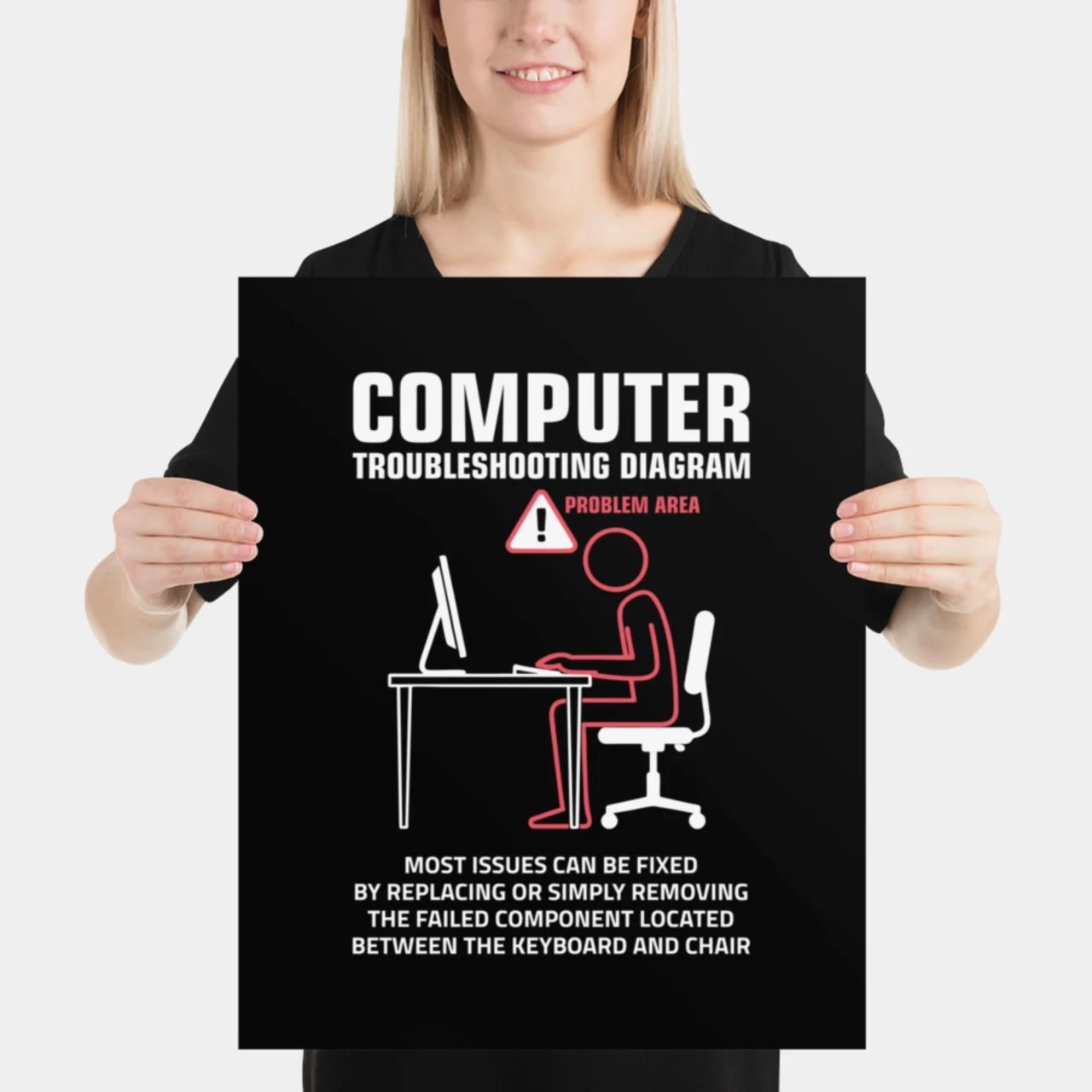
Screen placement is the second major source of discomfort because it forces your neck into a permanent tilt. You can tell this is the cause if you feel tension in your upper traps or neck after thirty minutes of work. The top of your monitor should be at or slightly below eye level so you look straight ahead, not down. According to the Occupational Safety and Health Administration computer workstation guidance, your monitor should be about an arm’s length away to reduce visual fatigue. If your screen is too close, you’ll squint; if it’s too far, you’ll lean forward, which creates a curve in your spine. Adjust the stand or use a stack of books to reach the correct height.
Lack of lumbar support
Lumbar support failure occurs when your lower back loses its natural curve, leading to muscle fatigue. This happens when the backrest doesn’t match the shape of your spine. If you feel like you’re slouching or sliding forward, your chair is likely missing the necessary support for your lower vertebrae. Place a small, firm pillow or a dedicated lumbar roll against the base of the backrest to fill the gap between your spine and the chair. If X, do A: if the chair has an adjustable depth, move it to support your lower back. If Y, do B: if the chair is fixed, use the external roll. This isn’t for people who prefer a reclined position, as it only works when sitting upright.
The less likely causes

- Armrest height: If your shoulders are hiked up or dropping too low, adjust the armrests so your elbows rest at a ninety-degree angle.
- Worn-out seat foam: When you feel the hard frame of the chair through the cushion, it’s time for a new seat pad or a replacement chair.
- Improper keyboard position: If you reach too far, your wrists will bend, which leads to long-term strain; keep the keyboard close to your body.
- Loose tilt tension: If the chair reclines too easily or feels unstable, tighten the tension knob under the seat to match your body weight.
- Broken gas cylinder: If the chair sinks while you’re sitting, the internal seal has failed and a professional must replace the entire lift mechanism.
What a fix usually involves
Most ergonomic fixes involve simple adjustments that require no tools and no expense. You can often resolve discomfort by simply shifting your monitor height or adjusting your seat pan depth.
If you need a lumbar roll or a footrest, these are small parts that cost a fraction of a new office chair. If your chair is broken, the fix depends on the specific component. Replacing a wheel or a knob is cheap, while replacing a gas cylinder is a significant repair.
A common mistake is assuming a broken cylinder means the entire chair is trash. In reality, most cylinders are universal and are a cheap part. Check your chair’s manual or the manufacturer’s website to see if parts are available. If you see a model number on the underside of the seat, use it for a search. You can get a real price quote by searching for your chair model and the specific part name online.