
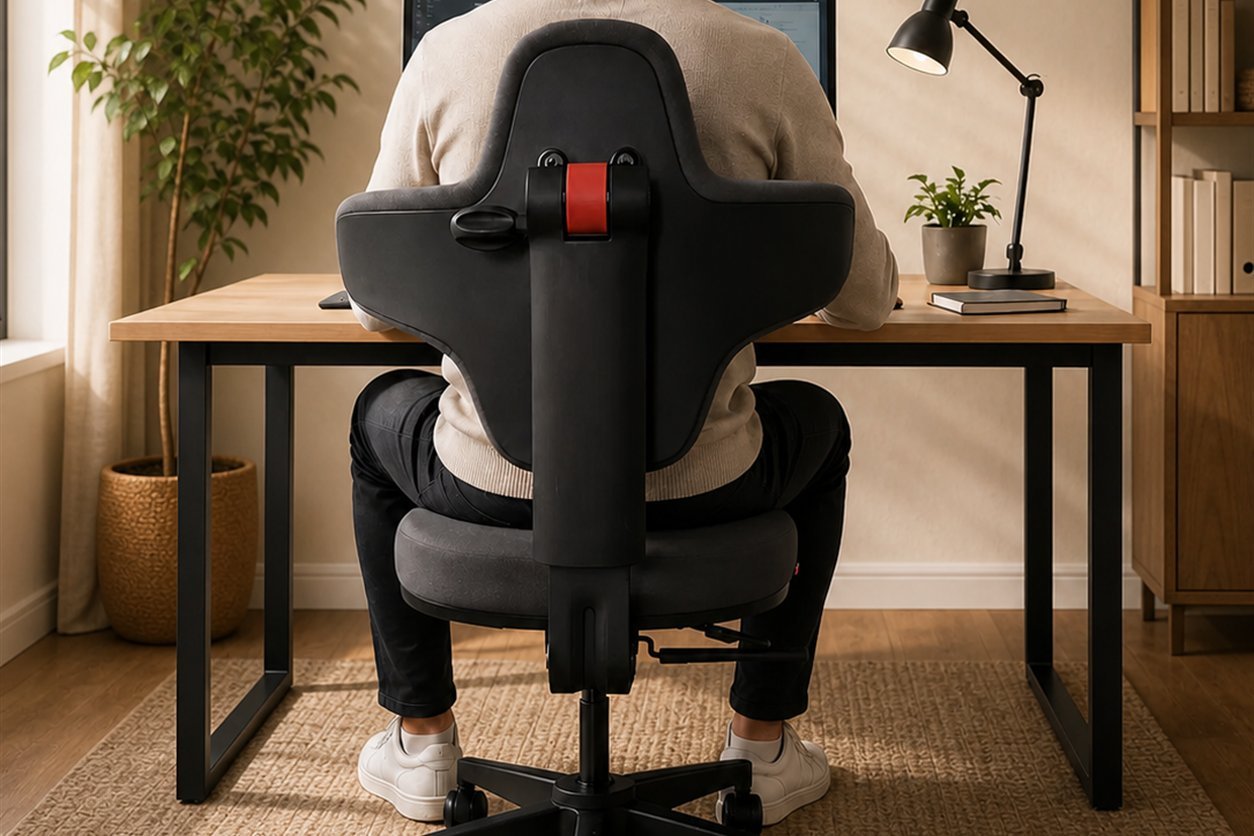
If you ask, “is a seat a chair?” the answer is no. A seat is any surface for sitting, while a chair is a specific piece of furniture with a backrest. Stools and benches are seats, but they lack the support to be chairs.
The short version
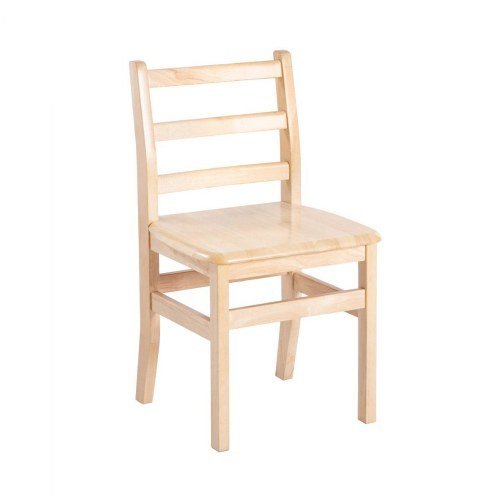
- A seat is a general category, while a chair is a specific furniture item.
- Check for a backrest; if it lacks one, you have a stool or bench.
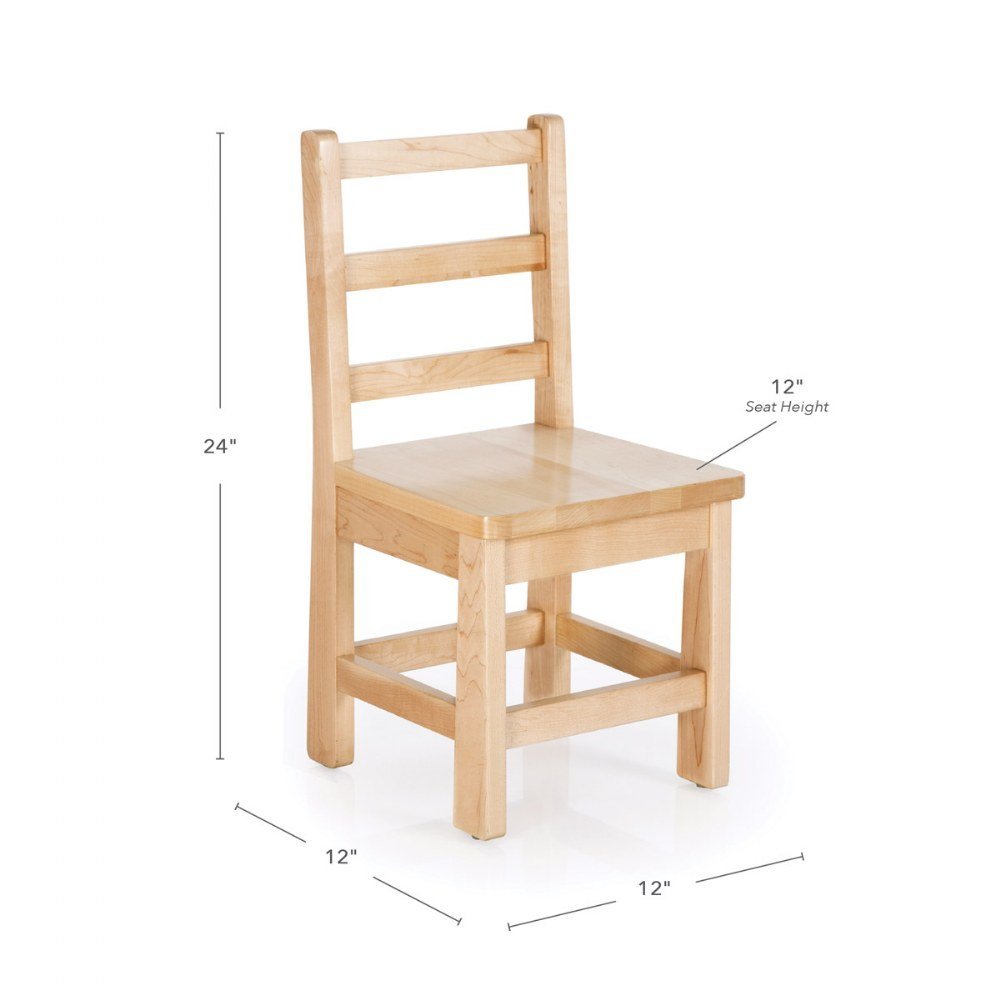
- Standard dining chairs usually measure 18 inches from the floor to the seat.
- Adjust seat height based on your table; 10 to 12 inches of clearance is the norm.
Is a seat a chair? Why they differ
The distinction between these terms relies on design function and structural components. A seat is the broadest term possible, describing any area intended for a person to rest their weight. This includes stadium bleachers, car interiors, and even a rock in a park. Because a seat is a function-based term, it describes what you do with an object rather than the object itself.
A chair, however, requires a specific set of features to earn the name. A chair must possess a backrest to support the spine, which differentiates it from stools, ottomans, or benches. If you remove the backrest, the item loses its status as a chair and becomes a stool. This classification matters for ergonomics, as a backrest provides the lumbar support necessary for prolonged sitting, which a simple seat often fails to provide.
When the answer is different
| Situation | What changes | What to do instead |
|---|---|---|
| No backrest | It’s a stool | Use for short tasks |
| Bench design | Seats two people | Use for social spaces |
| Floor level | It’s a cushion | Use for low tables |
| Folding frame | Stability varies | Check weight limit label |
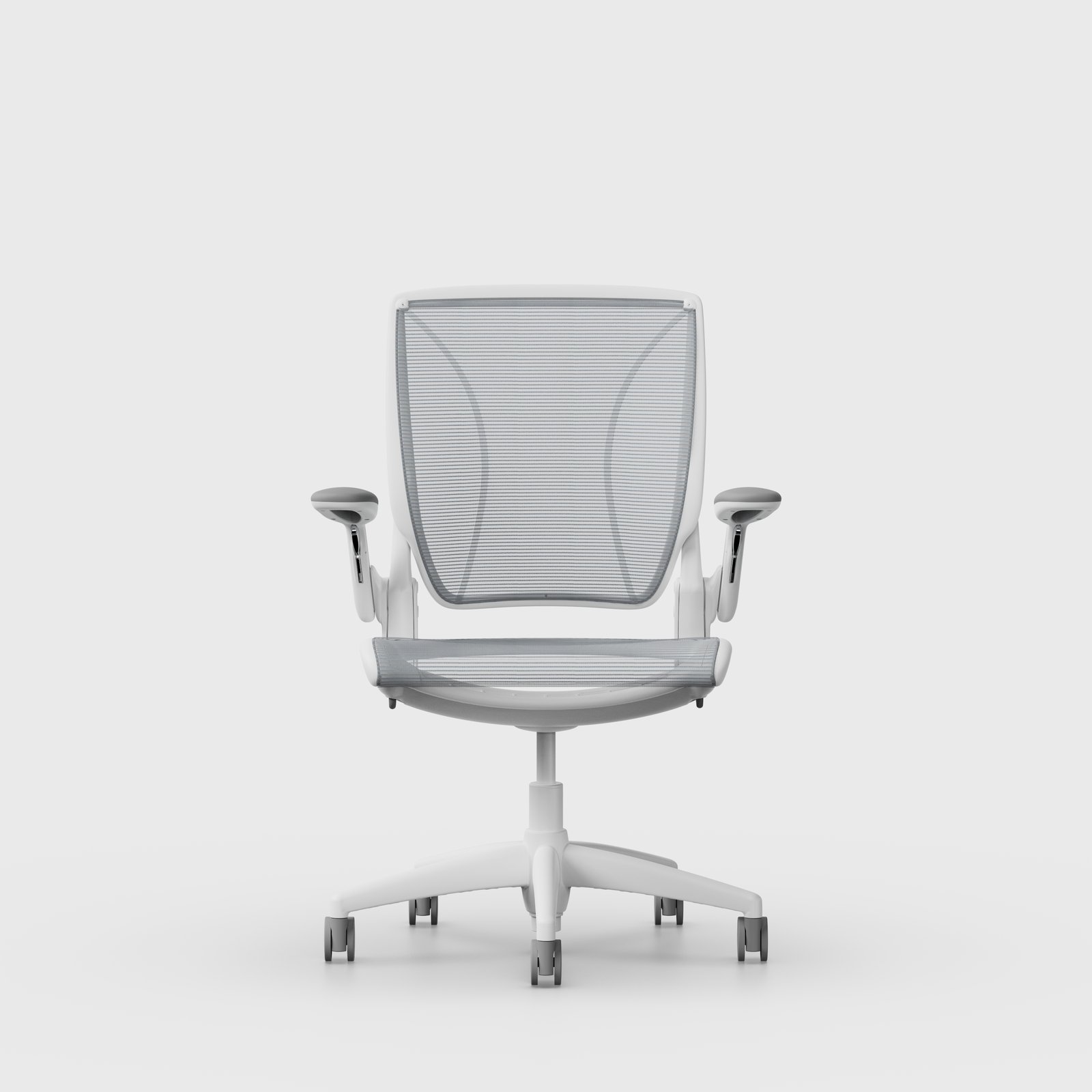
| Office use | Needs adjustment | Look for ergonomic certification |
How to do it properly
- Measure your table height from the floor to the underside to ensure your chair fits underneath comfortably.
- Choose a chair with a seat height of 18 inches if your table is a standard 30 inches tall.
- Test the backrest by sitting upright; your feet should rest flat on the floor with your knees at 90 degrees.
- Verify the width of the chair seat; it should be at least 16 inches wide for an average adult user.
- Check the weight capacity tag located under the seat; don’t exceed the limit specified by the manufacturer for safety.
- Tighten all bolts regularly if you use the chair daily to prevent wobbling or structural failure during use.
The mistakes that ruin it
- Buying chairs that are too high for your table makes it impossible to rest your arms naturally.
- Ignoring the weight limit on a chair frame can lead to sudden structural collapse under pressure.
- Using a stool for long-term computer work causes back strain because it lacks proper lumbar support.
- Placing chairs on uneven flooring creates stress on one leg, which eventually snaps the joint.
Frequently asked questions
Can I call a stool a chair?
No, you can’t call a stool a chair because a stool lacks a backrest. While both are seats, the presence of a backrest is the defining feature that separates a chair from other types of furniture designed for sitting.
Is a sofa considered a chair?
No, a sofa isn’t a chair because it’s designed to seat multiple people.
Why do some seats have no backrest?
Seats lack backrests to allow for 360-degree movement and to save space. Stools are common in kitchens or bars where people move frequently, as the open design makes it easier to mount and dismount the seat quickly.
How long should a chair last?
A chair should last 10 to 15 years if used under normal conditions, but this varies by model — check the label for material durability.
Is it safe to sit on a folding chair long-term?
No, it isn’t safe for long-term use because folding chairs lack the support structure of permanent furniture. You should only use them for temporary events to avoid the risk of the hinge mechanism failing under constant stress.
Does the seat material matter for health?
Yes, the material affects your posture and comfort over time. Breathable fabrics help regulate temperature, while firm padding ensures your pelvis stays aligned, reducing the risk of hip or lower back pain during extended periods of sitting.
Final Thoughts
Next time you’re shopping for furniture, pay close attention to the design. If you’re looking for comfort during long meals, you’ll definitely want that extra back support. Don’t settle for a simple stool when you’re really craving the relaxation that only a proper piece of furniture can provide.