
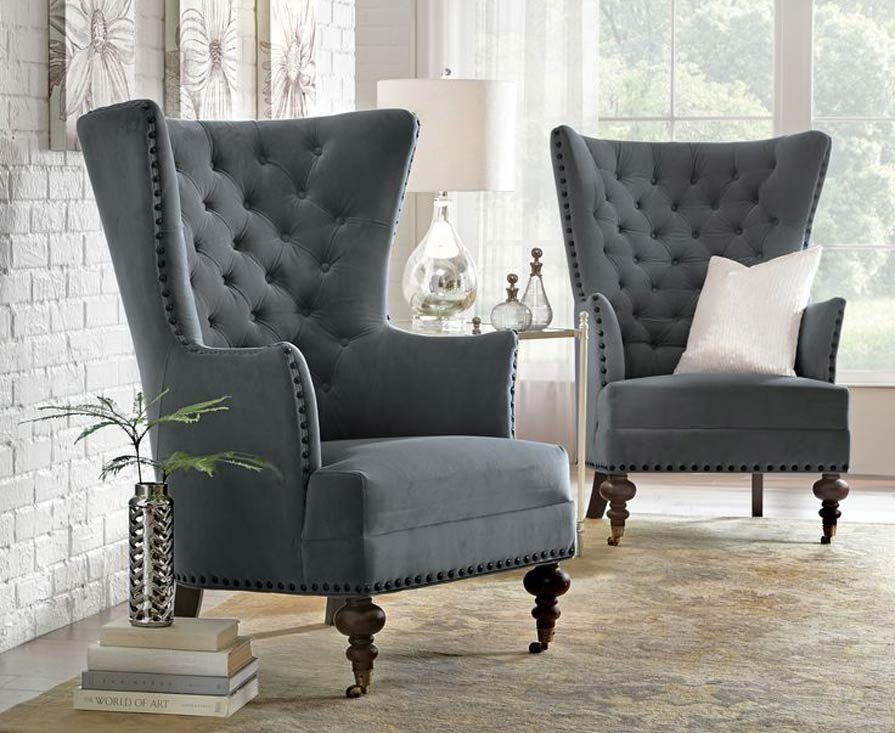
If you are wondering what is an accent chair used for, it provides extra seating and decorative flair. It serves as a functional piece to break up large furniture sets, though its role depends on your home’s layout and space.
The short version
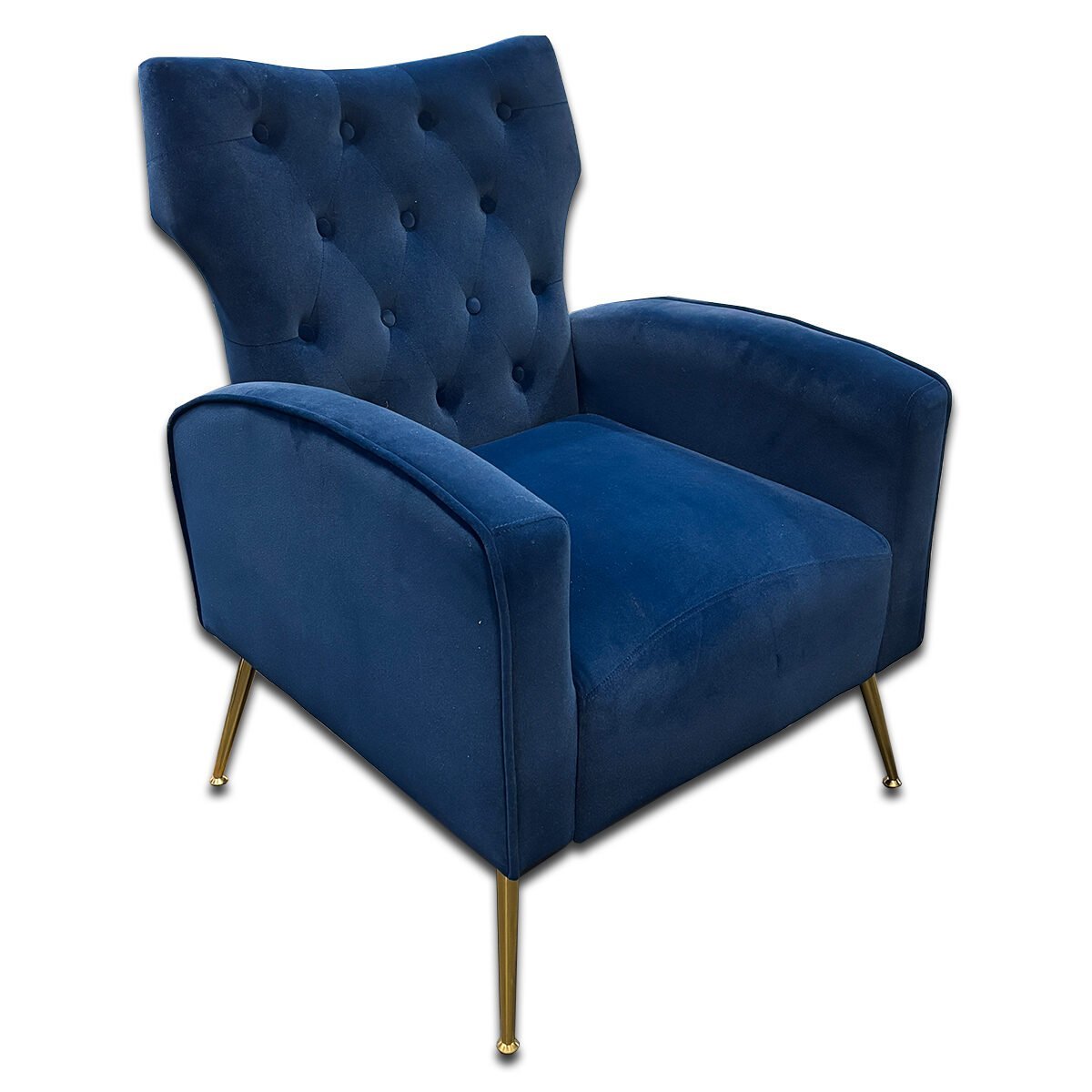
- Fill empty corners to stop a room from looking unfinished.
- Provide a contrast color or texture against neutral sofas.
- Create a dedicated nook for reading or putting on shoes.
- Balance the visual weight of heavy items like sectionals.
- Offer flexible seating when you have extra guests over.
- Check your room dimensions before buying to ensure flow.
Why accent furniture improves home flow
The primary purpose of an accent chair involves visual balance and spatial utility. Most living areas revolve around a large, heavy sofa or sectional that often dominates the floor plan. By placing a lighter chair in an opposing corner or across from the main seating, you pull the eye across the room, which creates a sense of symmetry. This technique prevents the “heavy side” effect where one area of the living room feels cluttered while the rest stays sparse.
Beyond aesthetics, these chairs provide a flexible seat that you can move whenever your needs change. Unlike a fixed sofa, a smaller chair works in a bedroom, a hallway, or a home office. If you’re placing a chair for ergonomic support, check the manufacturer’s specifications to ensure the frame holds weight safely. This varies by model — check the label on the underside for weight limits.
When the answer is different
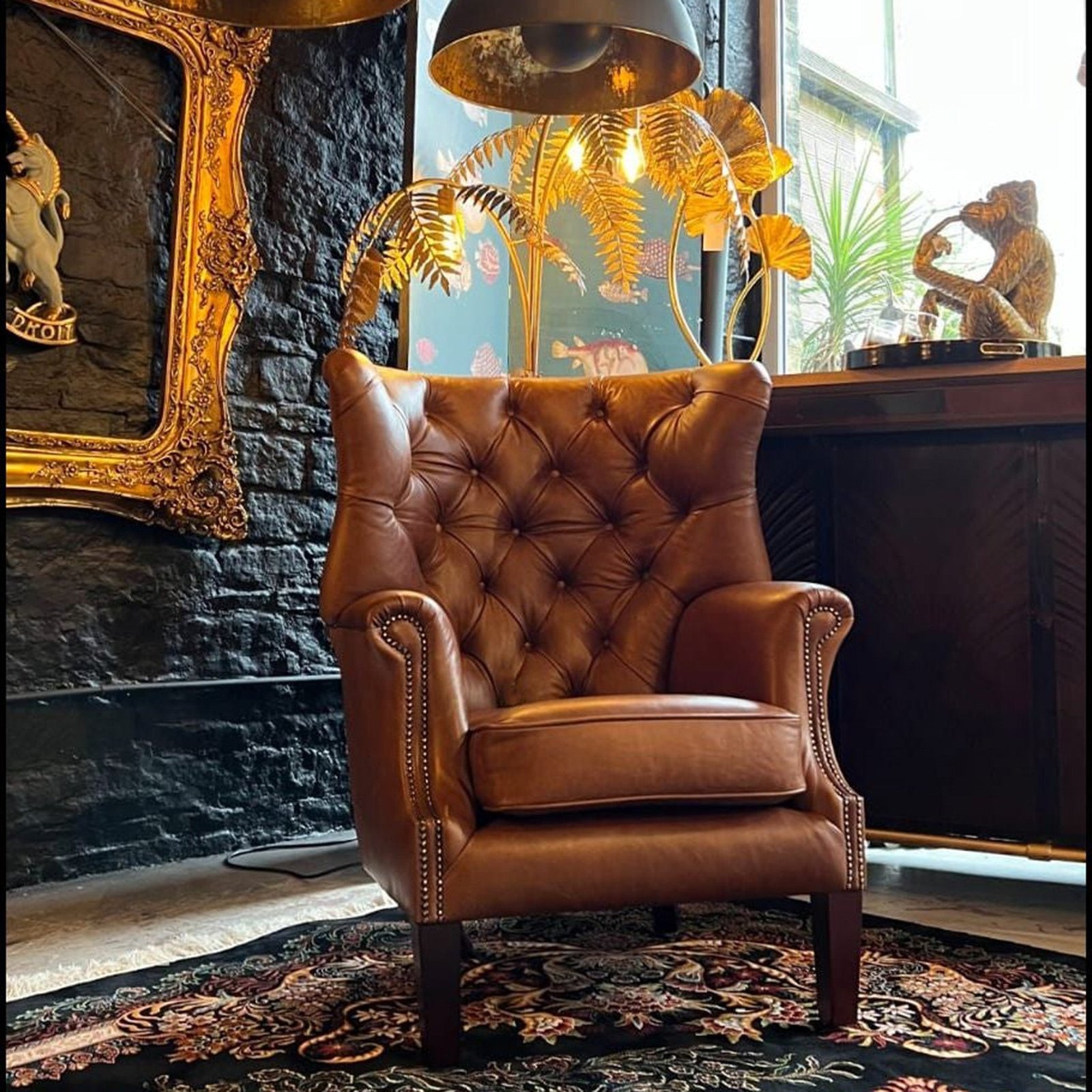
| Situation | What changes | What to do instead |
|---|---|---|
| Small apartments | Floor space is limited | Choose a backless stool |
| Reading nooks | Comfort is the priority | Pick a deep lounge chair |
| Entryway use | Purpose is temporary | Use a firm, upright chair |
| Formal dining | Needs to match table | Buy a pair of chairs |
| High traffic | Durability is key | Choose performance fabric covers |
How to do it properly
- Measure your available floor space, ensuring you leave at least 30 inches of walking room around the chair for safe movement.
- Choose a style that contrasts with your current sofa; if your sofa is solid gray, pick a chair with a pattern.
- Place the chair at a 45-degree angle toward the main seating area to encourage conversation rather than lining it up straight.
- Add a small side table next to the chair, keeping it within 18 inches so guests can easily reach their drinks.
- Position the chair near a light source, such as a floor lamp, if you intend to use the spot for reading.
- Test the seat height by sitting down; your feet should rest flat on the floor with your knees at a 90-degree angle.
The mistakes that ruin it
- Blocking walkways with a chair that’s too wide, which makes the room feel cramped and difficult to navigate.
- Matching the chair fabric exactly to the sofa, which removes the “accent” element and makes the room look like a showroom.
- Ignoring the scale of surrounding items, which leads to a tiny chair getting lost next to a massive, oversized sectional.
- Buying for looks over comfort, which results in a piece of furniture that nobody actually wants to sit in.
Frequently asked questions
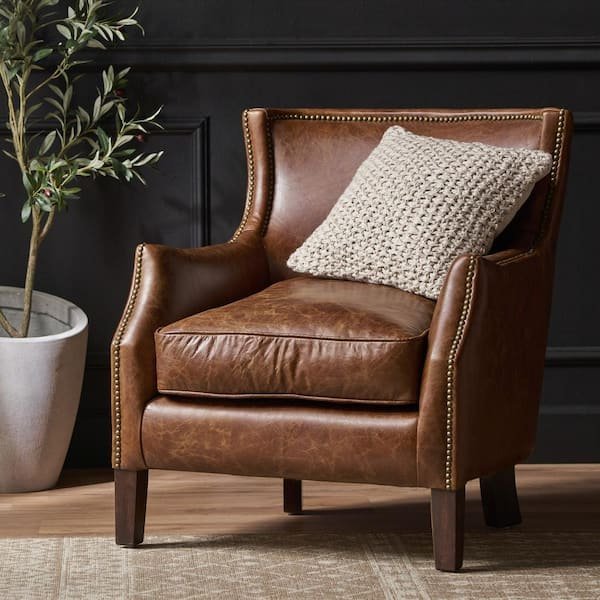
Can I use an accent chair in a small bedroom?
Yes, you can use one in a small bedroom to create a quiet reading spot. If your space is tight, choose a chair with thin legs and an open frame to keep the floor visible, which makes the room feel much larger.
How do I know if the chair is comfortable?
You should sit in the chair for at least five minutes to test the back support and seat depth. If your feet dangle or your back feels unsupported, the chair is likely too deep or too high for your body type.
Is it safe to place an accent chair on a rug?
Yes, placing a chair on a rug is safe as long as the rug is large enough to hold all four legs. If only the front legs are on the rug, the chair might wobble, which creates a trip hazard for guests.
What happens if the chair doesn’t match my sofa?
It’s perfectly fine if the chair doesn’t match, as contrast is the main goal. Use a color wheel to find a shade that complements your sofa’s undertones without trying to be an exact match.
Does it matter if the chair has arms?
It depends on how you plan to use it. Chairs with arms are better for relaxing and reading, while armless chairs are better for small spaces or as extra seating at a dining table.
How long should an accent chair last?
This varies by model — check the manufacturer’s warranty documentation to see the expected lifespan based on the materials used in the frame and cushion.
Final Thoughts
Ultimately, these versatile pieces bring both comfort and personality to any empty corner. If you’re feeling inspired, try moving a chair from your bedroom to the living room today. You’ll be surprised by how a simple shift in placement makes your space feel brand new and truly complete.