

Learning how to make accent chair designs requires basic woodworking skills, patience, and attention to detail. You build a sturdy frame from kiln-dried hardwood, attach webbing, add high-density foam, and finish with upholstery fabric to complete the project in roughly twenty hours.
Tools to make your accent chair
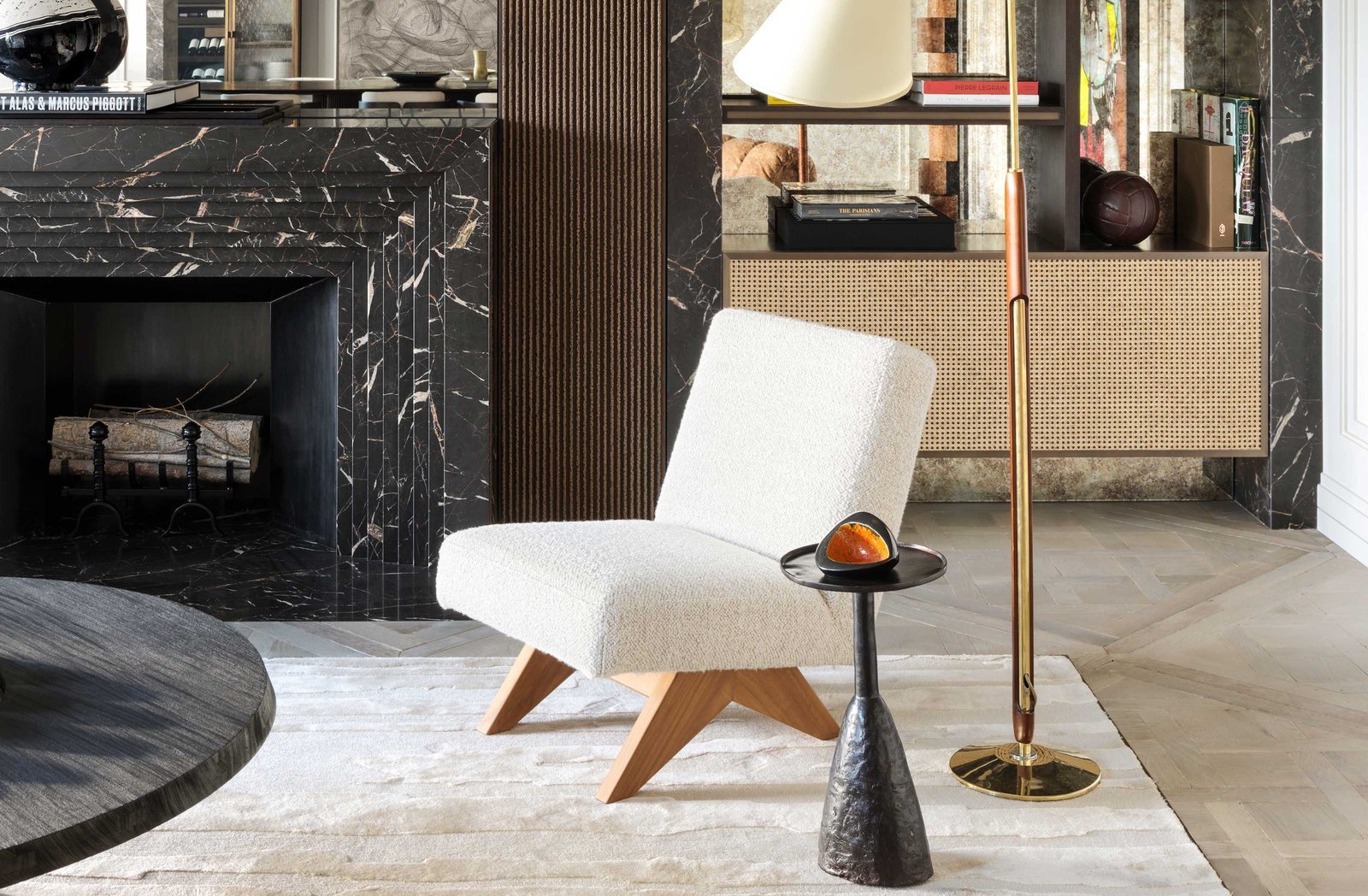
- Kiln-dried lumber: Oak or maple for the frame (avoid pine for structural parts).
- Jute webbing: For the seat base support.
- High-density upholstery foam: 4-inch thick for the seat, 2-inch for the back.
- Upholstery fabric: Durable grade with a heavy rub count.
- Staple gun: Industrial air-powered or heavy-duty manual model.
- Wood glue: PVA type for strong joints.
- Upholstery tacks: For securing fabric edges cleanly.
If you lack woodworking tools, you can rent them from local tool libraries, but always confirm safety certifications for power equipment via the Consumer Product Safety Commission guidelines.
Step-by-step
- Measure and cut your hardwood to create a rectangular base frame and four tapered legs.
- Assemble the frame using wood glue and pocket screws, ensuring all corners are perfectly square.
- Stretch jute webbing across the seat opening in a basket-weave pattern, stapling it tightly to the frame underside.
- Apply spray adhesive to the foam and press it firmly onto the webbing and the wooden backrest.
- Cut your fabric with a 3-inch margin around each piece to allow for stretching and stapling.
- Staple the fabric to the frame starting from the center of each side and working toward the corners.
- Fold the corners into neat pleats, securing them with extra staples or decorative upholstery tacks for a finished look.
- Attach the legs to the base frame using heavy-duty bolts and washers to prevent wobbling over time.
Tip: Pull the fabric tight as you staple, but don’t stretch it so hard that the pattern distorts.
Careful: Never use standard wood glue for load-bearing joints; always use high-strength PVA or epoxy to avoid structural failure.
Variations in build time
The time and effort required change based on your experience level and the complexity of the chair design.
Start with a simple, straight-legged design to master the basics before attempting complex curves or tufting.
How to tell you did it right
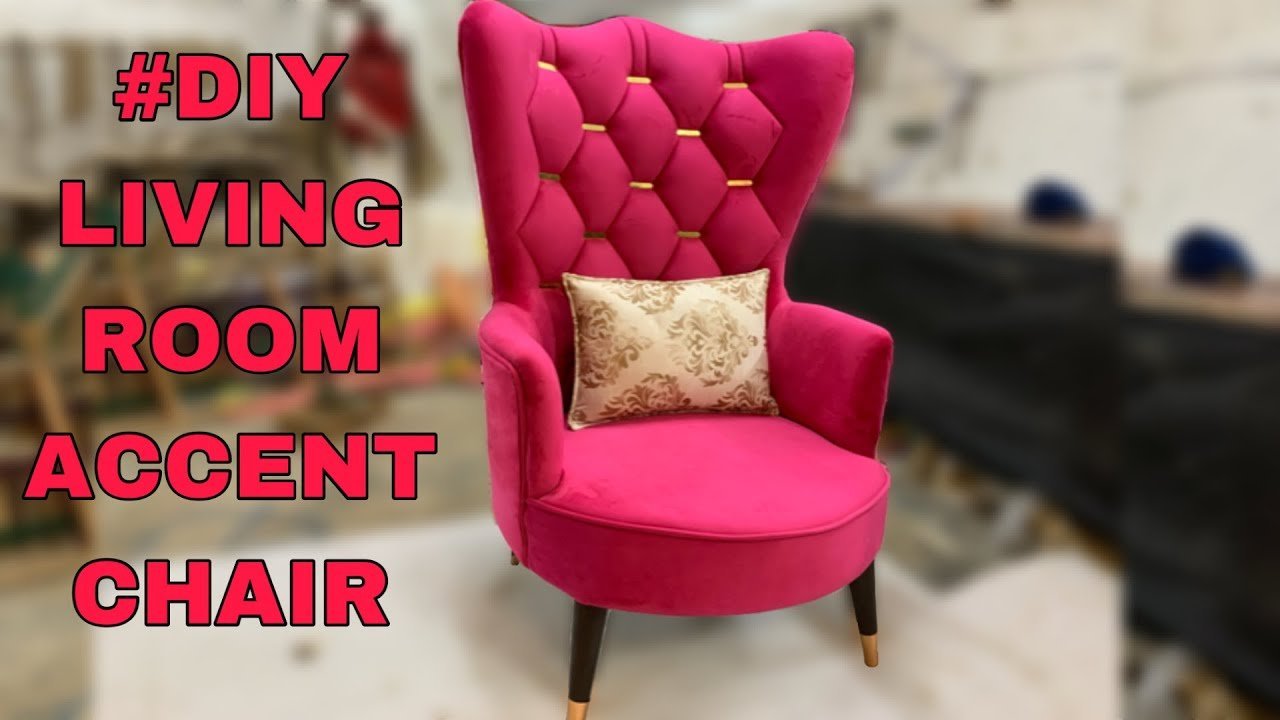
A well-made chair feels solid and doesn’t wobble when you sit down. The fabric should be smooth, with no sagging or loose wrinkles across the seat surface. If the fabric ripples, it usually means the tension was uneven during the stapling process. You prevent this by pulling from the center of each side outward toward the corners, ensuring you maintain equal force. Poor results often stem from rushing the frame assembly, which leads to a chair that creaks or leans after only a few months of light use.
Structural standards and care
Follow the safety standards for furniture stability to ensure your frame can support adult weight safely. Keep the frame away from damp areas to prevent wood warping, and vacuum the upholstery regularly to remove dust that wears down fabric fibers. If you use the chair daily, check the leg bolts whenever you notice them feeling loose. For professional guidance on material safety and fire-retardant requirements, consult your local fire marshal or consumer safety agency.
Alternative building methods
Pre-made frame kits
Purchase a pre-assembled wooden skeleton online. This removes the need for complex joinery, letting you focus entirely on the upholstery process. It saves time but limits your ability to customize the chair’s dimensions.
Refurbishing vintage finds
Strip an old chair to its original frame and replace the webbing and padding. This is often cheaper than building from scratch and provides a proven structure, though it requires extra work for demolition.
Minimalist modular design
Create a simple box frame from plywood and use thick cushions instead of traditional upholstery. This is the fastest route for beginners, though it lacks the classic look of a traditional wood-framed accent chair.
Frequently asked questions

Can I use pine for the frame?
No, avoid pine because it’s too soft and can cause the joints to loosen over time. Use hardwoods like oak or maple to ensure the structure remains rigid and safe for daily use by adults.
How long does the fabric last?
The fabric typically lasts five to ten years depending on the material quality and usage. You can extend its life by choosing high-rub-count fabrics and avoiding direct sunlight, which causes colors to fade and fibers to weaken.
Is it safe to build without glue?
No, never skip the glue on structural joints. Screws alone will eventually pull through the wood grain as the chair experiences movement, leading to a dangerous collapse. Glue provides the permanent bond necessary for long-term stability.
What happens if the legs are uneven?
Uneven legs cause the chair to rock, which puts uneven stress on the frame joints. You must level the base before attaching the seat, or the chair will eventually break under the pressure of the weight shift.
How much fabric do I need?
You generally need about three yards of fabric for a standard accent chair. Always buy an extra half-yard to account for pattern matching and potential mistakes during the cutting process, as fabric dye lots can vary.
Final Thoughts
Once you’ve smoothed the final seam, take a moment to admire your hard work. Place your creation in a quiet corner and style it with a soft throw blanket or a decorative pillow. You’ll be surprised at how much warmth a handcrafted piece brings to your home’s overall look.
Related guides