
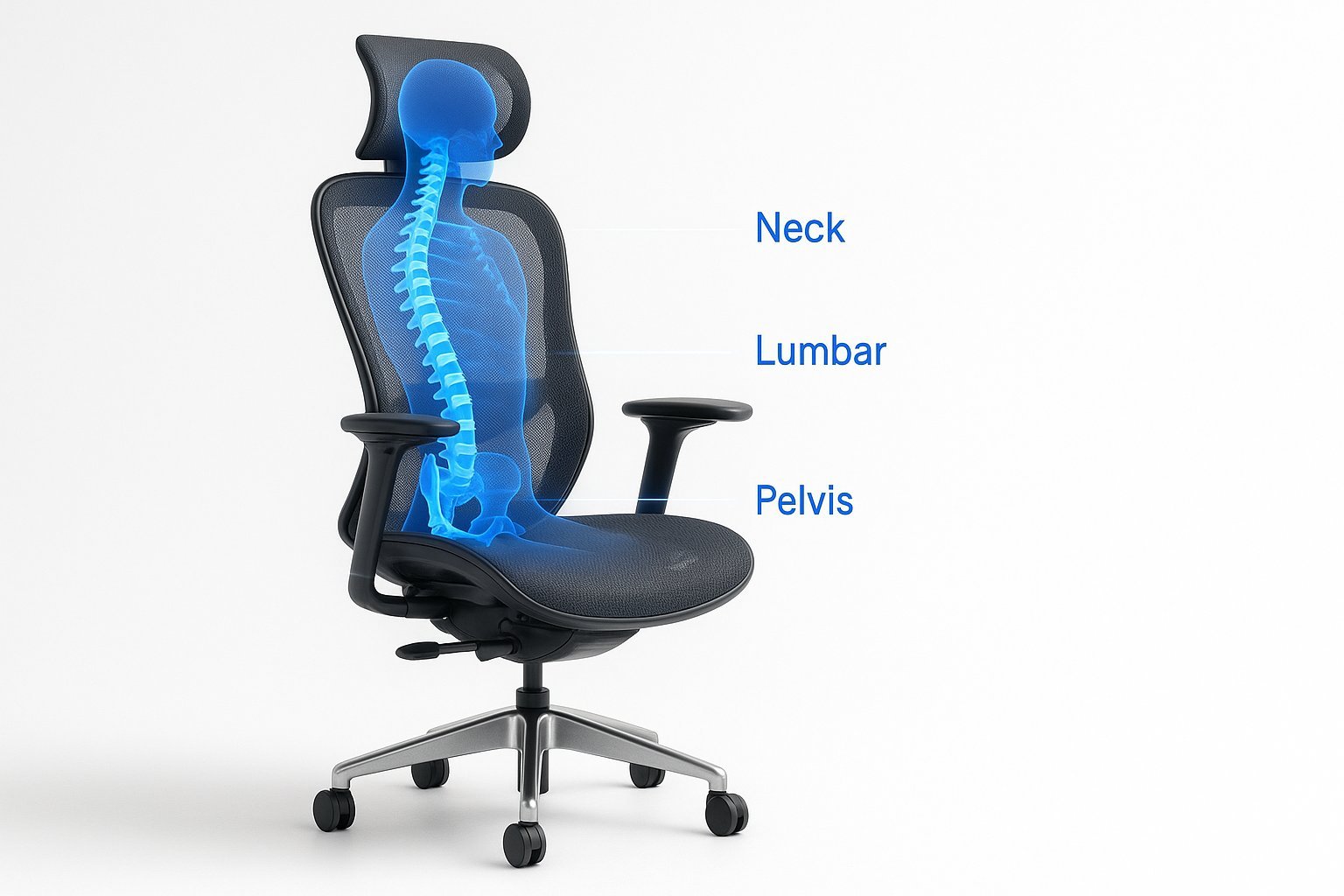
Finding a good office chair for back problems means choosing an adjustable model that supports your lumbar curve and keeps your feet flat on the floor. If you have chronic pain, consult a physical therapist before choosing; if you need daily comfort, focus on seat depth.
Finding a good office chair for back problems
Selecting the right chair depends on your physical needs and your workspace setup. Most standard office chairs offer basic height, while specialized ergonomic designs provide dynamic support.
| Method | How long | Effort | Cost | Best for |
|---|---|---|---|---|
| Ergonomic task chair | Lifetime | Low | High | Daily desk work |
| Kneeling chair | Short sessions | Medium | Medium | Active posture |
| Exercise ball | 30 minutes | High | Low | Core engagement |
The primary mistake users make is choosing a chair based on aesthetics rather than their specific task duration. If you spend over six hours at a desk, prioritize an ergonomic chair with adjustable lumbar support to prevent chronic spinal compression.
Use the exercise ball only if you have a strong core and can commit to switching positions every thirty minutes. If you experience lower back pain after an hour, revert to a chair with a backrest immediately. The decision rule is simple: if your work requires deep focus, choose the ergonomic chair. If your work involves frequent movement or short bursts of activity, the kneeling chair offers the best balance of comfort and postural alignment.
Adjustable ergonomic task seating
This remains the most common choice for office workers needing consistent spinal support. Proper adjustment prevents muscle fatigue over long periods.
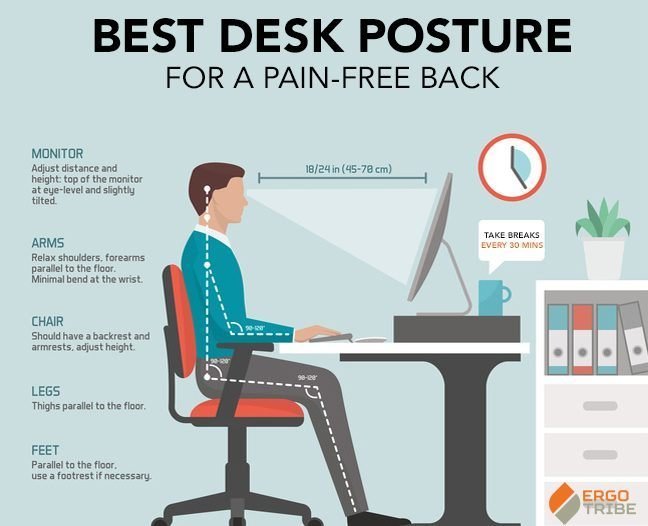
- Adjust seat height so your knees form a ninety-degree angle.
- Position the lumbar support to match the natural curve of your lower back.
- Set armrests so your shoulders stay relaxed while typing.
- Tilt the backrest slightly to reduce pressure on your discs.
These chairs help maintain a neutral spine, which is vital for long-term health. The ANSI/HFES 100-2007 Human Factors Engineering of Computer Workstations standard provides the baseline for these designs. These chairs are great for stability, but they aren’t for those who need constant movement to stay comfortable.
Active kneeling supports
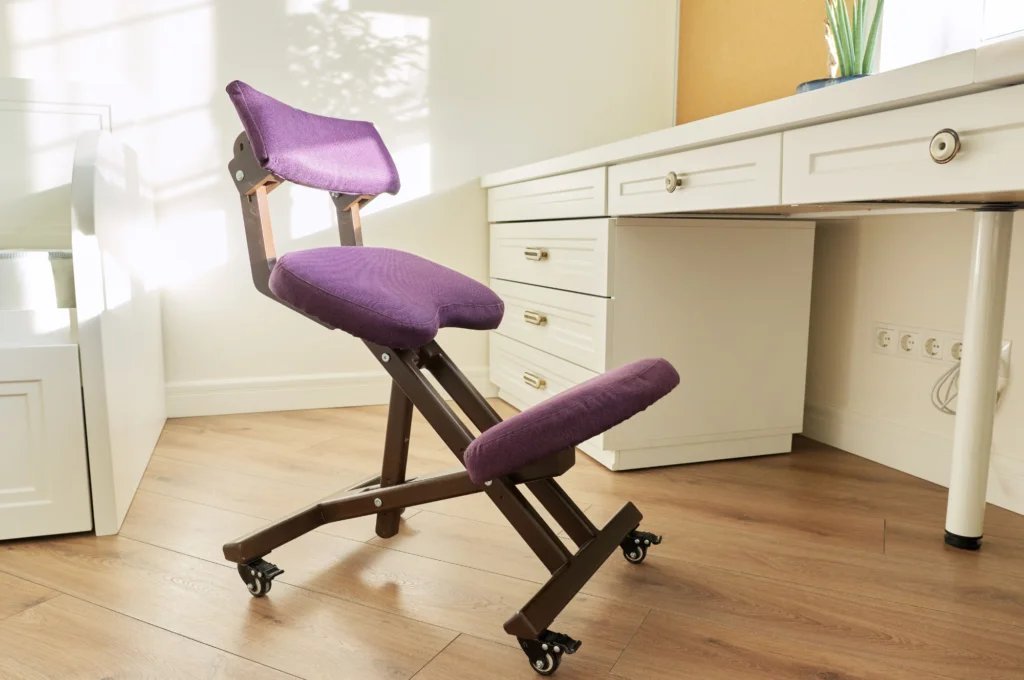
Kneeling chairs shift your weight forward to open the hip angle and encourage a straighter spine. This design forces you to engage your core muscles throughout the day.
- Place your shins on the lower padded platform.
- Align your hips with your knees to prevent slouching.
- Move your feet slightly to change the pressure on your shins.
- Stand up every hour to stretch your legs.
This setup helps people who feel stiff in traditional chairs. It isn’t for anyone with knee injuries or limited lower body mobility. Be aware that you’ll need a desk that adjusts to a lower height, as these chairs sit lower than standard models.
Stability ball seating
Using a large exercise ball as a chair forces your body to find its own balance. This keeps your muscles working and prevents the “slump” that happens in fixed chairs.
- Inflate the ball until your hips are slightly higher than your knees.
- Sit tall with your feet spread wide for stability.
- Engage your core to keep your spine in a neutral position.
- Limit use to twenty or thirty minutes to avoid muscle strain.
This method is excellent for short bursts of movement, but it isn’t for all-day use. If you have poor balance, this carries a real risk of falling. This varies by model — check the label for weight capacity and diameter.
Which one should you use?
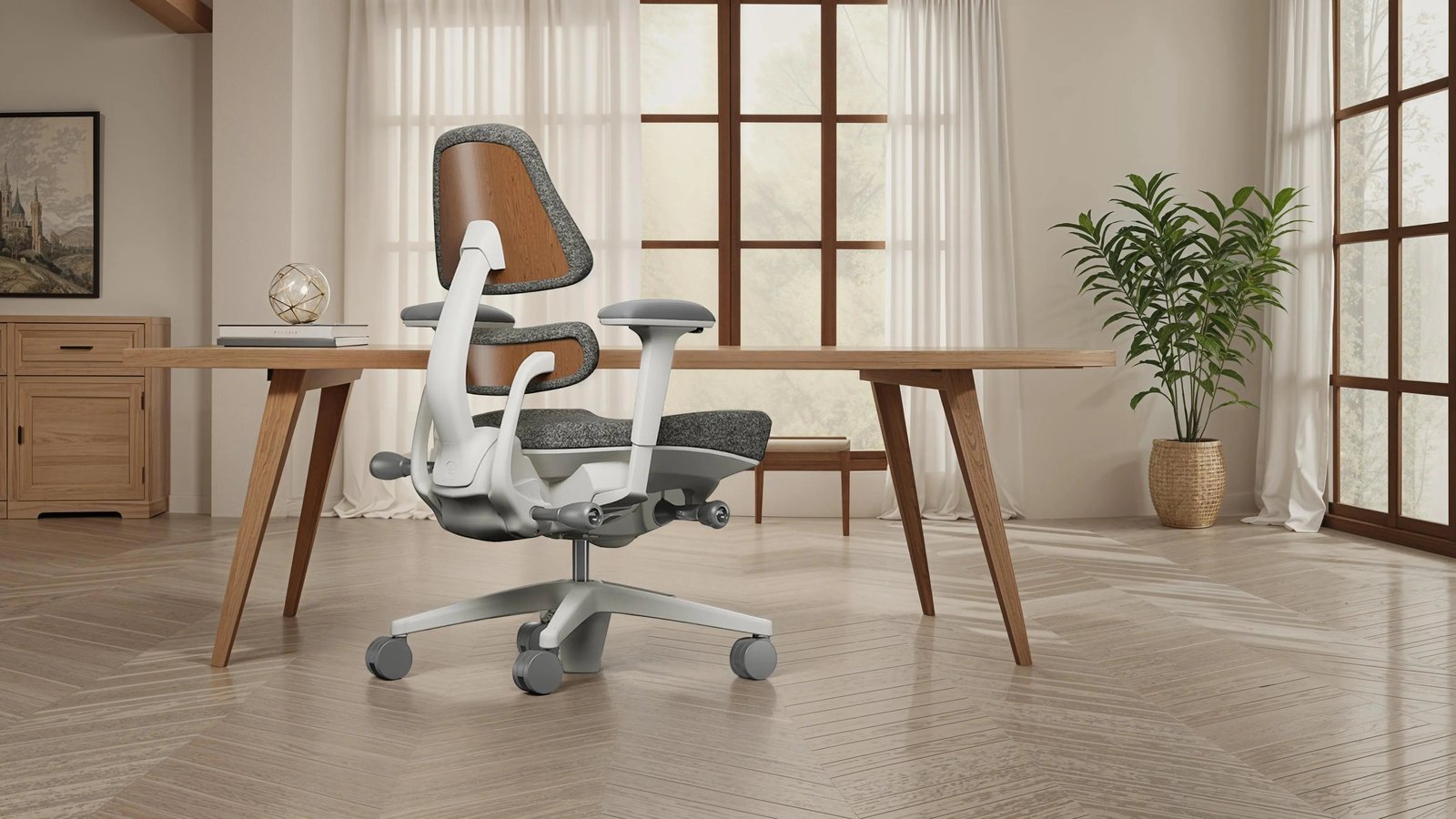
Use an ergonomic task chair if you’re doing this for the first time, as it provides the most predictable support for your spine. It acts as a safety net for your lower back during long sessions.
Choose a kneeling chair if you’re in a hurry to fix a slouching habit, as it physically forces a better posture. Be aware that these lack backrests, which can tire your core muscles within two hours of continuous use.
If you want the best possible result whatever it takes, invest in a high-end ergonomic chair that allows for custom seat depth and tension control. The decision rule is simple: if you work over six hours daily, prioritize adjustability over aesthetics.
The trade-off is clear: standard chairs offer ease of use but require active adjustments, while specialized seats offer better posture at the cost of comfort and utility. Many beginners make the mistake of buying based on looks, which costs them their lumbar health.
The rules that apply whichever way you choose
Regardless of your chair, prioritize ergonomics to protect your long-term health. Keep your monitor at eye level and monitor your posture for tension throughout the day. If you have a diagnosed spinal condition, consult a medical professional before adjusting your equipment. Moving forward, schedule a professional ergonomic assessment to tailor your workspace to your specific body type.
Related guides