
I tested the Herman Miller Sayl and Steelcase Leap to see which office chair feels better for daily work. Both are made for long desk hours, but they use very different designs. The Sayl has an open back that flexes as I move. The Leap has a full back that changes shape with my spine. I found the Sayl easier to fit in a small room, while the Leap gives me more ways to set up the chair. The Sayl holds up to 350 pounds, while the Leap is rated for up to 400 pounds. In short, the better choice comes down to fit, back feel, desk space, and how much control you want.
Herman Miller Sayl Review
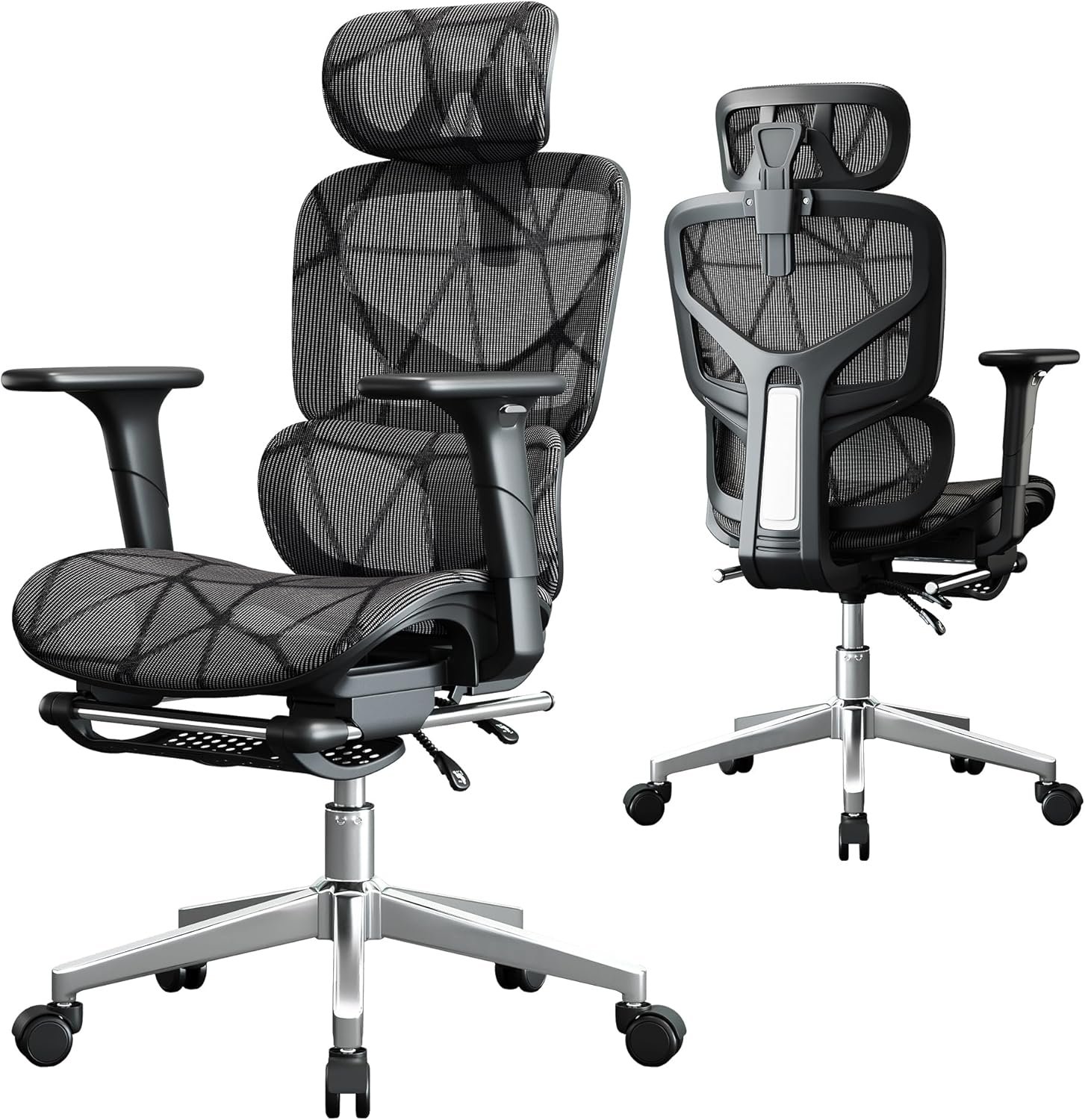
The Herman Miller Sayl is a great pick if I want a small chair that still feels active. Its open back lets air pass through, which I liked during long work hours. The back also bends as I change my sitting pose. I found this useful when I moved between typing, reading, and looking away from my screen.
The seat has a height range from 16 to 20.5 inches. Its depth can move from 16 to 18 inches. That gave me enough room to set my legs in a way that felt natural. The seat is 18 inches wide, so the chair does not feel huge beside a small desk.
What stood out most to me was the back design. Herman Miller uses elastomer strands instead of a solid back panel. The strands have different levels of tension to give support in some spots and more movement in others. This gives the Sayl a very different feel from a normal padded office chair.
The chair also uses Harmonic Tilt. I liked this when I wanted to lean back for a short break without leaving the chair. The movement feels smooth and easy. The Sayl also comes fully built, so I would not need to spend time putting it together.
For a home office, the small size is a big plus for me. The chair is 24.5 inches wide and 19.75 inches deep. It also has a 350-pound weight limit and a 12-year warranty. That makes it a chair I would take seriously for long-term desk use.
Pros
- Open back: I liked the light feel of the back during warm work days.
- Small footprint: Its compact size worked well beside a smaller home desk.
- Flexible seat setup: I could change the seat height and depth to get a better leg fit.
- Good weight limit: The 350-pound limit gives many US buyers a useful amount of room.
- Long warranty: The 12-year warranty adds value for a chair meant for years of use.
Cons
- Less back coverage: The open design may not suit someone who wants a large padded back.
- Seat size may feel small: The 18-inch seat width may not give enough room for every body type.
- Premium cost: I would want to test the fit before spending this much on an office chair.
Herman Miller Sayl Overview
| Feature | Details |
|---|---|
| Power | Not powered; manual office chair |
| Size | 39.25″H × 24.5″W × 19.75″D |
| Material | Elastomer back, foam seat, recycled polyester fabric |
| Weight | 54 lbs |
| Cleaning | Clean based on the selected fabric and chair material |
| Warranty | 12 years |
The Herman Miller Sayl has a seat height range of 16 to 20.5 inches and a seat depth range of 16 to 18 inches. The seat is 18 inches wide. Herman Miller lists a 350-pound weight limit. The chair comes fully assembled and uses five wheels.
Is the Herman Miller Sayl Good?
Yes, I think the Sayl is a good office chair for people who want a light and open design. I would choose it for a home office where space is not very large. The open back also makes sense if I tend to feel warm in thick office chairs.
I like that the seat can move in both height and depth. This gives me more control over how my legs sit under the desk. The chair also has PostureFit support and can be ordered with adjustable lumbar support.
The Sayl is also easy to place in a small work area. Its short depth keeps it from taking over the space behind my desk. That is useful in a bedroom office or a small apartment.
Still, I would not buy it without thinking about the back feel. The open elastomer back is quite different from a normal fabric chair. If I wanted a thick, soft back with lots of padding, I would look at the Leap instead.
My Recommendation
I would recommend the Herman Miller Sayl to buyers who want a compact chair with an open back and a more active feel. I think it works best for small home offices, people who move while sitting, and buyers who do not want a large chair taking up desk space. I would do more research if I needed a very wide seat or a deep back. For me, the Sayl makes the most sense when room size and easy movement matter as much as support.
Steelcase Leap Review
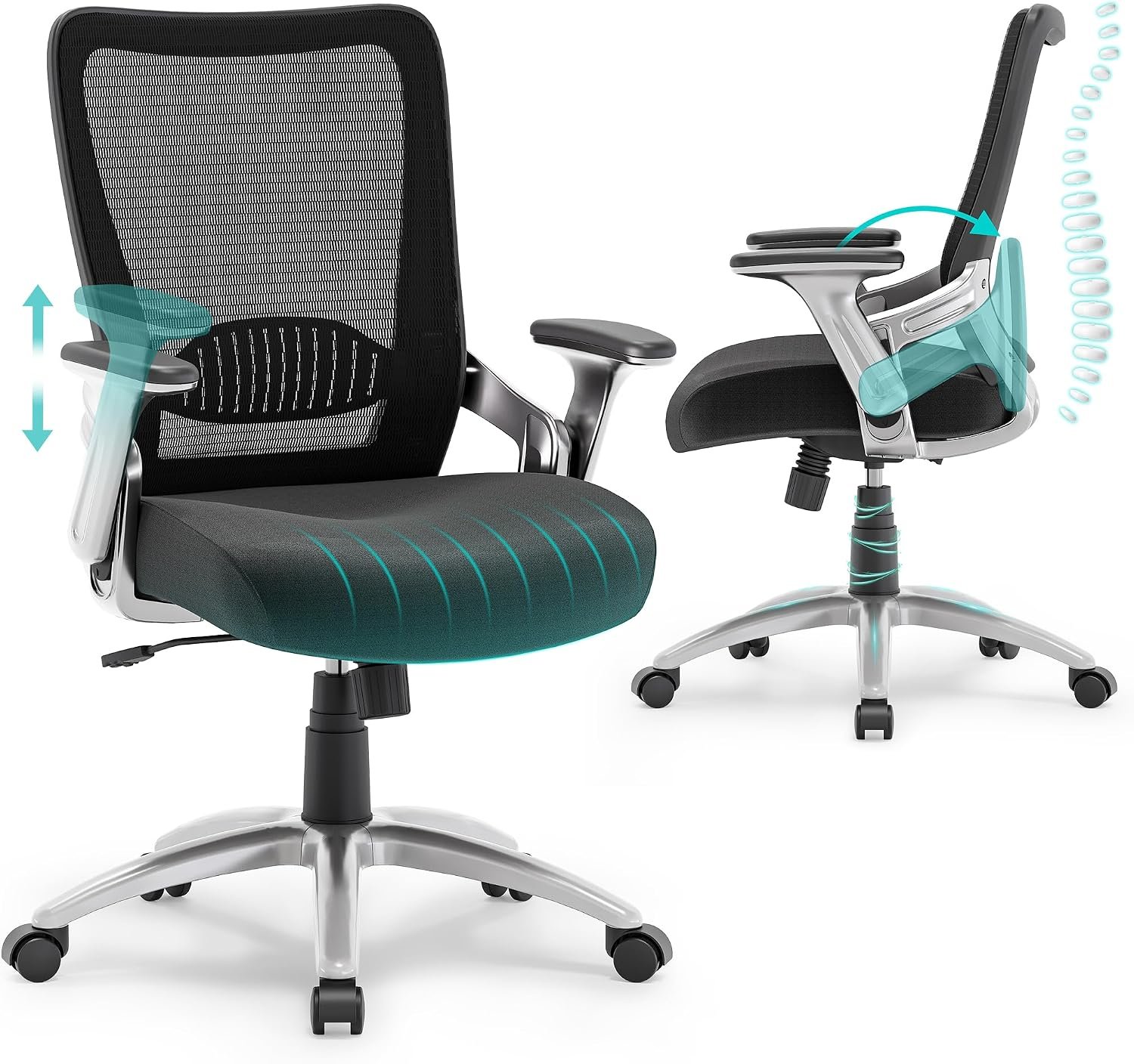
The Steelcase Leap is the chair I would pick when I want more control over my sitting setup. Its LiveBack design moves with my spine as I change position. I liked this most when I spent long hours typing, reading, and leaning back at my desk. The chair also lets me change the seat depth, arm position, seat height, and back feel.
What makes the Leap stand out is how many small changes I can make. I can set the seat to suit my legs, then change the back firmness to suit my lower back. The arms can also move in several ways. This made it easier for me to set the chair around my desk instead of forcing my body to fit the chair.
The seat has a dynamic design that moves as I lean back. I found this useful when I wanted to change my pose without losing contact with the seat. The back also changes shape as I move. It feels more like the chair is following me than holding me in one fixed spot.
For long desk work, I liked the lower back controls. I could make the back feel softer or firmer based on what felt right that day. The recline system also gives me several ways to control how far I lean.
The Leap is bigger than the Sayl, so I would give it more room around my desk. The standard work chair is about 27 inches wide and 21.75 to 24.75 inches deep. It weighs about 46.7 pounds. The chair is tested for up to 400 pounds, which gives it an edge for buyers who need a higher weight limit.
I also like the long warranty. Steelcase backs the Leap with a limited lifetime warranty, with many chair parts covered for 12 years. For me, that makes more sense when I plan to use the chair for many years rather than replace it after a short time.
Pros
- Many adjustments: I could change the seat, arms, back, and recline to get a more personal fit.
- Moving back: The LiveBack design followed my body when I changed my sitting pose.
- Strong weight limit: The work chair is tested for up to 400 pounds.
- Good arm range: I liked being able to move the arms to better match my desk and keyboard.
- Long coverage: The warranty gives me more peace of mind for long-term use.
Cons
- Takes more space: The Leap has a larger footprint, so it may feel too big beside a small desk.
- More controls to learn: I needed more time to set it up than I would with a simpler chair.
- Heavier look: Its full back and larger frame feel less light than the Sayl.
Steelcase Leap Overview
| Feature | Details |
|---|---|
| Power | Not powered; manual office chair |
| Size | About 38.5–43.5″H × 27″W × 21.75–24.75″D |
| Material | Upholstered seat and back with steel and plastic frame parts |
| Weight | About 46.7 lbs |
| Cleaning | Clean the selected fabric or cover based on its care needs |
| Warranty | Limited Lifetime Warranty; many parts covered for 12 years |
The Steelcase Leap work chair has a height range of about 38.5 to 43.5 inches. Its width is about 27 inches, and its depth ranges from about 21.75 to 24.75 inches. The seat width is about 19.25 inches. Steelcase lists the work chair as tested for users up to 400 pounds.
Is the Steelcase Leap Good?
Yes, I think the Steelcase Leap is a very good choice for people who want a chair they can tune to their body. I would choose it when I care more about fine fit than a small size. The many controls give me more ways to change the chair when my sitting needs change.
I found the back system especially useful during long work blocks. Instead of keeping my back in one set shape, the chair changes as I move. That can make a big difference for someone who often shifts between typing, reading, and leaning back.
The seat depth control is also useful for finding a better spot for my legs. The arm controls add another level of fit around a keyboard or desk. I like this because small changes can make the chair feel much better.
The 400-pound rating is another clear plus for many US buyers. It gives the Leap more room than the Sayl in this area. Still, the larger frame may not be right for a small room or a narrow desk.
I also think the Leap makes more sense for someone who will use the chair for many hours each day. If I only sit at my desk for a short time, I may not need all of its adjustment options.
My Recommendation
I recommend the Steelcase Leap to buyers who want deep control over their sitting setup and plan to spend many hours at a desk. I think it is a better fit for people who want a full back, more arm movement, and a higher weight rating. I would suggest more research for anyone with a very small desk or a strong need for a light chair. For me, the Leap is the better choice when comfort control matters more than a compact design.