
Chairs cost between $50 and $2,000 depending on type and materials. Basic dining chairs run $50 to $150, while ergonomic office chairs range from $300 to $800 for daily use. Luxury designer models exceed $1,000 but aren’t necessary for most homes.
How much different chairs cost
- Basic plastic or metal folding chairs cost $20 to $60 each for temporary seating needs.
- Standard wooden dining chairs sell for $75 to $200 per chair at major furniture retailers.
- Entry-level task chairs with basic adjustments range from $150 to $300 for light office work.
- Mid-range ergonomic office chairs with lumbar support cost $400 to $800 for full-time desk jobs.
- Upholstered accent or lounge chairs typically run $300 to $900 depending on fabric grade.
- High-end designer or executive chairs start at $1,000 and reach $3,000 for premium materials.
Why chair prices vary so much
Materials drive the base cost more than brand names alone. Solid hardwood frames cost significantly more than engineered wood or steel tubing because lumber requires careful selection and joinery. Foam density also matters; high-resilience foam retains shape for years but adds manufacturing expense compared to standard polyester batting.
Labor intensity separates budget options from premium ones. A chair with visible stitching, hand-tied springs, or complex upholstery takes skilled workers hours to assemble. Mass-produced models use automated cutting and stapling to keep labor costs low. You pay for human craftsmanship when details are precise.
Safety testing adds hidden expenses to reputable brands. The BIFMA e3 sustainability standard requires rigorous durability and emissions testing that cheap imports often skip. Certified chairs undergo thousands of cycle tests to ensure they won’t fail under daily weight. This verification protects you but raises the retail price.
When chair costs change significantly

| Situation | What changes | What to do instead |
|---|---|---|
| Buying in sets of four | Unit price drops 10-20% | Bundle purchase for dining rooms |
| Floor model clearance | Discount reaches 40-60% | Inspect for scratches or wobbles |
| Custom fabric selection | Price increases $100-$300 | Choose stock fabrics for savings |
| Commercial grade needed | Cost doubles for durability | Verify ANSI/BIFMA compliance first |
| Vintage or antique | Price depends on condition | Budget extra for restoration repairs |
| Direct-to-consumer brand | Retail markup removed entirely | Check return policy before buying |
How to budget for chairs correctly
- Measure your space and existing table height before shopping to avoid costly returns.
- Set a firm per-chair maximum based on total quantity needed, not individual desire.
- Test seat depth and armrest height in person if spending over $300 per chair.
- Compare warranty length as a proxy for expected lifespan and build quality.
- Calculate delivery fees early since bulky items often carry $50-$150 surcharges.
- Read return policies carefully because restocking fees can eat 20% of refunds.
- Prioritize structural frame material over decorative fabric when funds are limited.
- Wait for seasonal sales events like Black Friday or January clearance for best pricing.
Common chair buying mistakes
Ignoring seat height relative to table apron causes uncomfortable leg positioning and wasted money. Measure from the floor to the underside of the apron. You need at least seven inches between that point and the top of your seat.
Choosing style over ergonomics leads to back pain and premature replacement within two years. A chair with a curved lumbar panel prevents this. Flat-backed dining chairs work only for meals under forty-five minutes.
Skipping measurement checks results in chairs that don’t fit under desks or around tables. Pull each chair fully inward before buying. Check whether armrests hit the tabletop edge.
Assuming expensive equals durable without checking warranty terms or frame construction details. Look for corner blocks screwed into the frame joints. Staples holding a plywood bracket together will loosen fast.
Overlooking cleaning requirements for light fabrics creates ongoing maintenance costs or staining issues.
Frequently asked questions
Can I get good chairs under $100?
Yes, solid options exist under $100 for occasional use. Look for reinforced joints and decent foam density rather than brand names. Expect to replace budget chairs every three to five years with regular use.
Why are ergonomic chairs so expensive?
Adjustable mechanisms and certified durability testing add manufacturing complexity. Multi-point adjustment systems require precision engineering that simple fixed chairs don’t need. You’re paying for verified support during eight-hour workdays.
How long should a chair last?
Quality residential chairs last seven to fifteen years with normal use. Commercial-grade models endure ten to twenty years of daily abuse. Check the manufacturer’s warranty period as the most reliable lifespan indicator.
Is it safe to buy used office chairs?
Generally yes, but inspect gas cylinders and wheel bases thoroughly before purchasing. Avoid chairs with cracked plastic components or sinking seats. Replace any chair showing structural wear regardless of brand reputation.
What happens if I buy chairs online unseen?
Return shipping often costs $50-$100 per box plus potential restocking fees. Order one sample chair first to verify comfort and color accuracy. Keep all packaging until you’re certain about keeping the set.
Does brand name affect chair quality?
Not always directly, as many brands share similar factories and components. Established names typically offer better warranty support and parts availability. Research specific model reviews rather than trusting logos alone.
How much does reupholstering cost?
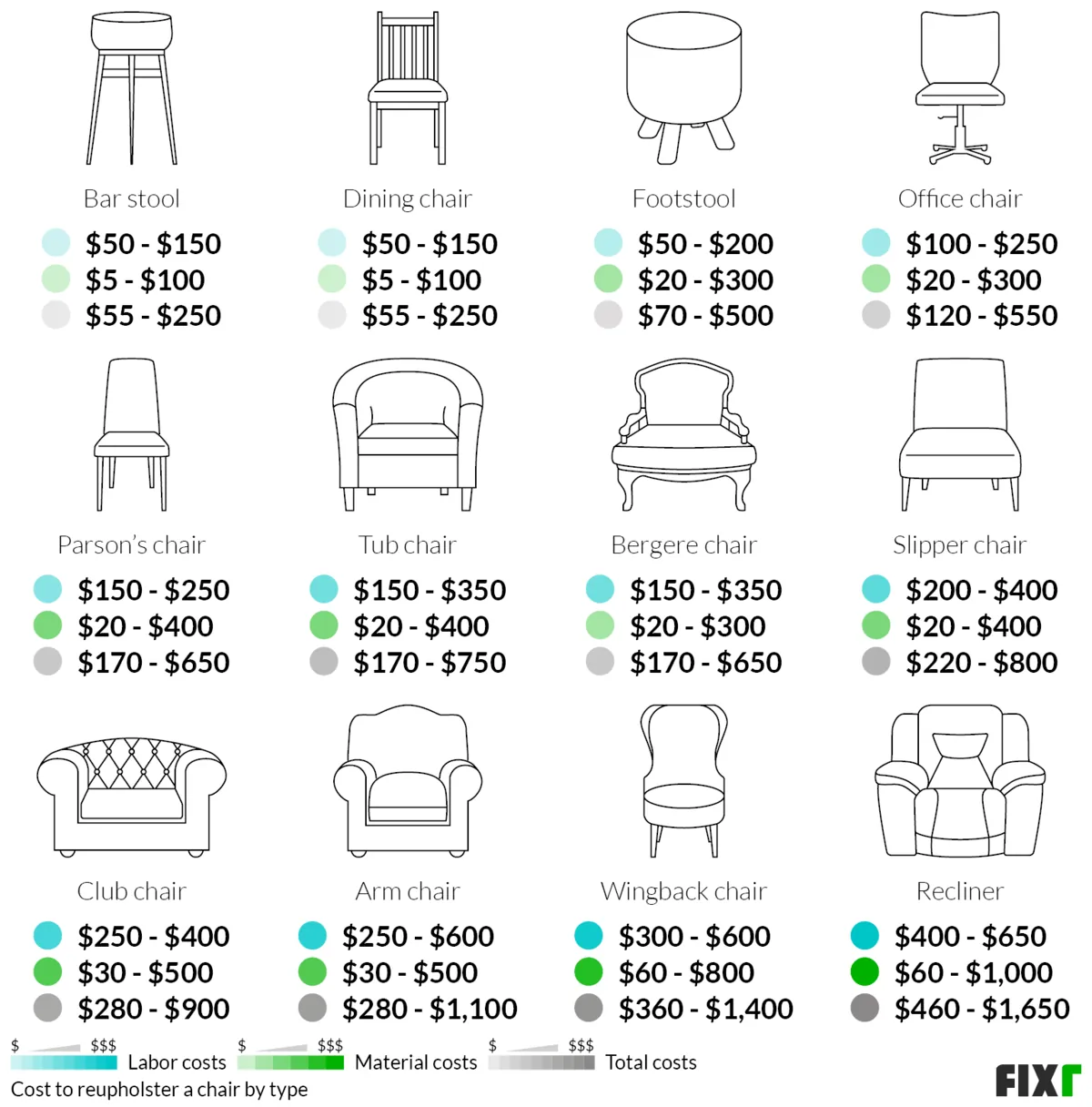
Professional reupholstery runs $200 to $600 per chair depending on size and fabric choice. This makes sense only for solid hardwood frames worth preserving. Compare this against new chair prices before committing to restoration.
Conclusion
Your actual spending limit depends on how many hours daily you’ll sit and what physical support your body requires. Check product specification sheets for weight ratings and dimension diagrams to match chairs to your specific measurements before finalizing any purchase decision.