
You can buy a sectional from national furniture chains, direct-to-consumer online brands, local independent retailers, and custom upholstery workshops, with prices typically ranging from $800 to $6,500 depending on size, fabric grade, and construction quality. The best retailer for you depends entirely on whether you prioritize fast delivery, deep customization, budget pricing, or heirloom durability, as no single store excels at every category simultaneously.
Key Takeaways

- Measure your space including doorways before shopping to avoid return fees.
- Budget retailers like IKEA offer modular options starting under $1,000.
- Mid-range brands balance quality and price between $2,000 and $4,000.
- Custom upholstery shops provide exact sizing but require long lead times.
- Verify fabric rub counts and frame construction warranties before purchasing.
- Check return policies specifically for large upholstered items before ordering.
Where Can I Buy a Sectional
Finding the right retailer requires matching your specific constraints to their business model. National chains like Ashley Furniture and Raymour & Flanigan maintain extensive floor models for immediate testing and often stock popular configurations for quick delivery. These stores suit buyers who need to sit on the furniture first and want traditional financing options. Inventory depth varies significantly by location, so calling ahead prevents wasted trips.
Online Direct Brands
Brands like Burrow, Benchmade Modern, and Interior Define operate primarily online with streamlined customization. They typically offer modular designs that ship in boxes, making them easier to move into tight spaces than traditional one-piece sectionals. Prices generally fall in the mid-range bracket, and many provide free swatch kits to verify color accuracy at home. Lead times fluctuate based on fabric availability and manufacturing schedules.
Retailer Comparison by Category
| Retailer Type | Price Range | Lead Time | Best For |
|---|---|---|---|
| Big Box Stores | $800–$2,500 | In-stock to 4 weeks | Budget and speed |
| Online Modular | $1,500–$3,500 | 4–10 weeks | Apartments and renters |
| Custom Workrooms | $3,000–$6,500+ | 12–20 weeks | Exact fit and longevity |
| Luxury Showrooms | $5,000–$10,000+ | 8–16 weeks | Designer aesthetics |
Assessing Quality Before Purchase
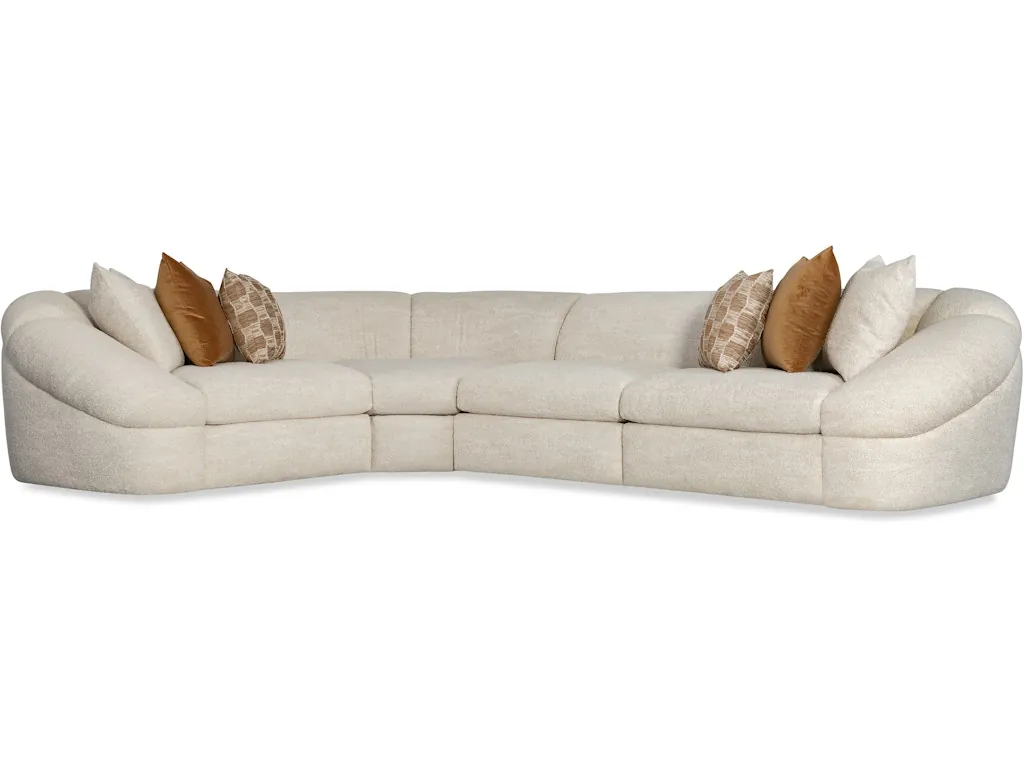
Construction details determine how long a sectional survives daily use. Ask specifically about frame materials; kiln-dried hardwood joined with dowels or screws outperforms particleboard stapled together. Cushion cores should be high-resilience foam wrapped in fiber or down alternative to prevent premature sagging. According to BIFMA seating standards, commercial-grade upholstery must withstand rigorous durability testing, and residential buyers should seek similar performance benchmarks even if not legally required for home furniture.
Fabric Durability Metrics
Request the double rub count for any fabric you consider. Residential upholstery should exceed 15,000 double rubs for light use and 30,000 for heavy family use. Performance fabrics like Crypton or Sunbrella resist stains and moisture better than natural linens or cottons. Darker colors and textured weaves hide wear longer than smooth, light-colored materials. Always order physical samples because screen colors frequently misrepresent actual dye lots.
Measuring Your Space Correctly
Accurate measurements prevent costly returns and installation failures. Record the length and width of your intended footprint, then measure all entry points including stairwells, elevator dimensions, and doorway clearances. Many sectionals arrive fully assembled or in large sections that can’t navigate tight turns. Create a floor plan tape outline using painter’s tape to visualize traffic flow around the piece. Leave at least thirty inches of walking clearance on all open sides.
Pro Tip: Photograph your room’s entry path and show it to sales representatives; they can often identify potential delivery obstacles that floor plans miss.
Understanding Return Policies
Sectional returns are notoriously difficult and expensive. Most retailers charge substantial restocking fees ranging from fifteen to thirty percent, plus original delivery costs. Some online brands offer trial periods but require you to arrange return freight yourself, which can cost hundreds of dollars. Read the return window carefully; some clocks start at purchase rather than delivery. Custom and final-sale items are typically non-returnable regardless of fit issues.
Budget Versus Investment Pieces
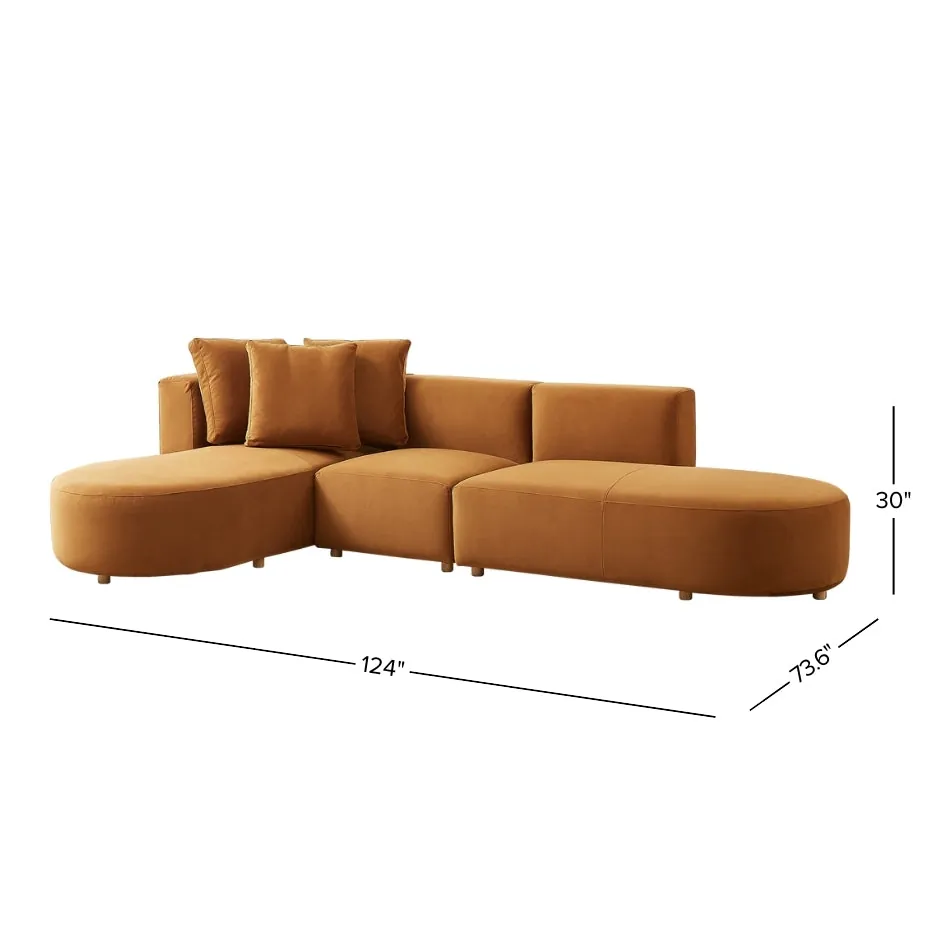
Your spending threshold should align with expected ownership duration. A $1,200 sectional makes sense for a two-year apartment lease but becomes false economy if you need replacement within five years. Investing $3,500 or more yields better cost-per-year value for homeowners planning to stay put. Allocate budget toward replaceable cushions and durable frames rather than trendy fabrics that date quickly. Slipcovered styles extend usable life through washable covers.
Frequently Asked Questions
How long does custom sectional production take?
Custom upholstery typically requires twelve to twenty weeks from order confirmation to delivery. This timeline includes fabric sourcing, frame building, cushion fabrication, and quality inspection. Rush options sometimes exist for select fabrics but add significant premiums. Always confirm current lead times in writing before paying deposits, as supply chain disruptions frequently extend quoted estimates beyond initial projections.
Can I reconfigure a modular sectional later?
Most modular systems allow rearrangement, but compatibility depends on the specific collection. Individual pieces connect via clips, brackets, or friction bases that may not interchange between different product lines. Purchase additional connectors or spare modules during your initial order, as manufacturers discontinue components regularly. Test connection mechanisms upon delivery to ensure secure attachment before the return window closes.
What fabric works best for pets?
Tightly woven performance synthetics resist claw snags and hair embedding better than loose weaves or natural fibers. Microfiber, canvas, and olefin blends clean easily with enzyme cleaners. Avoid silk, linen, and delicate chenilles that shred under pet nails. Medium-toned patterns camouflage fur between vacuumings. Request abrasion test data rather than relying solely on “pet-friendly” marketing claims, which lack standardized definitions across manufacturers.
Do sectionals come apart for moving?
Many do, but not automatically. Modular units separate by design, while traditional sectionals may have bolted frames requiring tools. Always ask specifically about disassembly before purchasing if future moves are likely. Retain hardware and assembly instructions in a labeled bag taped to the frame underside. Professional movers often refuse liability for reassembling furniture without original documentation or manufacturer-approved hardware.
Are floor models worth buying?
Floor model discounts of thirty to fifty percent reflect genuine wear from customer testing. Inspect seams, cushion compression, and fabric pilling thoroughly before committing. Negotiate additional discounts for visible flaws. Floor models are typically sold as-is without warranties or return rights. This option suits budget-conscious buyers comfortable with minor imperfections who have verified structural integrity independently.
Conclusion
Measure your space today using painter’s tape and document all doorway clearances before visiting any showroom or browsing online catalogs, ensuring every sectional you consider will actually fit your home.