
Desk chairs cost $50 to $150 for basic task models, $200 to $500 for mid-range ergonomic versions, and $800 to $1,500 or more for premium options. Buy in the first range if you sit under four hours daily; spend in the second if you work full shifts at a computer.
Skipping the measurements is where people lose money. You can check the BIFMA dimensional guidelines to see what ranges a certified office chair must cover before you buy.
What desk chairs cost by budget
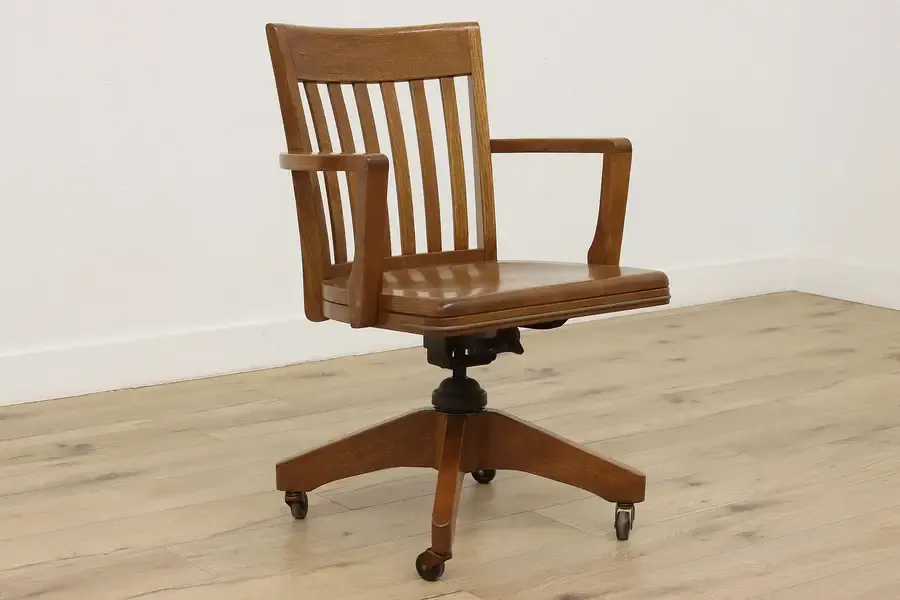
You don’t need every adjustment dial a manufacturer sells, but you shouldn’t skip the ones your body requires.
- Measure your desk height from the floor to the underside of the tabletop. Standard desks sit at 29 to 30 inches, so your chair’s gas cylinder needs to drop the seat low enough for your feet to rest flat while your elbows stay level with the keyboard.
- Check the seat depth by sitting against the backrest. You need two to three fingers of space between the seat edge and the back of your knees. If the chair doesn’t offer a sliding seat pan, it won’t fit your leg length properly.
- Decide which adjustments you’ll use every single day. Lumbar depth, armrest width, and tilt tension matter for eight-hour shifts. If you only sit for two hours, a fixed lumbar curve saves you about $150.
- Look for BIFMA certification on the product page or tag. This confirms the base, casters, and cylinder passed load tests for standard office use. Uncertified chairs often fail within eighteen months under daily weight.
- Test the return policy before you enter your card number. Shipping a 50-pound chair back costs $30 to $60 unless the seller covers it. A cheap chair without free returns isn’t actually cheap if it hurts your back.
Tip: Don’t trust the “one size fits all” label on boxes under $100. Those frames usually max out at 250 pounds and lack the cylinder travel taller people need.
If your work involves heavy drafting or lab stations over 35 inches high, a standard office chair won’t reach safely. You’ll need a drafting stool with a foot ring, which a commercial furniture dealer can size to your station.
How long does shopping take
Finding the right fit takes longer than clicking the first sponsored link on a search page.
| Situation | How long | What changes it | What to watch for |
|---|---|---|---|
| Buying online under $150 | 30–60 minutes | Number of filters you apply | Return shipping fees eating your savings |
| Ordering a mid-range ergonomic chair | 1–2 hours | Reading spec sheets vs. reviews | Lead times of 2–4 weeks for custom fabrics |
| Testing chairs in a showroom | 2–3 hours | Store inventory and travel time | Sales pressure pushing last year’s floor models |
| Outfitting a home office from scratch | Half a day | Matching chair to desk height | Forgetting to measure your own inseam first |
If you’ve spent over two hours comparing models in the same price bracket and nothing feels right, stop reading specs.
Signs a desk chair fits correctly
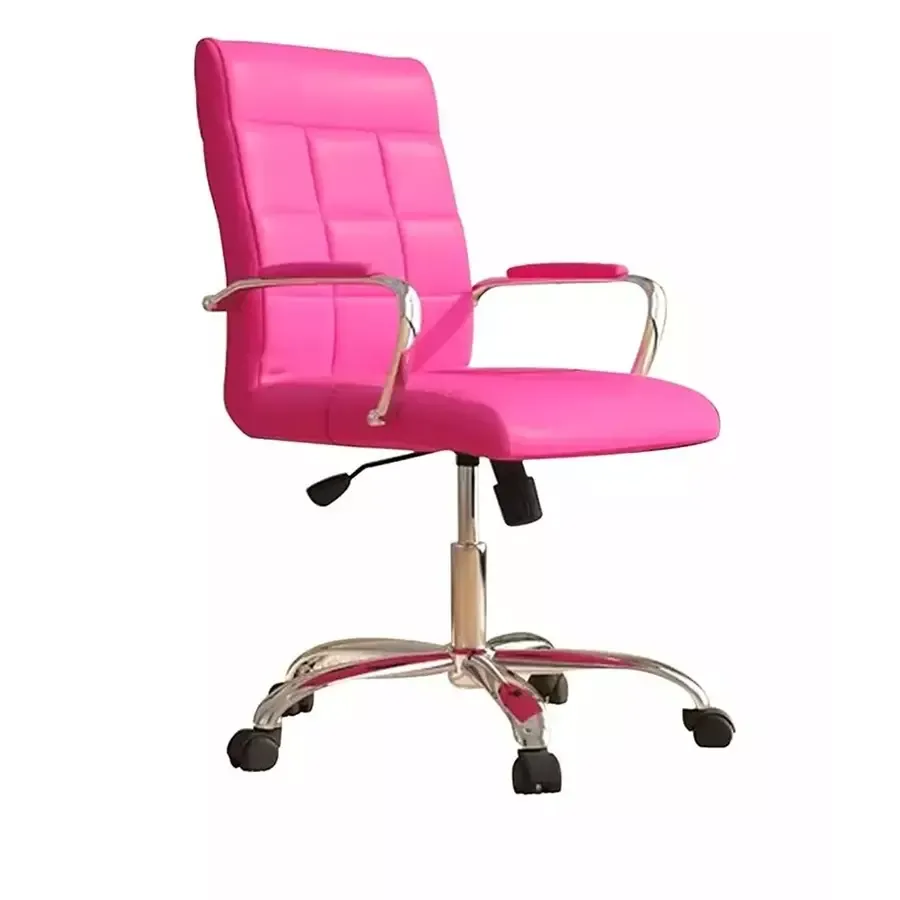
You’ll know the chair works when your feet rest flat on the floor without pressure behind your knees.
The real test happens after forty-five minutes of typing. If neither change fixes the numbness, the foam density is too soft for your weight, and no amount of tweaking will solve it.
Errors that waste your money
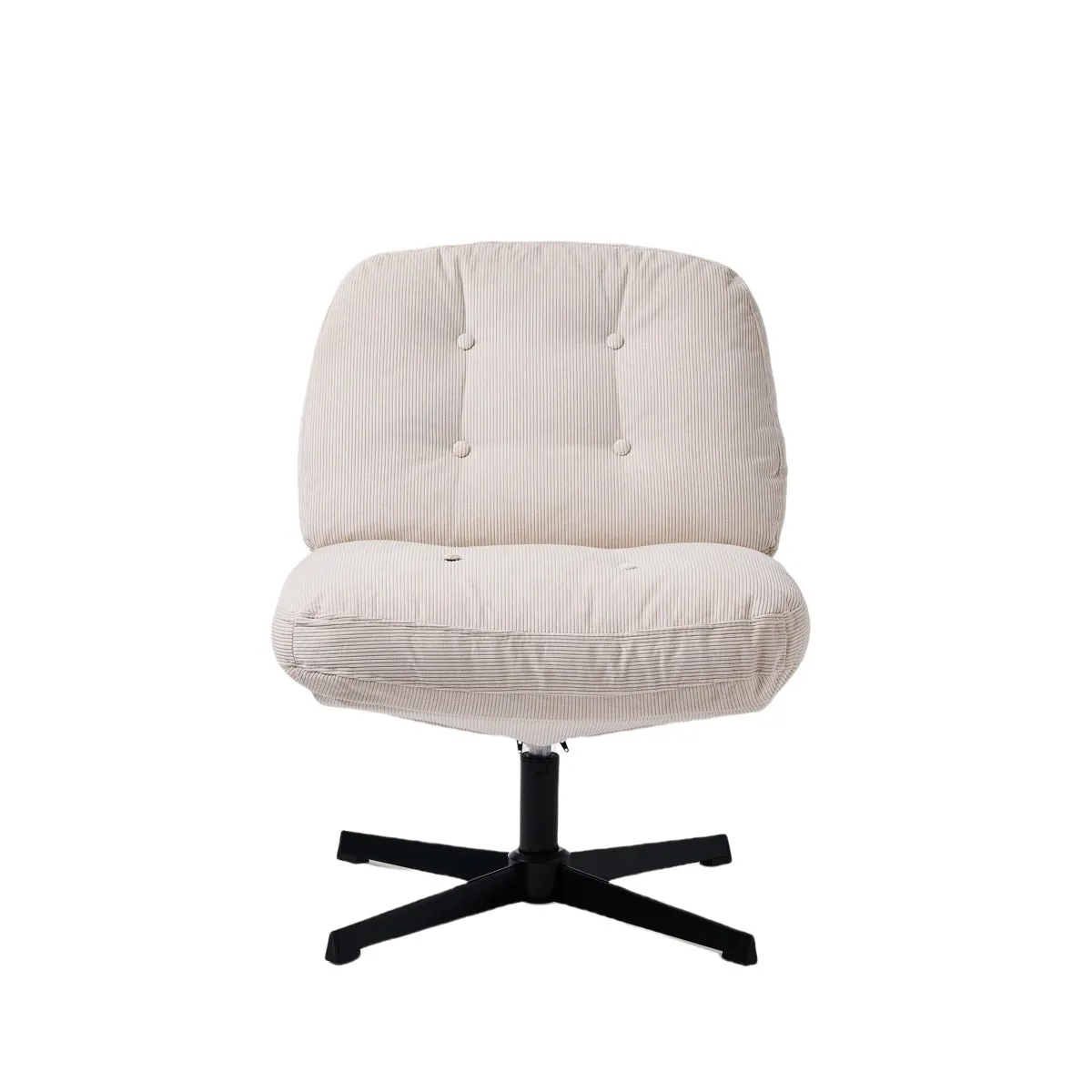
- Buying for looks instead of mechanics. Mesh backs look modern but cheap mesh sags within a year, leaving your spine unsupported. Pick the frame and mechanism first, then choose the fabric.
- Ignoring the cylinder class. A Class 2 gas lift handles lighter loads, while a Class 4 supports over 300 pounds safely. Using a light-duty cylinder for heavy daily use causes it to sink slowly until you’re working from your lap.
- Assuming expensive means ergonomic. A $900 executive chair often prioritizes thick leather over adjustable lumbar support. Check the spec sheet for independent back and seat adjustments before paying premium prices.
- Skipping the caster type. Hard plastic wheels shred hardwood floors in weeks. Swap them for soft polyurethane rollers if your room has wood or laminate, which adds about $25 to the total.
Frequently Asked Questions
Can I get a good desk chair for under $100?
Yes, but it won’t have adjustable lumbar support or a sliding seat pan. Chairs under $100 work fine for two to three hours of daily use. Beyond that, the fixed foam compresses quickly. Check the weight rating on the box before buying.
Why are ergonomic chairs so expensive?
They use multi-zone mesh, independent adjustment mechanisms, and tested gas cylinders that cost more to manufacture. A certified ergonomic chair undergoes durability testing that budget models skip entirely. You’re paying for parts that hold their shape after five years of daily use.
How long does a desk chair last?
A budget chair lasts two to three years with daily use, while a mid-range model holds up for five to seven. Premium chairs like those from Steelcase or Herman Miller often run ten years or more. The cylinder usually fails before the frame does.
Is it safe to buy a used office chair?
Yes, if you inspect the gas cylinder and base first. A sinking seat means the cylinder seal is gone, and replacing it costs about $30 plus labor. Avoid used chairs with cracked plastic shells or wobbly five-star bases.
What happens if my chair is too low?
Your hips drop below your knees, tilting your pelvis backward and rounding your lower spine. Over a full workday, this posture strains the lumbar discs. Raise the cylinder until your thighs sit parallel to the floor.
Do gaming chairs work for office desks?
They fit, but the bucket-seat shape restricts shoulder movement during typing. Gaming chairs prioritize reclining for controllers, not upright posture for keyboards. An ergonomic task chair keeps your arms freer for desk work.
How much weight can a standard desk chair hold?
Most standard office chairs carry 250 pounds, following common industry testing practices. Big-and-tall models handle 400 to 500 pounds using wider seats and Class 4 cylinders. Always read the manufacturer’s published limit on the product page rather than guessing from the chair’s size.
Conclusion
Spending an extra hour measuring your desk and checking specifications saves you from returning a heavy box later. Match the chair’s travel range to your actual body, not the height printed on the packaging. The right fit costs whatever your daily hours demand, and nothing less will keep your back quiet through a full shift.