
Chairs you can sleep in range from $300 for basic recliners to over $2,500 for premium zero-gravity models. The right one depends on whether you need occasional napping relief or a permanent nightly sleeping solution for medical or space-saving reasons, and it requires balancing comfort, support, and safety.
Key Takeaways
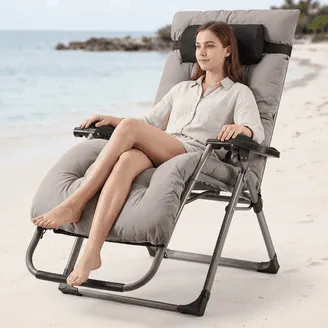
- Zero-gravity positioning reduces spinal compression by elevating legs above heart level, making it the superior angle for restorative sleep compared to standard upright reclining.
- Power lift mechanisms are essential safety features for seniors or those with mobility issues, preventing dangerous falls when transitioning between sitting and standing positions.
- High-density foam cores prevent bottoming out during extended sleep sessions, whereas low-density polyurethane foam loses structural integrity within months of nightly use.
- Width measurements must account for shoulder span plus four inches; standard 20-inch seats often cause arm numbness and disrupt sleep cycles for average-sized adults.
- Flame retardant standards like California Technical Bulletin 117-2013 ensure upholstery materials meet residential fire safety requirements without relying solely on chemical treatments.
Zero-Gravity Chairs Explained
When evaluating chairs that you can sleep in, zero-gravity design remains the gold standard for ergonomic rest. Unlike traditional recliners that bend at the waist, true zero-gravity chairs maintain a neutral spine alignment while elevating the lower extremities.
Pressure Relief Mechanics
The biomechanical advantage lies in placing knees slightly above hip level while keeping the torso reclined between 120 and 128 degrees. This specific angle opens airways more effectively than flat surfaces, benefiting individuals with mild sleep apnea or chronic snoring.
Power Lift Versus Manual Recliners
Choosing between motorized systems and manual levers changes daily usability. Manual push-back recliners rely on body weight and leverage, which can be difficult to control for those with arthritis, back pain, or limited upper body strength.
| Feature | Power Lift Chair | Manual Push-Back Recliner |
|---|---|---|
| Position Control | Infinite variable adjustment | Fixed detent positions |
| Mobility Assistance | Full sit-to-stand support | None provided |
| Power Requirement | Standard 120V outlet | No electricity needed |
| Typical Weight Capacity | 300–500 pounds | 250–350 pounds |
| Average Lifespan | 7–10 years with maintenance | 10–15 years mechanical |
Dimensions to Look for in Chairs That You Can Sleep In
Seat width determines whether sleep is possible or merely tolerable. A 22-inch interior width accommodates most adults comfortably, while bariatric models offer 26 to 30 inches. Insufficient thigh support causes pressure behind the knees, while excessive depth presses against calf muscles.
Height and Leg Support
Proper leg extension prevents feet from dangling unsupported. Taller individuals over six feet require extended footrests or specialized tall-person models with additional three to five inches of leg length.
Upholstery Materials for Overnight Use

Breathable fabrics regulate temperature during eight-hour sleep periods better than synthetic vinyl or bonded leather. Natural fibers including cotton blends and linen offer superior thermoregulation but require more frequent cleaning.
Safety Standards and Certifications
Fire safety compliance protects vulnerable sleepers who can’t quickly evacuate during emergencies. The U.S. Consumer Product Safety Commission enforces mandatory testing protocols for upholstered furniture sold domestically, ensuring materials resist ignition from common household sources like cigarettes and small open flames.
Warning: Never place sleep-capable chairs within three feet of space heaters, fireplaces, or unshielded light bulbs, as localized heat buildup can ignite upholstery even when materials pass standard flammability tests.
Medical Considerations and Contraindications
Certain health conditions require physician consultation before using reclined sleep furniture. Individuals with severe gastroesophageal reflux disease may benefit from elevated torso positioning, but those with advanced congestive heart failure could experience worsened symptoms. Pregnant women in third trimester often find left-side lateral positioning impossible in fixed-track chairs, necessitating adjustable wedge pillows or alternative arrangements.
Maintenance for Longevity
Regular lubrication of mechanical components extends functional lifespan significantly. Apply white lithium grease to pivot points and actuator screws every six months. Vacuum crevices monthly to remove abrasive debris.
Pro Tip: Keep manufacturer model numbers and serial codes photographed on your phone for instant access when ordering replacement parts, as these identifiers are often hidden beneath seat cushions or stamped inside metal frames.
Frequently Asked Questions
Can I sleep in a recliner every night permanently?
Yes, many people sleep exclusively in recliners due to medical conditions or personal preference. However, consult a healthcare provider first, as prolonged reclined sleeping can affect circulation, digestion, and spinal alignment differently than horizontal mattress sleep. Choose models specifically rated for continuous overnight use rather than occasional daytime napping to ensure adequate support and durability.
What is the best recline angle for sleeping?
Most sleep specialists recommend 120 to 128 degrees for optimal spinal decompression and airway openness. Angles below 110 degrees create excessive hip flexion and lumbar pressure, while angles exceeding 135 degrees may cause neck strain and sliding. Individual anatomy varies significantly, so prioritize adjustable models allowing fine-tuning rather than fixed-position chairs claiming universal comfort.
How do I clean urine accidents from sleep chairs?
Blot liquid immediately with absorbent towels, never rubbing which pushes contamination deeper into foam. Apply enzymatic cleaner specifically formulated for biological stains, following product dwell time instructions precisely. Extract thoroughly with wet vacuum equipment, then accelerate drying with fans to prevent mold growth inside cushion cores. Professional upholstery cleaning is recommended for saturated foam that can’t be adequately dried at home.
Are massage chairs safe for sleeping overnight?
Generally no, as massage mechanisms create pressure points and movement that disrupt sleep architecture and potentially cause bruising during unconsciousness. Most manufacturers explicitly warn against sleeping during active massage cycles. Some models offer passive zero-gravity positioning without massage activation suitable for rest, but verify warranty terms and safety guidelines before attempting overnight use in any chair with internal mechanical components.
Do sleep chairs help with acid reflux symptoms?
Elevated torso positioning between 30 and 45 degrees reduces gravitational pressure on the lower esophageal sphincter, decreasing nighttime reflux episodes for many sufferers. However, individual responses vary considerably based on reflux severity and anatomical factors. Combine positional therapy with physician-recommended dietary modifications and medication schedules rather than relying solely on furniture adjustments for symptom management.
Conclusion
Measure your available floor space including full recline clearance before purchasing, then visit local showrooms to test multiple models in person since online descriptions can’t convey subjective comfort differences critical for successful overnight adaptation.