
Herman Miller Embody and Steelcase Series 1 are two office chairs I would look at for long desk days. Both are made for work, but they feel very different when I sit in them. The Embody feels more like a chair built around body movement and back support. The Series 1 is smaller, simpler, and easier to fit into many home offices.
I wanted to see how the Embody handles real desk work. I paid close attention to the seat, back, arm rests, tilt, and fit. I also looked at the size and weight limit because those details matter in a home office. The Embody can hold up to 300 pounds and has a standard seat height range of 16 to 20.5 inches.
For me, the Embody stands out most when I sit for many hours. Its back can be tuned to my shape, while the seat is made to spread my weight as I move. It also comes fully built, so I do not have to spend time putting the chair together.
If you want a premium chair for long work days, the Embody is the stronger first choice. If you want a simpler Steelcase chair, the Series 1 will get a closer look in the next part. In short, this Herman Miller Embody vs Steelcase comparison is mainly about deep support versus a simpler office setup.
Herman Miller Embody Review
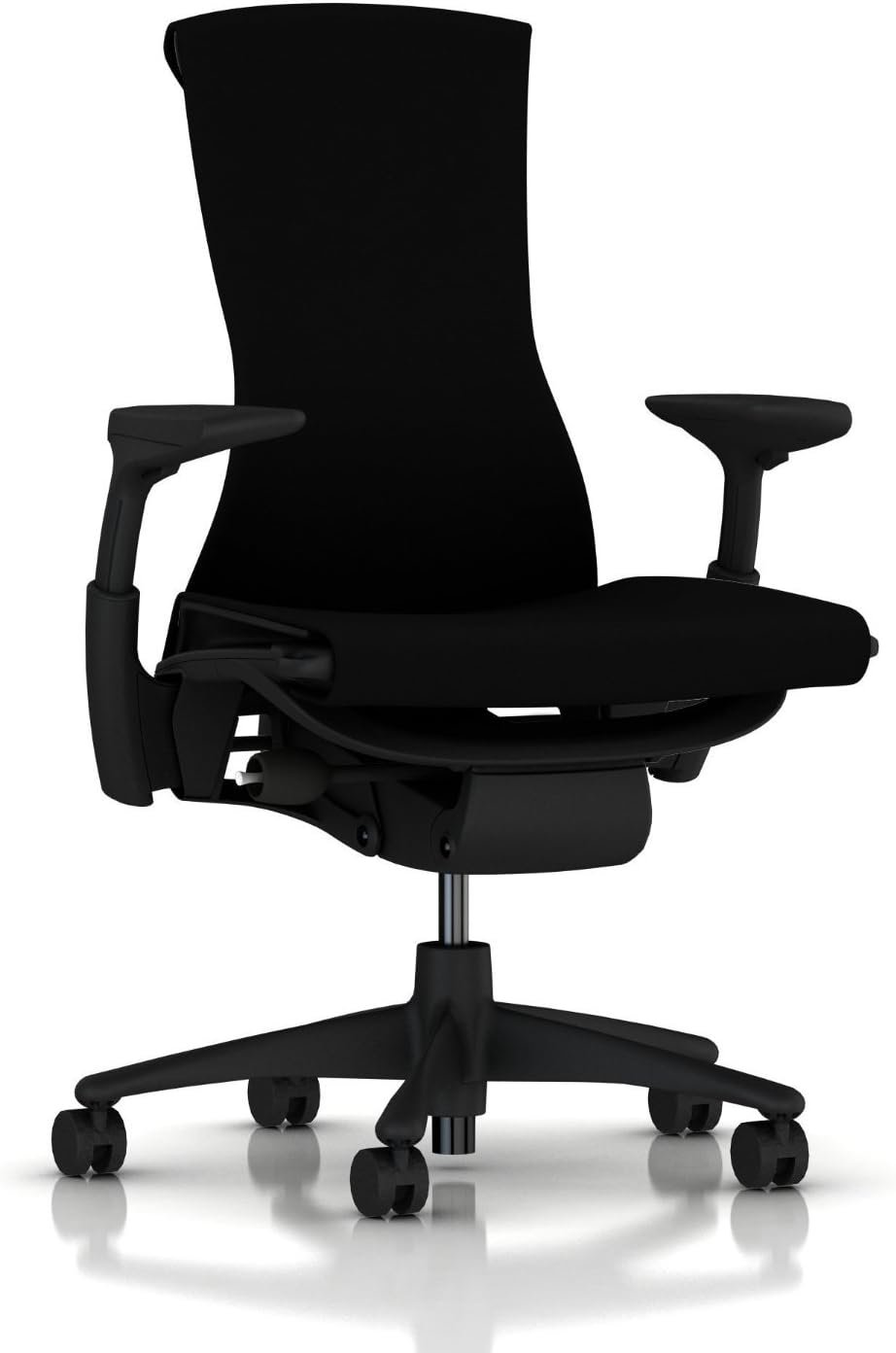
The Herman Miller Embody is the chair I would pick when long desk hours are the main goal. I like how the back follows my movements instead of making me feel locked in one pose. The seat also has a flexible design that spreads pressure as I shift around.
When I used it for typing and reading, the back was the part I noticed first. The BackFit setting lets me change the shape of the back to better match my own back. That gave me a more personal fit than a chair with one fixed back shape.
The seat is also different from a thick foam seat. Herman Miller uses four layers with elastic support and small support coils that move on their own. I found this useful when I stayed at my desk for a long stretch because the seat did not feel like one solid block.
The Embody also gives me a good range of movement. Its upper back is narrow, so my shoulders and arms have more room to move. I found that useful when I reached for things on my desk or turned to look at a second screen.
The chair has a 300-pound weight limit and a 16 to 20.5-inch standard seat height range. Its seat depth can also adjust from 15 to 18 inches. Those settings give me more ways to find a good sitting position.
Another thing I like is the simple start. The chair comes fully assembled. For a US home office, that means I can place it at my desk and focus on the fit instead of spending time with tools and screws.
Pros
- Back fit: I liked being able to shape the back support to match my own sitting position.
- Flexible seat: The seat gave me a softer way to shift my weight instead of feeling fixed in one spot.
- Good movement: I had more room around my shoulders when I reached, typed, or turned.
- Wide fit range: The seat height and depth settings gave me more control over how I sat.
- Ready to use: I did not need to build the chair before using it.
Cons
- High cost: I would think hard about the price if I only needed a chair for a few hours each week.
- Different seat feel: The flexible seat may take time to feel normal if you are used to a thick, soft cushion.
- No headrest: The standard Embody does not come with a built-in headrest, which may matter to buyers who like to lean their head back.
Herman Miller Embody Overview
| Feature | Details |
|---|---|
| Power | Not powered; manual office chair |
| Size | 43.5″H × 29.5″W × 29″D |
| Material | Die-cast aluminum frame, five-star base, elastic seat support, fabric |
| Weight | Varies by configuration |
| Cleaning | Follow care steps for the selected fabric |
| Warranty | 12 years |
The Embody has a 300-pound weight limit. The standard seat height runs from 16 to 20.5 inches, and the adjustable seat depth runs from 15 to 18 inches. It uses a five-star base and comes fully assembled.
Is the Herman Miller Embody Good?
Yes, I think the Embody is very good for people who spend most of the day at a desk. I found the back more useful than a simple padded back because I could change the fit to suit my body. That made long typing sessions feel more natural.
I also liked the way the seat responds when I move. I can shift forward, sit back, or change my leg position without feeling stuck. This makes the chair a good match for people who do not sit in one pose all day.
The 15 to 18-inch seat depth range is another useful part. It gives me room to adjust where my legs meet the front edge of the seat. The 16 to 20.5-inch height range also works for many desk setups.
I would not call the Embody the right choice for every buyer. The price is high, and its seat has a very different feel from a basic office chair. I would also look elsewhere if a built-in headrest is a must for you.
For someone who works from home, studies, edits, writes, or spends long hours at a computer, I think the Embody is worth serious thought. It is built around movement, fit, and long desk use rather than just adding thick padding.
My Recommendation
I would recommend the Herman Miller Embody to US buyers who sit at a desk for many hours and want a chair they can fine-tune. I think it makes the most sense for full-time work, home offices, and people who care a lot about back and seat fit. I would suggest more research for casual users who only sit for a short time each day. If long-term desk comfort is your main goal, the Embody is the first chair I would try in this comparison.
Knoll ReGeneration Review
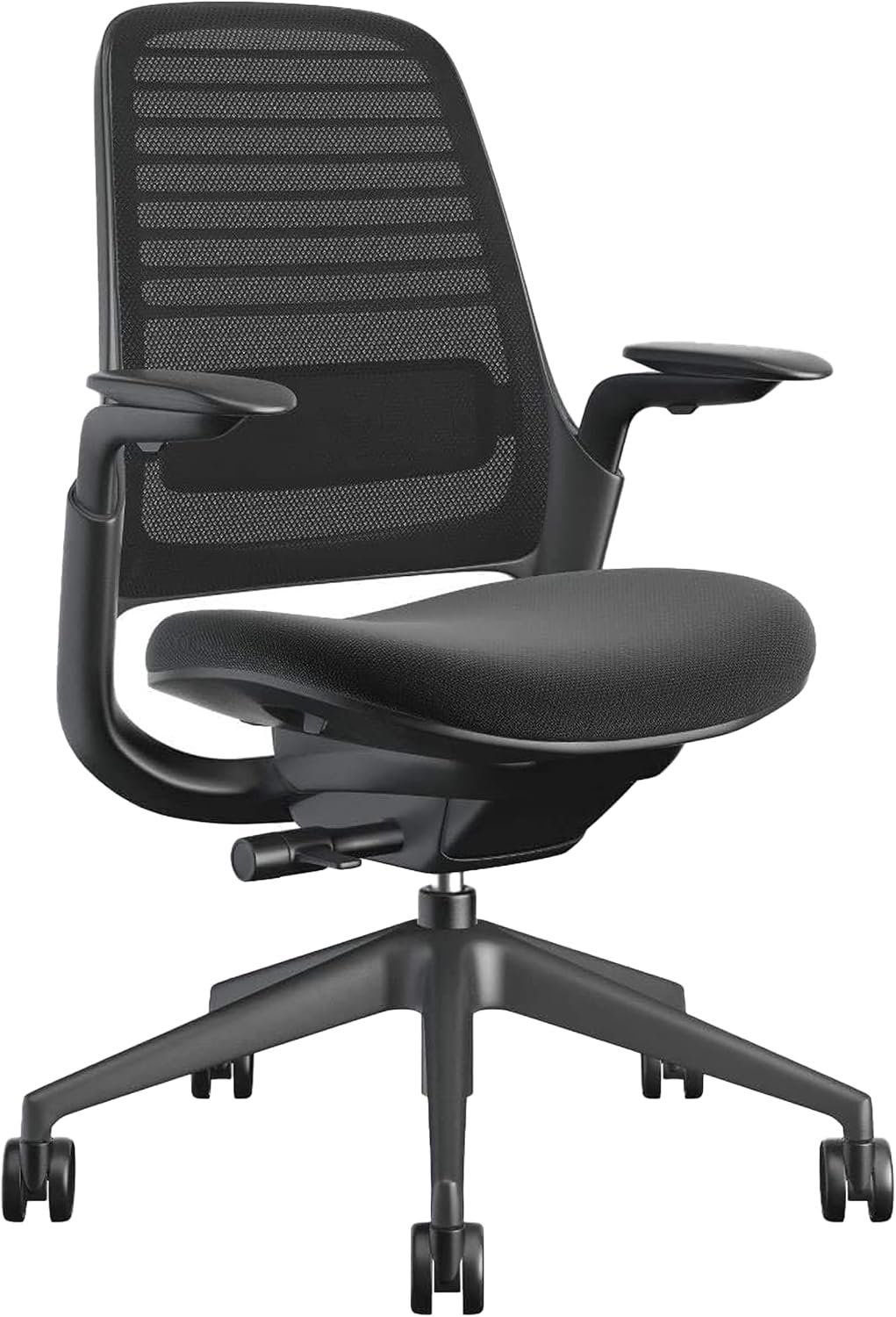
The Knoll ReGeneration is a good pick for me when I want to move more while I work. Its back has a soft flex that follows my body as I shift. I like this when I move from typing to reading or turn to reach for something near me. The seat also gives me a good amount of room to change my leg position. I found the chair easy to settle into after a short time. It feels less stiff than many office chairs I have used. For people who like an active seat, the ReGeneration is worth a look.
Pros
- Flexible back: I liked how the back moved with me instead of holding me in one fixed pose.
- Wide seat: The roomy seat gave me more space when I changed my sitting position.
- Easy movement: I could lean and shift without feeling like I was fighting the chair.
- Simple controls: I found the main chair settings easy to learn and use.
- Ready to sit in: I liked not having to spend much time putting the chair together.
Cons
- 300-pound limit: I would check the weight limit first if I need a chair rated above this range.
- Needs more room: Its wider shape may not work well beside a very small desk.
- Different feel: The flexible design may take some time to like if I am used to a stiff office chair.
Knoll ReGeneration Overview
| Feature | Details |
|---|---|
| Power | None; manual office chair |
| Size | About 44.5″H × 28.5″W × 26″D |
| Material | Flexible back, molded foam seat, fabric cover |
| Weight | About 37–39 lbs, based on base choice |
| Cleaning | Care depends on the selected fabric |
| Warranty | 12 years |
The ReGeneration has a wide seat that gives me room to move. Its seat depth can also be adjusted to help match my leg length. The chair has a height range that lets me set it to my desk. Different base and finish choices are also available. This means the final chair can look and feel a bit different based on the setup I choose.
Is the Knoll ReGeneration Good?
Yes, I think the Knoll ReGeneration is good for people who change their sitting pose during the day. I like it for work that takes me from typing to reading and back again. The flexible back makes these small changes feel easy. The wide seat also helps when I want to move my legs without leaving the chair. I would not choose it only because of its look. For me, its main benefit is the way it lets my body move while I work. If I like a firm chair that keeps me in one pose, I would look at other options.
My Recommendation
I recommend the Knoll ReGeneration to buyers who want a chair that works well with active sitting. I think it is a better fit for people who lean, shift, and change tasks often during the day. I would measure the space around my desk before buying because the chair has a wider shape. I would also check the weight limit and seat fit before making my choice. If the fit is right, I think the ReGeneration is a good long-term option for a busy home or work desk.
Herman Miller Sayl vs Knoll ReGeneration Comparison
I found that both chairs have a clear reason to buy them. The Sayl feels better suited to a small work space and a clean desk setup. The ReGeneration feels better when I want more freedom to move. In my Herman Miller Sayl vs Knoll ReGeneration comparison, I would choose based on fit, room, and how I like to sit.
Back Support: Herman Miller Sayl vs Knoll ReGeneration
The Sayl gives me an open back feel that stays light on my body. Its elastomer back flexes as I lean and shift. The ReGeneration also bends with me, but it feels more ready for side-to-side movement. I prefer the Sayl for a neat work pose and the ReGeneration for more active sitting.
My rating: Sayl 9/10 | ReGeneration 9/10
Seat Comfort: Herman Miller Sayl vs Knoll ReGeneration
The Sayl has a more compact seat that works well when I sit close to my desk. Its seat depth can also change to help with leg fit. The ReGeneration gives me a flex seat and seat-depth adjustment, which I liked when I changed my sitting spot. For a more flexible seat feel, I give the ReGeneration the edge.
My rating: Sayl 8.5/10 | ReGeneration 9/10
Desk Space: Herman Miller Sayl vs Knoll ReGeneration
This is where the Sayl wins for me. Its 24.5-inch width makes it easier to place in a smaller home office. I could keep it near my desk without making the room feel packed. The ReGeneration is about 29 inches wide, so I would measure my work area before buying.
My rating: Sayl 9.5/10 | ReGeneration 8/10
Movement: Herman Miller Sayl vs Knoll ReGeneration
The ReGeneration stands out when I move a lot during work. Its design lets me lean, turn, and change my pose without making the chair feel stiff. The Sayl also supports movement, but its feel is more controlled. For active sitting, I give this round to the ReGeneration.
My rating: Sayl 9/10 | ReGeneration 9.5/10
Long-Term Use: Herman Miller Sayl vs Knoll ReGeneration
Both chairs make sense for long-term office use. The Sayl has a 12-year warranty and a 350-pound weight limit. The ReGeneration also has a 12-year warranty, but its listed weight limit is lower. For my own long-term pick, I would give the Sayl a small edge because it gives me more room on weight capacity.
My rating: Sayl 9.5/10 | ReGeneration 9/10
Performance: Herman Miller Sayl vs Knoll ReGeneration
For daily desk work, both chairs perform well in different ways. The Sayl gives me smooth movement with a compact design. The ReGeneration feels more active when I change my sitting pose. Winner: Knoll ReGeneration, if movement is my main goal.
Ease of Use: Herman Miller Sayl vs Knoll ReGeneration
I found both chairs easy to use once I set the main controls. The Sayl works well when I want a simple desk position with room to lean. The ReGeneration gives me more freedom when I move from one task to another. Winner: Herman Miller Sayl, mainly because its smaller frame makes it easier to fit into a home office.
Value for Money: Herman Miller Sayl vs Knoll ReGeneration
Neither chair is a low-cost office chair. I would judge them by fit and long-term use rather than price alone. The Sayl gives me a small frame, a 350-pound weight limit, and a 12-year warranty. The ReGeneration gives me a flexible seat and strong freedom of movement. Winner: Herman Miller Sayl for my overall value.
Overall: Herman Miller Sayl vs Knoll ReGeneration
For my overall pick, I would choose the Herman Miller Sayl. It gives me the better mix of small size, high weight capacity, easy desk use, and long-term value. The Knoll ReGeneration is still my pick for someone who moves often and wants a more flexible sitting style. If active sitting is your top goal, I would choose the ReGeneration instead. For most home office buyers, I think the Sayl is the more balanced choice.
FAQs for Herman Miller Sayl vs Knoll ReGeneration
Is the Herman Miller Sayl better than the Knoll ReGeneration?
For my needs, the Sayl is the better all-round choice. It takes up less room and has a higher weight limit. The ReGeneration is better if free body movement is my main goal.
Which chair is better for long work days?
Both can work well for long desk hours. I would choose based on body fit and sitting style. The ReGeneration may suit people who shift often, while the Sayl may suit people who like a more steady work pose.
Which chair has a better back?
I would call this a close match. The Sayl has an open back that feels light and airy. The ReGeneration has a flexible back that gives me more freedom to move.
Is the Herman Miller Sayl good for a small office?
Yes. I like the Sayl for smaller rooms because its frame takes up less floor space. It can work well beside a compact desk where a large chair may feel too bulky.
Is the Knoll ReGeneration good for active sitting?
Yes. This is one of its best traits for me. The chair is made to respond as I shift, lean, and change my sitting pose.
Which chair has the higher weight limit?
The Herman Miller Sayl has the higher listed limit at 350 pounds. The Knoll ReGeneration is commonly listed at 300 pounds. I would always check the exact model before buying.
Which chair should I buy for a home office?
I would pick the Sayl if my room is small or I want a compact setup. I would choose the ReGeneration if I have more floor space and want more freedom to move.
Is the Sayl worth it compared with the ReGeneration?
For me, yes, if I want a mix of size, fit, and long-term use. The ReGeneration can be the better choice for someone who values active sitting more than a small footprint. The best pick is the one that fits my body and work style.
Conclusion
The Herman Miller Sayl is my overall winner because it gives me a strong mix of comfort, small size, movement, and long-term use. The Knoll ReGeneration is my pick for active sitters who like to change their pose often. I would choose the Sayl for a smaller home office and the ReGeneration for a room with more space. Both are good choices, but I would pick the one that feels right for my body and daily work.