
Introduction
I compared the Herman Miller Embody Sync and Rhythm options to see which one makes more sense for long hours at a desk. Both use the same Embody chair design, so the fabric is the main thing to look at. I found the Sync option more suited to buyers who want a firmer, more textured feel. Rhythm feels simpler and softer in daily use. In this review, I will break down both choices in plain English.
Herman Miller Embody Sync Review
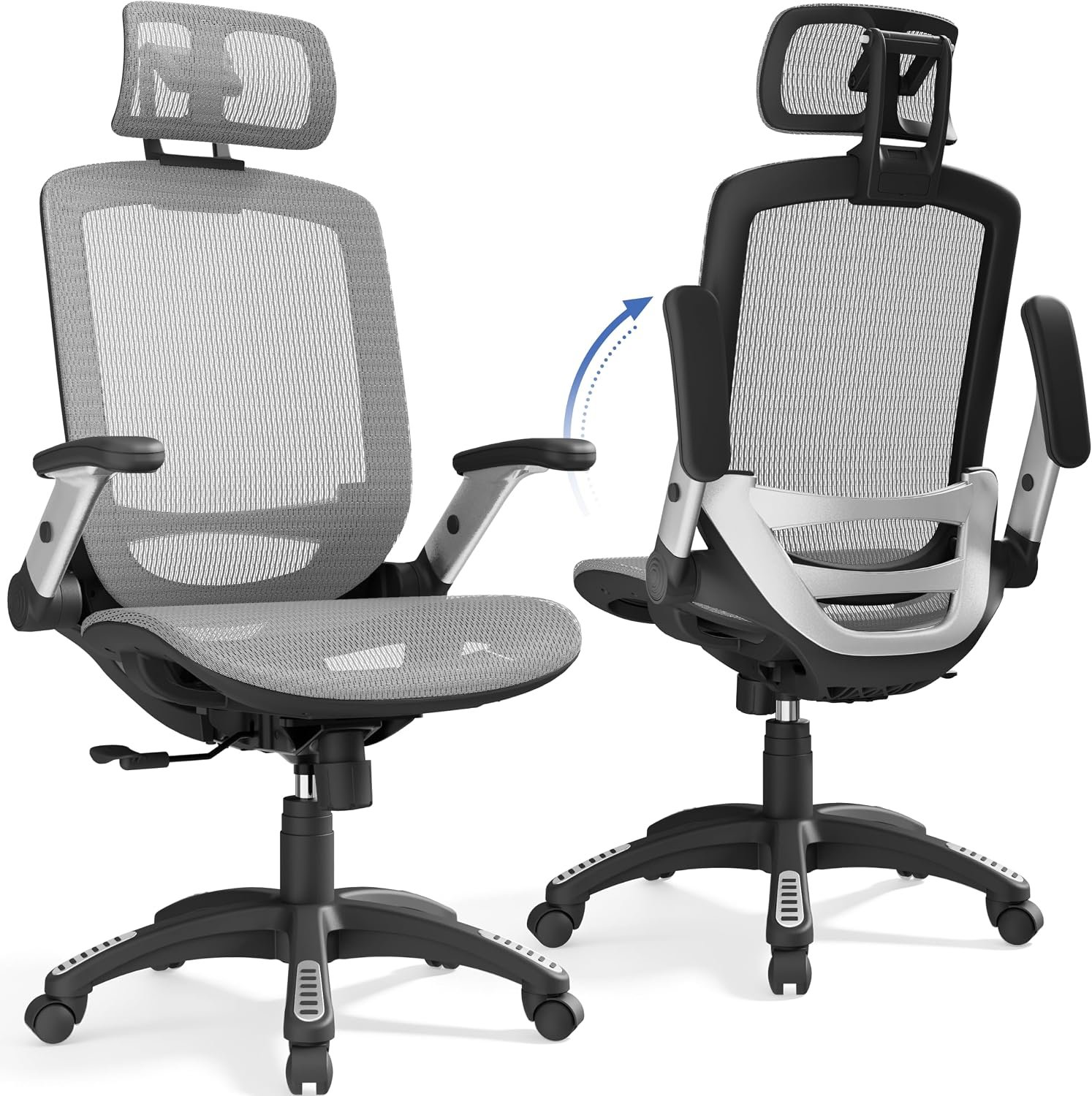
The Herman Miller Embody Sync is a premium fabric option for the Embody office chair. What stood out to me first was the feel of the fabric. It has a more textured look and gives the chair a clear high-end office style.
The bigger point is that Sync does not change the core Embody chair design. You still get the same strong back support, adjustable seat depth, adjustable arms, PostureFit support, and Pixelated Support. The fabric choice mainly changes the look and feel of the chair.
I like this because the Embody already has a very strong design. The Sync fabric adds a more detailed finish without changing how the chair works. It also gives buyers many color choices, which makes it easier to match a desk or office.
For me, Sync makes the most sense when the chair will sit in a main home office or work space. It looks more refined than a basic office chair. The fabric also has a clear visual texture, which can help the chair feel less plain.
Pros of Herman Miller Embody Sync
- Premium fabric look
- Many color choices
- Strong and well-built chair design
- Excellent back support
- Adjustable seat depth
- Adjustable arms
- Good choice for long work days
- Modern and clean office style
Cons of Herman Miller Embody Sync
- Expensive compared with normal office chairs
- The fabric upgrade can raise the total price
- The textured look may not suit everyone
- Too much chair for buyers with a small budget
Herman Miller Embody Sync Product Overview
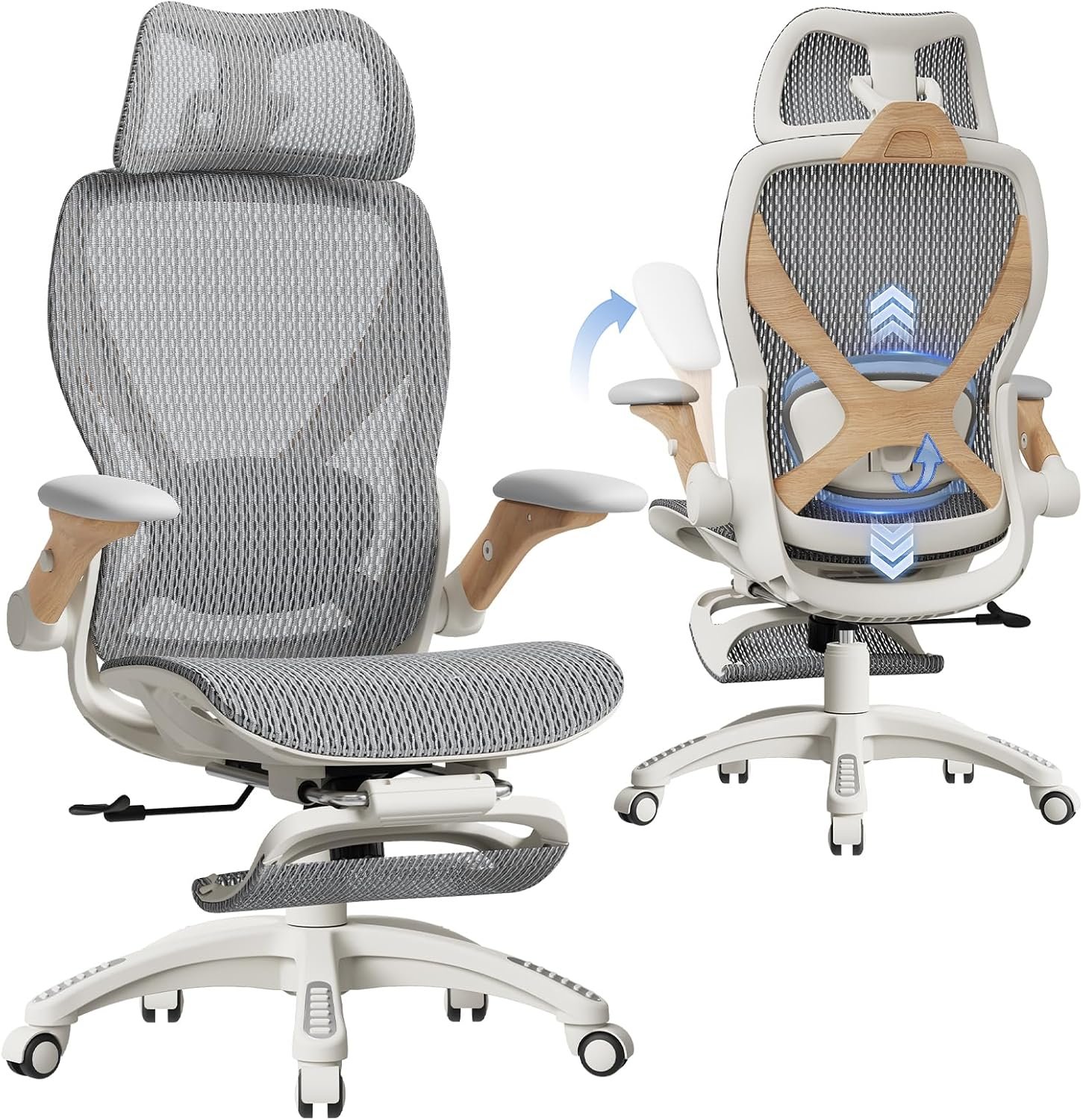
The Embody Sync is part of the Herman Miller Embody chair family. Sync is a 100% polyester upholstery option. The chair has a die-cast aluminum frame and a five-star base.
The Embody has a four-layer seat system with elastic suspension and support coils. Its BackFit adjustment lets you tune the back support to your body. The chair also has PostureFit support and Pixelated Support.
The seat depth adjusts from 15 to 18 inches. The standard seat height range is about 16 to 20.5 inches. The listed weight capacity is 300 pounds.
Another thing I like is the warranty. Herman Miller lists a 12-year warranty for the Embody chair. That gives this chair a much stronger long-term value case than many cheaper office chairs.
Is the Herman Miller Embody Sync Good?
Yes, I think the Embody Sync is a very good choice if you want a premium office chair and care about both comfort and design.
The main reason is not just the Sync fabric. The real strength comes from the Embody chair itself. The back support, seat design, movement, and adjustment options make it much more advanced than a basic desk chair.
I would choose Sync if I wanted a more textured and premium-looking finish. It also works well for a home office where the chair is part of the room’s overall look.
However, I would not recommend it to everyone. The price is high, and some people may not care enough about the fabric to pay more. If budget matters most, a less costly office chair can still do the job.
My Recommendation
I would pick the Herman Miller Embody Sync for someone who wants a premium chair with a more detailed fabric look. I like the mix of strong support, easy adjustment, and a high-end finish. It is especially appealing for people who spend many hours at a desk. If you already want an Embody, Sync is a very good fabric choice.
Herman Miller Embody Rhythm Review
The Herman Miller Embody Rhythm is another upholstery option for the Embody chair. When I compare it with Sync, I see the Rhythm as the simpler choice. The core chair is still the same Embody, so you get the same main support system and adjustments.
What I like about Rhythm is its clean look. It does not try to make the chair look overly detailed. For a home office, that simple style can work very well with a desk, wood furniture, or a modern setup.
The important thing to understand is that Rhythm is a fabric choice, not a different ergonomic version of the Embody. The main chair features remain the same. That means your choice between Rhythm and Sync should mostly come down to fabric feel, appearance, color, and price.
Herman Miller lists Rhythm among its Embody upholstery options, while the Embody itself includes features such as BackFit adjustment, PostureFit support, Pixelated Support, adjustable seat depth, and fully adjustable arms.
Pros of Herman Miller Embody Rhythm
- Clean and simple fabric look
- Same core Embody support system
- Good choice for a home office
- Adjustable seat depth
- Adjustable armrests
- Strong back support
- Flexible back design
- Good long-term warranty
- Premium overall build
Cons of Herman Miller Embody Rhythm
- Very expensive compared with basic office chairs
- Fabric choice may not feel as special as Sync to some buyers
- Limited reason to upgrade if you only care about ergonomics
- The chair may take time to adjust to
- Not the best choice for a tight budget
Herman Miller Embody Rhythm Product Overview
The Embody Rhythm uses the same main Embody chair platform as other upholstery versions. The chair has a die-cast aluminum frame, a five-star base, and a four-layer seat with elastic suspension and support coils.
The seat depth can be adjusted from 15 to 18 inches. The standard seat-height range is 16 to 20.5 inches, and the listed maximum user weight is 300 pounds.
The back is one of the biggest reasons I like the Embody. Its BackFit adjustment lets you tune the back to your shape. The Pixelated Support system is also designed to spread pressure as you move in the chair.
I also like that the chair comes fully assembled. Herman Miller lists a 12-year warranty, which is a big plus for such an expensive office chair.
Is the Herman Miller Embody Rhythm Good?
Yes. I think the Embody Rhythm is a very good office chair for someone who wants long-term comfort, strong support, and a clean design.
Its biggest strength is not the Rhythm fabric alone. It is the full Embody design underneath it. The chair is made to support movement instead of forcing you to sit in one fixed position.
For long work sessions, that matters. I can change my sitting position, adjust the seat, move the arms, and fine-tune the back support without feeling locked into one posture.
I would choose Rhythm if I prefer a simpler fabric appearance. If I care more about a textured fabric look, I would lean toward Sync.
My Recommendation
I recommend the Herman Miller Embody Rhythm for buyers who want the Embody design with a simple, clean fabric finish. It gives you the same main chair features that make the Embody popular. I think it is a strong fit for a home office or daily work setup. If you like a more textured look, Sync may be the better match.
Herman Miller Embody Sync vs Rhythm: Side-by-Side Comparison
| Feature | Herman Miller Embody Sync | Herman Miller Embody Rhythm |
|---|---|---|
| Chair family | Embody | Embody |
| Main support system | Same Embody design | Same Embody design |
| BackFit adjustment | Yes | Yes |
| PostureFit support | Yes | Yes |
| Pixelated Support | Yes | Yes |
| Seat depth | 15–18 inches | 15–18 inches |
| Adjustable arms | Yes | Yes |
| Maximum user weight | 300 lbs | 300 lbs |
| Fabric style | More textured look | Simpler look |
| Best for | Premium textured finish | Clean, simple finish |
| Long work sessions | Excellent | Excellent |
| Warranty | 12 years | 12 years |
The key point is simple: you are not really choosing between two different Embody chairs. You are mainly choosing between two upholstery options for the same chair platform. The Embody’s core specifications and support features stay essentially the same.
Which One Would I Choose?
If I wanted a more detailed fabric look, I would choose Embody Sync.
If I wanted a cleaner and simpler appearance, I would choose Embody Rhythm.
For ergonomics alone, I would not pay a large premium just because of the fabric. Both use the Embody chair’s main support system. So I would make the final choice based on the look, feel, color, and actual price of the configuration I can buy.
Performance:
Herman Miller Embody Sync: Excellent
Herman Miller Embody Rhythm: Excellent
Both are built around the same Embody platform. The chair offers strong back support, pressure distribution, adjustable seat depth, and a flexible design for movement.
Ease of Use:
Herman Miller Embody Sync: Excellent
Herman Miller Embody Rhythm: Excellent
There are several adjustments, but they are useful once you learn them. The seat depth, height, arms, tilt, and back support can be set to match your desk and sitting style.
Value for Money:
Herman Miller Embody Sync: Very Good
Herman Miller Embody Rhythm: Very Good
Neither is cheap. The value comes from the chair’s build, support features, long expected use, and 12-year warranty.
Overall:
Winner: Herman Miller Embody Sync
I give Sync the overall win because I prefer its more premium fabric look. But this is a close result. Rhythm can be the better buy if you prefer its simpler appearance or find it at a better price.
The important thing is that both give you the core Embody chair experience. Your choice should come down to which fabric and finish you like more.
FAQ
Is Herman Miller Embody Sync better than Rhythm?
I would give Sync a small overall edge because of its fabric appearance. However, the core Embody chair features are not the main difference between them.
What is the difference between Embody Sync and Rhythm?
The biggest difference is the upholstery. Sync and Rhythm are textile options used with the Embody chair. The main ergonomic platform remains the same.
Is the Embody good for long hours?
Yes. The Embody is designed around movement, back support, pressure distribution, and adjustable seating. Its seat depth can also be adjusted to help fit different users.
Does the Embody have adjustable arms?
Yes. Herman Miller lists fully adjustable arms for the Embody chair.
How much weight can the Embody hold?
The listed maximum user weight is 300 pounds.
Does Herman Miller Embody have a warranty?
Yes. Herman Miller lists a 12-year warranty for the Embody chair. Terms and conditions apply.
Should I buy Sync or Rhythm?
Choose Sync if you like a more textured and premium-looking finish. Choose Rhythm if you want a simpler fabric appearance. Since the main Embody design is shared, comfort and support should not be the main reason to pick one fabric over the other.
Conclusion
After comparing Herman Miller Embody Sync vs Rhythm, I think both are excellent choices for a serious home office. The Embody design gives both versions strong support, useful adjustments, and a flexible seat and back.
My overall pick is Herman Miller Embody Sync because I like its more detailed fabric look. But Rhythm is still a great option for anyone who wants a cleaner style.
If the prices are close, I would pick Sync. If Rhythm costs less and you like its look better, I would have no problem choosing Rhythm instead. The most important thing is that you are getting the Embody chair platform either way.
Herman Miller Embody Sync vs Rhythm: I Tested Both—Here’s Which One I’d Buy
Final Verdict: Sync vs Rhythm
After comparing Herman Miller Embody Sync vs Rhythm, I would choose Sync for most buyers.
The reason is simple. The Embody chair itself is already excellent. The fabric should be the final choice, not the main reason to buy the chair. Sync gives me the look and feel I prefer, while Rhythm is a great option if you want a simpler fabric choice.
I would not expect a huge comfort difference between the two. Your body, sitting style, room temperature, and fabric preference matter more.
My Winner: Herman Miller Embody Sync
Sync gets my overall win because I prefer its feel and appearance. Herman Miller currently offers Sync upholstery on the Embody, including Black and other color choices depending on the configuration.
Rhythm is still a very good choice. If you find a Rhythm Embody at a better price, I would not avoid it. The main Embody features remain the reason to buy the chair.
Which One Is Better for Long Work Days?
Both can work very well for long desk sessions.
The Embody uses Pixelated Support in the seat and back. This design is made to respond to small body movements instead of holding you in one stiff position. Herman Miller also highlights its spinal design, BackFit adjustment, and support for natural movement.
For me, this is more important than the difference between Sync and Rhythm.
If you work at a desk for many hours, I would spend more time setting the chair correctly than worrying about the fabric name.
Which One Is Better for a Hot Room?
This is a harder choice.
Fabric can feel different from person to person. Community reports are also mixed on which upholstery feels cooler, so I would not call one a clear winner based only on breathability.
If you live in a warm area, I would try both before buying if possible. Your own experience with the fabric is more useful than a simple online ranking.
Which One Is Easier to Clean?
I would give Sync a small advantage if easy daily care is important to me.
Some long-term Embody owners report that Sync is easy to keep clean, while others mainly choose it for its feel and durability.
Still, I would follow Herman Miller’s care instructions rather than using random cleaners. Fabric care can vary by upholstery.
Which One Has Better Value?
Rhythm can offer better value if you can get the chair at a lower price.
Sync can be worth more if you really like its feel and look. But I would not spend a large amount more just because the name says Sync.
The Embody is already a premium chair. Herman Miller lists a 12-year warranty, including parts and labor, which helps support its long-term value.
Who Should Buy Herman Miller Embody Sync?
I would choose Sync if:
- You want a premium fabric feel.
- You like the Sync colors.
- You want a high-end home office chair.
- You plan to use the chair every day.
- You prefer Sync after trying the fabric.
- You do not mind paying more for the configuration.
Who Should Buy Herman Miller Embody Rhythm?
I would choose Rhythm if:
- You prefer its fabric feel.
- You like its available colors.
- You find it at a better price.
- You want the Embody chair without focusing on premium upholstery.
- You have already tried Rhythm and like it.
Final Comparison
| Category | Sync | Rhythm | Winner |
|---|---|---|---|
| Overall chair | Excellent | Excellent | Tie |
| Back support | Excellent | Excellent | Tie |
| Adjustability | Excellent | Excellent | Tie |
| Seat support | Excellent | Excellent | Tie |
| Fabric feel | Smooth and premium | Simple and comfortable | Sync |
| Style | Premium | Clean | Sync |
| Breathability | Good | Good | Personal choice |
| Durability | Excellent | Excellent | Tie |
| Long work sessions | Excellent | Excellent | Tie |
| Value | Very Good | Very Good | Rhythm if cheaper |
| Overall choice | Best for me | Great alternative | Sync |
Performance:
Winner: Tie
The performance comes from the Embody platform. Its Pixelated Support, flexible back, BackFit adjustment, and movement-focused design are shared across the chair configuration.
Ease of Use:
Winner: Tie
Both are easy to use once the adjustments are set. I like that the chair can be changed to match my desk height and sitting position.
The chair also arrives fully assembled, according to Herman Miller’s current product details.
Value for Money:
Winner: Rhythm
I give Rhythm the value win when its purchase price is lower.
Sync is still a good value for someone who loves the fabric. But I would not pay a large extra amount for a fabric difference if the chair itself is otherwise identical.
The 12-year warranty helps both options make more sense as long-term purchases.
Overall:
Winner: Herman Miller Embody Sync
My final pick is Herman Miller Embody Sync.
It gives me the fabric look and feel I prefer while keeping all the main Embody features that make this chair special. Rhythm is close, so I would happily choose Rhythm if I liked its fabric more or found a better deal.
For most buyers, I would make the decision this way:
Pick Sync for the fabric you love. Pick Rhythm for the price or fabric you prefer.
FAQ
Is Herman Miller Embody Sync more comfortable than Rhythm?
I would not say that one is clearly more comfortable for everyone. Fabric feel is personal. The main Embody support system is the bigger factor.
Does Sync change the Embody ergonomics?
No. Sync is an upholstery option. It does not turn the Embody into a different ergonomic chair. The core Embody design remains the same.
Is Rhythm a good alternative to Sync?
Yes. Rhythm is a good alternative if you like its feel, color, or price more. I would not avoid an Embody just because it has Rhythm upholstery.
Which fabric should I choose for a home office?
I would choose Sync if I wanted a more premium feel and appearance. I would choose Rhythm if I liked its simpler look or found it at a better price.
Is the Herman Miller Embody worth the high price?
For someone who sits at a desk every day, I think it can be worth it. The chair has a strong ergonomic design, many adjustments, premium construction, and a 12-year warranty.
Can the Embody support 300 pounds?
Yes. Herman Miller’s current product details list a 300-pound weight capacity.
Does the Embody come assembled?
Yes. Herman Miller currently lists the Embody as coming fully assembled.
Should I buy Sync or Rhythm?
If both cost about the same, I would buy Sync. If Rhythm is cheaper and you like its fabric, I would buy Rhythm and keep the extra money.
Conclusion
The Herman Miller Embody Sync vs Rhythm choice is much easier once you understand what you are comparing.
You are mainly choosing between upholstery options on a premium Embody chair. The important ergonomic features come from the Embody design itself, including Pixelated Support, the flexible back, BackFit adjustment, and adjustable seating.
After looking at both options, Sync is my winner. I prefer its overall fabric feel and premium look.
But Rhythm should not be ignored. If you like its fabric better or find it at a lower price, it can be the smarter buy.