
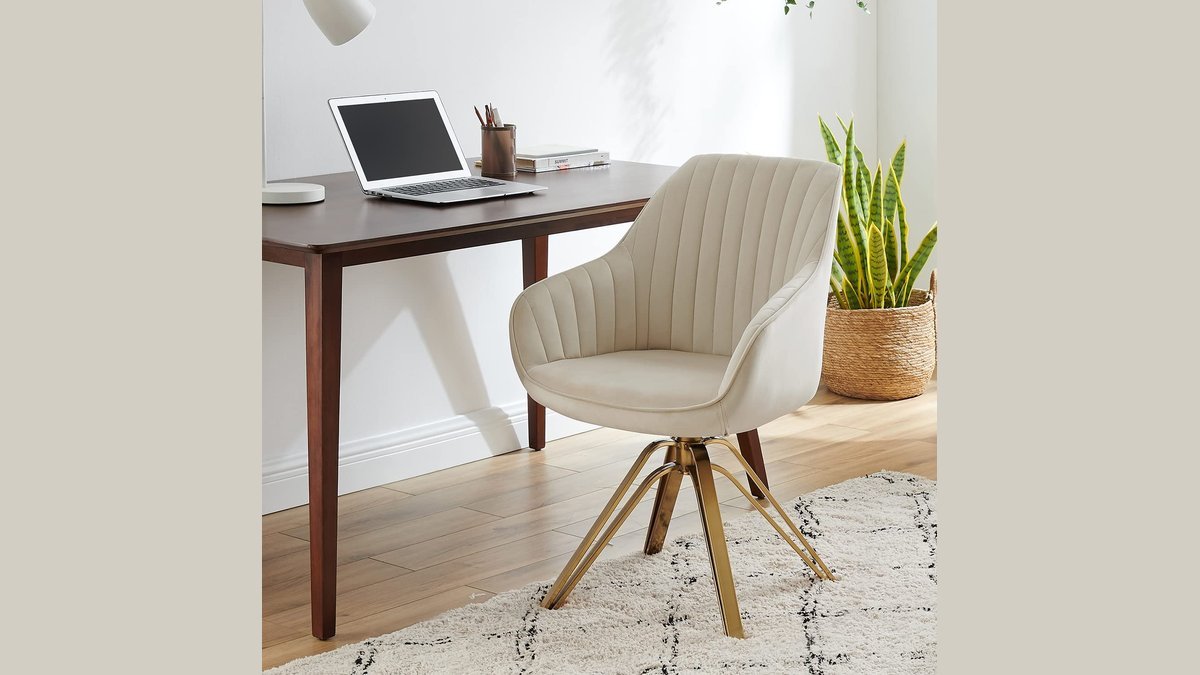
To secure a stable desk chair no wheels canada shoppers can buy stationery conference chairs or swap standard casters for bell glides. Rolling seats slide too easily on laminate flooring, causing poor posture and lower back strain during long work hours.
Stationary office seating causes and needs

Standard office seating comes with rolling casters to let workers move between desks and filing cabinets quickly. However, this feature creates serious problems on hard Canadian surfaces like polished concrete, engineered hardwood, and tile. The chair rolls back every time you shift your weight, breaking your lumbar support alignment.
This setup isn’t for warehouse jobs or shared stations where workers need quick mobility across a large desk. Choosing stationary seating gives up quick movement in exchange for firm lumbar stability and zero floor scratches.
According to ergonomic guidance from the Canadian Centre for Occupational Health and Safety, a proper seat must offer stable base support to keep your posture neutral. When wheels drift backward, your lower spine bends and creates muscle fatigue.
Swap your casters for bell glides
You don’t need to throw away an adjustable chair just to eliminate the rolling action. Most modern office chairs use a standard 7/16-inch by 7/8-inch grip ring stem on their caster wheels. Pull one wheel firmly out of the chair base, measure the metal pin with a ruler, and push a metal or plastic bell glide into the socket.
If your stem measures 7/16-inch wide, purchase standard friction-fit glides; if your stem is 3/8-inch, standard sizes will wobble and snap. This fix lets you keep your gas-lift height adjustment and tilt features while planting the seat firmly on the ground. You’ll know it worked when the chair base sits flat and doesn’t budge as you sit down.
Pick a sled-base guest chair
Buying a dedicated sled-base executive chair eliminates wheels without any DIY steps. These chairs feature continuous metal frame rails that sit flush across carpets or area rugs, spreading your body weight evenly. They provide a rigid, secure seat that never slips away when you stand up or sit down.
Measure your desk clearance before purchasing, because most sled-base models have fixed seat heights around 18 inches. Sit on the chair and verify that your forearms rest parallel to the desk surface. If the fixed height doesn’t match your body frame, you’ll need a footrest or keyboard tray to stay comfortable.
Build a base conversion with locking cups
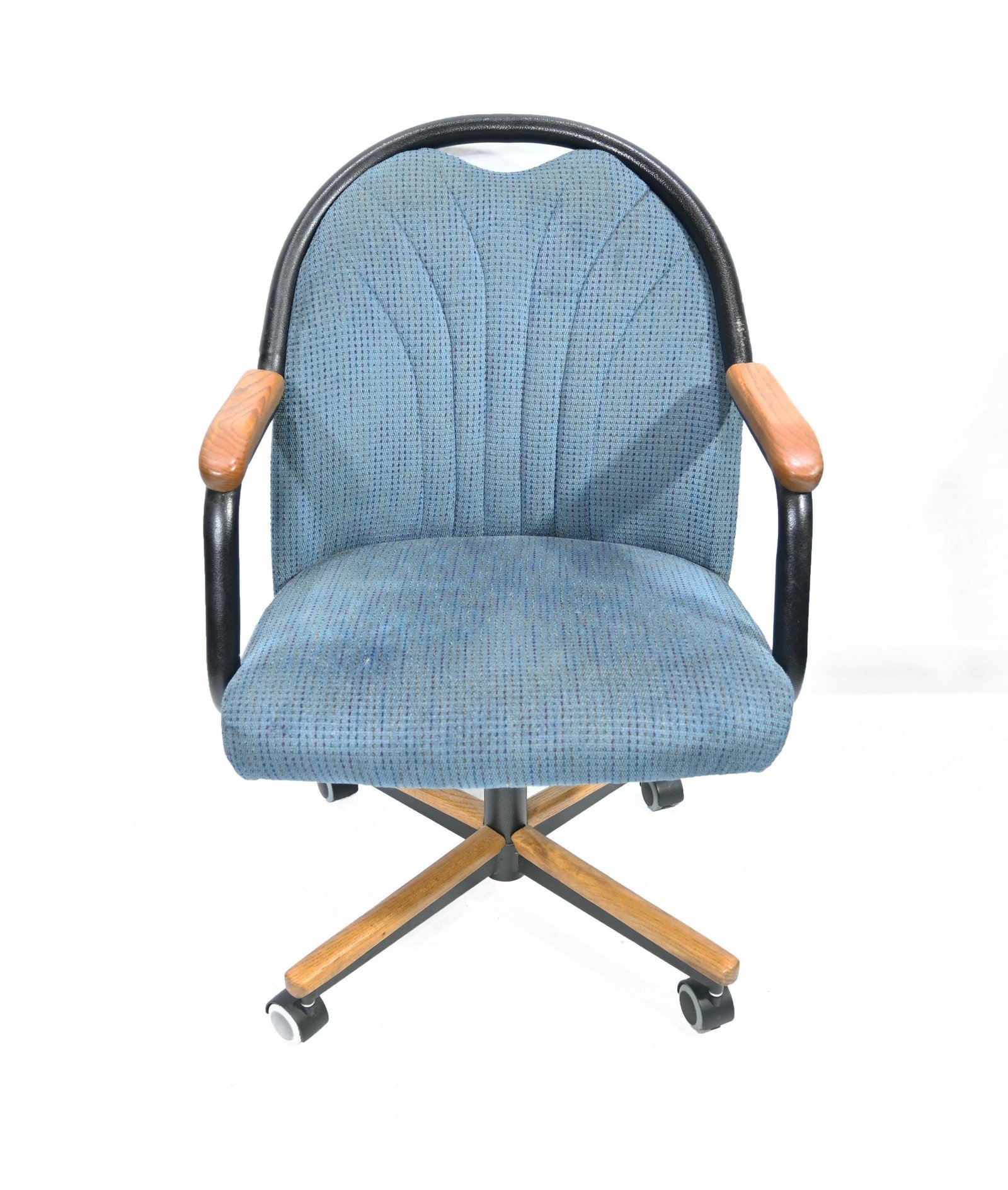
A heavier solution involves setting your existing chair wheels into rubberized caster cups. This method is worth the effort if you rent an apartment or lease an office where modifying furniture isn’t allowed. Slip a dense rubber cup underneath each of the five wheels on your chair base.
The cups grip hard floors through friction and stop wheels from rotating. However, the rubber cups add roughly half an inch of height to your chair. This adjustment requires lowering your gas lift to keep your knees bent at a clean 90-degree angle. You’ll know it holds when firm hip pressure fails to push the chair backward.
Common stationary chair buying mistakes
- Buying dining room chairs for desk work: Wooden dining chairs lack lower back curves, which pinches spinal discs after just two hours.
- Using adhesive felt pads directly on plastic wheels: The felt rips off under side-to-side friction within days, leaving sticky residue on your floorboards.
- Skipping base measurements: A mistake people actually make is buying European 10-millimeter glides for standard 11-millimeter Canadian bases, wasting money on parts that slide right out.
- Ignoring armrest heights: Non-adjustable conference chairs often bang into desk drawers, forcing you to sit too far away from your keyboard.
Practical ways to keep desk chairs stable
A few daily habits keep your workspace stable and protect your flooring from unnecessary wear.
| If you’re doing this | Do this instead | Why |
|---|---|---|
| Rolling across hardwood floors | Install nylon or felt-bottom bell glides | Protects wood finish from grit scratches |
| Sliding backward on high-pile carpet | Place a rubber-backed stationary runner mat down | Prevents uneven base tilting on soft fibers |
| Struggling with fixed-height conference chairs | Add an adjustable footrest underneath your desk | Keeps thighs parallel to floor for good blood flow |
| Swapping wheels without measuring pins | Check stem diameter with a digital caliper | Prevents loose stems from bending the wheel socket |
Frequently asked questions
Can you replace office chair wheels with flat feet?
Yes, bell glides pop directly into standard five-star office chair bases. You simply pull the old rolling casters straight out of the socket and push the metal glide pins in by hand until they click.
How much height does a chair lose with bell glides?
About one to two inches compared to typical two-inch caster wheels. This varies by model — check the label on your replacement glides and raise your gas lift to restore your working height.
Is it safe to use a desk chair without wheels?
Yes, removing wheels is completely safe if you insert flat glides into the open sockets. Never sit directly on an empty caster socket, as bare metal edges will gouge your floor and crack plastic chair legs.
Why do office chairs without wheels cost more?
Sled bases and metal frames require welded steel tubes and extra freight weight. Rolling chairs use mass-produced nylon star bases that cost manufacturers less to ship and assemble.
Can you lock rolling chair wheels permanently?
No, plastic wheel brake tabs bend under normal weight shifts and eventually let the caster roll. Replace the wheels with stationary glides to stop movement reliably.
Desk chair, in short
Finding the right stationary setup gives you a quiet, solid seat that stays right where you need it throughout your Canadian workday. Always check your desk height against your chair frame before making permanent changes, and enjoy working without your seat sliding away.