
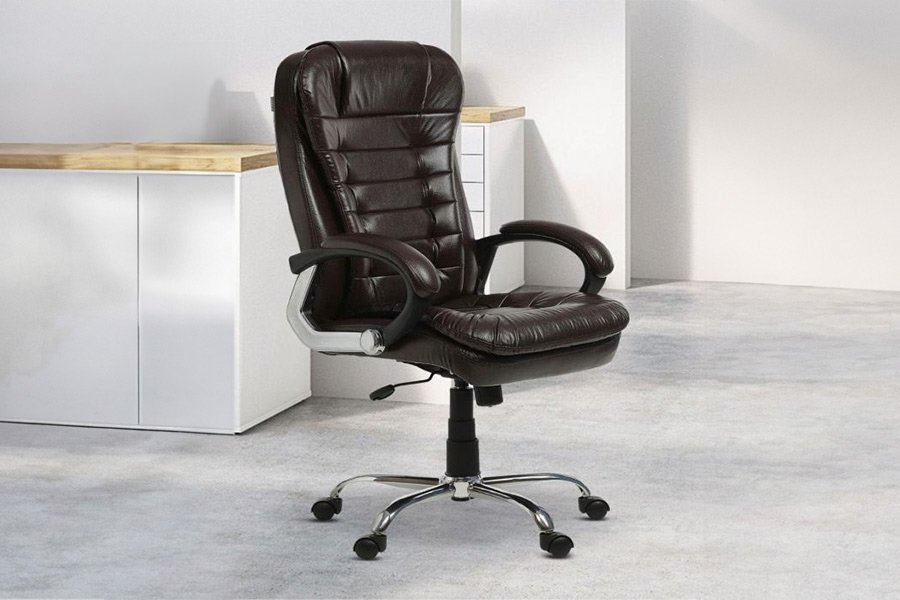
An ergonomic chair with adjustable lumbar support is the best desk chair for lower back problems because it maintains the natural curve of your spine. If you have specific medical conditions, a chair with a reclining backrest is often the better choice.
Finding the best desk chair for lower back problems
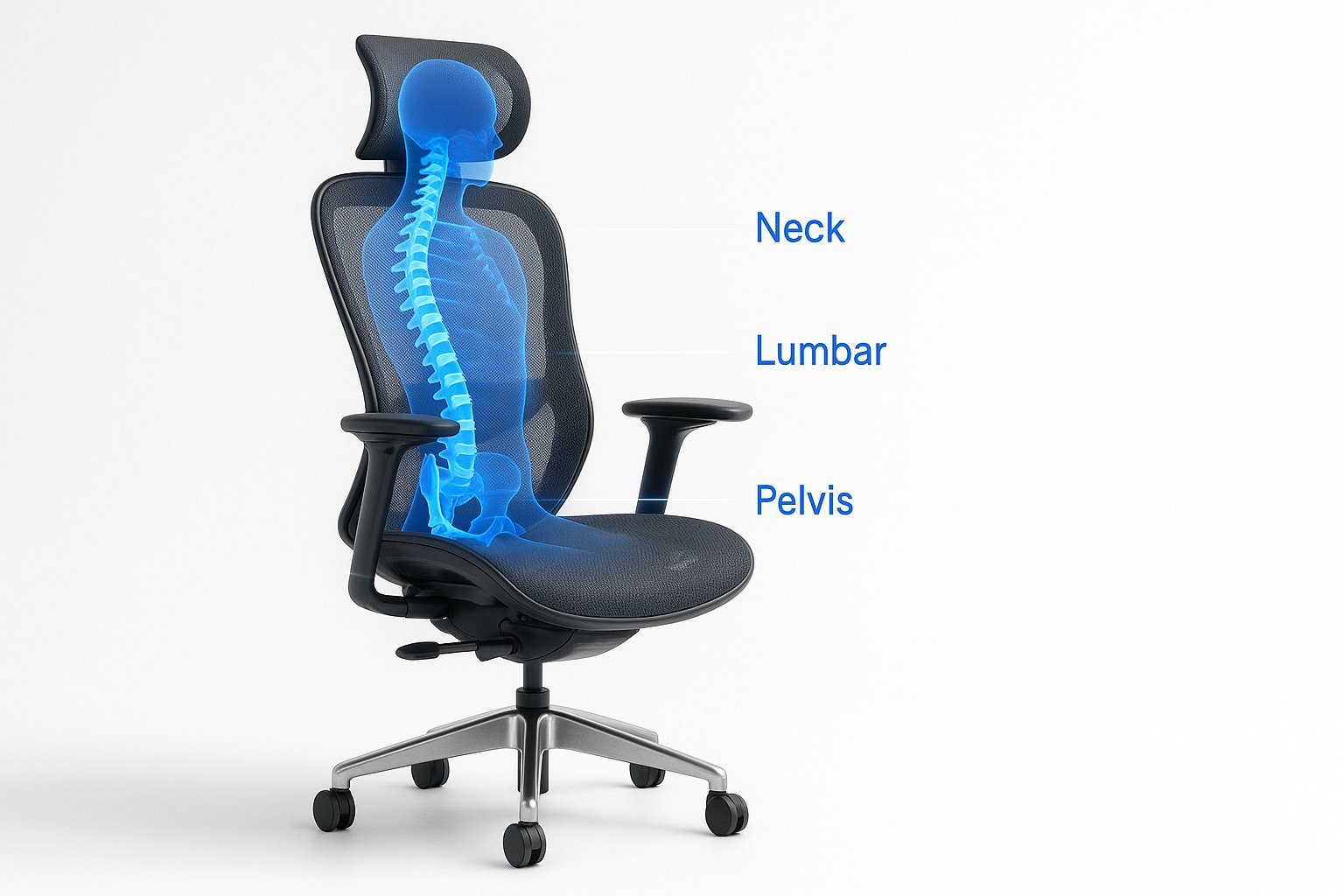
Choosing the right seating depends on your budget and how many hours you sit daily. The following table compares three common approaches to office seating.
| Method | How long | Effort | Cost | Best for |
|---|---|---|---|---|
| Ergonomic Task Chair | Lifetime | Low | High | Daily use |
| Exercise Ball | Short bursts | Medium | Low | Active sitting |
| Kneeling Chair | Fixed time | High | Medium | Short tasks |
If you sit for more than six hours daily, avoid the exercise ball. It lacks lumbar support, which leads to spinal fatigue and long-term slouching. Use the ball only for thirty-minute intervals to engage your core.
The kneeling chair works best if you suffer from lower back pain during standard tasks. However, it forces your knees to bear significant pressure. If you have existing joint issues, skip this option entirely.
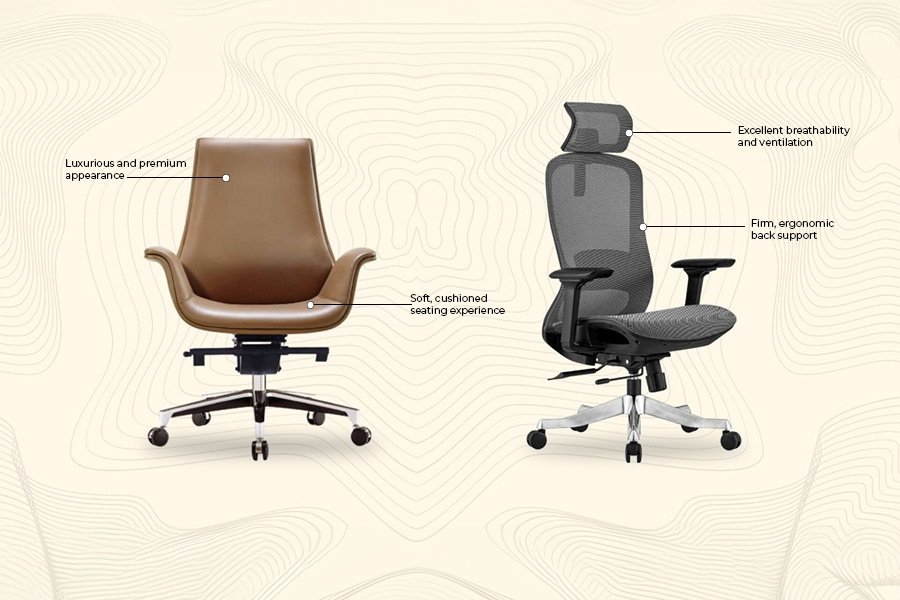
For most professionals, the ergonomic chair remains the superior investment. If your budget is tight, prioritize a chair with adjustable armrests and seat depth. These features prevent the common mistake of buying a chair that forces your body into a static, unnatural position.
Customizing your support
You can adjust a standard ergonomic chair to provide the support your back needs. Follow these steps to set it up:
- Adjust the seat height so your feet rest flat on the floor.
- Slide the lumbar support piece until it sits against your lower curve.
- Tilt the seat pan slightly forward if your knees are higher than your hips.
- Lock the backrest angle at a ninety-degree position to keep your spine straight.
This method works well for office workers who spend eight hours a day at a desk. It isn’t for people with severe spinal injuries, as those require custom equipment from a medical professional. If you feel pain, stop immediately and consult a doctor.
Using an exercise ball
Some people prefer an exercise ball to engage their core muscles while working. This technique requires specific attention to your posture:
- Inflate the ball until your thighs are parallel to the floor when you sit.
- Keep your feet shoulder-width apart to maintain your balance.
- Sit for only twenty minutes at a time to prevent muscle fatigue.
- Return to a traditional chair once you feel your posture start to slump.
Active sitting helps keep muscles engaged, but it lacks the necessary back support for long-term use. This varies by model—check the label for the maximum weight limit before use.
Trying a kneeling chair
A kneeling chair shifts your weight to your shins rather than your spine. This design forces you to sit upright:
- Place your knees on the padded rest while sitting on the slanted seat.
- Adjust the height so your weight is distributed evenly between your knees and seat.
- Keep your shoulders back and your neck in a neutral, relaxed position.
- Stand up every hour to stretch your legs and improve circulation.
Kneeling chairs reduce pressure on the lower back, but they can be hard on your knees over time. According to the Occupational Safety and Health Administration, maintaining a neutral posture is vital for comfort. If you have knee issues, this isn’t the right choice for your workspace.
Which one should you use?
If you’re in a hurry, choose an adjustable ergonomic chair because it provides immediate support without needing a long adjustment period.
When you’re doing this for the first time, use a standard chair with an added lumbar pillow to test your comfort preferences before buying expensive gear. If you find yourself shifting constantly after two hours, your current setup lacks the necessary spinal alignment.
If you want the best possible result, invest in a high-quality ergonomic chair with a dynamic recline feature. The main trade-off is between the active engagement of a ball and the passive support of a chair. Use a ball if you need to strengthen your core for short bursts of thirty minutes. If you work for more than four hours, stick to a chair.
If you choose a chair, ensure the seat pan depth allows for two fingers of space behind your knees. This prevents circulation issues.
The rules that apply whichever way you choose
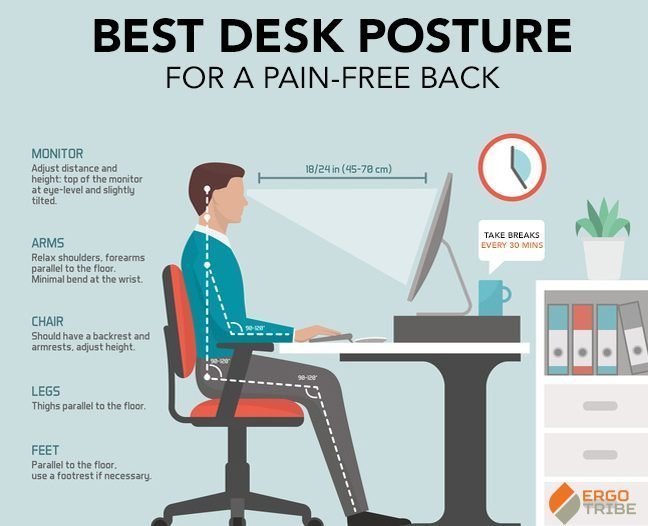
Regardless of your chair, keep your elbows at a ninety-degree angle and your screen at eye level to prevent slouching. The ANSI/HFES 100-2007 standard provides guidelines on how office equipment should fit the human body. Start by checking your desk height, as a chair that’s too low forces you to hunch. Check your posture halfway through your day to correct any drift. If back pain persists, consult a physical therapist for a professional evaluation.