
A tight-weave performance fabric sofa is the most practical choice for a busy household, as it offers the best balance of stain resistance and long-term durability. To choose the best sofa for your living room, you should prioritize high double-rub counts and removable, machine-washable cushion covers.
The most important factor is the frame material, which dictates how long the piece will actually last under daily pressure. Hardwood frames, such as kiln-dried oak, provide the best structural support and prevent warping over time. A common mistake is buying based only on the aesthetic of the fabric, which often leads to pilling or permanent staining within the first year of heavy use.
Choosing the best sofa for your living room
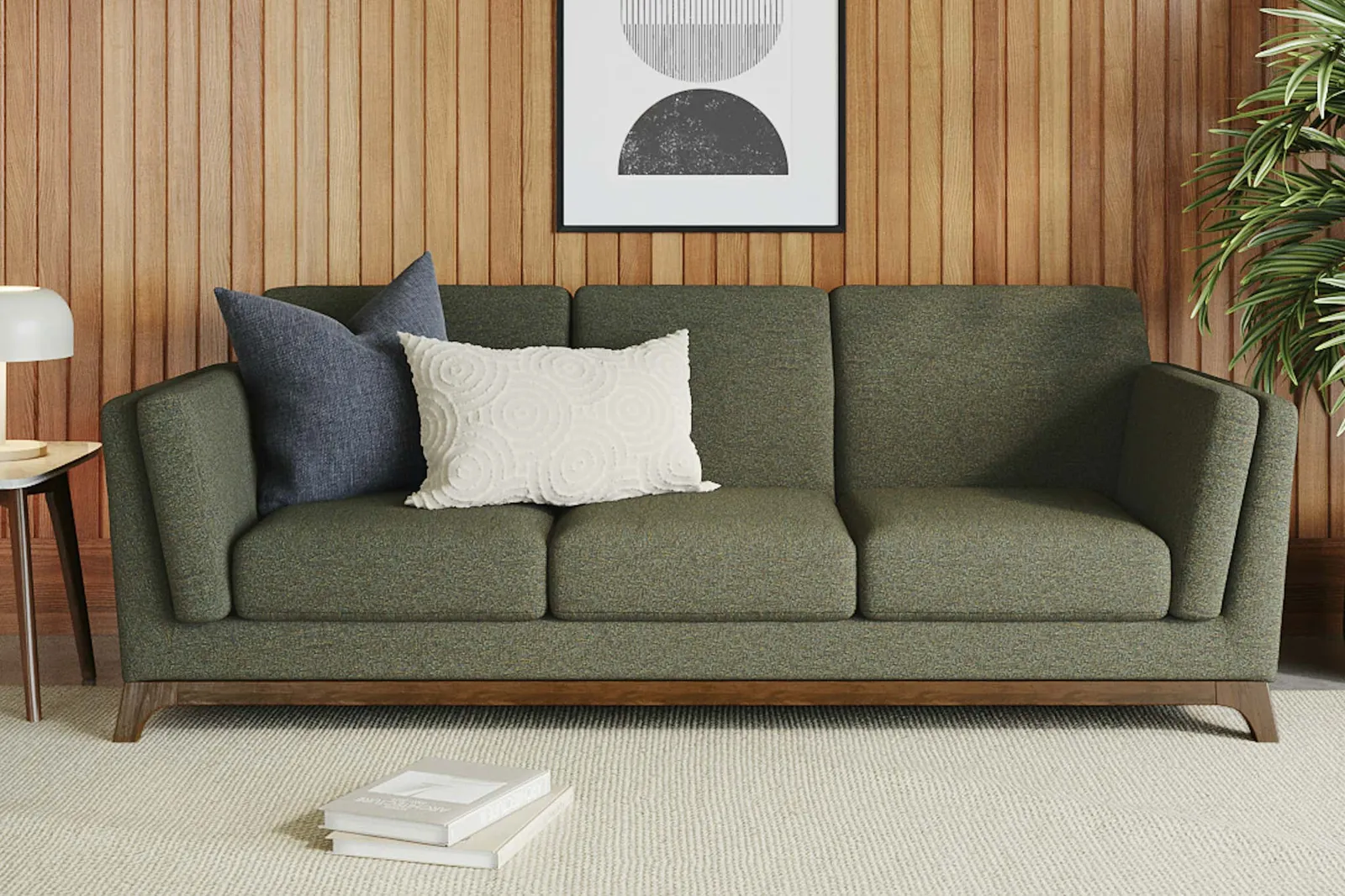
- Measure your available floor space and the width of your doorways to ensure the piece will fit through your home without damage.
- Choose a kiln-dried hardwood frame, as it resists moisture and maintains its shape better than soft pine or particle board.
- Check the upholstery durability by looking for a high double-rub rating, which the American Society for Testing and Materials uses to measure fabric resistance to wear.
- Select high-density foam cushions with a wrap of polyester fiber to ensure the seats hold their shape after you sit on them.
- Test the suspension system by pressing down on the frame; it should feel firm and provide even resistance across the entire seating area. Tip: If you have pets, look for tightly woven synthetic blends that don’t snag easily when claws catch the fabric.
- Verify that the legs are attached with bolts rather than just staples, as this keeps the sofa stable on uneven floor surfaces.
Time required for sofa selection
The time needed to select a sofa depends on whether you buy a floor model or order a custom piece. Most people spend between two and four weeks researching and testing options before making a final commitment to a specific model or fabric grade.
| Situation | Time needed | What changes it | What to watch for |
|---|---|---|---|
| Floor model | 1-2 days | Delivery availability | Visible floor damage |
| Custom order | 8-12 weeks | Fabric stock levels | Lead time changes |
| Online order | 3-5 weeks | Shipping distance | Return policy terms |
If your delivery is taking significantly longer than the stated window, contact the retailer’s logistics department to ask for a specific tracking update on your shipment.
Signs of a high-quality sofa
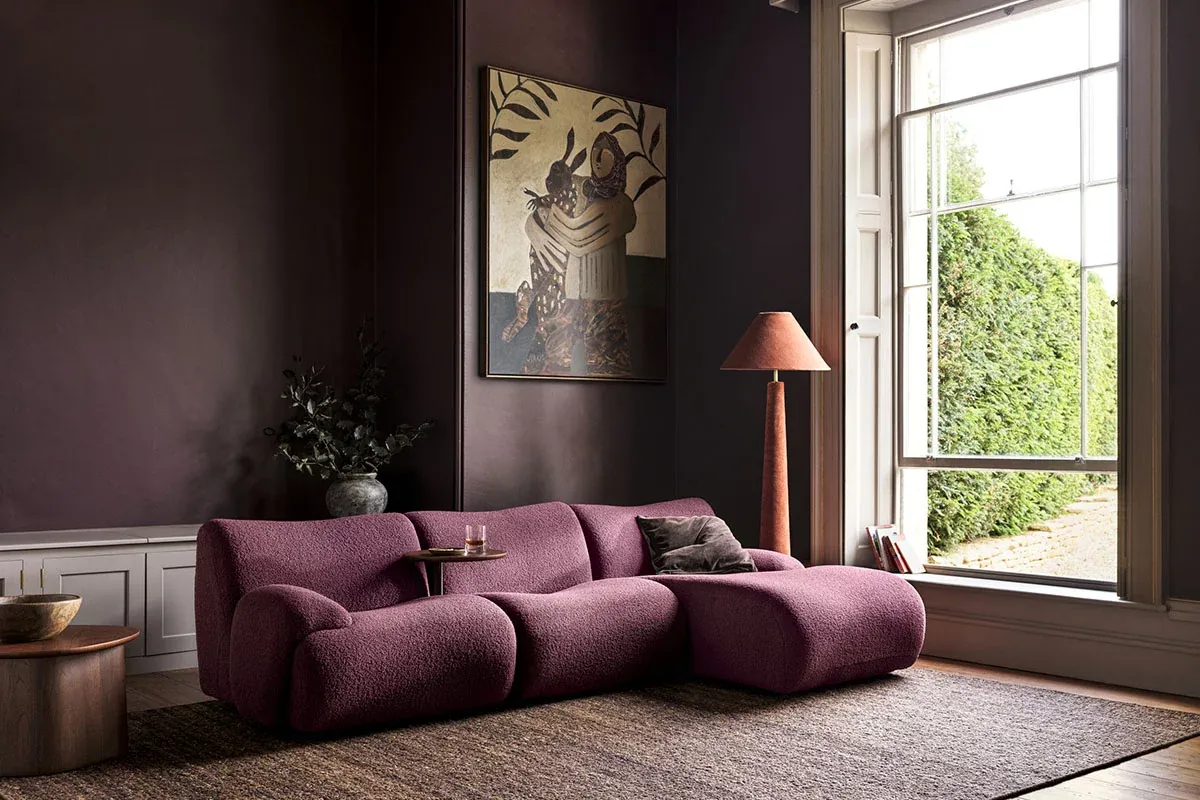
A quality sofa feels heavy and solid when you move it, indicating a sturdy internal frame. You can check the craftsmanship by pulling the dust cover back underneath the frame; the wood should be thick and joined with dowels or metal corner blocks. Avoid any piece that feels light, wobbly, or uses plastic parts for the main structural supports. If the cushions lose their shape immediately when you press them, the foam density is too low for daily comfort.
Common mistakes that ruin sofas
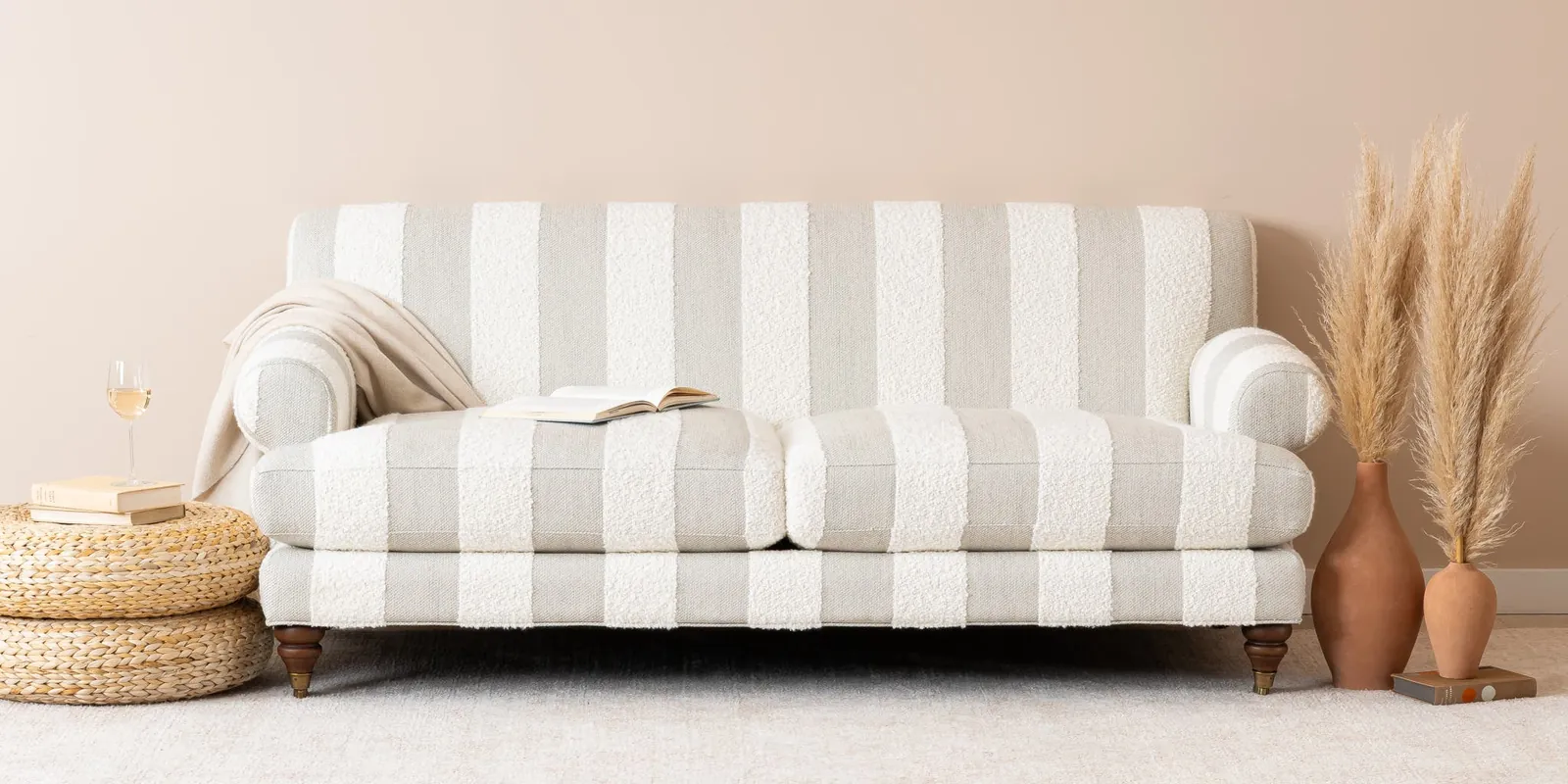
- Ignoring the fabric grade: Choosing a delicate material like silk or loose-weave linen for a high-traffic area leads to rapid tearing and staining. Always pick a performance fabric that matches your specific household activity level.
- Buying for looks over depth: A sofa that’s too deep makes it difficult to sit upright, while one that’s too shallow lacks comfort for lounging. Test the seat depth by sitting down and ensuring your feet touch the floor while your back rests against the cushions.
- Skipping the frame check: Opting for cheaper frames made of plywood or staples results in sagging and squeaking within a few months of regular use. Invest in kiln-dried hardwood to ensure the structure remains rigid for years.
- Overlooking cushion maintenance: Failing to rotate or flip your cushions monthly causes uneven wear patterns on the fabric. Regularly fluffing the back cushions helps maintain the loft and prevents the filling from clumping in one corner.
Frequently asked questions
How often should I clean my sofa fabric?
You should vacuum your sofa regularly to prevent dust and debris from settling into the fibers, though the frequency depends on your specific level of use; consult your owner’s manual for the recommended maintenance schedule. This practice stops abrasive particles from wearing down the fabric weave over time. If you notice a spill, spot-clean it immediately using the manufacturer’s approved cleaning code to prevent permanent staining.
Is it safe to buy a used sofa?
No, buying a used sofa carries the risk of hidden pests or allergens that are difficult to remove completely. If you choose to buy used, inspect the frame for signs of bedbugs or water damage. You must also consider the cost of professional deep cleaning to ensure the upholstery is sanitary.
What is a good double-rub count?
A good double-rub count for a residential sofa is at least 15,000 cycles. If you have a very busy household with children or pets, look for fabrics rated for 30,000 cycles or higher. This number indicates how many times a machine can rub the fabric before it shows visible wear.
How long should a good sofa last?
A high-quality sofa with a hardwood frame usually lasts for a significant period with proper care. The lifespan depends heavily on the quality of the internal suspension and the density of the foam cushions. Rotating the cushions every few months helps distribute the wear and extends the overall life.
Why does my new sofa creak?
A creaking sound usually means the frame joints are loose or the internal springs are rubbing against the wood. This often happens if the sofa was poorly assembled or if the wood wasn’t properly dried before manufacturing. Contact the retailer immediately if you hear these noises during the warranty period.
Can I replace sofa cushions later?
Yes, you can replace the internal foam inserts if the original cushions begin to sag after a few years of use. Many furniture shops sell high-density foam cut to your specific dimensions. This is an affordable way to refresh your sofa without needing to purchase an entirely new piece of furniture.
Conclusion
Choosing the right sofa is about balancing your daily needs with the structural quality of the frame. By focusing on durable fabrics and solid hardwood construction, you ensure that your living room remains a comfortable and functional space for years to come.
Related guides