
In English grammar, saying there’s a sofa in the living room states that one couch exists in that space. You use “there is” because the sofa is singular, while plural furniture takes “there are.”
Living room sofa placement and space facts
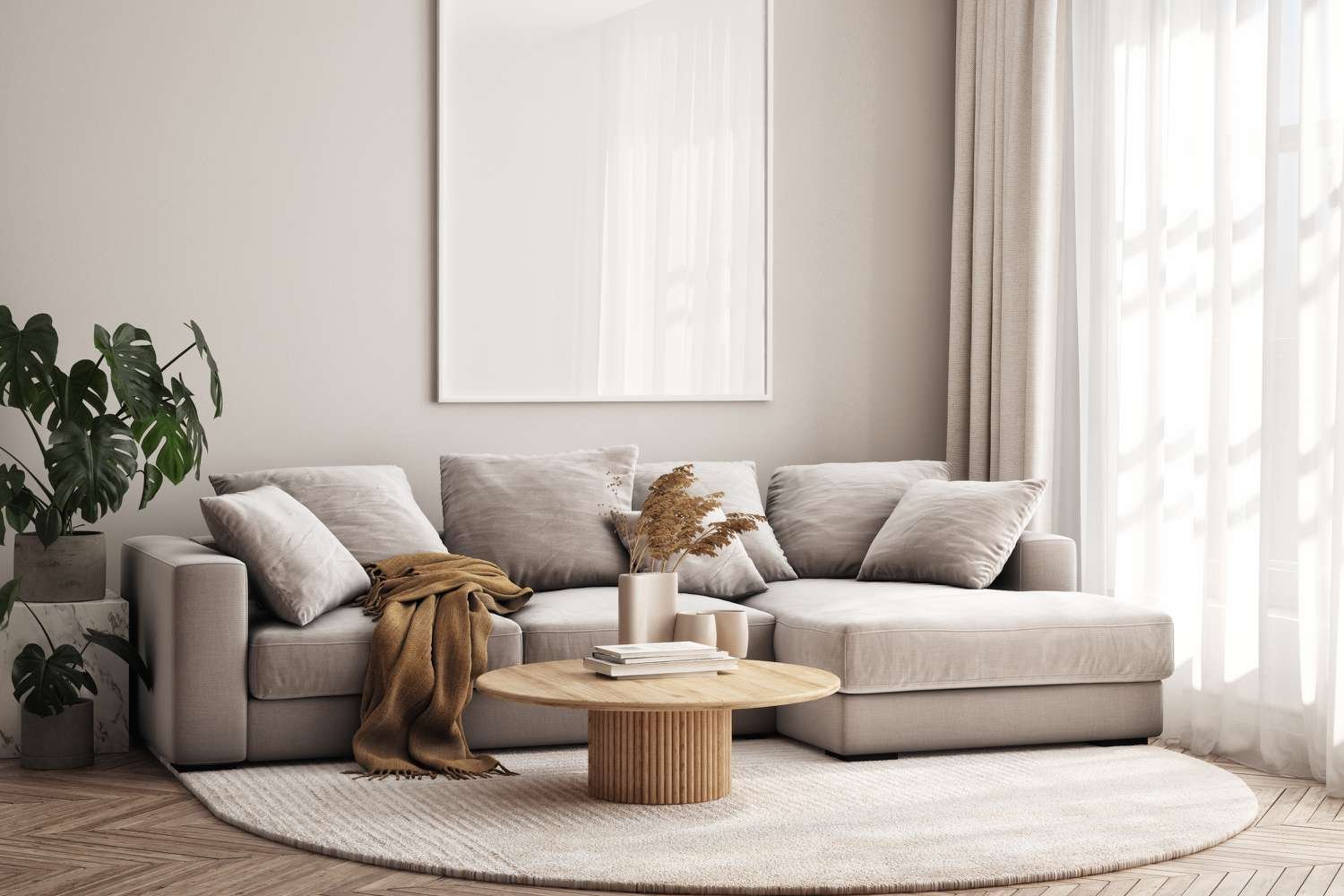
Planning where furniture sits changes how a room functions every day. A clear layout prevents crowded walkways and protects your seating from unnecessary wear.
- Standard three-seat sofas measure between 84 and 90 inches wide, requiring a wall or floor span of at least 8 feet.
- Keep 30 to 36 inches of open walking space along main paths so people can walk through without turning sideways.
- Place a coffee table 14 to 18 inches away from the seat cushions so people can reach drinks easily.
- Keep fabric or leather couches at least 3 feet away from baseboard heaters, radiators, and fireplaces to stop heat damage.
- Pulling seating 4 to 6 inches away from a flat wall makes compact rooms look bigger.
- Rugs should extend 6 to 8 inches past each side of the frame to anchor the seating zone properly.
Why proper sofa positioning matters
A living room needs balanced walkways and clear sightlines to stay comfortable. When a couch blocks natural traffic lines, people bump into corners, scuff baseboards, and crush carpet pile unevenly. Proper placement lets family members walk into the room without squeezing past furniture.
Safety is another major reason to check where seating rests. Soft furnishings placed directly against heating sources create a real fire hazard. The US Consumer Product Safety Commission warns that upholstered furniture catches fire rapidly when placed too close to space heaters or open flames. Keeping a 3-foot buffer protects your home and prevents dry heat from cracking wood frames or drying out leather seams over time.
Lighting and television angles also guide your layout. Sitting straight across from a window can create blinding glare on television screens or fade fabric patterns. Setting the couch perpendicular to windows brings in natural daylight while protecting the fabric from direct sun exposure.
Sofa setups for different room sizes
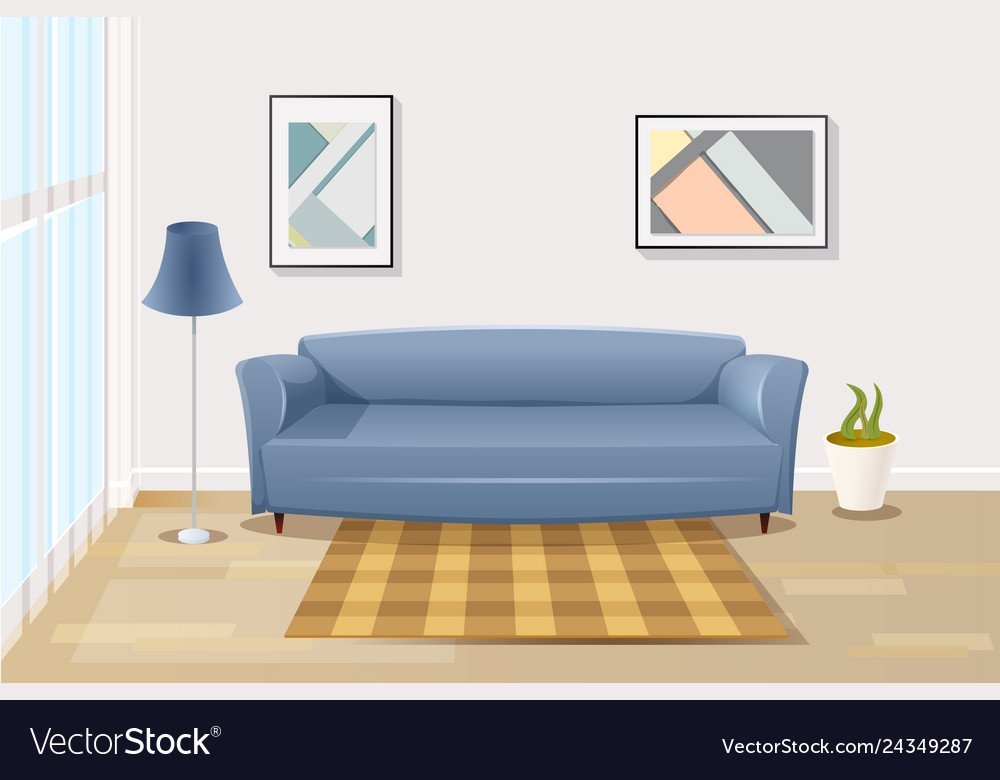
Your room dimensions and door locations determine whether a couch works best against a wall or floating in the center.
| Situation | What changes | What to do instead |
|---|---|---|
| Narrow rectangular room | Walking path is tight | Push sofa flat against longest wall |
| Large open floor plan | Room lacks clear zones | Float sofa to divide living areas |
| Living room with fireplace | Fireplace is main focus | Center sofa directly opposite mantle |
| Multiple doorway openings | Walkways cut through room | Angle sofa away from main entry |
| Low window sills | Frame blocks window light | Pick low-profile backrest below sill |
| Baseboard heaters on wall | Heat dries out materials | Pull frame 3 feet into room |
How to arrange a living room sofa
Moving heavy furniture repeatedly scratches wood floors and strains your back. Measuring your space and testing your setup beforehand ensures the layout works on the first try.
- Measure your room length and width with a steel tape, noting the location of all electrical outlets, doors, and heating vents.
- Outline the sofa’s outer dimensions on your floor using blue painter’s tape to check foot traffic before lifting heavy parts.
- Check the walking path between the tape outline and walls, confirming you have at least 30 inches of open clearance.
- Position the sofa opposite your main focal point, such as a television display, entertainment center, or large window.
- Place your central area rug down, making sure the front legs of the couch rest flat on top of the rug.
- Center your coffee table in front of the cushions, setting it exactly 14 to 18 inches away from the sofa base.
- Sit down on every cushion to confirm you can stretch your legs without kicking the table or blocking a doorway.
Common living room layout mistakes
- Pushing every furniture piece tight against the drywall makes standard rooms feel cold and stiff.
- Placing a deep sectional in front of heating vents blocks airflow and raises your heating bills during cold winter months.
- Choosing an oversized frame that leaves under 24 inches of walkway forces guests to squeeze past sideways and causes bruises.
- Aligning seats directly facing unshaded southern windows creates harsh glare on screens and causes upholstery dyes to fade unevenly.
Frequently asked questions
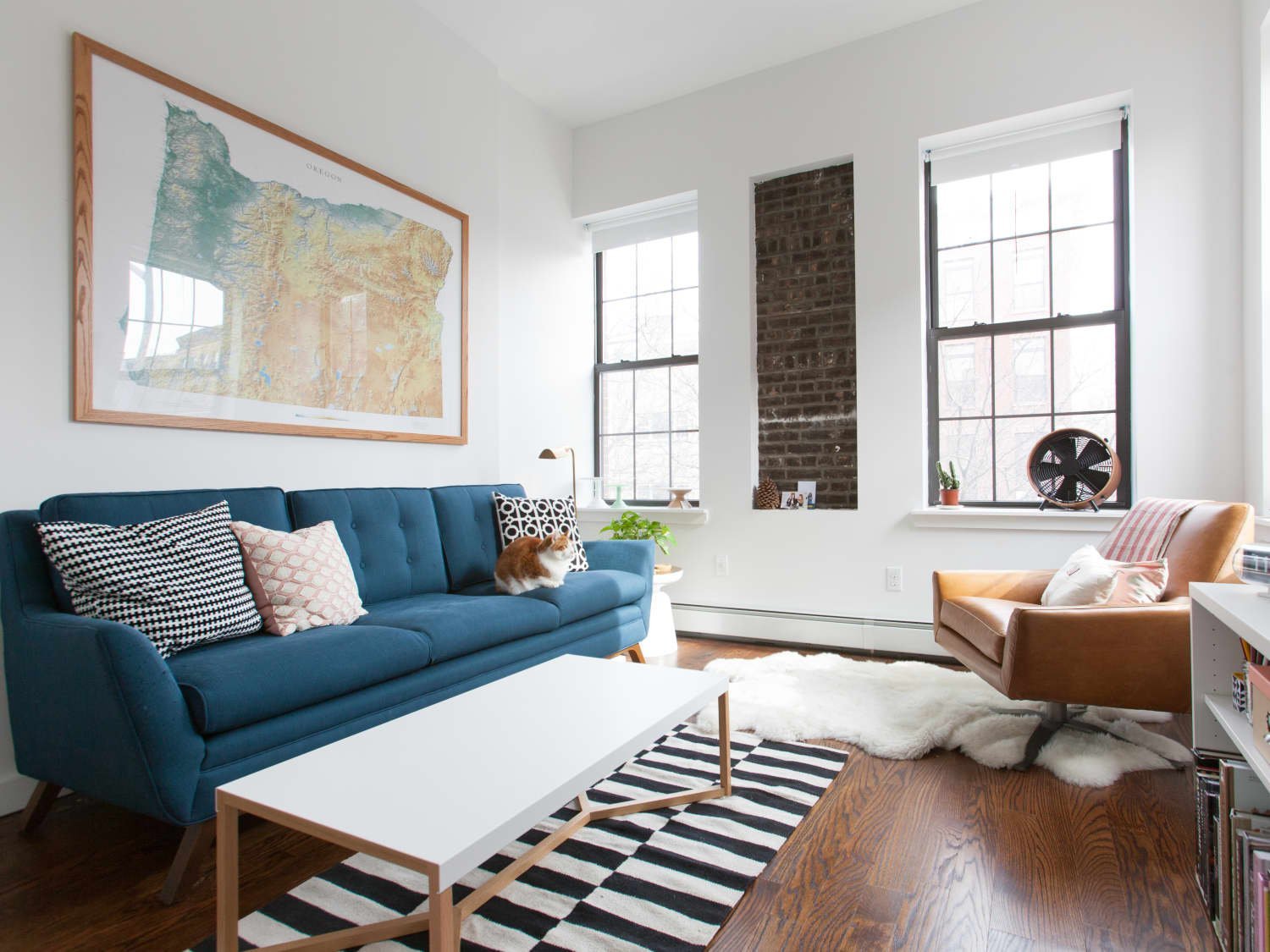
Can a sofa sit in the middle of a room?
Yes, floating a couch in the center works well in open floor plans. It creates natural walking paths and divides your lounging area from your dining space without needing walls.
How much space should be between a sofa and TV?
Keep 7 to 9 feet of distance between a sofa and a typical 55-inch television screen. For larger 65-inch screens, increase that viewing gap to roughly 8 to 11 feet for comfort.
Is it bad to put a sofa against a window?
Yes, if the sofa backrest sits higher than the window sill, it blocks daylight. Direct sun exposure also fades fabric colors and dries out natural leather within a few seasons.
How far should a sofa be from a radiator?
Keep at least 3 feet of open space between any couch and a heat source. Placing cushions closer blocks room airflow and creates a dangerous fire hazard with upholstery fabrics.
What is the trade-off of an L-shaped sectional?
Sectionals offer extra seating for large families, but they permanently lock your room layout. You lose the flexibility to rearrange smaller pieces when hosting gatherings or moving homes.
Who is a large three-seater sofa not for?
This furniture style isn’t for studio apartments or rooms under 10 by 12 feet. Large three-seat frames take up too much floor space and block primary walking pathways in small homes.
A balanced living room needs comfortable seating, open walking paths, and safe clearance from heat. If your space feels cramped, pull the sofa away from tight corners, adjust your coffee table clearance, and leave your walkways open.
Conclusion
Keep practicing with other items around your home to feel more comfortable. Try describing your bedroom or kitchen out loud when you have a free moment. You’ll find that using these phrases becomes natural before you know it. It’s a simple way to improve your confidence while you’re relaxing at home.
Related guides