
A red chair story is an honest, personal account of hardship, recovery, or change told by someone sitting in a bright red seat. The exact prompt relies on a plain setting to remove distractions, keeping all focus on human emotion.
Basics of a red chair story
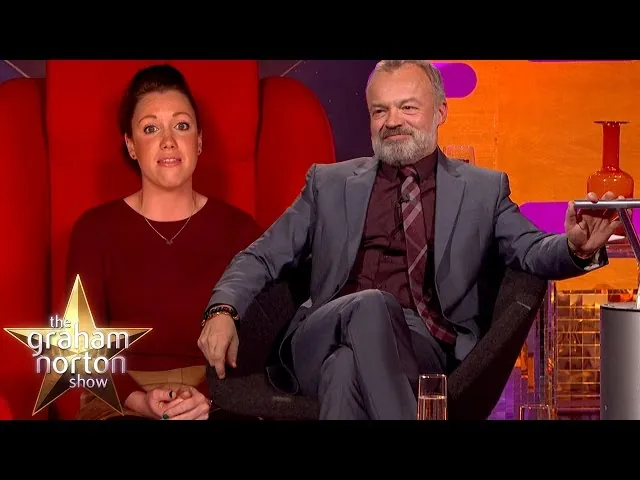
A red chair story uses a plain chair as a visual anchor. It strips away complex sets so the speaker can share deep life lessons without feeling rushed.
The format became famous through community projects, public health campaigns, and television segments. Here are the core facts about how it works:
- The format uses one single-camera angle focused directly on a person sitting in a crimson seat.
- A standard recorded session lasts 3 to 7 minutes for public video sharing.
- The prompt asks open questions about life crossroads, illness, grief, or personal change.
- Staging requires a neutral, quiet room with soft studio lights and no decorative background props.
- The red seat creates strong contrast on video screens, drawing the viewer’s eyes straight to the speaker.
- The goal is raw honesty, so producers avoid heavy script editing or dramatic background music.
Why the red chair format works
A red seat acts as a psychological stage for vulnerable speech. Sitting in a dedicated, bright chair signals to the speaker that this specific moment is meant for truth. It separates regular conversation from meaningful reflection.
The contrast between a simple chair and a human face forces viewers to pay attention. In video production, bright primary colors trigger focus in human vision. When a person sits against a flat grey or dark backdrop, the red furniture frames their body without stealing attention from their facial expressions.
The method also removes social pressure. In typical interviews, people look at hosts or glance around a room. In this setup, the speaker addresses the camera or a quiet listener just off-screen. Parks Canada famously used this visual tool by placing red Adirondack chairs across national parks to help visitors pause and reflect, a program documented by Parks Canada visitor experiences. That physical pause changes how people speak and process memories.
When red chair stories change format
The standard setup doesn’t work for every situation. Different production goals, locations, or audiences require changes to how you capture these accounts.
| Situation | What changes | What to do instead |
|---|---|---|
| Corporate branding | Tone feels too heavy | Focus prompt on career growth |
| Outdoor locations | Wind ruins audio | Use clip-on microphones and wind mufflers |
| Sensitive trauma work | High visual pressure | Allow speaker to look off-camera |
| Short-form social apps | Video length limit | Edit story down under 60 seconds |
| Shy or young speakers | Direct seat feels scary | Place companion chair beside them |
| Low budget setup | No studio lighting | Use natural window light from front |
How to record a red chair interview
Capturing a strong narrative requires patience, quiet gear, and an open environment. A structured approach ensures your subject feels supported throughout the recording process.
- Set a single sturdy red armchair 6 feet in front of a flat, dark grey or neutral wall.
- Place your main camera on a tripod at the speaker’s eye level, roughly 5 to 7 feet away.
- Attach a directional (cardioid) lavalier microphone 6 inches below the speaker’s chin to capture clear speech while minimizing room echo.
- Position one soft key light at a 45-degree angle to the speaker’s face to reduce harsh shadows.
- Ask one open starter question about a specific turning point in their life, then remain completely silent.
- Let the speaker pause for at least 5 seconds without interrupting before you ask a follow-up question.
- Record continuously for 15 to 20 minutes to let the speaker relax and forget about the camera lens.
- Check your audio meters during recording to ensure peak sound levels stay between -12dB and -6dB.
Common red chair storytelling mistakes
Planning errors can turn an honest interview into an awkward video. Avoiding these common traps keeps the final story genuine and engaging.
- Pushing the speaker to cry on camera makes the video feel manipulative and breaks trust.
- Using complex studio backdrops distracts the audience from the speaker’s face and ruins the visual contrast.
- Asking closed yes-or-no questions cuts off emotional flow and produces flat, useless answers.
- Editing out every pause or sigh costs you authenticity; natural silence holds real power.
Frequently asked questions
Can any red chair be used for this project?
Yes, any solid red chair works if it stays quiet when someone shifts. Avoid metal folding chairs or squeaky office chairs that ruin your microphone audio whenever the speaker moves or breathes deeply.
How long should a red chair story be?
Between 2 and 5 minutes is the best finished length for online viewers. Raw recordings usually run about 20 minutes, giving the editor enough room to cut side chatter while keeping the core narrative intact.
What happens if the speaker freezes on camera?
Pause the interview, stop recording, and offer them a glass of water. Chat about an unrelated topic for 5 minutes so their shoulders drop, then restart with a much simpler question about their daily life.
Does the chair really have to be red?
Yes, because red provides the specific psychological focus and strong visual contrast the format relies on. Blue or grey seats blend into backdrops and fail to separate the speaker from standard video interviews.
Is this format safe for sharing personal grief?
Yes, if the speaker has fully processed the event before filming begins. This format isn’t for people currently in crisis; it works best when someone looks back on past pain with perspective.
How many cameras should you use?
Use 1 single camera locked on a tripod for an honest, documentary feel. Using 2 or 3 cameras feels like a commercial television broadcast, which can make a personal story look fake and overproduced.
Conclusion
A good red chair project balances visual simplicity with emotional depth. If you want raw honesty, keep your questions short and let the speaker own the room; if you want casual entertainment, use a traditional conversational setup instead. A genuine story demands patience, but a subject’s comfort level will always vary based on their personal history and the privacy of the filming room.