
Whether a couch or sectional better fits your living space depends on your room size and how many people use it daily. A standard couch is usually better for small or flexible rooms, while a sectional offers more seating for large, open-concept areas that need a clear center point.
The main difference is that a couch is a single, fixed unit, while a sectional consists of multiple pieces joined together. If you move often, a couch is easier to transport and fits through tighter doors.
Deciding if a couch or sectional is better
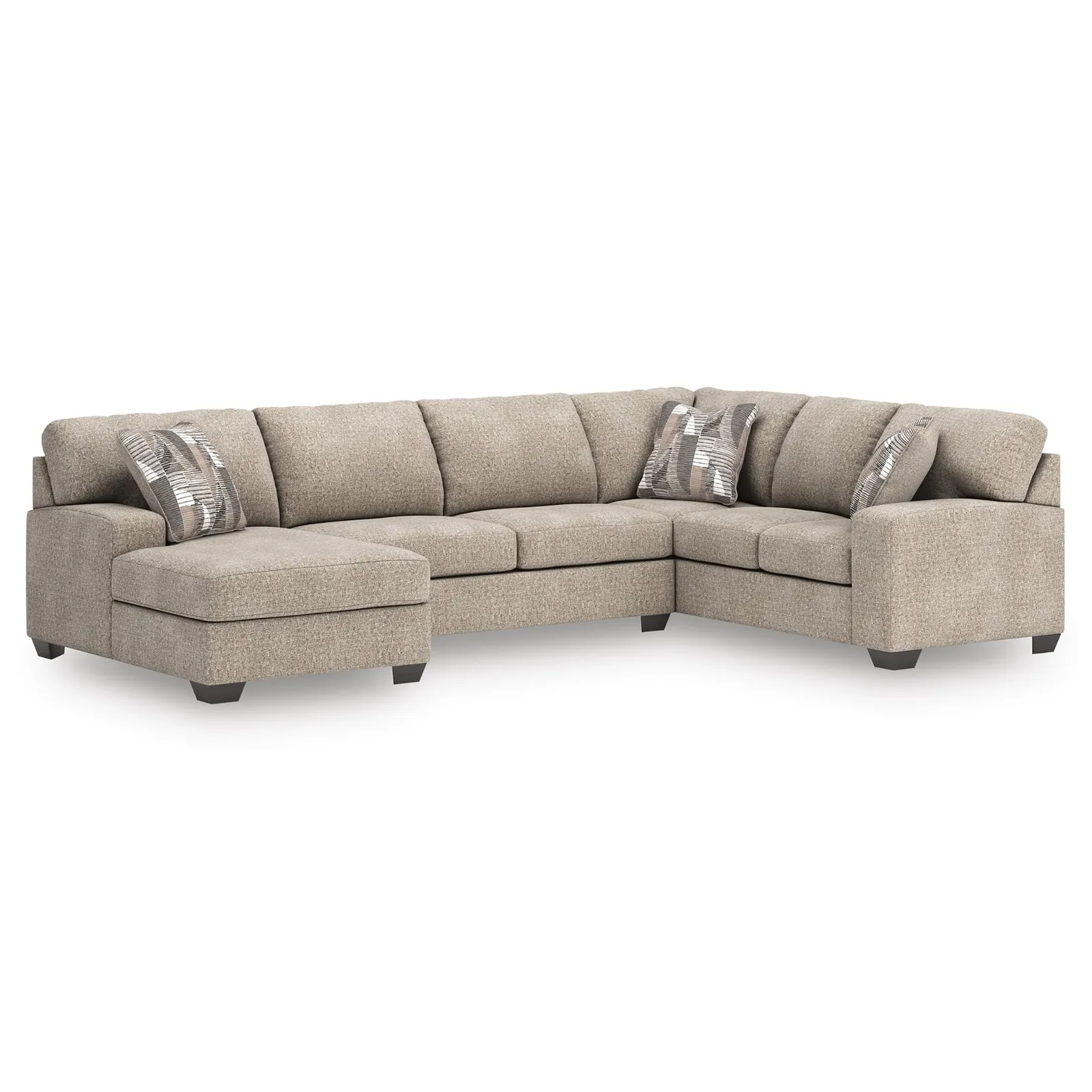
Measure your floor space before buying. If you have a small room, a sectional might block walkways and make the area feel cramped. If your room is large, a single couch might look lost or leave empty, awkward gaps in the floor plan.
Don’t forget to account for the sectional’s chaise or corner depth. A piece that fits a showroom may block doors or vents at home. Use painter’s tape to outline dimensions before purchasing.
Steps for Selecting Your Furniture
- Measure your room’s length and width, and subtract at least 30 inches of clearance around the piece for walkways.
- Check your door frame and hallway widths to ensure the furniture can pass through; most standard sofas are 30 to 36 inches deep.
- Decide if you need a fixed shape or a modular design; modular sectionals allow you to rearrange pieces if you move to a new home.
- Verify the weight limit for the frame, as the Consumer Product Safety Commission provides guidance on household product stability to ensure your choice remains safe under daily use.
- Select a fabric based on your lifestyle; if you have pets or children, choose a performance fabric that resists stains and holds up to heavy friction.
Tip: Avoid placing heavy sectionals directly against a radiator or baseboard heater, as the heat can dry out leather or cause wooden frames to warp over time.
Tip: If you choose a sectional, ensure the clips that hold the pieces together are made of heavy-duty steel to prevent the sections from sliding apart during use.
Time Needed for Selection and Setup
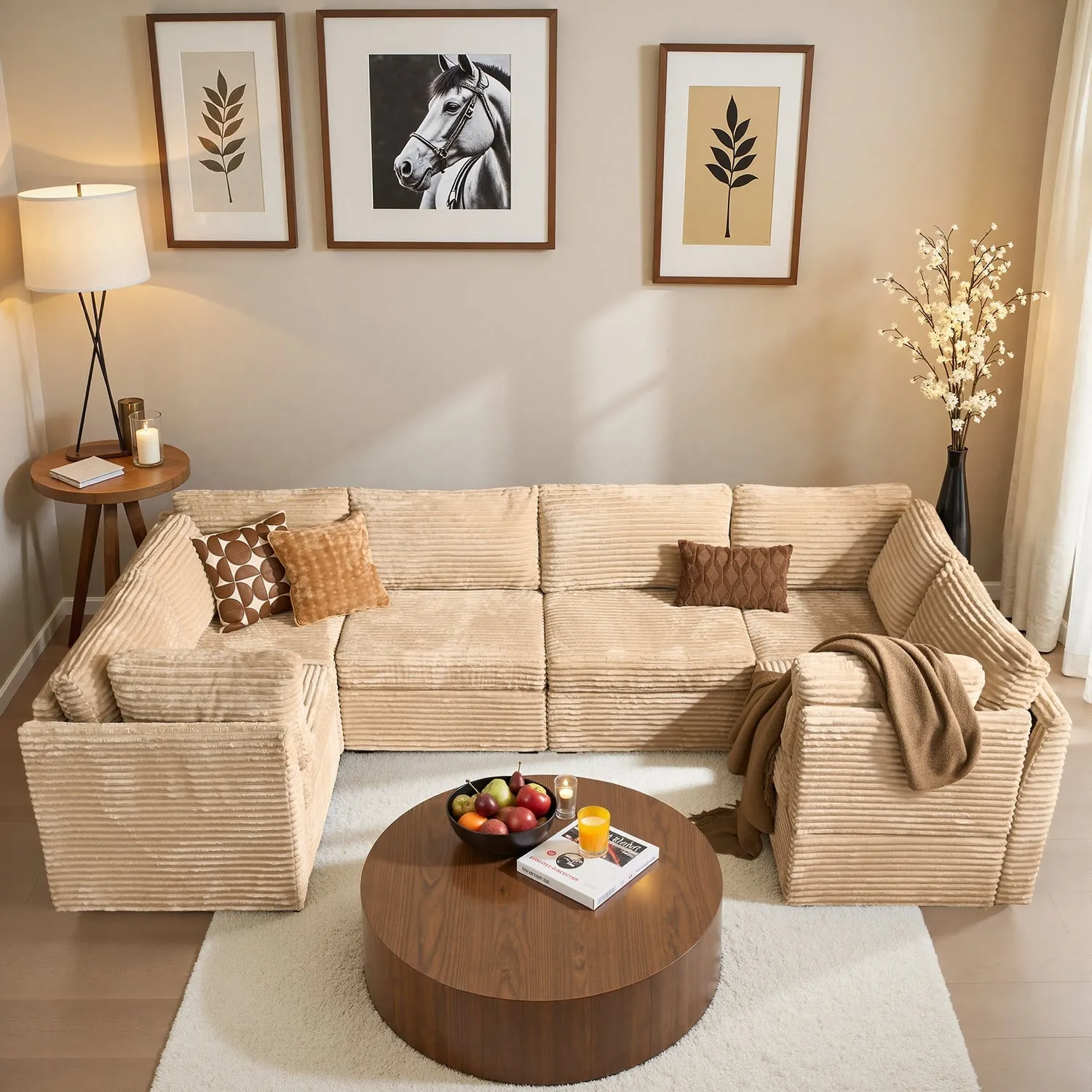
The time required to choose and install your furniture varies based on whether you buy from a local floor stock or order a custom piece. A custom sectional often takes 8 to 12 weeks to manufacture, whereas a standard sofa can be delivered within a few days if it’s in stock.
| Situation | Typical Time | What changes it | What to watch for |
|---|---|---|---|
| In-stock couch | 2–5 days | Delivery distance | Assembly requirements |
| Custom sectional | 8–12 weeks | Fabric availability | Shipping delays |
| Used furniture | 1–3 days | Pickup logistics | Frame condition |
If your furniture delivery is taking much longer than the estimate, contact the retailer’s logistics department to ask for a status update on your specific order number.
Identifying Quality and Comfort
Check for sagging cushions and frame stability to judge quality. The piece should feel solid, not wobbly. Ensure the dust cover is intact and the frame is kiln-dried hardwood. Flip removable cushions to ensure both sides are finished.
Mistakes That Ruin Your Choice
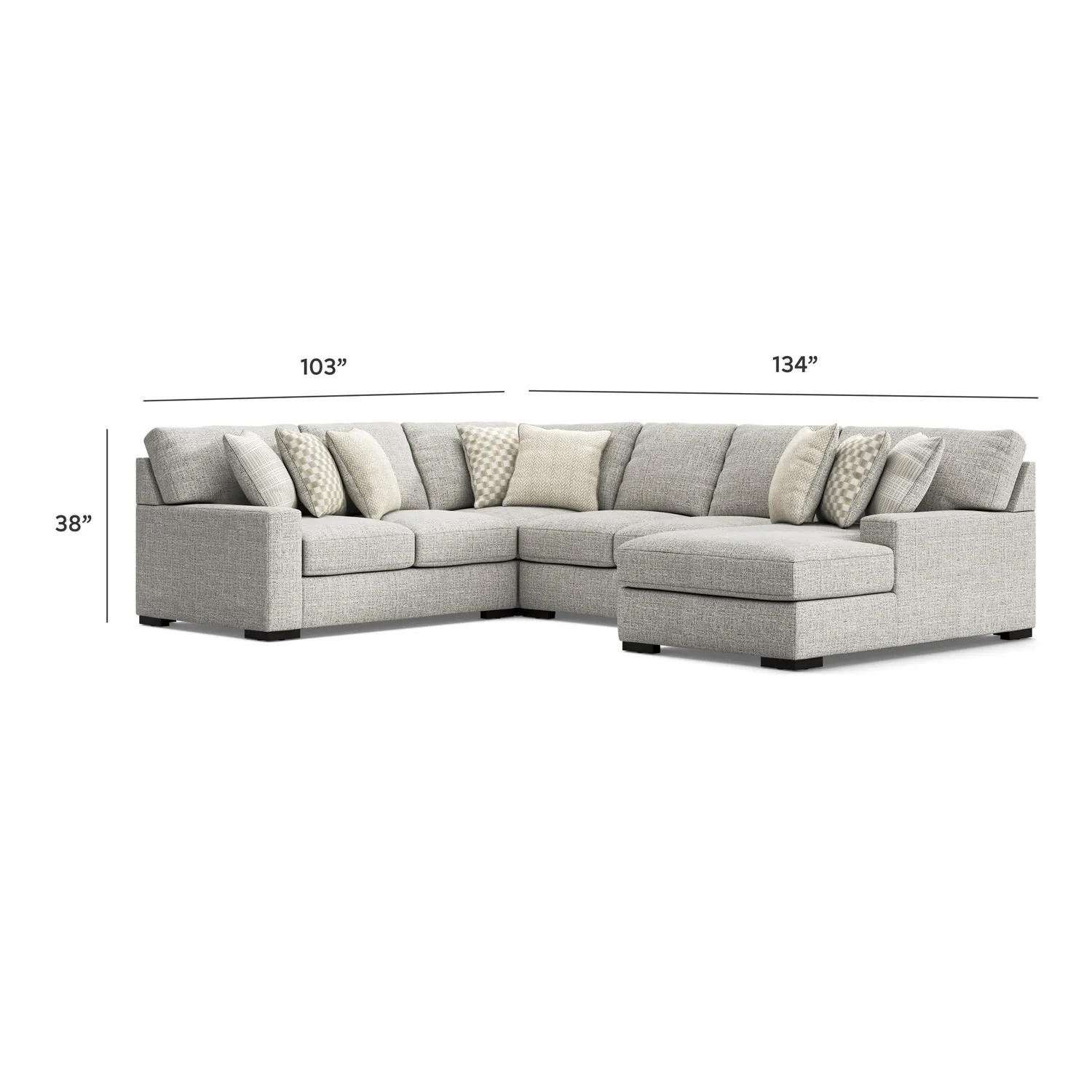
- Ignoring the room flow: Placing a large sectional across a major path makes the room feel smaller and harder to navigate. Always leave a clear 3-foot path from the entrance to the main seating area.
- Buying for the wrong size: A couch that’s too large for a room makes it difficult to add side tables or floor lamps. If the room is tight, choose a smaller sofa and add a comfortable armchair instead.
- Forgetting the orientation: People often buy a right-facing sectional when they actually need a left-facing one to fit their room’s corner. Confirm which side the chaise is on by standing in the room and looking at the corner where you plan to place the piece.
Frequently asked questions
Can a sectional fit in a small apartment?
Yes, a sectional can fit in a small apartment if you choose a model with a compact footprint and no wide arms. Measure your available floor space carefully, and aim for a “loveseat-sized” sectional that keeps the total length under 80 inches to maintain a balanced look.
How long does a good couch last?
A high-quality couch typically lasts for a significant period, depending on how often it’s used and the quality of the frame.
Is it safe to buy a used couch?
Yes, it’s safe if you inspect the piece for signs of bed bugs or structural damage before bringing it inside. Check the seams, under the cushions, and inside the frame for small dark spots, and ensure the fabric doesn’t have a musty smell that indicates mold or deep moisture.
What happens if the sectional pieces slide apart?
If your sectional pieces slide apart, use aftermarket sectional connectors or heavy-duty furniture clamps to lock them together. These metal or plastic clips attach to the bottom of the frames, keeping the individual sections tightly aligned and preventing the gap between them from widening over time.
How do I know which way the sectional faces?
You determine the orientation by standing in front of the piece and looking at the side where the chaise or extended part sits. If the long part is on your right, it’s a right-facing sectional, and if it’s on your left, it’s a left-facing sectional.
Does a sectional provide more seating than a couch?
Yes, a sectional provides more seating because it utilizes corner space that a standard couch can’t reach. While a three-seat couch usually fits three people, a sectional of the same length can often seat four or five people by using the corner and the chaise extension for extra legroom.
Conclusion
Choosing between these two options is ultimately about how you want your room to function. If you prioritize flexibility and open space, a couch is the better choice. If you want a dedicated, large-scale lounge area for your family, a sectional will serve you better.
Related guides