

To find where this chair is from, check the manufacturer label under the seat or run an image search through Google Lens. The underside tag gives the exact maker, while an online visual match identifies chairs lacking any physical branding.
Fast Ways to Identify Chairs

You can identify most seating in minutes if you know where makers hide their marks. Factory tags stay protected from daily wear because brands place them away from sight.
- Look directly under the seat cushion or wood base for paper inspection labels, branded metal badges, or ink stamps.
- Photograph the entire seat from eye level against a plain white wall with natural lighting to run through visual search apps.
- Check the lower 6 inches of the legs for etched production dates, patent marks, or embossed workshop logos.
- Measure the seat width, backrest height, and ground clearance using a tape measure to verify against retail catalog dimensions.
- Inspect the screw heads under the rails: modern pieces use metric hex hardware, while vintage seats use flathead steel screws.
Why Makers Hide Furniture Identification Tags
Manufacturers place identification markings underneath furniture to preserve its clean lines during daily use. A paper label or metal badge on an exposed rail ruins the visual style of a living room set. Placing records out of direct sunlight also stops inks from fading over decades of room use.
Law tags provide the clearest history for upholstered seating. The United States requires these white fabric strips by law under state bedding and furniture regulations. They list the filling materials, the factory registry number, and the assembly location. If a chair has modern foam or synthetic batting, you’ll find these details recorded right on the fabric tag. For safety notices and production tracking, the CPSC furniture safety standards outline why factories maintain strict batch records on bottom frames. Without these permanent underside records, companies couldn’t run safety recalls or track broken parts back to a specific batch.
When Chair Markings Look Different
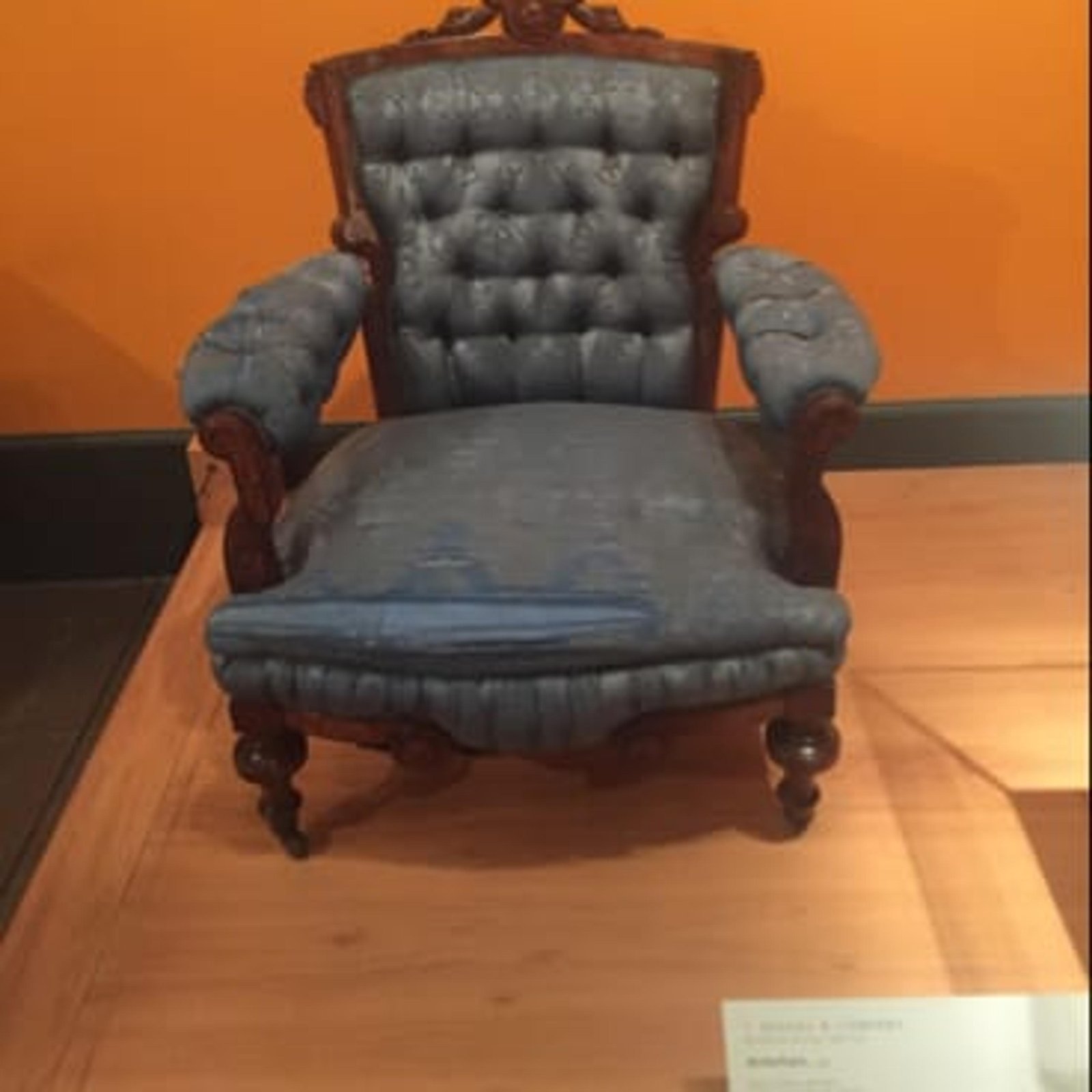
A basic maker search works well on standard store furniture, but unusual pieces require a different strategy.
| Situation | What changes | What to do instead |
|---|---|---|
| Antique solid wood | No printed paper tags survive | Check joints for maker stamps |
| Custom reupholstered seat | Original fabric labels removed | Search the exposed wood frame |
| Flat-pack modern build | Only contains assembly codes | Search hardware code online |
| Handcrafted studio piece | Lacks factory law labels | Look for carved signatures |
| Plastic molded chair | Text is molded directly | Check underside of seat pan |
Where Is This Chair From? Tracing a Mystery Seat
Finding the history of a chair takes simple tools and a steady approach. Follow these steps to find its origin:
- Turn the chair upside down on a soft rug or drop cloth to inspect the dust cover without scratching the armrests.
- Shine a bright flashlight across the seat underside, looking for stamped ink codes, stapled paper receipts, or brass builder tags.
- Photograph the full chair from straight ahead, capturing the exact arm profile, back angle, and cushion stitch details.
- Crop the photo tightly around the silhouette, removing busy background objects, and upload the image into the Google Lens search bar.
- Filter your image results by adding keywords like “mid-century”, “cane”, or “metal base” alongside the suggested design names.
- Measure the seat height from the floor to the cushion top, comparing your numbers to retailer specifications for an exact match.
- Post clear photos of the corner joints, fasteners, and overall profile to specialized design communities if automated tools fail.
Mistakes That Ruin Your Chair Search
Rushing through furniture identification wastes hours and leads to wrong matches. Small errors in searching keep you from the right manufacturer:
- Tearing off ripped paper tags destroys the factory registry number needed to track an item back to its maker.
- Uploading photos taken from high angles distorts the chair’s real proportions, which confuses visual search algorithms.
- Assuming decorative carvings mean a piece is valuable often masks cheap modern resin castings sold by discount importers.
- Ignoring the hardware types under the frame leads to mistaking cheap modern reproductions for authentic vintage builds.
Frequently Asked Questions

Can an app tell where a chair was made?
Yes. Google Lens and visual search tools match chair silhouettes against retailer listings, museum archives, and auction catalogs. Take a level, well-lit photo of the entire chair against an uncluttered wall to get accurate search results.
Why do some vintage seats have no labels?
Previous owners often pulled paper tags off during home use, or upholstery shops threw them out during repairs. Custom studio woodworkers also preferred carving subtle monograms directly into the bottom frame rail rather than using paper badges.
How do I read a furniture law tag?
Look for the Registry Number, printed after the letters “RN” on the white label. This state-assigned code points directly to the registered factory that produced the inner batting and assembled the upholstered piece.
What happens if an image search shows fifty identical chairs?
Many mass-market brands purchase white-label furniture from shared overseas suppliers. When designs match across five different websites, check the hardware pack and inner frame wood to see if yours is a name brand or a copy.
Does a designer signature increase a chair’s value?
Yes. Authenticated stamps from known mid-century designers or historic cabinetmakers can raise resale prices substantially. Unmarked copies sell for regular utility prices, even if they share the exact materials, frame measurements, and fabric style.
How long do paper factory tags stay intact underneath?
About twenty to thirty years indoors under typical humidity, provided children or pets don’t rip the bottom dust cover. Dry storage keeps the glue and paper clear, while damp basements rot the tag paper away quickly.
Chair, in short
If a quick label search turns up nothing, take your measurements to a local antique dealer or custom upholstery shop. Experienced craftspeople can identify timber types and joint construction on sight, giving you the chair’s real origin even when all the tags are gone.