
Sectional couches typically measure between 80 and 160 inches in length, though custom designs can exceed this range. Since the total size depends on the number of sections included, you should measure your available floor space before making a purchase.
Standard dimensions for sectional couches
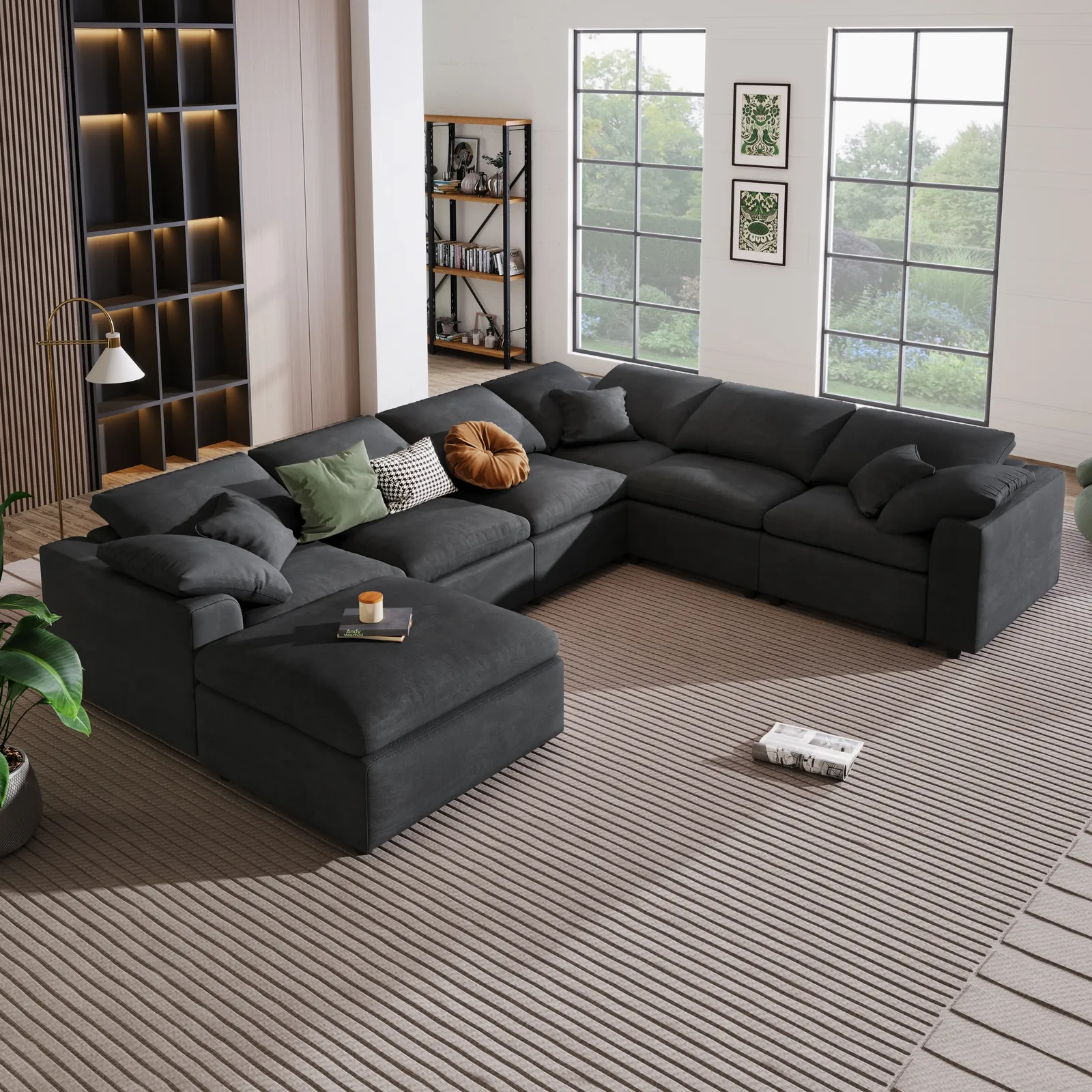
- Small sectionals: Usually 80 to 95 inches long, perfect for apartments.
- Medium sectionals: Generally 100 to 125 inches long, fitting most standard living rooms.
- Large sectionals: Often exceed 130 inches, requiring a large open floor plan.
- Depth: Standard depth is 32 to 40 inches; deep-seated models reach 45 inches.
- Chaise length: A typical chaise extends 60 to 70 inches from the back frame.
- Height: Most frames measure 30 to 38 inches from floor to top of back.
Why size varies by configuration
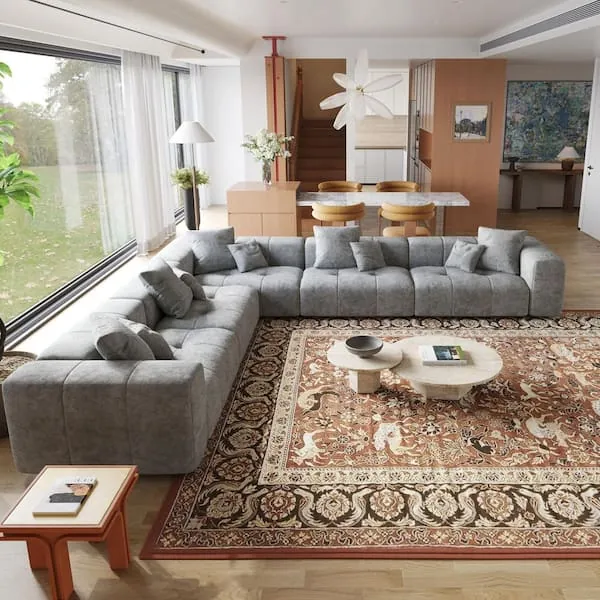
The total footprint of a sectional isn’t fixed because these items consist of modular components. You might choose a simple L-shape with three seats, or a massive U-shaped unit with a sleeper sofa and two chaises. Each added component increases the total length and width. If you’re choosing a model with a built-in recliner, you must ensure the piece has enough clearance to extend fully without hitting walls.
If you have a small room, avoid models with wide, rolled arms, as these add 10 to 15 inches of width without adding any seating space. A track arm or armless design keeps the footprint compact.
If you have a large family, you need a configuration that prioritizes seating depth over total length. A deeper seat allows for more comfort but requires more floor space to navigate around the couch. Always read the specific dimensions on the product tag, as these vary by brand and design style.
When the sectional size changes
| Situation | What changes | What to do instead |
|---|---|---|
| Narrow hallways | Turning radius | Choose modular pieces |
| Small living rooms | Total length | Use armless sections |
| High-traffic areas | Clearance space | Keep 30 inches clear |
| Tall family members | Seat depth | Select deep-seat models |
| Corner placement | Wall footprint | Measure wall-to-wall length |
How to measure for your new sectional
- Use painter’s tape to outline the couch’s footprint on your floor to see how it affects your walking path.
- Measure the length of the longest side of your desired sectional, including the depth of the attached chaise piece.
- Check the height of your doorways and hallways to ensure the box can fit through during delivery to your room.
- If the couch has a recliner, measure at least 12 inches of extra space in front for the mechanism to open.
- Clear a path from your front door to the final spot, removing any small side tables or rugs in the way.
- Sit on the floor model to confirm the seat depth matches your height, as some models vary by 5 inches.
The mistakes that ruin your purchase
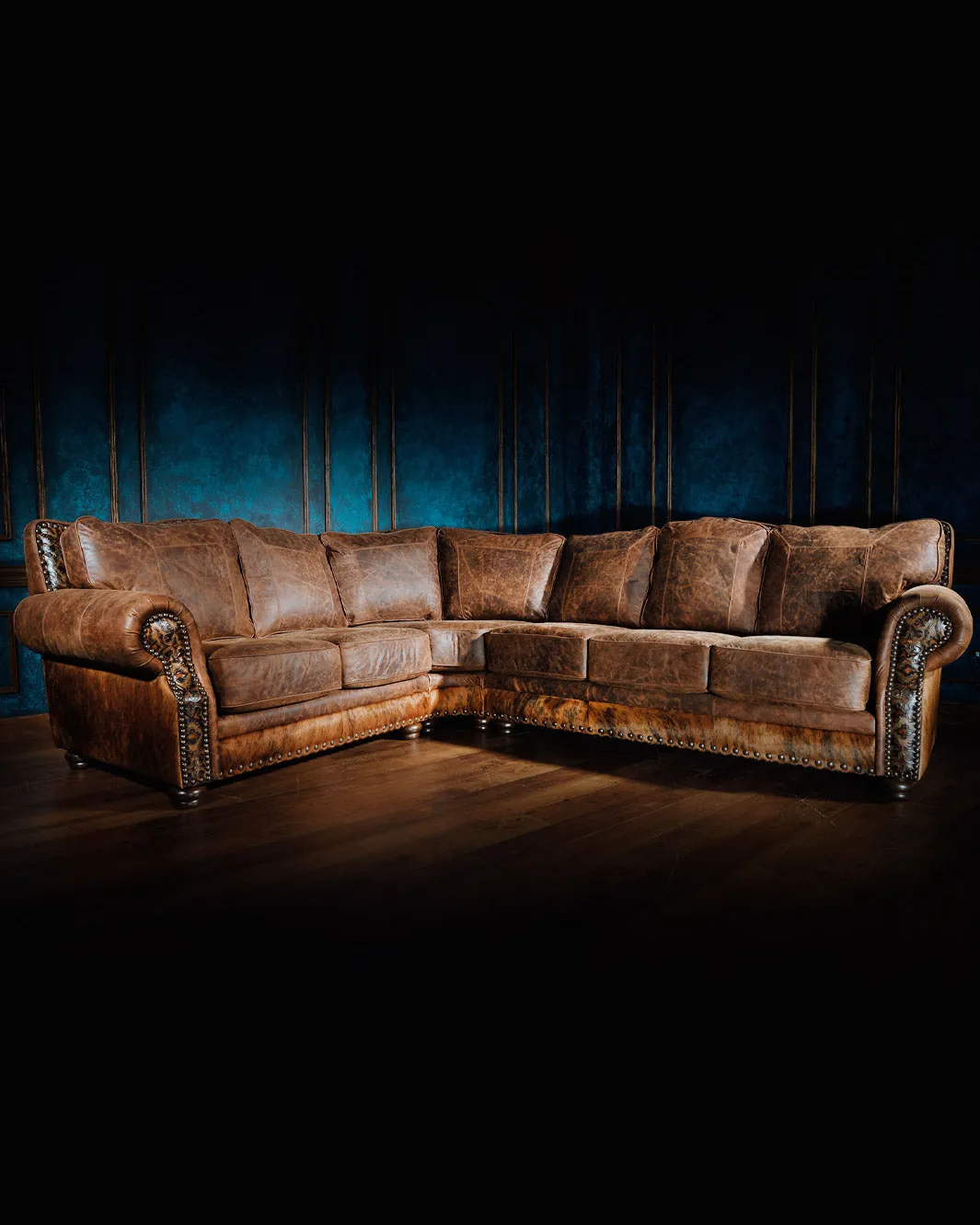
- Measuring only the back wall instead of the total depth often leads to a couch that blocks a doorway.
- Failing to account for the thickness of the cushions means the sofa looks much bulkier than the frame measurements suggest.
- Ignoring the direction of the chaise can leave you with a piece that doesn’t fit your room layout at all.
- Forgetting to leave walking space around the coffee table makes the entire room feel cramped and hard to use.
Frequently asked questions
How much space do I need behind a sectional?
You need at least 18 to 24 inches of clearance if you want to place a console table behind the sofa. If the sofa is against a wall, you only need enough space to prevent the back cushions from rubbing against the paint.
Does a sectional have to go in a corner?
A sectional doesn’t have to go in a corner, but it requires a specific design if you plan to float it in the middle of a room. Look for models with finished fabric on the back side so the frame looks clean from every angle.
How do I know if a sectional will fit through my door?
You check the height of your door frame against the dimensions of the sofa box provided by the manufacturer. Most sectional pieces are modular, meaning you can separate them into smaller boxes if your doorway is under 30 inches wide.
Is it safe to put a sectional on a rug?
It’s safe to put a sectional on a rug as long as the rug is large enough to anchor the entire front of the sofa. Use a non-slip pad underneath to prevent the heavy furniture from shifting or sliding across your floor during use.
Why are some sectionals deeper than others?
Sectionals vary in depth based on the style, with “lounge” or “deep-seat” models measuring 40 to 45 inches deep for extra comfort. Standard sectionals usually measure 32 to 36 inches deep, which works better for upright sitting or smaller rooms.
How often should I rotate the cushions?
You should rotate the cushions every 3 to 6 months to ensure even wear across the foam density. If the cushions aren’t reversible, you can swap their positions on the frame to prevent one seat from becoming softer than the others.
Conclusion
Selecting the right size for your home comes down to the actual measurements of your floor space rather than the name of the style. Always verify the dimensions on the specific product sheet before you buy, as a “large” model from one brand might be smaller than a “medium” model from another.
Related guides