
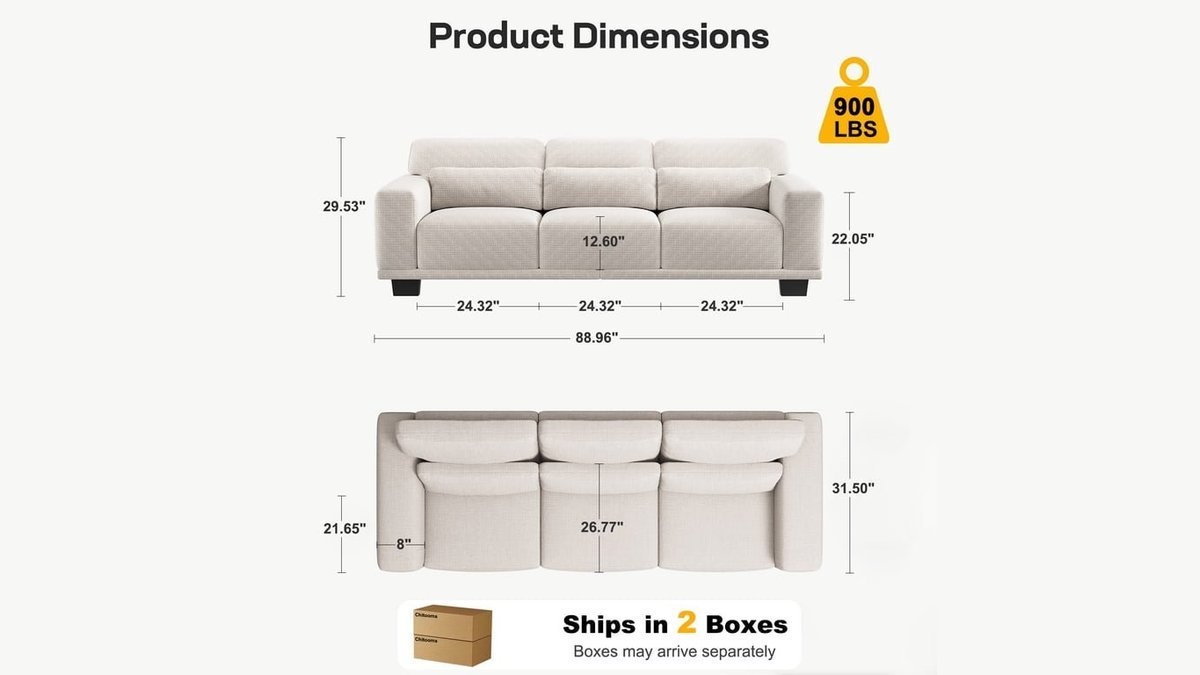
The typical width for a standard three-seater sofa usually falls between 84 and 90 inches, which defines the average size of a 3-seater sofa. While these dimensions allow for three adults to sit comfortably, you should always measure your specific room’s floor space first.
The most important factor in choosing the right size is the clearance around the piece. Maintain at least 18 inches of space between the sofa and coffee table for comfortable movement. A common mistake is ignoring the depth of the arms; some rolled-arm designs add six inches to the total width without increasing the actual seating area.
Typical dimensions for a three seater sofa
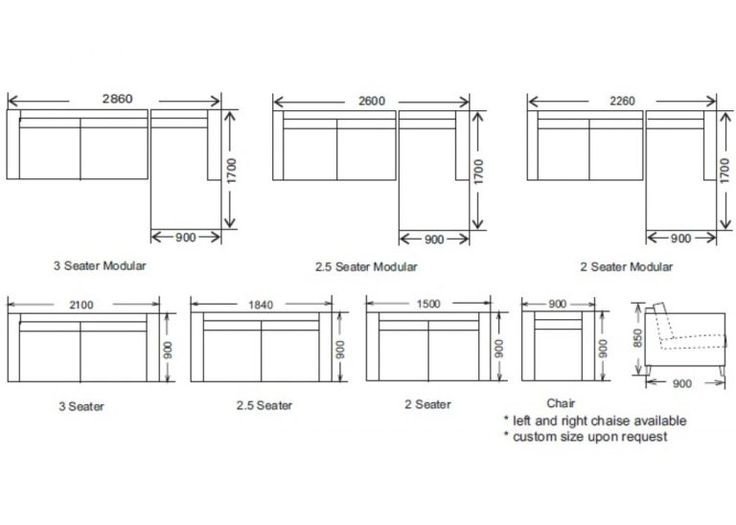
- Measure the total length of the wall where you plan to place the furniture, ensuring you leave at least 6 inches of empty space on each side for a balanced look.
- Check the depth of the sofa, which typically ranges from 35 to 40 inches, to confirm it won’t block walkways or doorways.
- Calculate the height of the backrest; a low-profile sofa works well in small rooms, while a high back provides more support for taller users.
- Verify the door frame width in your home to ensure the piece can actually fit through your entrance during delivery. Tip: If your hallway is narrow or has sharp turns, check for models with removable legs or a modular design to simplify transport.
- Account for the recliner clearance if you choose a power model, which often requires 12 inches of space from the wall to fully extend. Tip: Always verify the furniture fire safety regulations relevant to your region, as these standards dictate the materials used in the internal padding of your piece.
Measuring for Your Living Space
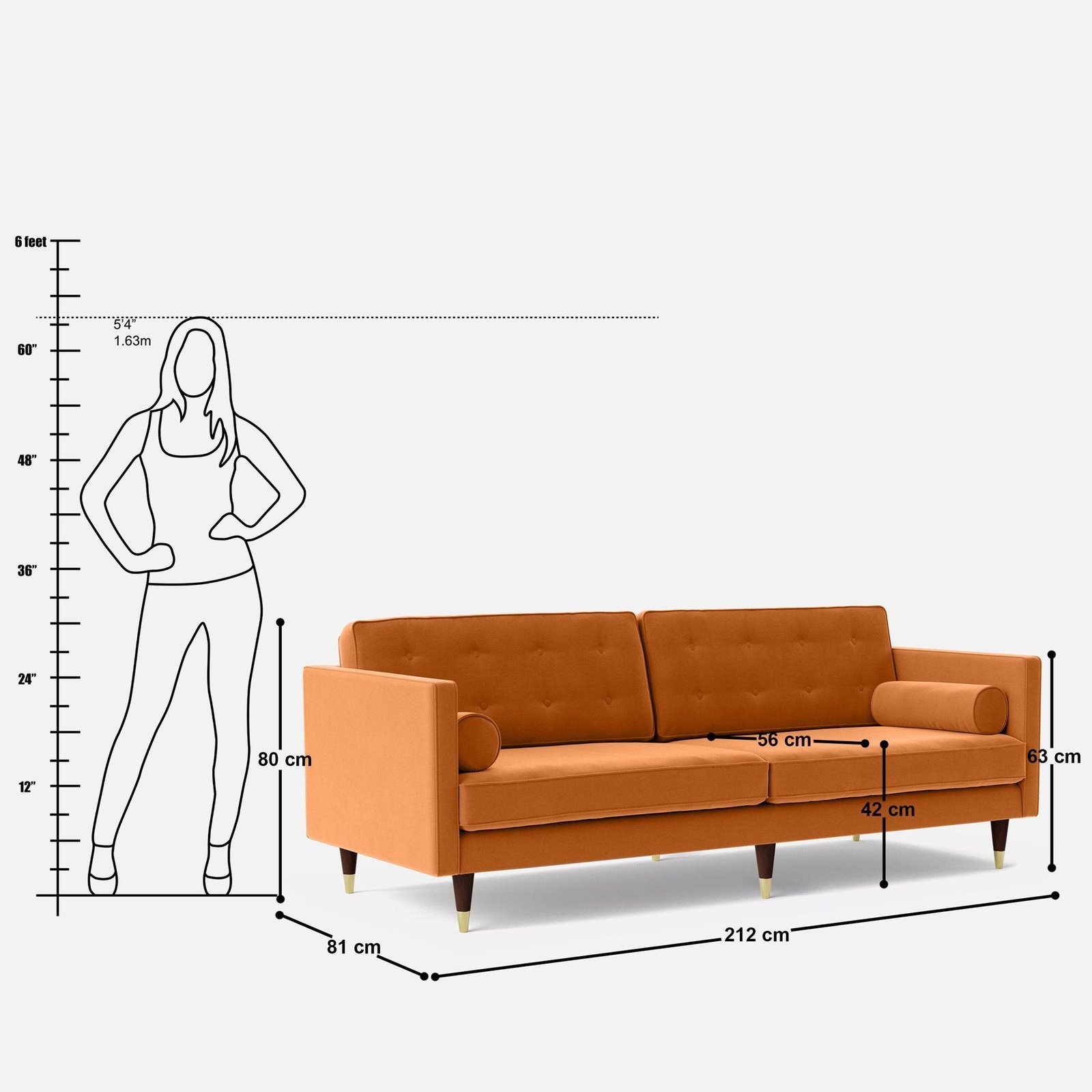
The total time required to find the right fit depends on your room layout and whether you’re shopping online or in a showroom. Testing seat depth in-store is easier than mapping dimensions with painter’s tape at home.
| Situation | Average Width | What changes it | What to watch for |
|---|---|---|---|
| Compact Apartment | 78–82 inches | Narrow arms | Seat cushion comfort |
| Standard Living Room | 84–90 inches | Arm style | Total frame depth |
| Large Open Space | 92+ inches | Deep seating | Scale of other items |
If the sofa is too large, consider a loveseat or apartment-sized model to maintain flow.
Confirming the Fit is Perfect
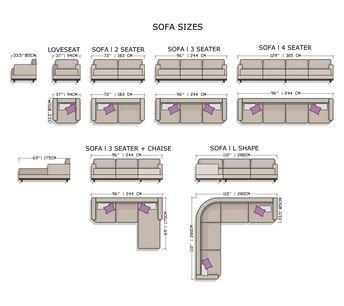
You know your sofa is the right size when you can sit with your feet flat on the floor while your back remains against the cushions. A proper fit also means the piece doesn’t overwhelm the room; it should occupy no more than about 60 percent of the wall length it sits against. For odd-shaped rooms, use a string cut to the sofa’s length to test placement before purchasing.
Common Sizing Pitfalls
- Ignoring the baseboard thickness: People often measure from wall to wall, but they forget that baseboards can eat up an inch of space on each side. Always measure between the baseboards rather than the drywall to get an accurate floor-level dimension.
- Overlooking the armrest design: Thick, rolled arms can make a sofa feel bulky and consume valuable seating inches compared to sleek, track-arm styles. If you’re tight on space, choose track arms to maximize your seating area within the same total frame width.
- Forgetting the coffee table gap: Placing a sofa too close to a coffee table makes the area feel crowded and ruins the room’s function. Keep a consistent gap of 18 inches to ensure you have enough legroom to sit down and stand up without bumping into furniture.
Can a 3 seater sofa fit in a small room?
Yes, a three-seater sofa can fit in a small room if you choose a model with a shorter total width and slim, track-style arms. Look for pieces under 80 inches wide to save space. Always measure your floor area to ensure you have enough clearance for walking paths around the piece.
How much space do I need behind the sofa?
You generally need zero space behind the sofa if it’s a standard stationary model, but you need at least 12 inches if it’s a recliner. This gap allows the mechanism to extend fully without hitting the wall. Check the manufacturer’s manual for the specific clearance requirements of your model.
Is there a standard height for a sofa?
Yes, the standard height for a sofa back is typically between 30 and 36 inches. This range provides a balance between visual appeal and head support for most adults. If you have low windows or want to keep a room feeling airy, choose a model at the lower end of that range.
What happens if I buy a sofa that’s too big?
If you buy a sofa that’s too big, it will make the room feel cramped and block necessary traffic flow. You might find it difficult to open doors or navigate around the furniture. If you realize the size is wrong, check the retailer’s return policy immediately before you remove any packaging.
How do I measure a curved sofa?
To measure a curved sofa, find the widest point from end to end as if it were a straight line. Use a long measuring tape stretched across the front of the curve to capture the maximum width.
Why does the seating area feel smaller than the width?
The seating area feels smaller because the frame, armrests, and back cushions take up significant space within the total width. If a sofa is 90 inches wide, the actual seating space between the arms might only be 70 to 75 inches. Always check the interior seat dimensions before you make a final decision.
Choosing the right size is about more than just the numbers on a tag; it’s about how the piece allows you to live in your home. By taking the time to measure your space accurately and accounting for the physical design of the arms and back, you ensure the furniture serves your needs for years to come. Checking these details now prevents the stress of a piece that simply doesn’t work in your room.