
When you realize there’s a table in the dining room that no longer fits your lifestyle, replacing or rearranging it transforms how your home functions. Whether you need more seating for family gatherings or want to free up floor space for daily movement, choosing the right piece requires measuring carefully and understanding standard dimensions. This guide walks you through sizing, shapes, materials, and placement so you can select furniture that actually works for your household.
Key Takeaways
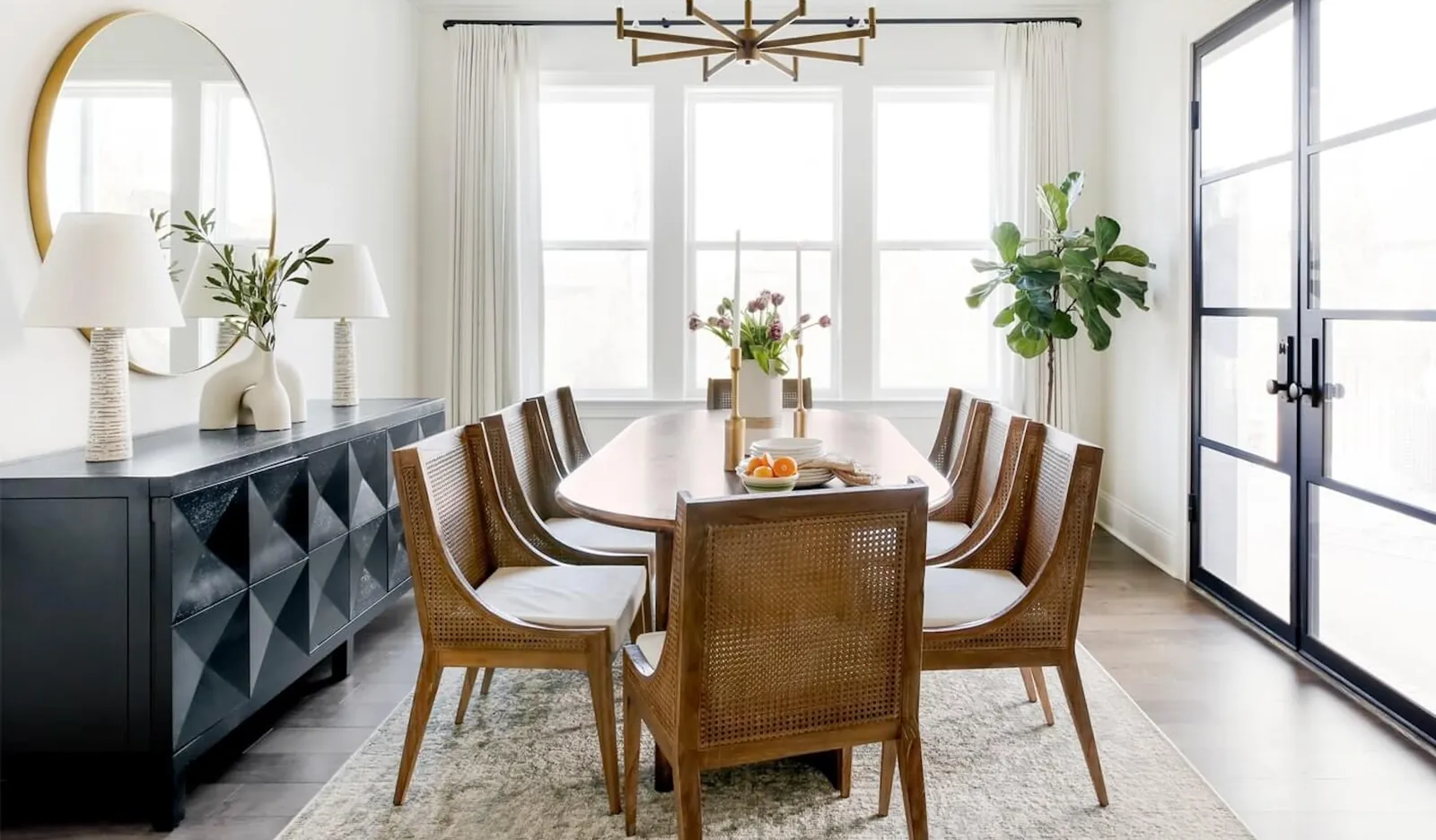
- Measure your room and subtract 36 inches on all sides to determine maximum table size.
- Allow 24 inches of width per person for comfortable dining elbow room.
- Rectangular tables suit long rooms, while round tables fit square spaces better.
- Solid hardwoods like oak and walnut outlast engineered wood veneers over decades of use.
- Standard dining height is 28 to 30 inches from the floor to the tabletop surface.
What Size Table Fits?
The most common mistake buyers make is purchasing a piece too large for the room. You must leave enough clearance for chairs to pull out and people to walk behind seated guests.
| Room Dimension | Maximum Table Length | Maximum Table Width |
|---|---|---|
| 10 x 12 feet | 72 inches | 48 inches |
| 12 x 14 feet | 96 inches | 60 inches |
| 14 x 16 feet | 120 inches | 72 inches |
Always measure the clearance zone between the table edge and any walls, sideboards, or doorways. A minimum of 36 inches ensures someone can walk past a seated diner without bumping their chair. If your dining area shares space with a kitchen island, measure from the island edge rather than the wall.
Choosing the Right Shape
The shape of your furniture dictates traffic flow and conversation dynamics. Rectangular tables remain the most popular choice in American homes because they align naturally with rectangular rooms. They seat more people efficiently and pair well with benches or individual dining chairs.
Round tables eliminate sharp corners, making them safer for toddlers and ideal for smaller square rooms. Everyone sits equidistant from the center, which improves conversation. Oval tables offer the space efficiency of a rectangle with the softer edges of a circle, fitting well in narrow dining areas where hips might bump sharp corners.
Seating Capacity Guidelines
Knowing how many people you regularly host prevents buying a table that feels cramped or unnecessarily massive. Each diner needs adequate space to eat comfortably without bumping elbows.
| Table Shape | Dimensions (Inches) | Seats Comfortably |
|---|---|---|
| Round | 48 diameter | 4 to 5 people |
| Rectangular | 72 x 36 | 6 people |
| Rectangular | 96 x 42 | 8 to 10 people |
| Oval | 84 x 42 | 8 people |
Plan for 24 inches of linear space per person along the edge. For round tables, divide the circumference by 24 to estimate capacity. If you frequently host holidays, consider an extendable model with drop leaves or hidden extensions rather than keeping a massive table year-round.
The Dining Room Table Explained
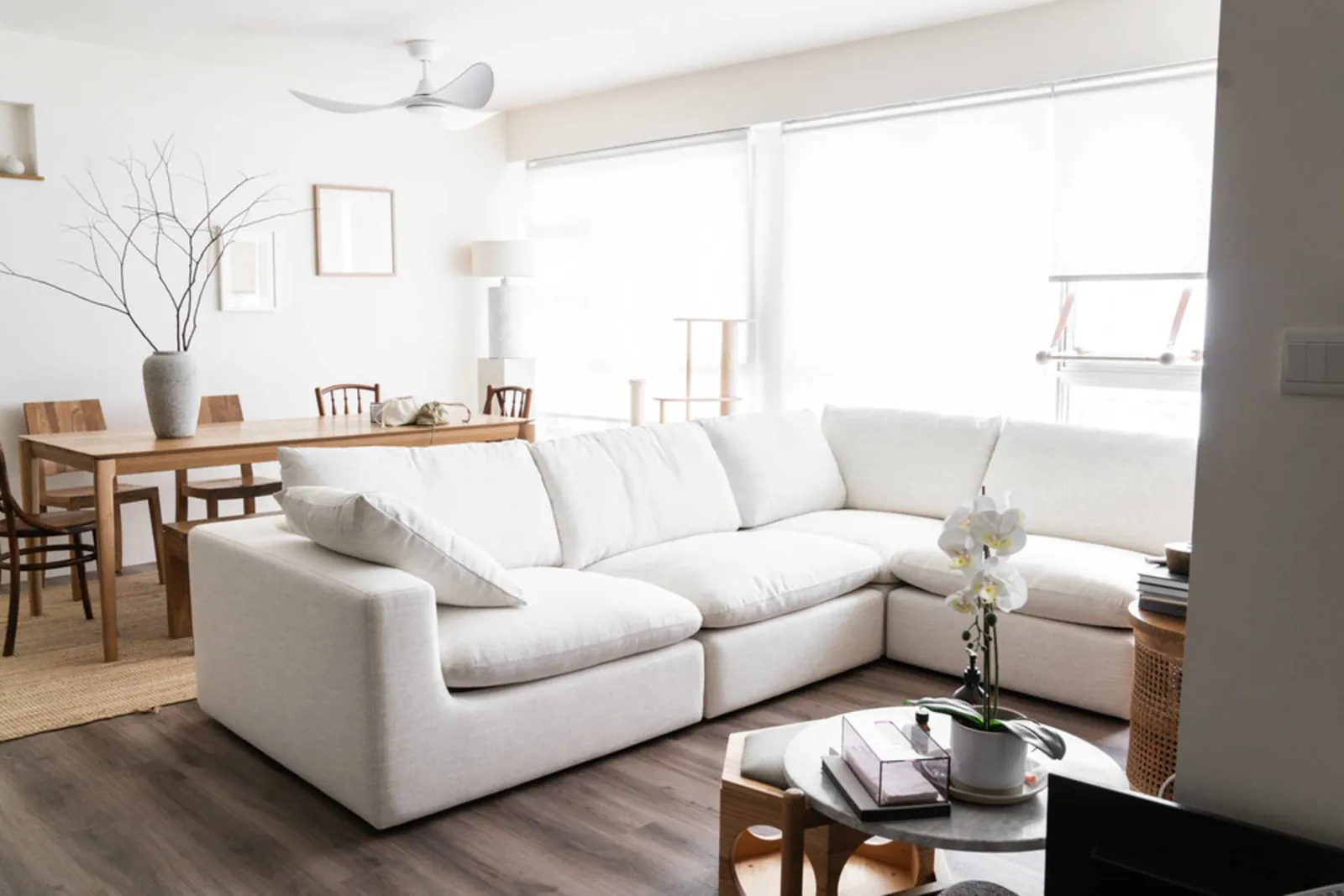
Understanding standard dimensions helps when shopping at retailers like IKEA, West Elm, or Pottery Barn. Most standard dining surfaces sit between 28 and 30 inches high. This height accommodates typical dining chairs with seat heights around 18 inches, leaving a 10-to-12-inch gap for legs.
Counter-height tables measure 34 to 36 inches tall, requiring specialized bar stools. These work well in open-concept homes where the dining area transitions directly into a kitchen. Bar-height options reach 40 to 42 inches but are generally reserved for pubs rather than family meals. Always match the table height to your existing seating before purchasing.
Best Materials for Durability
Wood remains the gold standard for longevity. Solid hardwoods like white oak, maple, and black walnut resist dents better than softwoods like pine. Engineered wood with a thick veneer offers a budget-friendly alternative but can’t be sanded and refinished as many times as solid lumber.
Glass tops create an airy feel and make small rooms appear larger, though they require constant wiping to remove fingerprints. Stone options like marble or quartz add significant weight and luxury but demand sealing to prevent wine stains. Metal bases paired with wood tops provide industrial durability and excellent stability.
Pro Tip: When evaluating wood furniture, check the joinery. Dovetail or mortise-and-tenon joints indicate high-quality construction, whereas pieces held together only by staples and glue will wobble within a few years of regular use.
Placement and Traffic Flow
Where you position the furniture matters as much as its size. Center the table under a chandelier or pendant light to anchor the visual space. The bottom of the light fixture should hang 30 to 36 inches above the tabletop surface to illuminate plates without blinding seated guests.
Avoid placing the table directly in front of a swinging door or a high-traffic hallway. If your dining room connects to a living area, use a rug to define the zone. The rug must be large enough that all chair legs remain on the fabric even when pulled back for someone to stand up.
How Do I Protect Surfaces?
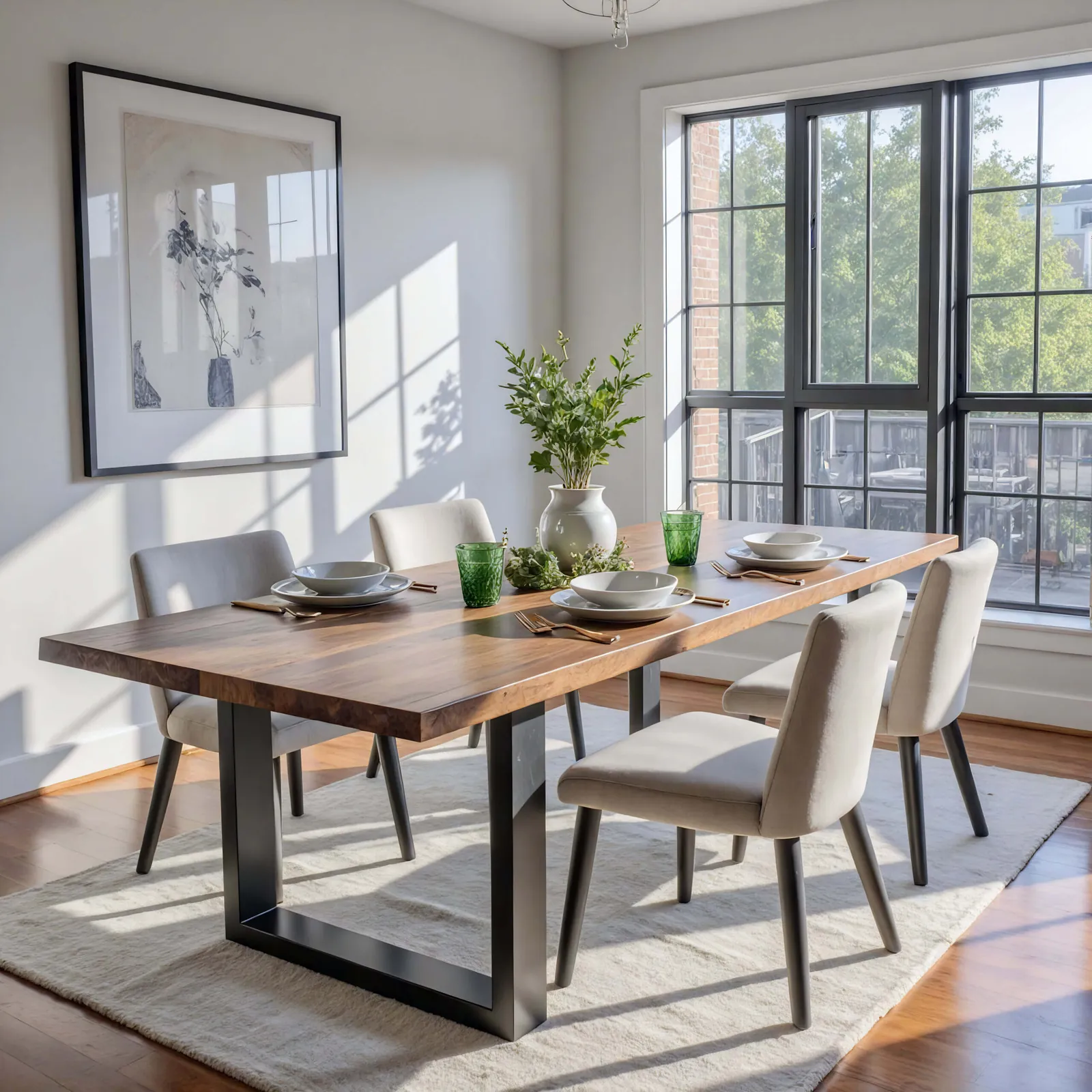
Daily wear destroys unprotected finishes quickly. Hot pans cause white rings on lacquer, and heavy ceramics scratch raw wood. Using placemats, trivets, and coasters provides a basic defense against heat and moisture damage during everyday meals.
For long-term preservation, apply a quality paste wax every six months to sealed wood surfaces. Avoid silicone-based polishes, which build up over time and complicate future refinishing. According to the Forest Products Laboratory, maintaining stable indoor humidity between 30 and 50 percent prevents solid wood from cracking or warping seasonally.
Warning: Never place hot cookware directly on a finished wood surface. Thermal shock can permanently cloud the finish or crack the wood grain beneath it.
Frequently Asked Questions
How much space do I need?
You need at least 36 inches of clearance between the table edge and any wall or obstruction. This allows chairs to slide out fully and provides enough room for someone to walk behind a seated person comfortably without disrupting dinner.
What is standard table height?
Standard dining height ranges from 28 to 30 inches measured from the floor to the top surface. This pairs correctly with standard dining chairs that have an 18-inch seat height, ensuring proper legroom.
Can I mix different chair styles?
Yes, mixing chairs adds visual interest. Keep the seat heights uniform so everyone sits at the same level relative to the tabletop. Using one style for the ends and another for the sides creates a cohesive look.
How do I fix deep scratches?
For minor surface marks, rub a walnut meat over the scratch to deposit natural oils. Deeper gouges in solid wood require color-matched wood filler, gentle sanding, and a fresh coat of polyurethane or matching stain.
Are glass tables safe for kids?
Tempered glass is required for furniture safety and shatters into dull pebbles rather than sharp shards if broken. However, families with active toddlers often prefer rounded wood edges to avoid bumps and bruises during play.
Conclusion
Measure your dining space today using a steel tape measure, noting the exact locations of doors, vents, and outlets. Sketch a simple floor plan on graph paper and cut out a scaled rectangle representing your ideal dimensions. Move this paper template around the room to visualize traffic flow before visiting any showroom or ordering online.