
Measuring your available floor space and confirming the number of daily users is the most reliable way to choose a kitchen table that fits your home.
Kitchen table types and best uses
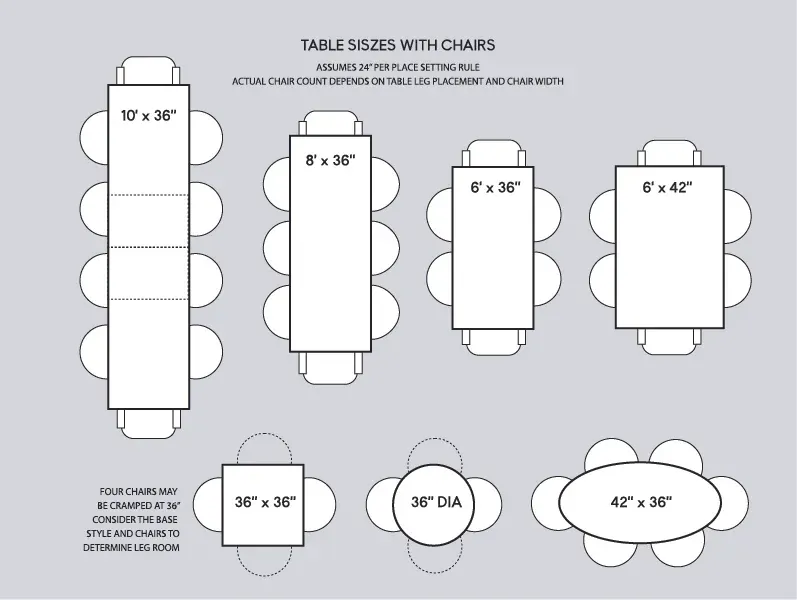
Choosing the right shape and base style depends on your room size and who uses the table daily. The table below outlines common options to help you narrow your search based on your specific kitchen layout.
| Table Style | Best For | Concrete Example |
|---|---|---|
| Round pedestal | Small or tight spaces | 42-inch diameter wood table |
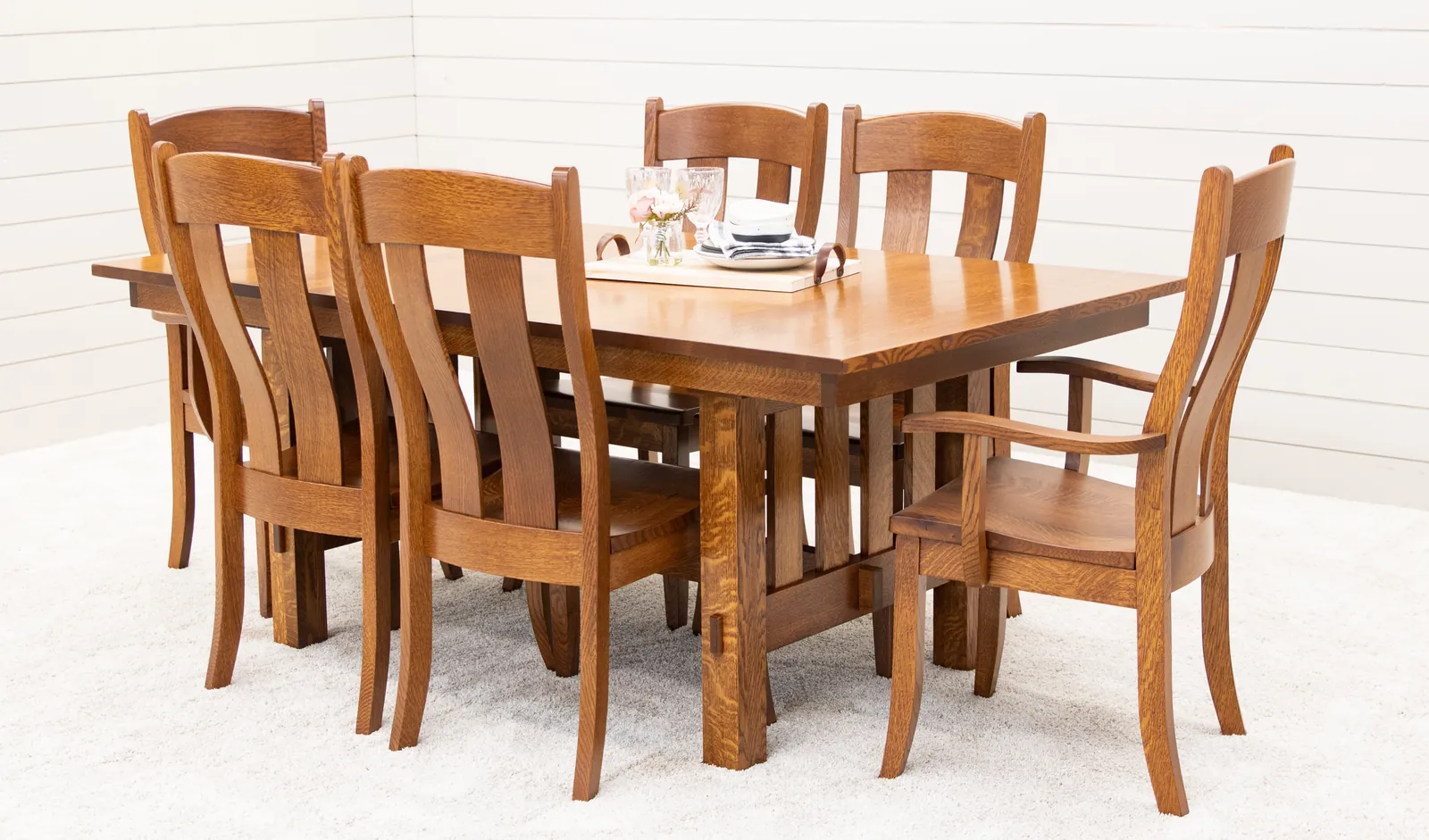
| Rectangular trestle | Large family dining areas | 72-inch solid oak table |
| Square counter-height | Compact breakfast nooks | 36-inch high bistro set |
| Extendable leaf | Occasional guest hosting | 60-inch table with insert |
| Drop-leaf table | Minimalist studio apartments | 30-inch folding side table |
Round pedestal tables
A round pedestal table is ideal for small kitchens because the central base removes the leg interference that makes seating awkward. This design suits couples or small families who want a smooth flow of traffic in a tight room.
- Provides extra legroom since there are no corner supports.
- Encourages conversation by placing everyone at a similar distance.
- Fits well in square rooms to soften sharp architectural lines.
If you have a 10-foot by 10-foot kitchen, a 42-inch round table leaves enough room for four chairs while keeping walkways open.
Rectangular trestle tables
Rectangular tables with a trestle base are designed for high-traffic kitchens where multiple people sit down at once. The base structure sits near the ends or the center, allowing you to slide chairs in without hitting table legs.
- Maximizes surface area for serving family-style meals.
- Supports heavy tabletop materials like granite or solid hardwood.
- Easily accommodates six or more people in long rooms.
For a family of four, a 60-inch rectangular table provides enough elbow room, though you should check the table width to ensure it fits your specific floor plan.
Square counter-height tables
Square counter-height tables offer a casual, modern look that works well for quick breakfasts or working from home. These are best for people who prefer a taller seating position or want to match their existing kitchen island height.
- Creates a visual link between the table and kitchen counters.
- Saves floor space by tucking into corners more effectively.
- Functions as extra prep space when you’re cooking.
These tables aren’t for households with small children or elderly residents, as the higher seats can be harder to climb into safely. Always check the chair height before buying to ensure it’s appropriate for your specific table height.
Extendable leaf tables
Extendable tables allow you to change the seating capacity based on your guest list for the day. These are perfect for people who live in small homes but host large dinners several times a year.
- Offers a compact footprint for daily use.
- Expands quickly when you need to seat extra guests.
- Maintains a consistent style even when the table is fully extended.
The Consumer Product Safety Commission notes that furniture stability is vital; ensure the table remains balanced even when the leaf is removed or added.
Additional kitchen table options
- Drop-leaf tables: These feature hinged sides that fold down to save space, making them perfect for one-person kitchens or tiny apartments.
- Bistro tables: Small and tall, these are intended for two people and fit into narrow alcoves where a standard table would block a door.
- Glass-top tables: These use transparent surfaces to make a small kitchen feel larger by keeping the visual space open and airy.
How to decide on your table
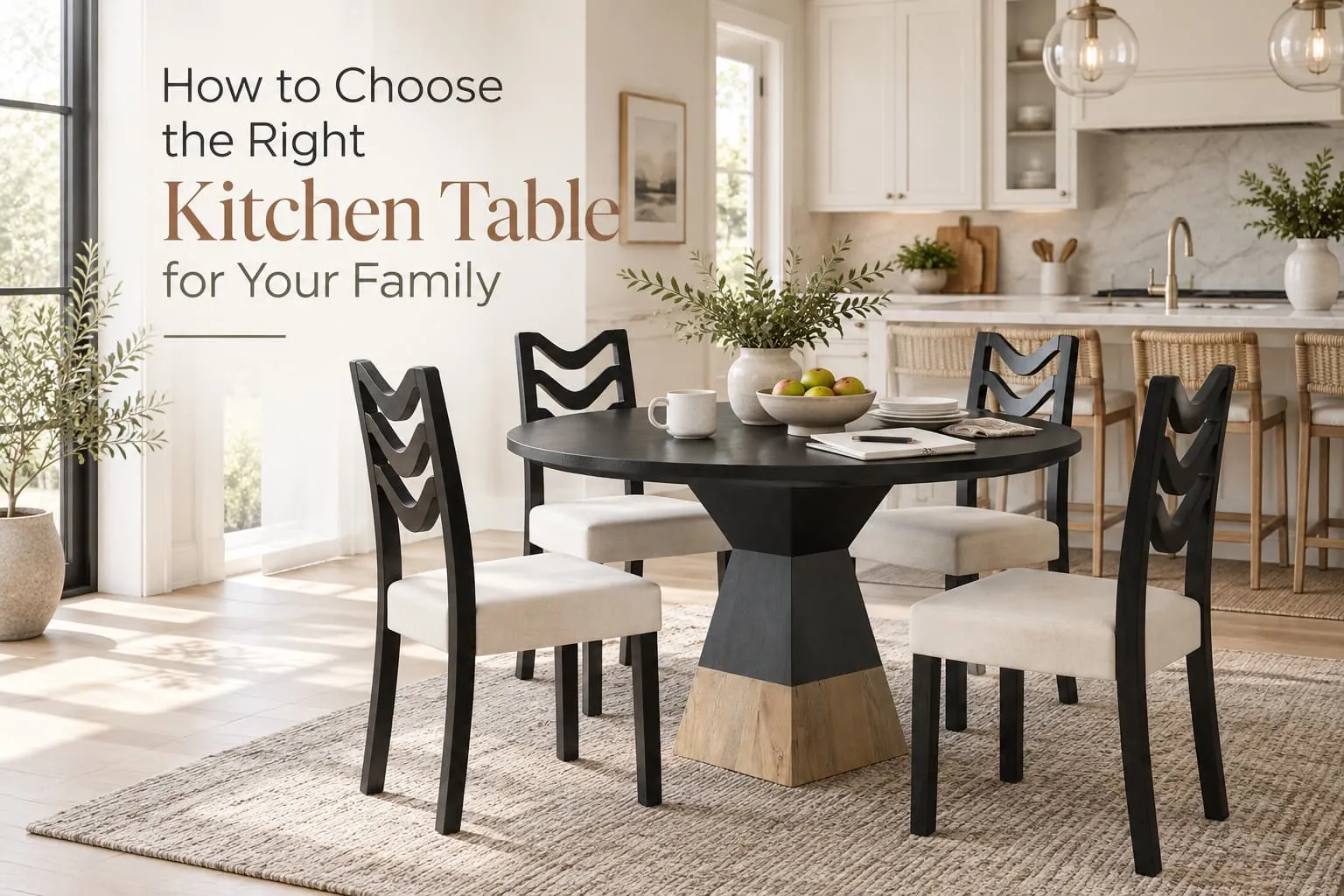
Your decision rests on two factors: the physical dimensions of your room and your typical seating needs. If you have a square room, choose a round or square table to maintain symmetry.
If your kitchen is long and narrow, a rectangular trestle table is the best way to utilize the space without creating bottlenecks. You can mix these shapes with different chair styles, but remember that picking one fixed table size means you can’t easily expand it unless you buy an extendable model.
Frequently asked questions
How much space do I need around a table?
You need at least 36 inches of clearance from the edge of the table to the nearest wall or cabinet to allow for seating and walking.
Should I choose wood or glass?
Wood is generally more durable and easier to repair, while glass creates a sense of openness in small kitchens but requires more frequent cleaning for fingerprints.
How high should my table be?
Standard dining tables are 28 to 30 inches high, while counter-height tables are typically 36 inches high to match standard kitchen cabinet surfaces.
Can I fit a square table in a rectangle room?
Yes, but you should place it at one end of the room to keep the remaining floor space clear for movement through the kitchen area.
What is the minimum size for four people?
A 36-inch square table or a 42-inch round table is the minimum size required to seat four adults comfortably for a meal.
Do I need a rug under my table?
A rug is optional, but it should be at least 24 inches larger than the tabletop on all sides so chairs stay on the rug when pulled out.
Conclusion
Start by measuring the total width and length of your available kitchen floor area. Once you have these numbers, subtract 36 inches from each side of the table’s footprint to ensure you have adequate clearance for chairs and walkways. Stop searching if the table you love is wider than your space allows, as it will block your movement.
Related guides