
To find the right size and style for your home, you should measure your available floor space and decide how many people need to sit at the table before you look at designs.
Why you need a dining room table guide
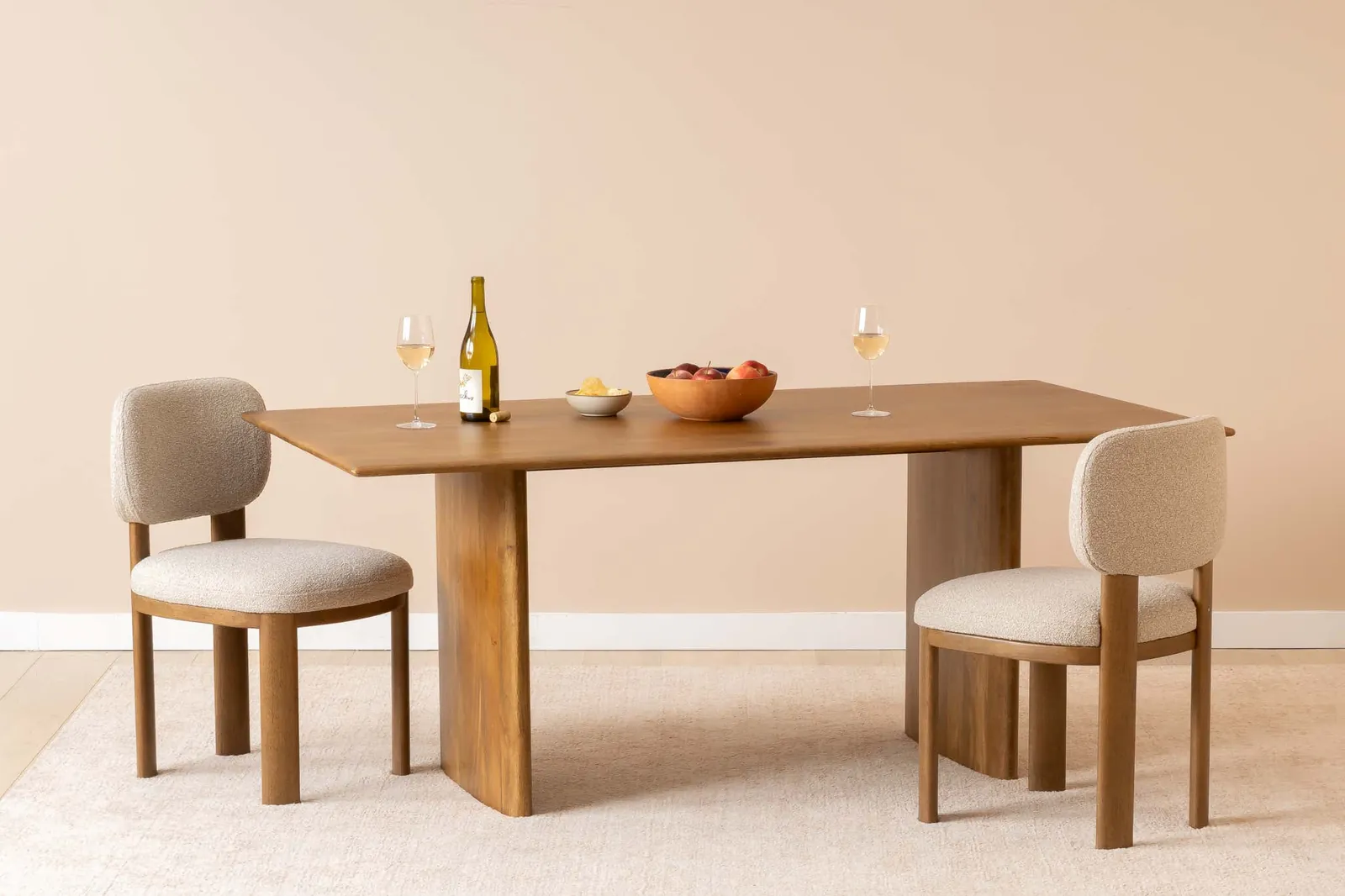
This guide helps homeowners and renters choose furniture that fits their floor plan. This is for first-time buyers or those replacing old furniture. You already know your rough budget and the number of people who eat at your table daily. This page assumes you have access to a measuring tape and a clear idea of your room’s dimensions. Consult a professional designer for luxury brands or antique restoration. We focus on practical choices for standard dining areas.
Factors that change your choice
Room shape is the biggest factor, as rectangular rooms favor long tables while square or small rooms often work best with round ones. You must leave at least 36 inches of space between the table edge and the wall for comfortable seating.
Material durability is the second factor, and it varies by how you use the surface. If you have young children or pets, solid wood or high-pressure laminate resists wear better than glass or delicate veneers.
Your seating capacity is the third factor, and people often miscalculate this by ignoring the table legs. A pedestal base allows for more flexible seating than four corner legs, which can block chair placement.
Steps to select your furniture
- Measure the length and width of your dining area to see what fits.
- Calculate the number of people you need to seat by allowing 24 inches of edge per person.
- Check the table height, which is typically 28 to 30 inches for standard dining.
- Choose a leg style that doesn’t interfere with where your chairs sit.
- Verify the table surface material matches your cleaning habits and lifestyle needs.
- Confirm the delivery dimensions to ensure the table fits through your door frames.
Choose between a fixed size and an extendable model. An extendable table saves space daily but adds mechanical parts that require occasional care and maintenance.
Comparison of table types
Selecting the right table depends on your specific room layout and how often you host.
| Table Shape | Best For | Space Needed | Pros |
|---|---|---|---|
| Round | Small rooms | Low | Good flow |
| Square | Square rooms | Medium | Symmetrical |
| Rectangular | Large groups | High | Seats many |
| Oval | Narrow rooms | Medium | Saves corners |
| Extendable | Hosting | Variable | Versatile size |
Getting the details right
Preparing your space
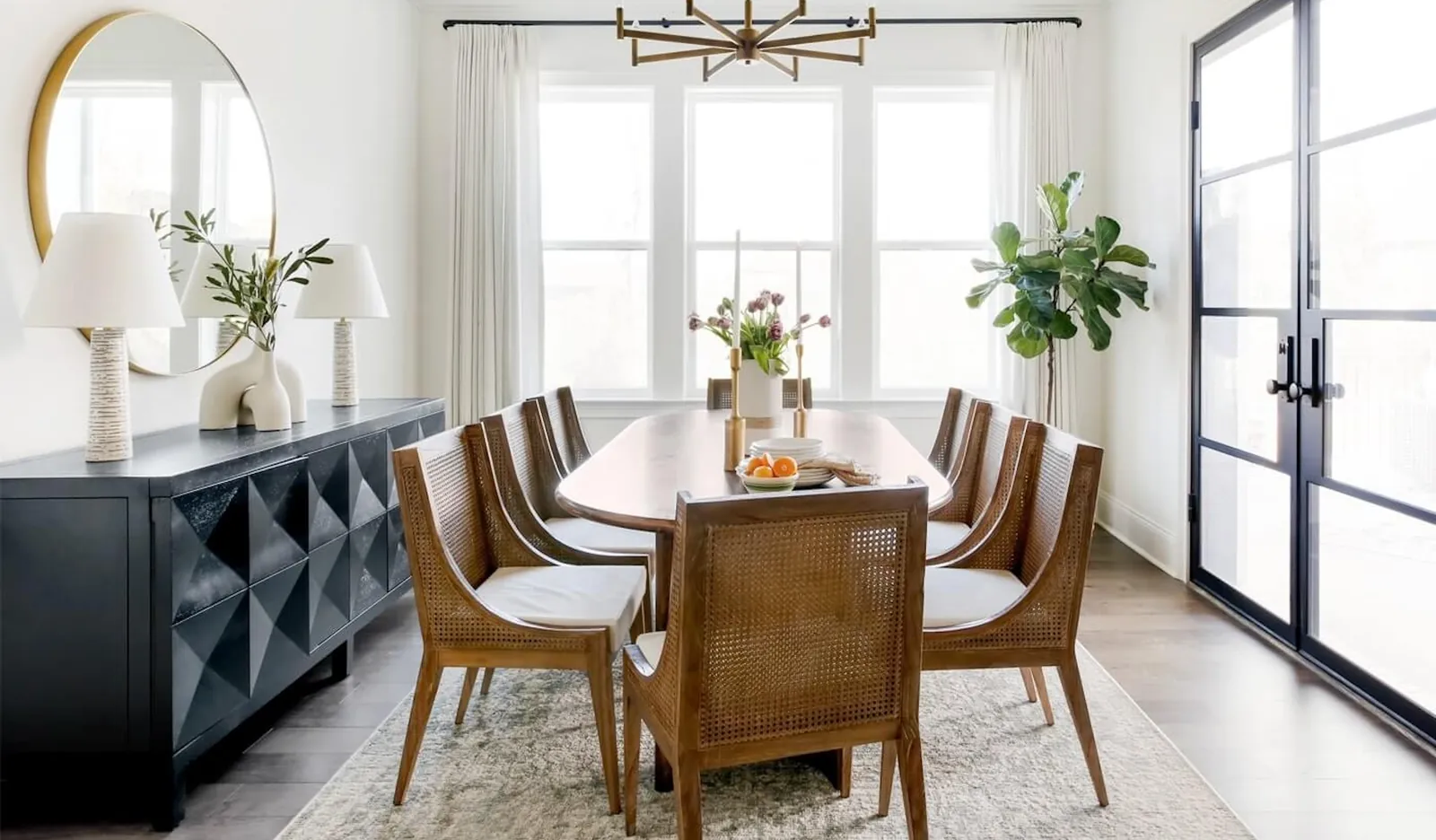
Mark the floor with tape to visualize the table’s footprint. This prevents buying a piece that makes the room feel cramped. Check the table apron thickness to ensure chairs slide underneath.
Checking for quality
Look for dovetail or mortise-and-tenon joints for durability. Check for wobbling before purchase. Avoid tables that rely only on staples or glue.
Solving common problems
| What you notice | What it means | What to do first | How to stop it |
|---|---|---|---|
| Surface scratches | Soft finish | Use placemats | Apply hard wax |
| Wobbly legs | Loose bolts | Tighten hardware | Check floor level |
| Ring marks | Moisture damage | Wipe dry | Use coasters |
| Sticky residue | Finish reaction | Clean gently | Avoid harsh soap |
| Tight fit | Wrong size | Move chairs | Measure floor space |
Rules for furniture safety
Furniture safety depends on material quality and structural integrity. Use tempered glass to prevent shattering. Don’t modify structural legs to avoid instability. If you find a table that’s damaged or missing hardware, contact the manufacturer directly to order official replacements rather than using generic parts from a local hardware store.
Understanding the real costs
Price reflects materials, construction, and shipping. Solid wood lasts longer than veneer or composite. Factor in the cost of chairs, which can exceed the table price. Compare prices, noting that lower costs often reflect lower-quality materials.
Keeping your table in shape
Regular maintenance keeps your surface looking new. Dust weekly to prevent finish dulling. Apply wood polish or oil every 6 months. Treat the wood if it looks dry or loses shine. Blot spills immediately to prevent moisture from entering the wood grain.
When to choose a different approach
If you have a very small apartment, a full-sized dining table might be the wrong choice. Consider a wall-mounted drop-leaf table or a bar-height counter instead to keep your floor clear. If you require a table for heavy-duty work or craft projects, a standard dining table finish will likely scratch too easily. In that case, look for industrial-grade surfaces or heavy-duty laminate.
Frequently asked questions
How long should a dining table last?
A well-made solid wood table can last for a very long time with regular care. The lifespan depends on the quality of the finish and how often you clean the surface.
Is it safe to buy a table online?
It’s safe if you measure your room carefully and check the return policy before ordering. Always confirm the shipping dimensions to ensure it will fit through your front door.
How much space should I leave around a table?
You should leave at least 36 inches of clearance between the table edge and the wall. This distance allows people to pull out chairs and walk behind them without bumping into objects.
Does table shape matter for small rooms?
Round tables are better for small rooms because they lack sharp corners. This design helps people move around the table easily without hitting their legs on pointed edges or table corners.
How often should I oil a wood table?
You should oil a solid wood table every 6 months to keep the finish healthy. Use a product recommended by the manufacturer to avoid staining or damaging the wood grain.
What happens if I buy a table that’s too large?
A table that’s too large will make the room feel crowded and block traffic flow. If you find it’s too big after delivery, you may need to remove extra chairs or move the piece.
Conclusion
Start by measuring your room to define your maximum table size. You should expect the table to serve as the anchor of your room, showing clear walkways around it. Stop and seek professional design help if your space requires custom shapes or complex structural modifications.
Related guides