
You can buy cheap chairs at IKEA, Amazon Basics, Walmart, Target, and Habitat for Humanity ReStores for $30 to $80. These retailers offer consistent low prices on new and used seating without hidden fees. Reliable sources prevent overpaying or risking unsafe finds.
The single factor that decides value is weight capacity relative to price. A $40 chair rated for 250 pounds lasts years; one rated for 180 pounds often breaks within months under the same use. Always check the stated limit, as visual sturdiness doesn’t guarantee integrity.
Finding Budget Chairs Safely
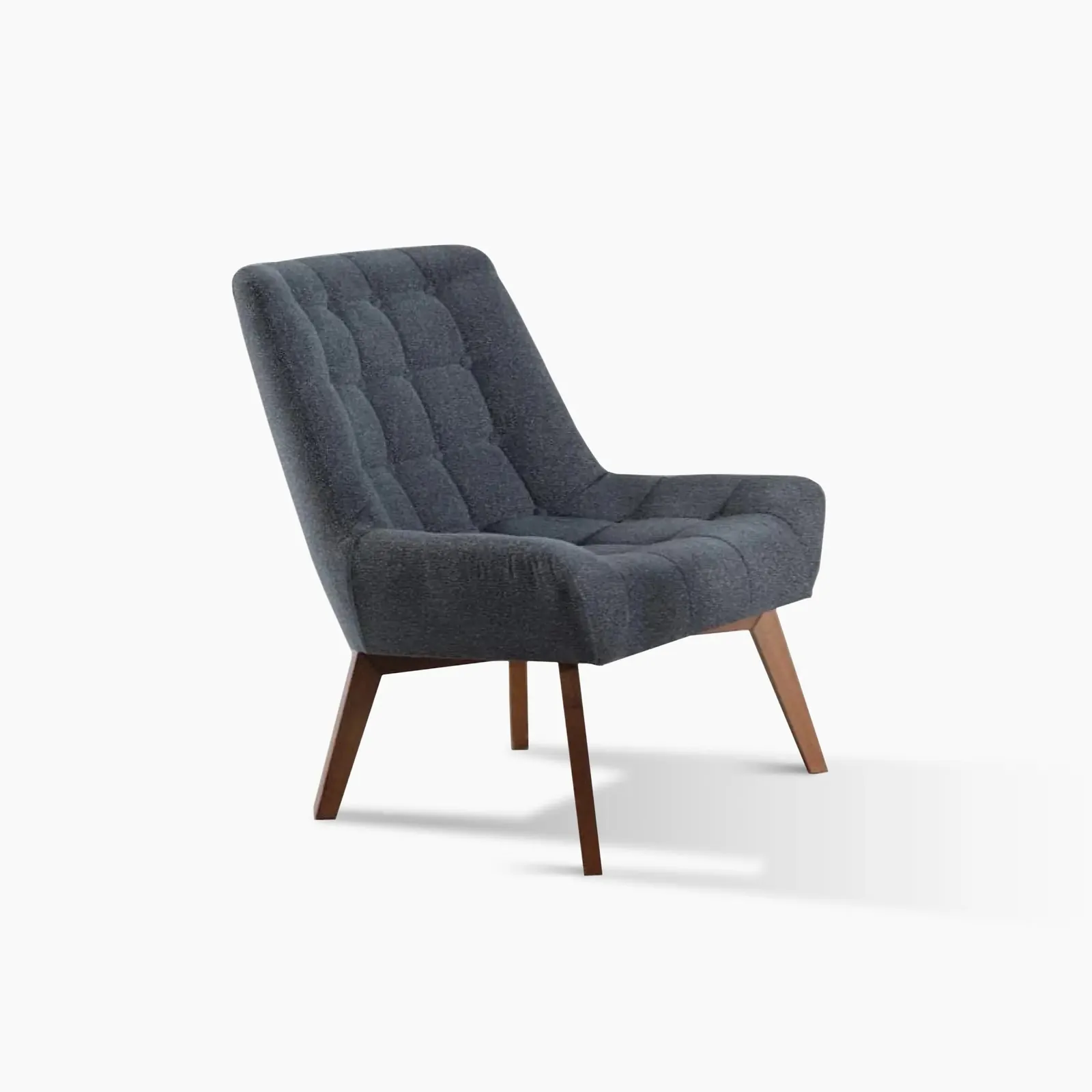
- Set a firm maximum spend before browsing to prevent impulse upgrades. Stick to this cap even if a slightly pricier model seems better, as budget creep defeats the purpose of buying cheap.
- Filter search results by verified weight capacity, not just price or star ratings. Choose chairs rated at least 50 pounds above your body weight to ensure durability and safety during daily use. Tip: Ignore listings that omit weight specs entirely, as missing data usually means inadequate testing or poor construction.
- Compare total delivered cost including shipping, taxes, and assembly fees across three retailers. A $35 chair with $25 shipping costs more than a $50 chair with free delivery, so always calculate the final out-the-door price.
- Read recent one- and two-star reviews focusing on breakage reports rather than comfort complaints. Look for patterns like “leg snapped” or “weld failed” within the first six months, which signal manufacturing defects over subjective preferences.
- Verify return policies specifically for assembled furniture before purchasing. Some sellers accept returns only if unopened, leaving you stuck with a defective chair once you’ve built it.
- Check local Habitat for Humanity ReStore inventory online or by phone for solid wood or office chairs under $40. These venues inspect donations for safety and function, unlike unvetted marketplace sellers.
- Test floor models in person whenever possible to assess wobble, joint tightness, and seat firmness. If visiting isn’t feasible, confirm the retailer offers hassle-free returns on assembled items.
Time Spent Chair Shopping
Finding a safe, affordable chair takes longer than expected because filtering out unsafe options requires careful verification.
| Situation | How long | What changes it | What to watch for |
|---|---|---|---|
| New basic task chair | 2–3 hours | Weight rating filters reduce viable options significantly | Missing spec sheets on third-party seller pages |
| Used office chair locally | 4–6 hours | ReStore inventory varies weekly; marketplace vetting adds time | Sellers refusing test-sit requests or measurements |
| Bulk purchase (4+ chairs) | 1–2 days | Quantity discounts require direct vendor contact and lead times | Minimum order thresholds that negate per-unit savings |
| Specialty ergonomic need | 3–5 hours | Fewer budget models meet medical or postural requirements | Claims lacking ANSI/BIFMA certification references |
If your search exceeds these estimates, pause and reassess your weight capacity or feature requirements against available budget options.
Signs of Safe Cheap Chairs

A reliable budget chair shows no lateral wobble when pressure is applied to the armrests or backrest while seated. Joints should feel tight with no grinding, clicking, or shifting during normal movement, and upholstery shouldn’t gap or pull at seams under weight.
Mistakes That Ruin Budget Buys
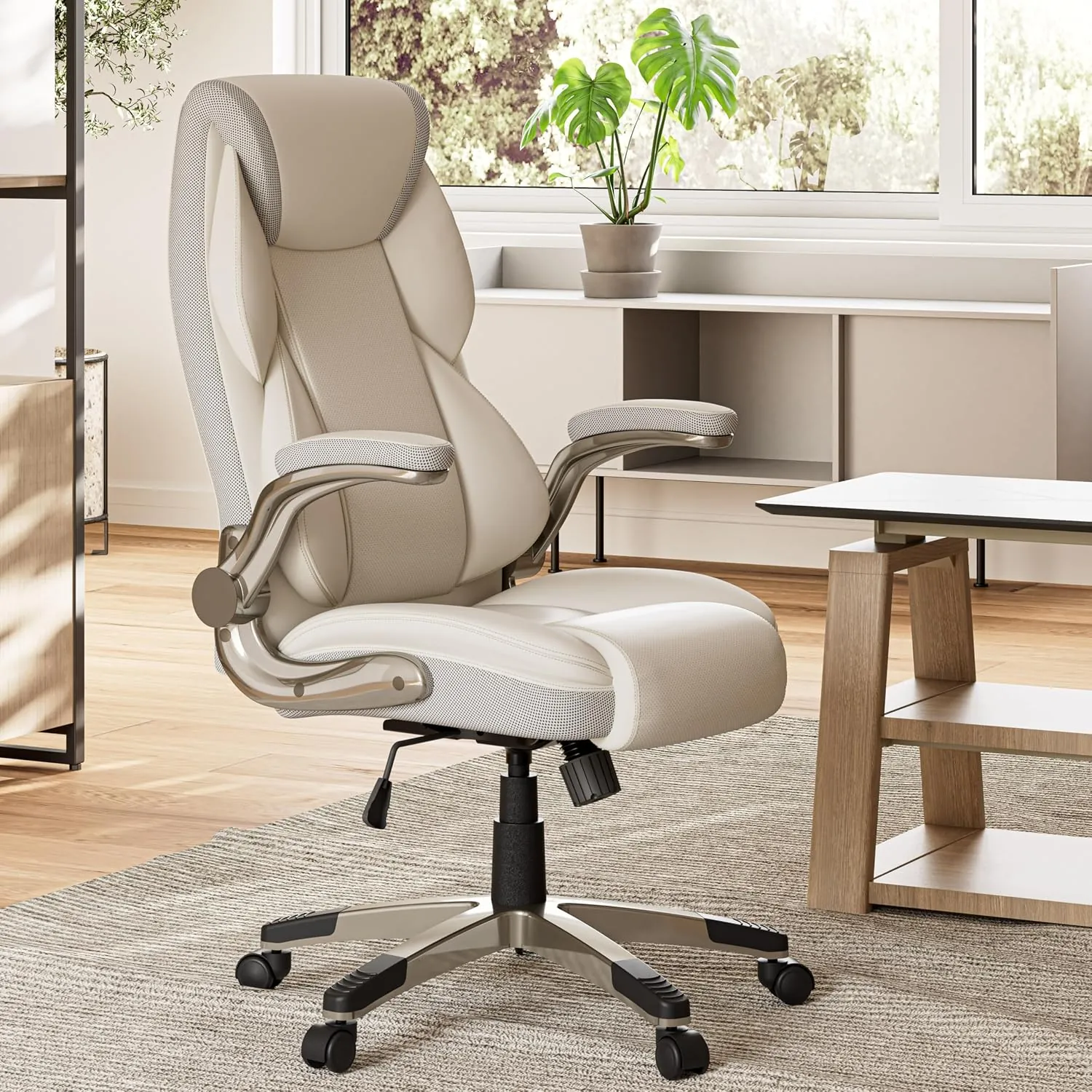
- Ignoring weight ratings: Chairs fail prematurely when users exceed unstated limits, causing broken casters or collapsed seats. Always match the chair’s certified capacity to your body weight plus a safety margin, never assuming standard sizing applies.
- Prioritizing aesthetics over adjustability: Fixed-height or non-tilting chairs cause discomfort within weeks, leading to replacement costs that erase initial savings. Choose models with at least seat height and back angle adjustments, even if they look plainer.
- Buying from unverified marketplace sellers: Counterfeit or rejected-factory chairs bypass safety testing and may contain toxic materials or weak welds. Purchase only from authorized retailers or inspected secondhand sources like ReStores that document item condition.
- Skipping assembly instructions: Improper bolt tightening or skipped steps create instability that mimics manufacturing defects. Follow torque specifications exactly and recheck fasteners after two weeks of use, as vibration loosens connections initially.
- Assuming free returns apply post-assembly: Many budget retailers refuse returns once packaging is discarded or hardware is installed. Confirm the policy in writing before opening boxes to avoid being trapped with an unusable chair.
Frequently asked questions
Can I buy cheap chairs that are actually safe?
Yes, if they carry ANSI/BIFMA certification or explicit weight ratings matching your needs. Avoid chairs lacking published load specifications regardless of cost, as untested frames pose real injury risks during normal use.
Why do some cheap chairs break so quickly?
They’re often built below recognized weight thresholds or with substandard fasteners to hit low price points. Checking third-party certifications and recent negative reviews reveals these weaknesses before purchase.
How long should a budget chair last?
Expect 2–4 years of daily use for chairs meeting ANSI/BIFMA standards and proper weight matching. Untested or overloaded chairs may fail within months.
Is it safe to buy used chairs online?
Only from sellers allowing in-person inspection or offering verified refurbishment documentation. Avoid listings without clear photos of joints, casters, and underside mechanisms.
What happens if I exceed a chair’s weight limit?
Structural failure becomes likely, ranging from sudden caster collapse to gradual frame bending. Even temporary overloading stresses components beyond design tolerances, accelerating wear and creating unpredictable failure points.
Where can I test cheap chairs before buying?
IKEA, Target, and Walmart typically have floor models available for sitting tests. For online-only brands, verify return policies cover assembled items to enable risk-free home trials.
How much should I spend minimum for a safe chair?
Spend at least $50–$70 for a new chair with verifiable ANSI/BIFMA certification and adequate weight rating. Below this range, safety testing is rarely documented.
Conclusion
Your next step is applying these filters to current inventory at the recommended retailers, using weight capacity as your primary screen rather than price alone. Documenting each candidate’s certification status and return terms before purchase prevents costly mismatches between expectation and reality.