
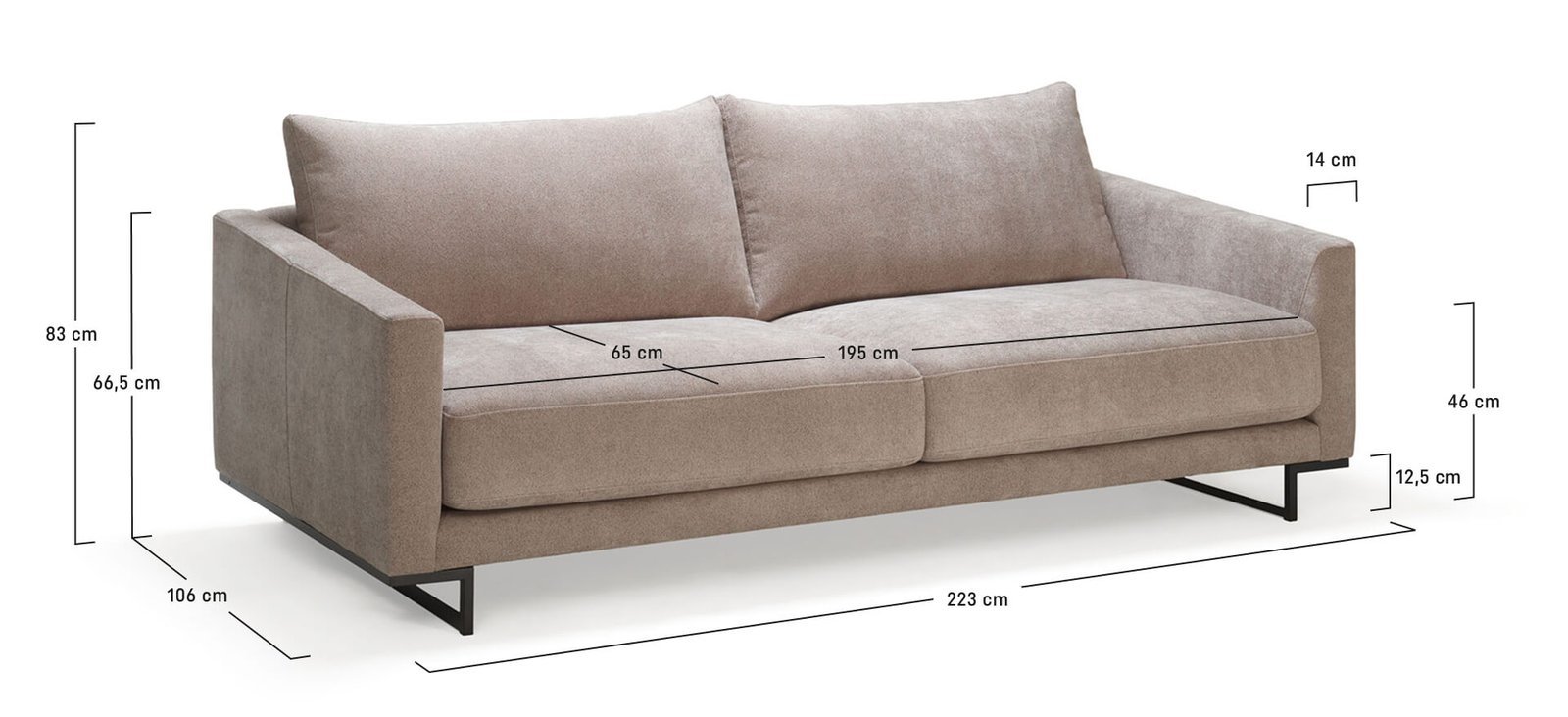
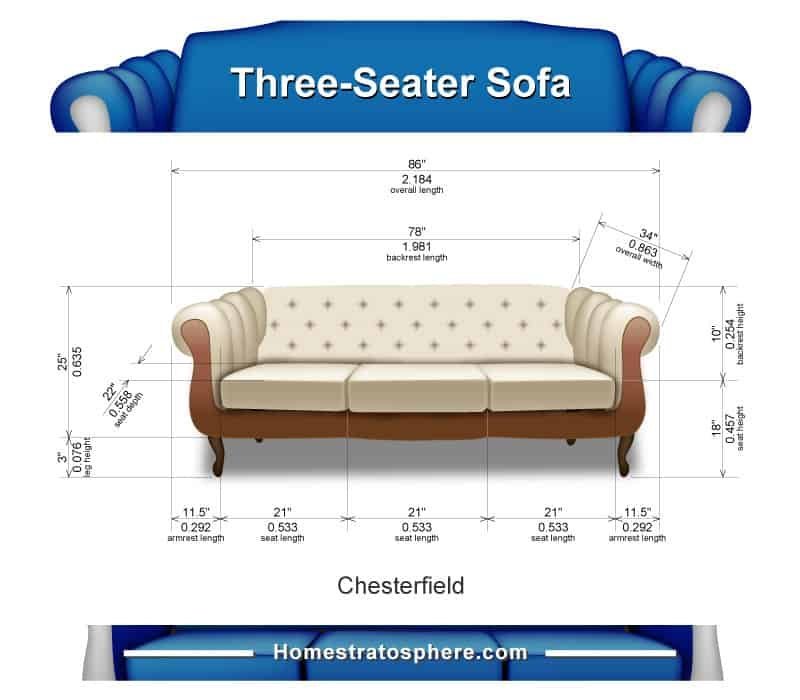
A standard 3 seater couch typically measures between 78 and 90 inches in total width. This size provides enough room for three adults to sit side-by-side comfortably, though the exact dimensions depend on the armrest design and the seat cushion configuration of each specific piece.
Standard Widths for a Three Seater Couch
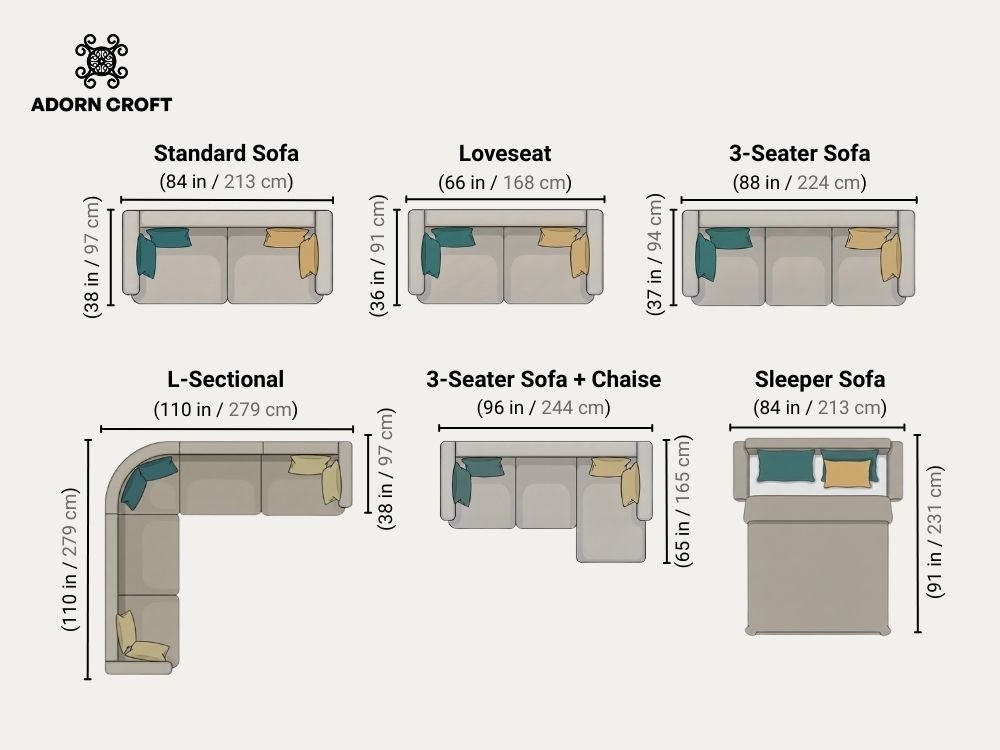
A 3 seater couch is designed to accommodate three people, but the total width includes the arms, not just the seating area. People often mistake the seating width for the total width, which leads to space issues in their living rooms. Plan for both the frame and walkway clearance.
Measuring Your Living Space
To ensure a couch fits, follow these steps to measure your room and the furniture correctly.
- Measure the total length of the wall where you plan to place the couch.
- Subtract 12 inches from that wall length to allow for side tables or breathing room.
- Check the manufacturer’s technical sheet for the “total width” including the widest part of the arms.
- Use painter’s tape to mark the floor dimensions in your room to see how it affects traffic flow.
- Account for door swings and hallway widths if you need to move the sofa through your home.
- Verify the seat depth to ensure it matches your comfort preference, as deeper sofas take up more floor space.
The critical decision is whether you want a slim-arm sofa to save space or a rolled-arm style that adds several inches to the total width.
Comparison of Common Couch Sizes
The following table provides a quick guide to how different styles influence the total width of a 3 seater unit.
| Style | Typical Width | Armrest Type | Best For |
|---|---|---|---|
| Slim Track Arm | 78–82 inches | Narrow/Flat | Small apartments |
| Standard Roll Arm | 84–90 inches | Rounded/Soft | Traditional living rooms |
| Overstuffed/Plush | 92–100 inches | Wide/Padded | Large family rooms |
| Mid-Century Modern | 75–80 inches | Tapered/Minimal | Tight urban spaces |
| Sectional Component | 80–88 inches | Integrated | Modular layouts |
Achieving Perfect Placement
Experienced designers look at the room’s proportions rather than just the sofa width. They prepare by clearing the area completely and checking the distance to the television or coffee table.
Always work from the center of the room outward. If you have a fireplace or a focal point, center the sofa there first. Check the clearance between the coffee table and the seat edge; you should maintain at least 15 inches of space to walk comfortably. Leave the area around the couch clear of heavy rugs that might bunch up, as this creates a tripping hazard and ruins the clean look of your new seating arrangement.
Common Issues and Solutions
Small errors in measuring lead to big problems when the delivery arrives at your door.
| What you notice | What it usually means | What to do first |
|---|---|---|
| Sofa touches walls | Miscalculated total width | Remove side tables |
| Blocks the doorway | Didn’t account for arms | Rotate the orientation |
| Feels too crowded | Room is too small | Choose a track-arm model |
| Looks lost in room | Width is too narrow | Add a matching armchair |
Regulatory Standards for Furniture
Furniture safety and sizing standards are often guided by organizations like the International Home Furnishings Representatives Association. These bodies ensure that standard dimensions allow for safe egress and proper ergonomic support. Never attempt to modify a factory-made frame yourself, as this voids the manufacturer’s warranty and can compromise the structural integrity of the couch, making it unsafe for heavy use.
Long-term Care and Maintenance
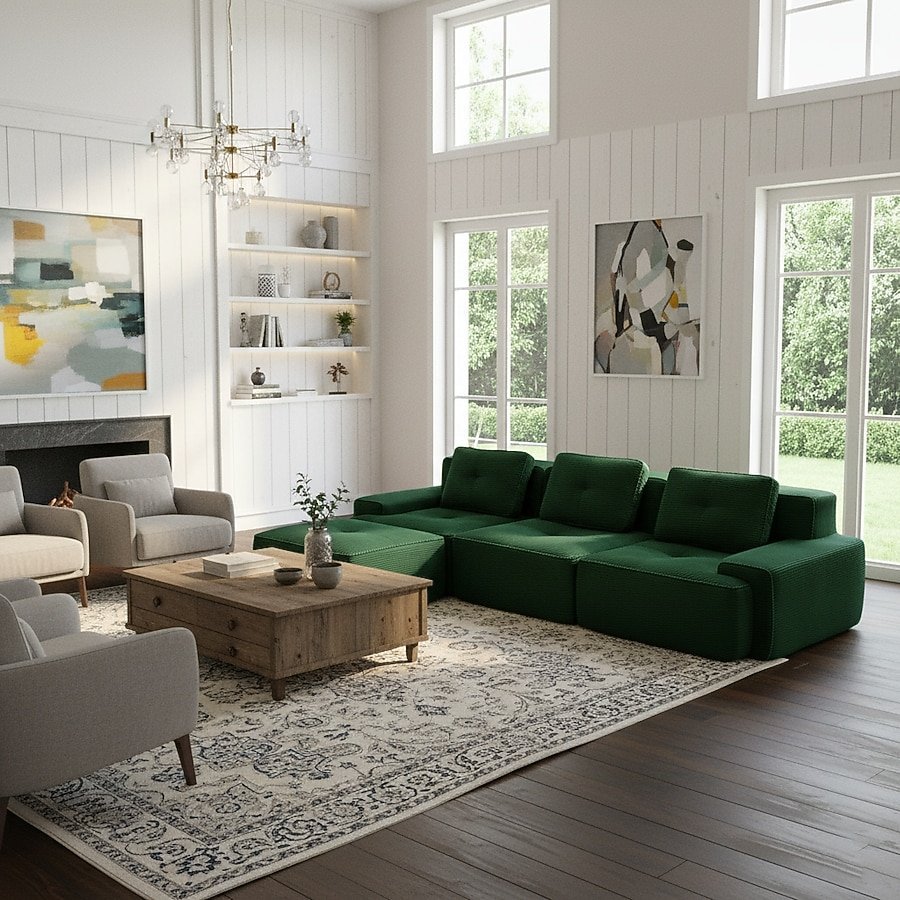
After you place your couch, keep it away from direct sunlight to prevent fabric fading and wood warping. Rotate your cushions regularly to ensure even wear across the seating surface. If you notice sagging, check the support straps for stretching. Fluff back cushions weekly; if the frame feels unstable, contact the manufacturer for repair guidance.
When to Choose Alternatives
Sometimes a 3 seater isn’t the right choice for your lifestyle. If your room is very narrow, a deep-seated 3 seater will make the space feel smaller; choose a loveseat or two chairs instead. If you frequently host guests for overnight stays, a standard couch might not be enough; opt for a sleeper sofa, though remember these are often 5 to 10 inches wider than standard models due to the internal mechanism.
How wide is a 3 seater couch with rolled arms?
A 3 seater couch with rolled arms is usually 84 to 90 inches wide. These arms add bulk compared to track-style armrests.
Can I fit a 3 seater in a small apartment?
Yes, you can fit one if you choose a model with thin track arms. These measure under 80 inches, saving space compared to overstuffed designs.
Why does my couch look wider than the store listing?
It likely looks wider because you’re measuring the widest point of the arms. Always check the “total width” specification, not just the seat width, to avoid this common confusion.
How much space do I need for a 3 seater?
You need at least 100 inches of wall space for a 90-inch couch. This allows for 5 inches of clearance on each side, which prevents the piece from looking cramped.
Is a 3 seater always the same width?
No, it varies by model — check the label. Manufacturers define a 3 seater by the number of cushions or seating spots, but the frame width depends entirely on the design style.
The width of your sofa is the most important factor for a functional living room. By measuring your space carefully and choosing a style that fits your floor plan, you ensure that your seating area remains comfortable and accessible for years to come.