
To achieve a balanced and elongated look, you can sit like a model by keeping your back straight, crossing your legs at the ankles, and angling your knees slightly to one side.
The most important part of this look is keeping your spine tall. You want to avoid slouching into the chair, as this hides your neckline and makes your frame look smaller. A common mistake is leaning too far back against the seat, which causes your shoulders to round and your neck to disappear from view.
Steps to Sit Like a Model
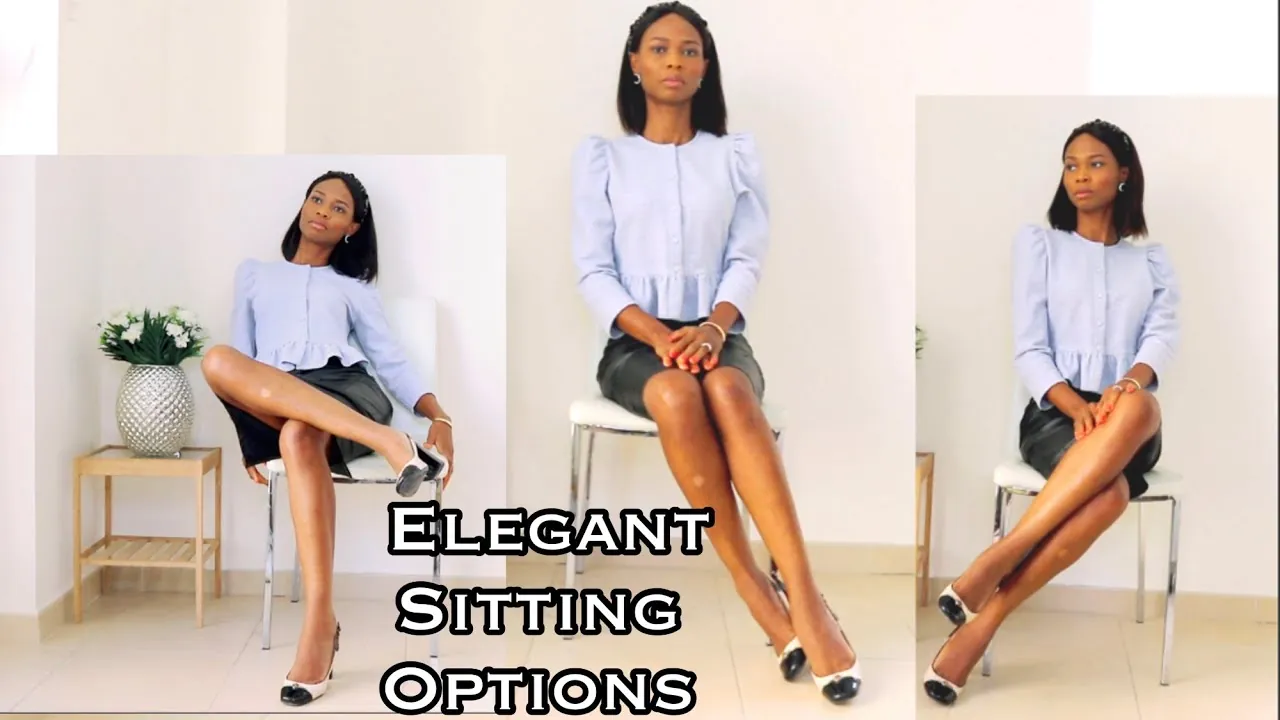
- Sit toward the front edge of the chair to avoid sinking into the backrest. Keep your hips at the very edge so your spine stays naturally upright without needing the support of the seat.
- Place both feet firmly on the floor or cross your legs at the ankles. If you choose to cross your legs, ensure your knees are pointed toward the side rather than directly at the camera or the person you’re facing.
- Align your shoulders directly over your hips. You can find this balance by imagining a string pulling the top of your head toward the ceiling, which prevents you from hunching.
- Rest your hands gently on your lap or place one hand on the armrest. Avoid clenching your fingers or hiding your hands under your thighs, as this can look stiff in photos.
- Tilt your chin slightly downward and forward to define your jawline. According to physical therapy posture guidelines from the NHS, maintaining this neutral neck position prevents long-term strain and ensures your frame looks balanced. Tip: If you feel your back tiring, engage your core muscles slightly to support your weight instead of collapsing against the furniture.
- Smile softly or keep your expression relaxed. A tight mouth makes the entire pose look forced, so breathe deeply to soften your face. Tip: Always check your reflection in a mirror to see if your shoulders are level, as people often drop one side without noticing.
Time Needed for Perfecting Your Pose
Mastering this look takes practice, as your body needs to learn how to hold these muscles without feeling stiff or uncomfortable.
| Situation | How long | What changes it | What to watch for |
|---|---|---|---|
| Quick photo | 1 minute | Muscle memory | Shoulder height |
| Formal event | 2-3 hours | Chair height | Back tension |
| Long photoshoot | 4+ hours | Core fatigue | Slumping spine |
If the pose feels painful after a few minutes, you’re likely holding your muscles too tightly; loosen your grip and reset your spine.
Identifying When Your Pose Is Correct
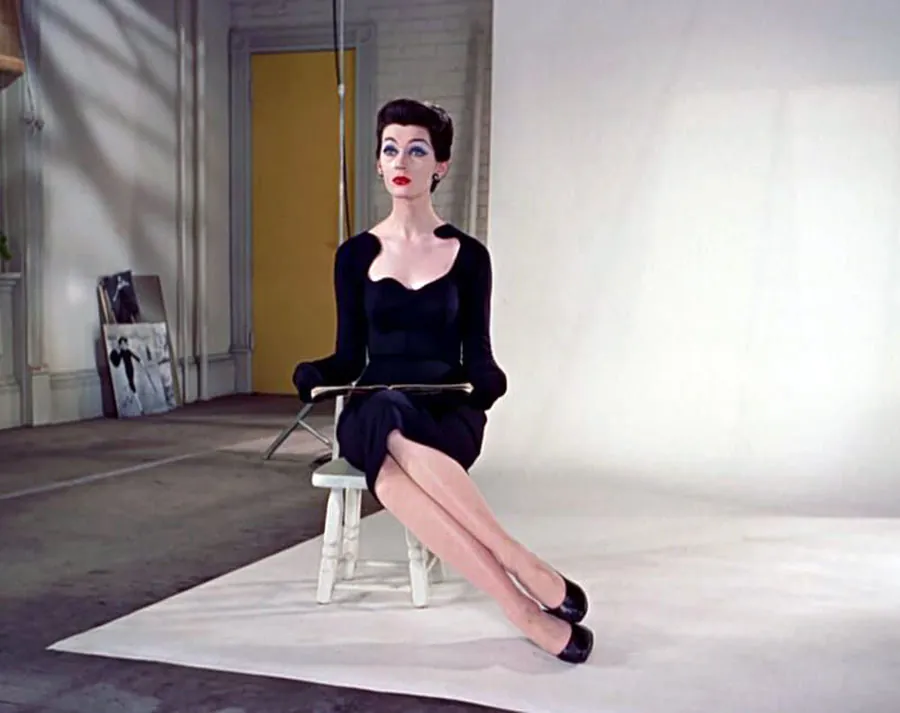
You can tell your posture is correct when your shoulders feel open and your weight is distributed evenly through your sit bones. If you’re sitting correctly, your legs should form a clean, diagonal line that draws the eye toward your face. A simple way to check is to look at your silhouette in a mirror. If you see a straight, vertical line from your ear to your shoulder and hip, you have achieved the professional standard.
Mistakes That Ruin Your Silhouette
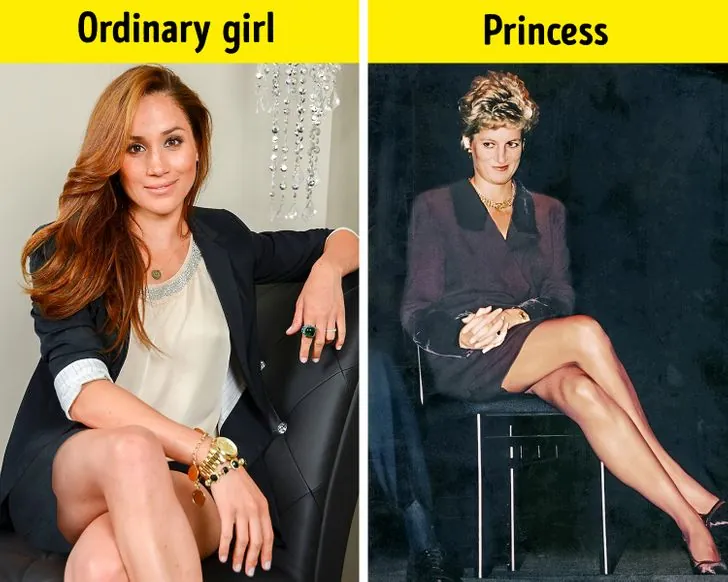
- Rounding the shoulders: This makes your torso look collapsed and shortens your neck. Keep your shoulder blades pulled back and down to maintain an open chest.
- Crossing legs at the knees: This often creates an unflattering bulk and cuts off the visual length of your legs. Cross at the ankles instead to keep your legs looking long and elegant.
- Hiding the hands: Tucking hands under your body creates awkward shadows and makes your arms disappear. Always keep your hands visible and relaxed on your lap or a nearby surface.
- Looking straight up or down: This can create double chin shadows or hide your eyes. Keep your gaze level or slightly tilted toward your target to ensure your face remains the focus.
Frequently asked questions
Can I sit like a model on a low couch?
Yes, but you must sit on the very edge and keep your feet tucked to the side. Since low furniture naturally forces you to slouch, you’ll need to engage your core muscles more than you would on a firm chair to keep your spine tall and elegant.
How long should I hold this pose for a photo?
You only need to hold the pose for 3 to 5 seconds while the shutter clicks. If you’re at an event, hold it for as long as you feel comfortable, but stand up and stretch every 20 minutes to prevent your muscles from cramping or looking stiff.
Is it safe to sit with my legs crossed for a long time?
It’s generally safe for short periods, but crossing your legs for more than 30 minutes can restrict circulation. If you’re sitting for a long event, alternate which leg is on top or keep both feet flat on the floor to avoid numbness in your legs.
What happens if I have a bad back?
If you have back pain, you should prioritize your comfort over the pose by using a small cushion for lumbar support. A model’s look relies on a straight spine, so if you can’t maintain it safely, choose a pose that allows you to lean back while keeping your neck long.
How do I know if my posture is too stiff?
You can tell your posture is too stiff if your neck muscles feel tight or your hands are shaking. A natural, model-like sit should look effortless; if you feel like you’re struggling to stay upright, take a deep breath and let your shoulders drop away from your ears.
Conclusion
The secret to sitting like a model isn’t about being rigid, but about finding a tall, comfortable shape that you can hold without effort. By keeping your spine aligned and your limbs relaxed, you create a look that’s both graceful and authentic. Remember that your comfort is the most important factor, as any tension you feel will show in your face and ruin the elegance of your pose.
Related guides