
A recliner with a flat-recline feature is the standard chair that you can sleep in for occasional naps or overnight rest. These seats adjust to a near-horizontal position, providing support for your back and neck. Choosing the right design depends on your physical needs and the space available in your home.
Types of sleeping chairs
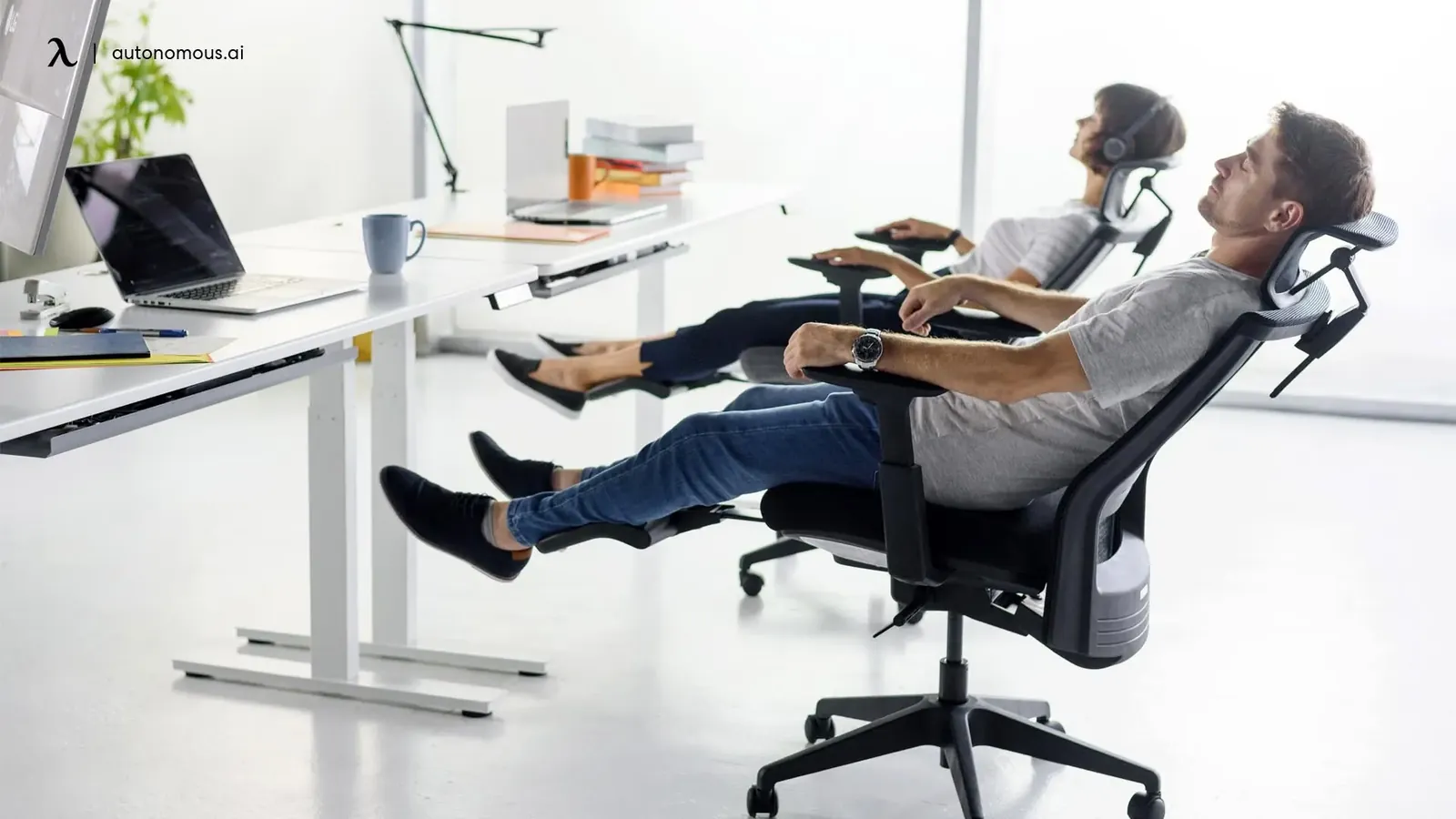
You can find several designs that offer enough comfort for sleeping. The following table helps you compare the primary options available for home use.
| Chair type | Best for | Example |
|---|---|---|
| Power recliner | Seniors needing assistance | Infinite position recliner |
| Futon chair | Guest rooms | Convertible sleeper chair |
| Chaise lounge | Short afternoon naps | Padded chaise |
| Glider recliner | New parents | Nursing glider |
Power recliners
A power recliner uses an electric motor to adjust the backrest and footrest to your preferred angle. These are ideal for people who have limited strength or mobility, as they don’t require manual force to operate.
- Provides stable, infinite positioning for customized back support.
- Includes a lift function to help you stand up safely.
- Features plush padding to reduce pressure points during long periods.
Most high-quality models allow you to stop the backrest at any angle between 90 and 180 degrees. If you’re using one for sleep, keep it at a slight incline to help prevent acid reflux, as noted by the National Institute of Diabetes and Digestive and Kidney Diseases.
Convertible sleeper chairs
A convertible sleeper chair is a compact piece of furniture that unfolds into a flat surface. It suits people who have small apartments or home offices where space is at a premium.
- Transforms from a seated chair into a narrow single bed.
- Uses a folding metal frame hidden under seat cushions.
- Offers a firmer surface than traditional soft recliners.
You might use a twin-sized sleeper chair in a guest room. To open it, you simply pull the front seat panel forward until the frame locks into a flat, extended position.
Chaise lounges
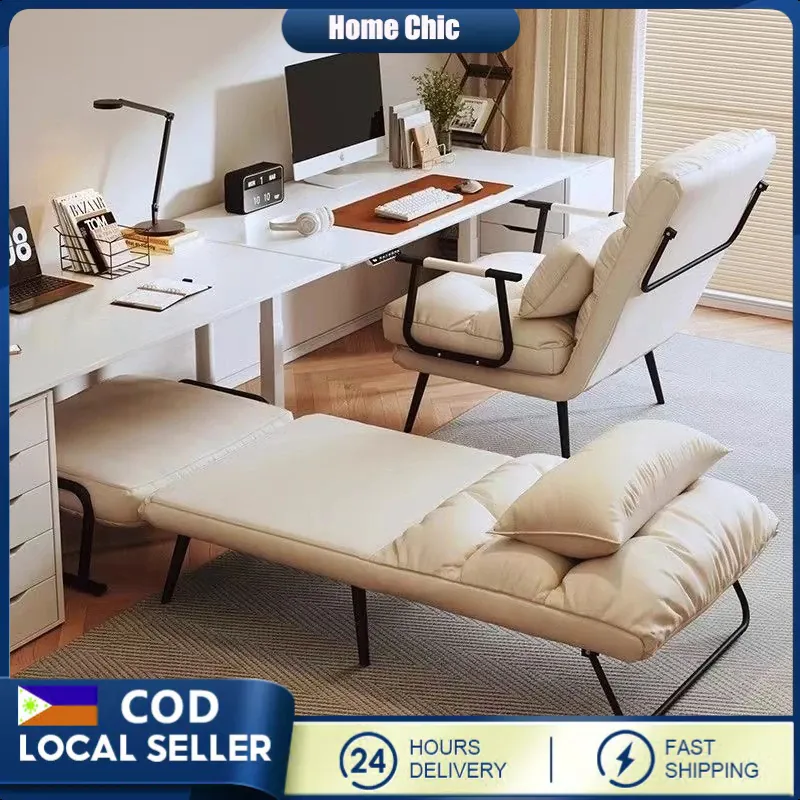
A chaise lounge is a long, stationary chair designed for reclining with your legs fully extended. It suits those who want a dedicated spot for reading or short naps without needing complex mechanical parts.
- Features a fixed, ergonomic slope for natural body alignment.
- Requires no motor or folding mechanism, making it very durable.
- Offers a wide surface area compared to standard armchairs.
If you have back pain, a chaise may not provide enough support for a full night of sleep. A mistake people often make is choosing a model that’s too short for their height, which causes them to wake up with cramped legs.
Glider recliners
A glider recliner moves back and forth on a smooth track rather than rocking on a curved base. This design suits parents who need to soothe a child while staying comfortable themselves.
- Moves with a quiet, consistent motion to aid relaxation.
- Includes a swivel base for easy movement in any direction.
- Provides deep cushioning for long hours of sitting.
Because these chairs are designed for motion, the locking mechanism for the recline feature is often less stable than a fixed power recliner. If you plan to sleep in it, ensure the lock is fully engaged to prevent accidental movement.
Other seating options
- Bean bag chairs: These are large, flexible bags filled with foam that mold to your body shape. They suit casual environments but offer very little neck support for deep sleep.
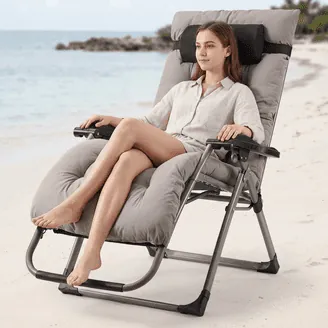
- Zero gravity chairs: These chairs elevate your legs above your heart level to reduce pressure on the spine. They’re excellent for short, therapeutic rests but can be difficult to get out of.
Choosing the right chair
Your choice depends on your physical needs and the intended use. If you need a seat to help you stand up, choose a power lift recliner. If you’re looking for a guest bed, choose a convertible sleeper chair.
If you only want a place for occasional afternoon naps, a chaise lounge is usually enough. You can combine these features in some modern models, but picking a specialized chair often means sacrificing one feature for another, such as sacrificing the compact size of a chaise for the motorized comfort of a recliner.
Frequently asked questions
Can I sleep in a recliner every night?
Sleeping in a recliner every night is possible if the chair provides proper lumbar support, but you should check with a doctor if you have chronic back pain. A flat bed is usually better for spinal health.
How long can a person safely sleep in a chair?
A person can safely sleep in a chair for 6 to 8 hours if the design allows for full body support. Ensure your neck is supported to avoid stiffness when you wake up.
Is it safe to sleep in a chair after surgery?
It’s often recommended by doctors to sleep in a reclined position after certain surgeries, such as shoulder or abdominal procedures. Always follow the recovery instructions provided by your own surgeon.
Does a chair need to be flat to be comfortable?
A chair doesn’t need to be perfectly flat, but an angle of 130 to 150 degrees is often the most comfortable for long-term resting. This angle reduces strain on your lower back.
What happens if I sleep in a chair that’s too small?
If you sleep in a chair that’s too small, your limbs may hang off the edges, which leads to poor circulation and muscle soreness. Check the seat length against your height before buying.
Does the material of the chair matter for sleep?
The material matters because breathable fabrics like cotton or linen prevent overheating during sleep. Leather is durable but can feel sticky or cold depending on the temperature of your room.
Starting your search
Start by measuring the available floor space in your room to ensure the chair can fully recline without hitting walls. You’ll know you have found the right chair when you can sit in it for 30 minutes without needing to shift your weight. Stop searching and seek professional advice if you feel sharp pain in your lower back or neck while reclining.
Related guides