
To make a swivel chair, you must assemble a sturdy base, a rotating mechanism, and a seat frame, a project that typically costs between $60 and $250 depending on whether you repurpose an existing chair or source new components. This DIY endeavor requires basic mechanical skills and a few essential tools to ensure the final product is both functional and safe for daily use.
Key Takeaways
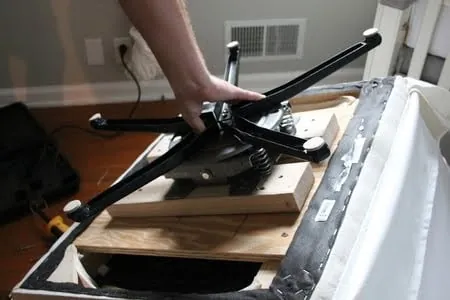
- Select a heavy-duty swivel plate capable of supporting the weight of the user and the chair frame.
- Ensure the base provides a wide enough footprint to prevent tipping when the seat rotates.
- Prioritize ergonomic alignment between the seat height and the desk or workspace surface.
- Use high-quality fasteners, such as carriage bolts or lag screws, to secure moving parts.
- Test the rotation smoothness before finalizing the upholstery or adding decorative cushions.
How to Make a Swivel Chair
Creating a rotating seat involves integrating a mechanical swivel plate between a stationary base and the chair body. Most builders start by sourcing a pre-made pedestal base or constructing a wooden box base that houses a steel turntable bearing. The goal is to distribute weight evenly so the rotation remains fluid without wobbling.
Essential Tools and Materials
To build your chair, you’ll need to gather specific hardware and materials that ensure durability. Avoid using lightweight plastic components, as these often fail under the torque of frequent rotation.
| Component | Recommended Material | Purpose |
|---|---|---|
| Swivel Plate | Heavy-duty Steel | Provides 360-degree rotation |
| Base Support | Hardwood or Metal | Creates a stable footprint |
| Fasteners | Grade 5 Bolts/Lock Nuts | Secures the rotating mechanism |
| Seat Frame | Plywood or Solid Wood | Supports the user’s weight |
| Padding | High-Density Foam | Provides ergonomic comfort |
Choosing the Right Swivel Mechanism
The heart of your project is the swivel plate. You should look for a “lazy Susan” style ball-bearing plate, which is designed for furniture applications. These plates are rated for specific weight capacities, so check the label before purchasing. A plate with a 12-inch diameter is generally sufficient for standard dining or office chairs.
Warning: Always ensure the swivel plate is rated for at least 300 pounds to accommodate various users safely, as failure to meet ANSI/BIFMA furniture standards can lead to structural collapse or injury.
Constructing the Base Assembly
Your base must be wider than the seat to provide adequate leverage. If you’re using a wooden base, consider a cross-shaped design or a circular platform. If you prefer a metal pedestal, you can purchase a universal replacement chair base from an office supply store. Attach the swivel plate to the center of this base using recessed machine screws to avoid interference with the rotation.
Attaching the Seat Frame

Once the base and swivel plate are married, you must mount the seat. Ensure the seat is perfectly centered on the top plate to maintain balance. Use four bolts with nylon-insert lock nuts to secure the frame to the swivel plate. These nuts are vital because they resist loosening caused by the constant vibration and movement of the swivel action.
Methods for Upholstery
After the mechanical structure is finished, you can add comfort. Use high-density upholstery foam, which offers better support than standard craft foam. Attach the foam to your plywood seat base using spray adhesive, then wrap it in polyester batting to soften the edges. Finally, staple your chosen fabric to the underside of the seat frame, pulling it taut to avoid wrinkles.
What Are Common Safety Considerations?
Stability is the primary concern when building a swivel chair. If the base is too small, the chair will tip when the user leans back or rotates quickly. Keep the center of gravity low and ensure the footprint is at least 24 inches wide. Additionally, check all bolts monthly to ensure they haven’t backed out due to repetitive motion.
Troubleshooting Rotation Problems

If your chair feels “gritty” or difficult to turn, the swivel plate might be pinched by the mounting screws. Ensure the heads of your screws are flush with the metal surface. If the chair squeaks, apply a small amount of lithium grease to the ball bearings inside the swivel plate. Avoid heavy oils that may attract dust and debris over time.
Frequently Asked Questions
Can I turn any chair into a swivel chair?
Yes, most chairs with a flat wooden or metal frame base can be converted. You simply need to detach the existing legs and install a swivel plate between the seat bottom and the new base structure. If the chair has a complex shape, you may need to build a wooden sub-frame to create a flat mounting surface for the swivel mechanism.
How do I stop the chair from wobbling?
Wobble is usually caused by an uneven base or loose fasteners. Verify that all four legs of your base are touching the floor simultaneously. If the floor is level but the chair rocks, tighten the bolts connecting the swivel plate to the seat. If the swivel plate itself has play, you may need to replace it with a higher-quality steel model.
Is it cheaper to build or buy?
Building is often more expensive if you’re buying new materials, but it allows for customization that store-bought chairs lack. You can source parts from old furniture to reduce costs. If you prioritize budget, repurposing a solid frame from a thrift store is the most economical path, while building from scratch offers the best aesthetic control.
How much weight can a DIY swivel chair hold?
The weight capacity is determined entirely by the swivel plate and the base material. Most consumer-grade steel swivel plates are rated for 250 to 400 pounds. If you intend for the chair to hold heavier loads, purchase an industrial-grade ball-bearing swivel plate and use thick, high-density plywood for the seat frame and base construction.
Should I add a locking mechanism?
Adding a lock is optional but recommended if the chair is for a child or a high-traffic area. You can install a simple spring-loaded pin that drops into a hole drilled into the base. This prevents the chair from rotating when you want it to remain stationary. However, most DIY builders find that a well-balanced swivel is smooth enough that a lock is unnecessary.
Conclusion
Start by inspecting the underside of your intended seat to determine if it has a flat, solid surface for mounting the hardware. Once you have confirmed a sturdy attachment point, purchase your swivel plate and begin by dry-fitting the components without hardware. This simple step ensures you have the correct bolt length and placement before you begin drilling into your frame.