
You can customize a living space by choosing a sectional couch you can add to, which allows you to purchase extra modules or individual seats as your needs change. This modular design means you can expand your seating capacity over time without replacing the entire piece of furniture.
Modular furniture relies on a system of hidden connectors that lock separate pieces together. If you choose a brand that uses proprietary clips, you’re locked into their specific catalog for future add-ons.
The biggest mistake people make is failing to measure the room’s total potential size before buying the first set. If you fill a small room with a starter set, you might find that adding even one more piece later makes the space feel cramped or blocks essential walking paths.
How to add modules to your sectional couch

Follow these steps to grow your furniture setup safely and effectively. Always verify the weight limits of the furniture frame to ensure it supports additional pieces.
- Identify the specific model name and series number from your original purchase receipt to ensure the new modules will match your current fabric, leg style, and frame height.
- Clear a floor area at least 30 inches wide next to your current setup to allow for the new module plus the required clearance for the connector hardware.
- Align the new module with the existing piece, ensuring the fabric seams and cushions are level before you attempt to engage the locking mechanism.
- Slide the two pieces together and engage the metal brackets or plastic clips until you hear a distinct click, which confirms the modules are securely joined.
- Check for any wobbling by sitting on the newly joined area, and adjust the leveling feet on the bottom of the frame if the connection feels uneven.
Tip: If your sectional uses heavy-duty metal “gator clips,” keep a small amount of silicone lubricant handy to prevent the metal from sticking when you need to rearrange the pieces later.
Time required for modular changes
The time it takes to add a new piece depends on the complexity of the connector system and the amount of furniture you must move to create space.
| Situation | How long | What changes it | What to watch for |
|---|---|---|---|
| Simple clip-on | 5-10 minutes | Number of pieces | Misaligned hardware |
| Heavy frame swap | 30-45 minutes | Floor surface type | Scratches on floor |
| Full layout change | 60+ minutes | Room dimensions | Tight corner turns |
If you find that the pieces aren’t locking together easily, stop immediately and check the Consumer Product Safety Commission guidance on furniture stability to ensure you aren’t creating a tipping hazard.
Signs that a module is secure
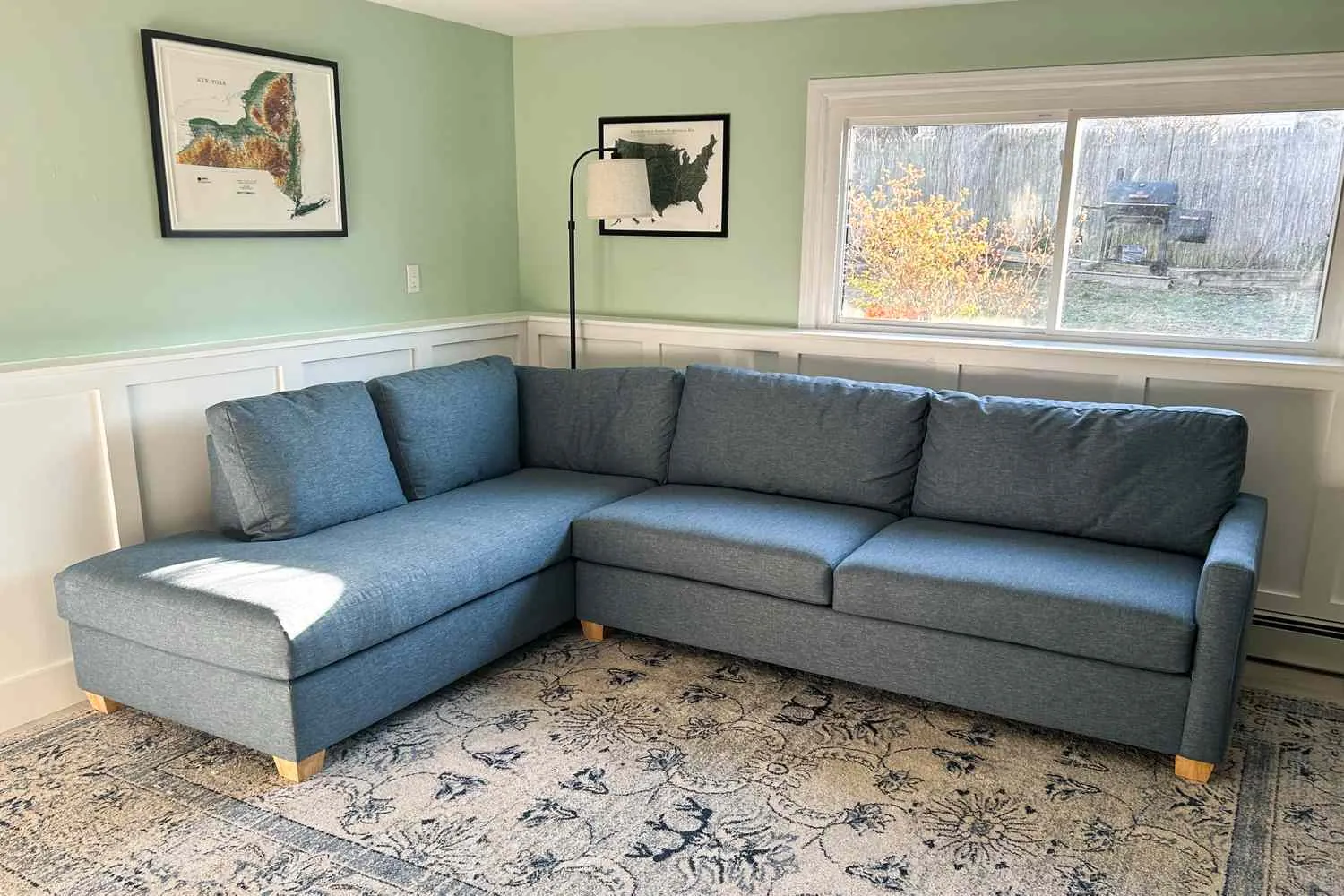
You can tell your sectional is properly assembled when there’s no visible gap between the cushions of the two connected pieces. When you gently push the new module, it should move as one solid unit with the rest of the couch rather than shifting independently.
If you hear a grinding noise or feel the metal connectors rubbing against the wood frame, the bracket is likely misaligned. Always ensure the leveling legs are touching the floor firmly, as an unsupported corner can cause the frame to warp over time.
Common mistakes in modular design
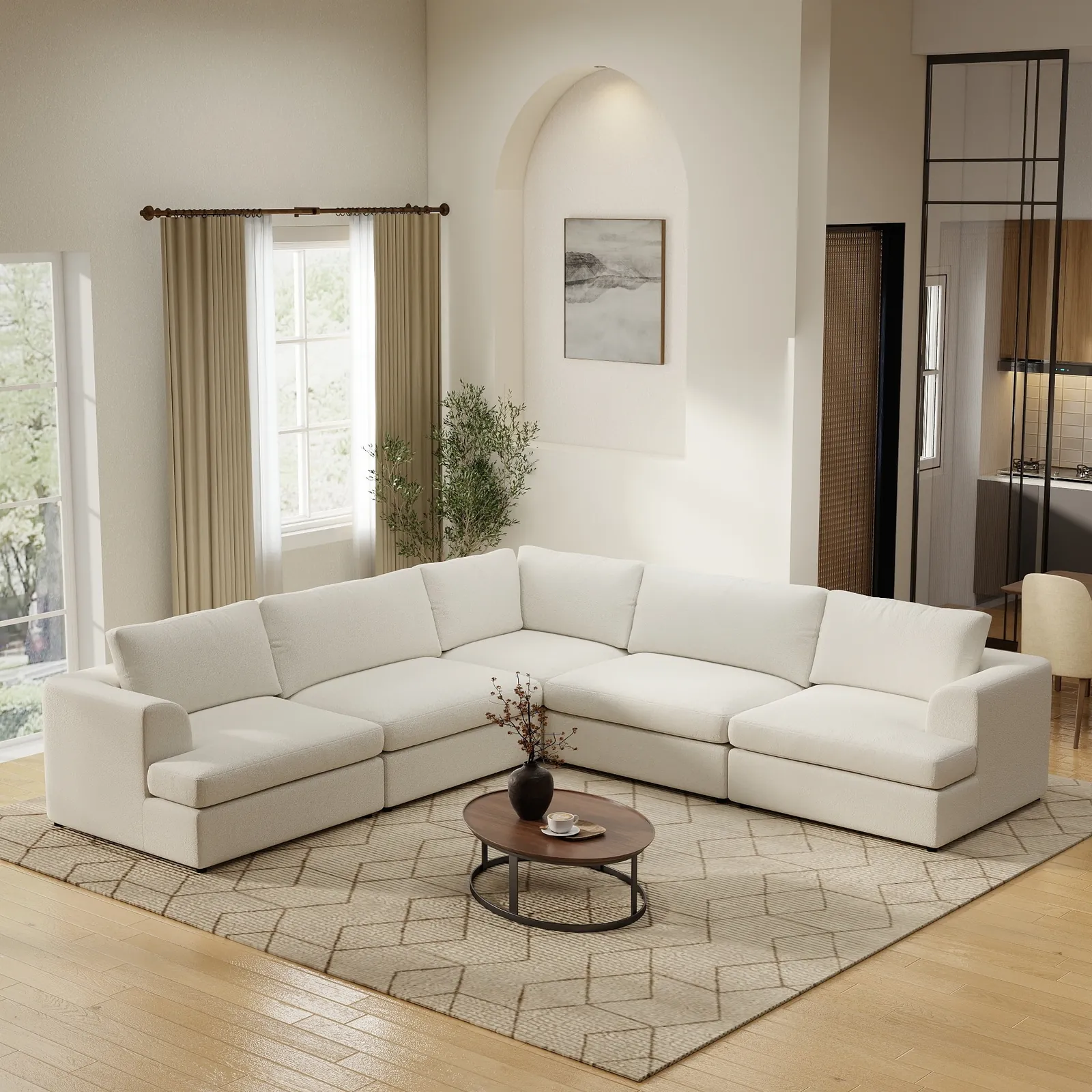
- Ignoring fabric dye lots: Manufacturers produce fabric in batches, so ordering an add-on piece two years later often results in a slight color mismatch. Always ask the retailer if they can pull from a current inventory batch that matches your existing sofa’s color profile.
- Overloading the floor space: Adding too many pieces creates a “furniture island” that disrupts the flow of your home. Use masking tape to mark the final intended footprint on your floor before you commit to buying additional modules.
- Using mismatched hardware: Attempting to force a third-party ottoman or seat against a proprietary frame will likely damage your original piece. Stick to the manufacturer’s specific add-on components to maintain the structural integrity and the warranty of your couch.
Frequently asked questions
Can I mix brands for modular couches?
No, you can’t mix brands because most companies use proprietary locking mechanisms that aren’t compatible with other manufacturers. Each brand designs its own specific brackets and frame heights, meaning pieces from different companies won’t lock together securely or sit at the same level.
How do I know if my couch is modular?
You can verify if your couch is modular by looking for metal brackets or plastic clips located on the underside of the frame. If the pieces are currently joined but you can see individual frames under the cushions, it’s likely designed for expansion.
Is it safe to add pieces to an old sectional?
Yes, it’s safe as long as the original frame is still structurally sound and you use parts from the same manufacturer. Check that the wood frame has no cracks and that the original connectors aren’t rusted, as these issues could make the new configuration unstable.
How often should I check the connectors?
Over time, the movement of people sitting and standing can cause the screws holding the brackets to shift, which might require a quick tightening with a screwdriver.
What happens if I lose the hardware?
If you lose the connector hardware, you must contact the manufacturer’s customer service department to request replacement parts specific to your model. Never use generic hardware from a hardware store, as it may not be rated for the weight of a sectional and could cause the pieces to separate.
How much weight can an added module hold?
Most standard residential sectional modules are designed to support approximately 250 to 300 pounds per seat. Always check the specific product manual for your couch, as weight capacities vary based on the internal spring system and the density of the foam used in the cushions.
Conclusion
Expanding your sectional is a practical way to grow with your living space, but it requires careful planning to maintain both the aesthetics and the safety of your furniture. By keeping your original model information and verifying that all new pieces are compatible with your existing frame, you ensure a stable and comfortable result that will last for years.
Related guides