
A swivel chair rotates 360 degrees using a central spindle assembly, thrust bearing, and pressurized pneumatic cylinder housed inside a stable wheeled base. This mechanical arrangement separates the upper seat from the stationary frame, allowing users to rotate, elevate, and tilt without moving the base across the floor.
Key Takeaways
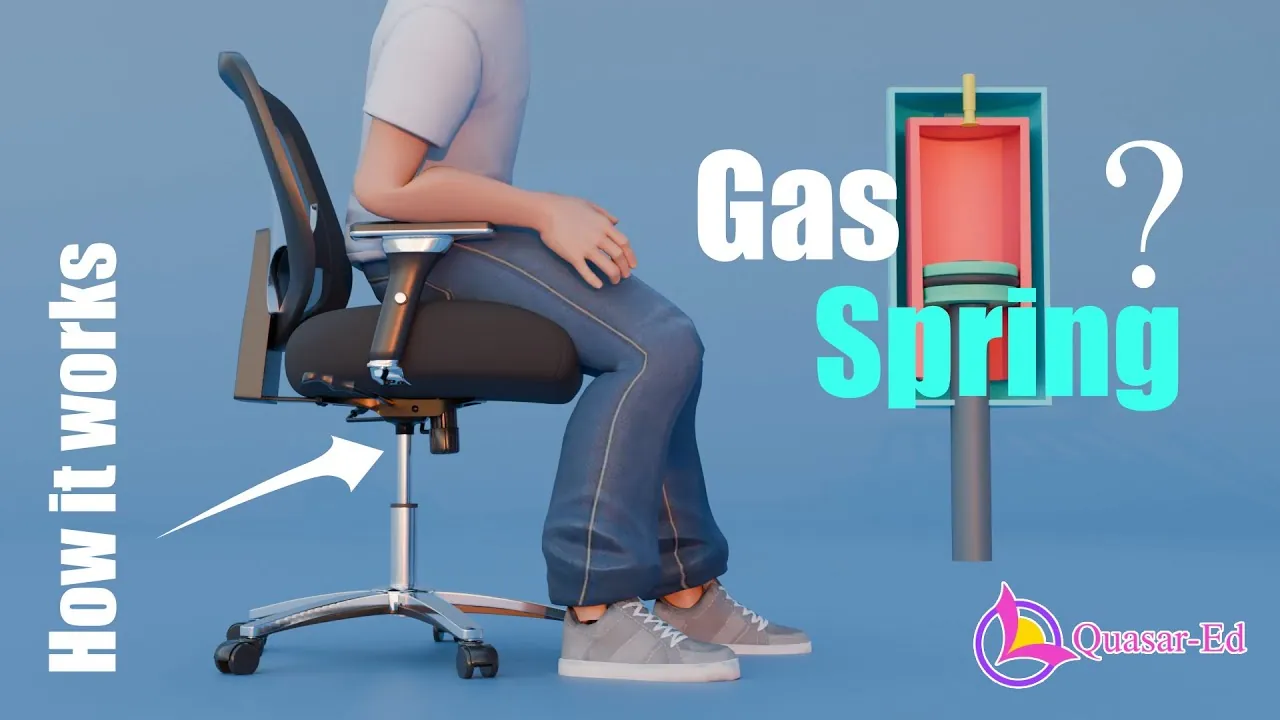
- A hardened thrust ball bearing resting at the bottom of the column enables continuous horizontal rotation.
- Height adjustments rely on a pneumatic gas cylinder filled with compressed nitrogen gas.
- The star base remains grounded while the spindle spins inside an outer metal housing.
- Most office swivel chairs follow strict structural safety guidelines established by ANSI/BIFMA standards.
- Regular maintenance requires cleaning debris from caster axles and applying grease to the central bearing.
How Swivel Chairs Work
The chair rotates via a spindle inside a housing tube. Body weight transfers through a vertical shaft. This shaft sits in a sleeve lined with lubricated bushings.
At the very bottom of the shaft, a precision thrust bearing assembly supports the downward load while eliminating rotational friction. This mechanical design isolates your movement: when you push with your feet or turn your torso, the central mechanical spindle pivots smoothly across polished ball bearings, allowing fluid circular motion without loosening any structural fasteners.
The Central Spindle Assembly
The spindle is the chair’s vertical backbone. It consists of a steel pin, a set of washers, and a retaining clip—often a slotted C-clip—that locks into a groove at the protruding base of the shaft.
This prevents the seat from lifting. Modern office chairs from manufacturers like Herman Miller and Steelcase utilize tapered fits, using friction-lock Morse tapers at both the seat mechanism and the wheel base to eliminate play.
The Pneumatic Gas Cylinder
Swivel chairs use a pneumatic gas cylinder for height adjustment.
Pulling the paddle presses an actuator release pin at the top of the column. This opens an internal bypass valve, equalizing nitrogen gas between the cylinder chambers. The gas moves the piston to adjust height.
Core Swivel Chair Components
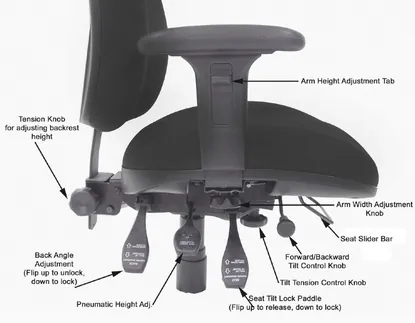
Every swivel chair balances structural stability with user mobility through several distinct hardware elements working in unison.
| Component | Primary Material | Mechanical Function | Common Failure Sign |
|---|---|---|---|
| Thrust Bearing | Heat-treated steel | Carries downward load; permits rotation | Grinding noise; rough spinning |
| Gas Spring | Cold-drawn steel tube | Regulates seat height via nitrogen gas | Seat sinks down automatically |
| Star Base | Cast aluminum or nylon | Distributes weight over a wide footprint | Cracking at center hub socket |
| Tilt Mechanism | Stamped plate steel | Manages recline tension and lockouts | Stuck recline; loose wobble |
| Twin-Wheel Casters | Polyurethane / Nylon | Provides directional floor roll | Hair clogs; flat-spotted wheels |
These parts encounter dynamic stress every time a worker shifts posture.
How Does the Tilt Mechanism Work?
The seat control mechanism manages rocking and leaning. A heavy-duty torsion spring assembly counters the user’s recline force. The tension knob adjusts this resistance.
Advanced task seating features synchro-tilt mechanisms, where the backrest reclines at a 2:1 ratio relative to the seat pan. This keeps feet flat while relieving lumbar pressure.
Bearing Types Used in Swivel Seats
Manufacturers use distinct bearing designs based on the chair’s intended load rating, cost tier, and rotational speed requirements.
| Bearing Type | Placement | Best Application | Lubrication Needs |
|---|---|---|---|
| Caged Ball Bearings | Base of spindle shaft | Commercial task chairs | High-viscosity lithium grease |
| Bronze Bushings | Inner column sleeve | Heavy-duty 24/7 dispatch chairs | Self-lubricating (oil-impregnated) |
| Delrin/Nylon Rings | Upper cylinder collar | Low-cost casual home chairs | Dry silicone spray |
| Needle Roller Bearings | Specialized industrial stools | Extreme high-load environments | Heavy synthetic grease |
Pro Tip: If your chair develops a scratching sound during turns, avoid thin penetrating oils like standard WD-40; apply a targeted shot of white lithium grease directly into the bottom spindle housing instead.
Twin-Wheel Caster Mechanics
The mobility of a swivel base relies on twin-wheel casters, which use an offset vertical stem. Because the axle sits behind the mounting pin, the wheels align with the direction of travel.
Having two independent wheels per caster reduces scrubbing friction. When pivoting, the outer wheel rolls faster than the inner, preventing floor scuffs.
Why Do Swivel Chairs Sink?
The most common swivel chair malfunction is a sinking seat, colloquially called “phantom sinking.” This occurs when the pneumatic cylinder loses its high-pressure seal.
- Perished O-ring seals: Micro-tears in the internal rubber gaskets allow nitrogen gas to slowly bleed past the piston chamber under heavy loads.
- Damaged release valve: A bent control lever continuously depresses the top release button, keeping the bypass valve slightly cracked open.
- Piston shaft pitting: Scratches or corrosion on the chrome rod degrade the rubber seals with every height adjustment stroke.
Warning: Never attempt to drill, puncture, or open a pressurized gas cylinder to repair a seal; the internal nitrogen charge is pressurized up to 300 psi and can cause severe physical injury.
Swivel Chair Maintenance Schedule
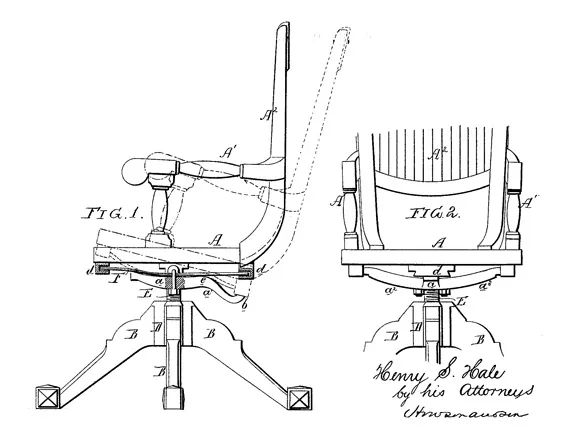
Following a routine service schedule preserves smooth rotation and prevents permanent mechanical damage to the load bearings.
| Frequency | Target Area | Tool Required | Action Required |
|---|---|---|---|
| Monthly | Caster wheels | Tweezers / Utility knife | Cut away tangled hair and thread from caster wheel axles |
| Quarterly | Tilt mechanism | Hex key / Screwdriver | Tighten loose mounting bolts under the primary seat plate |
| Biannually | Bottom thrust bearing | Clean rag & lithium grease | Wipe away contaminated debris; apply fresh lubricating grease |
| Annually | Star base hub | Visual light inspection | Inspect the central socket weld for hairline structural fractures |
Related guides
Frequently Asked Questions
Why does my swivel chair lean to one side?
A crooked seat usually indicates a worn nylon column bushing inside the outer housing or a bent gas cylinder piston. Uneven wear occurs if you regularly sit cross-legged or lean toward one armrest. Remove the base clip to inspect the internal steel shaft for deflection, and replace the cylinder if the rod shows visible curvature.
Can you stop a swivel chair from turning?
You can stop rotation by installing a dedicated mechanical lock collar around the exposed cylinder shaft or replacing the standard swivel cylinder with a non-rotating cylinder. Alternatively, tightening a heavy-duty two-piece shaft collar against the top of the outer column tube creates enough friction to physically prevent horizontal rotation while preserving the chair’s overall height.
How much weight can a standard swivel chair hold?
Standard office chairs hold between 250 and 300 pounds under commercial furniture testing guidelines. Heavy-duty bariatric models utilize reinforced steel hubs, Class 4 pneumatic cylinders, and solid cast-aluminum star bases to safely support user weights ranging from 400 to 500 pounds without premature bearing failure or cylinder collapse.
What is the difference between Class 3 and Class 4 cylinders?
Class 4 cylinders have thicker outer steel tube walls (typically 2.5 millimeters) and higher-grade internal seals than Class 3 cylinders (typically 2.0 millimeters). This makes Class 4 gas lifts more durable, better resistant to bending forces, and capable of supporting heavier loads over longer operating lifespans in demanding commercial work environments.
Conclusion
If your seat starts to squeak or feels wobbly, don’t worry. You can usually fix these issues by tightening the bolts underneath or applying a bit of silicone lubricant to the central column. It’s a simple way to keep your chair gliding smoothly, so you’ll stay comfortable while you work.