
Describing a dining table becomes easier when you focus on its shape, material, size, and seating capacity. These features define the look and function of the piece, while the finish and base style tell you about its durability and how it fits into your home’s specific design theme.
Key dining table features at a glance
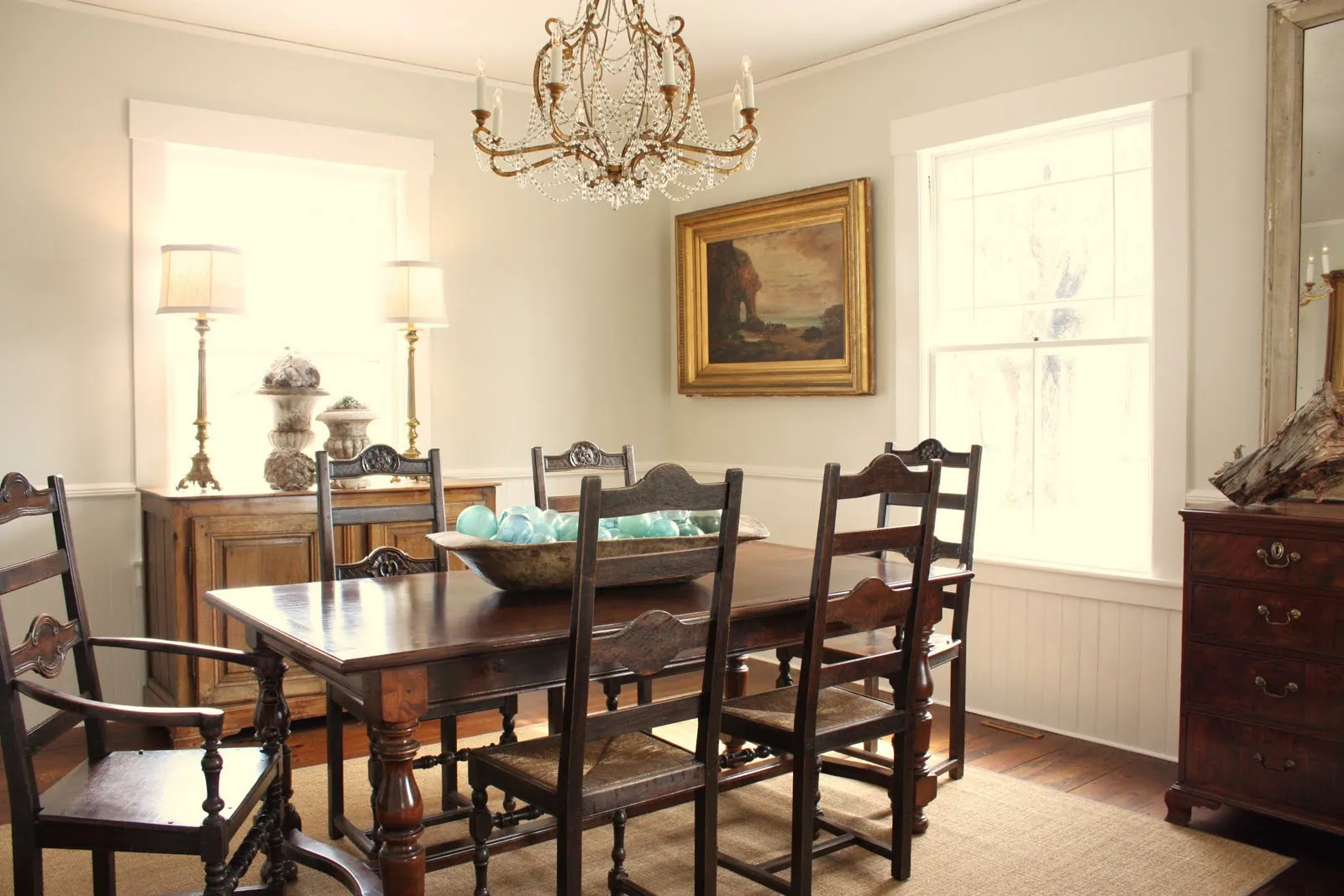
Every table has unique traits that change how it sits in a room. Use this table to compare common styles and their best uses for your space.
| Table Type | Best For | Concrete Example |
|---|---|---|
| Round | Small spaces | 48-inch pedestal table |
| Rectangular | Large groups | 72-inch wooden farmhouse table |
| Square | Symmetrical rooms | 40-inch glass breakfast table |
| Oval | Traffic flow | 60-inch extendable walnut table |
| Live edge | Focal points | Slab wood dining table |
Round dining tables
A round table is a circular surface that promotes conversation because everyone sits at an equal distance from one another. It works best for small kitchens or dining nooks where you need to save floor space.
- Softens sharp angles in square rooms.
- Eliminates corners to help people move around easily.
- Supports intimate dining for 2 to 4 people.
If you have a 48-inch diameter top, you can comfortably seat 4 adults without feeling crowded during a meal.
Rectangular dining tables
Rectangular tables are long, straight-edged surfaces designed to seat large families or groups of guests. These are ideal for formal dining rooms that offer enough length to accommodate a full-sized centerpiece and multiple place settings.
- Maximizes seating for 6 to 10 people.
- Anchors long, narrow rooms perfectly.
- Provides extra surface area for serving dishes.
For a family of 6, look for a table that’s at least 72 inches long to ensure every person has enough elbow room.
Square dining tables
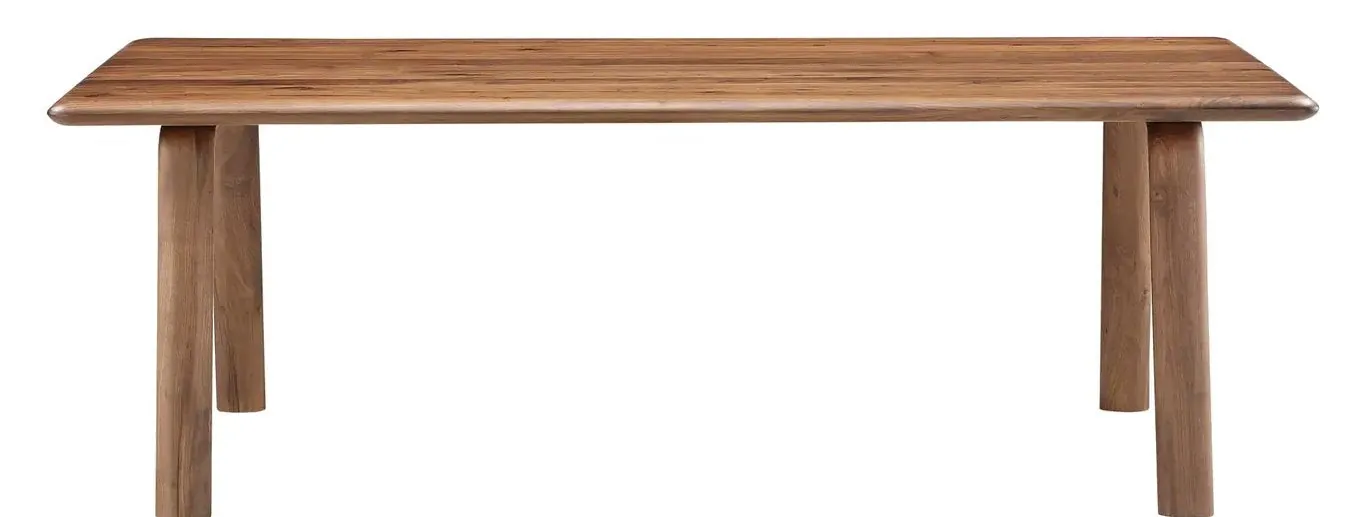
Square tables offer a symmetrical shape that works well in perfectly square rooms or large open-concept areas. They create a balanced look, but they can be difficult to navigate if the room is too narrow.
- Creates a uniform look in symmetrical spaces.
- Keeps guests close enough to talk easily.
- Suits smaller groups of 4 people perfectly.
If you choose a square table, ensure you have at least 36 inches of clearance on all sides for chairs. This ensures you don’t bump into walls while pulling your chair out.
Live edge dining tables
A live edge table keeps the natural, irregular curve of the tree trunk on the long sides of the slab. This style suits homeowners who want a unique, organic look that acts as a centerpiece in a modern or rustic home.
- Highlights the natural wood grain patterns.
- Adds texture to minimalist room designs.
- Makes every single piece look one-of-a-kind.
This helps you pick a finish that lasts for years.
Other table types
- Oval tables provide the length of a rectangular table but with rounded ends to improve traffic flow in tight walkways.
- Drop-leaf tables include hinges that allow you to fold down the sides, which is perfect for apartments where space changes daily.
- Pedestal tables feature a single center leg instead of four corner legs, giving you much more room for your legs underneath.
Choosing the right table for you

To pick the right table, first measure your dining area and subtract 6 feet from the length and width to allow for chair movement. If your room is under 10 feet wide, choose a round or oval table to keep the walkways open.
If you have a long, narrow room, a rectangular table is your best option for seating many people. Decide if you need extra leaves for guests; if you do, ensure the base is sturdy enough to handle the weight when fully extended. These options rarely mix, so choose the one that fits your daily headcount.
Frequently asked questions
How much space do I need around a dining table?
You need at least 36 inches of clearance between the edge of the table and the nearest wall or furniture. This allows people to pull their chairs out and walk behind them comfortably.
Does a glass table make a room look bigger?
Yes, a glass table creates an illusion of more space because the transparent surface doesn’t block your view of the floor. It’s a great choice for small, dark dining areas.
How do I know if a table is high quality?
Check the joinery where the legs meet the frame; high-quality tables use mortise-and-tenon joints rather than simple screws. A solid wood build is usually more durable than particle board.
What happens if I buy a table that’s too big?
A table that’s too big makes the room feel cramped and blocks natural traffic flow. If you can’t walk around the chairs while people are seated, the table is too large.
Can I put a round table in a long room?
You can put a round table in a long room, but it may look lonely unless you anchor it with a rug. A rug helps define the dining area within the larger space.
Is it safe to use a pedestal table for large groups?
It’s safe if the base is heavy and wide enough to prevent tipping. Check the manufacturer’s weight limit, as some pedestal bases can’t support very heavy stone or long tabletops.
Conclusion
Start by measuring the exact dimensions of your available floor space to determine the maximum size your room can hold. Once you know your limits, look for a shape that matches your room’s layout. Stop your search and consult a professional carpenter if you see deep cracks in the wood grain.
Related guides