
A standard 4-person table costs between $150 and $600, while a solid wood 6-person table costs between $700 and $2,000. The total price of dining table furniture depends mainly on the materials, seating capacity, and whether chairs are included.
Quick price facts for dining tables
Planning your budget requires knowing basic retail numbers before you shop. Here are the core facts about current furniture pricing:
- A basic 4-person flat-pack table made of particleboard costs between $120 and $250.
- Mid-range solid oak or rubberwood tables for 6 people cost between $600 and $1,200.
- Large extendable tables seating 8 to 10 guests range from $1,200 to $3,500.
- Chairs are usually separate, adding between $50 and $180 per chair to the bill.
- Delivery adds $50 to $150, but white-glove assembly costs up to $250.
- Real marble or reclaimed teak tops push final prices past $2,500.
Why dining table prices change so much
The biggest driver of furniture pricing is what lies beneath the surface finish. Cheap models rely on medium-density fiberboard (MDF) topped with paper laminate, which splits under heavy weight and swells when wet. In contrast, solid hardwoods like walnut, maple, and white oak require years of tree growth, kiln drying, and specialized joinery that lasts for decades.
Safety standards also affect the production cost of composite wood furniture. The EPA formaldehyde regulations strictly control toxic emissions in glues used for pressed wood. Meeting these federal emissions limits adds testing steps for manufacturers, raising baseline factory costs.
Shipping weight directly influences retail price tags. A light veneer table weighs under 50 pounds and packs into a flat carton. A heavy hardwood table easily exceeds 150 pounds, requiring pallet freight and higher handling fees that sellers build into the retail price.
When dining room prices vary
Different room requirements and building styles can quickly change standard store prices. Use the guide below to see what you should budget based on special needs.
| Situation | What changes | What to do instead |
|---|---|---|
| Tiny apartment | Standard rectangles waste walkway space | Buy a drop-leaf round model |
| Daily young kids | Soft pine dents and scratches easily | Pick distressed wood or laminate |
| Moving often | Heavy hardwood breaks during transport | Select lightweight steel and veneer |
| Formal entertaining | Everyday seating looks too crowded | Buy an extending butterfly-leaf table |
| Outdoor patio use | Indoor table glue dissolves in rain | Choose sealed teak or powder-coated aluminum |
| Rental property | Expensive tops get damaged by guests | Buy simple commercial laminate |
How to buy the right table
A good purchase matches your room dimensions and budget without unpleasant delivery surprises. Follow these steps to measure, select, and buy your furniture correctly:
- Measure your room floor area with a steel tape measure, noting any nearby swinging doors and radiator locations.
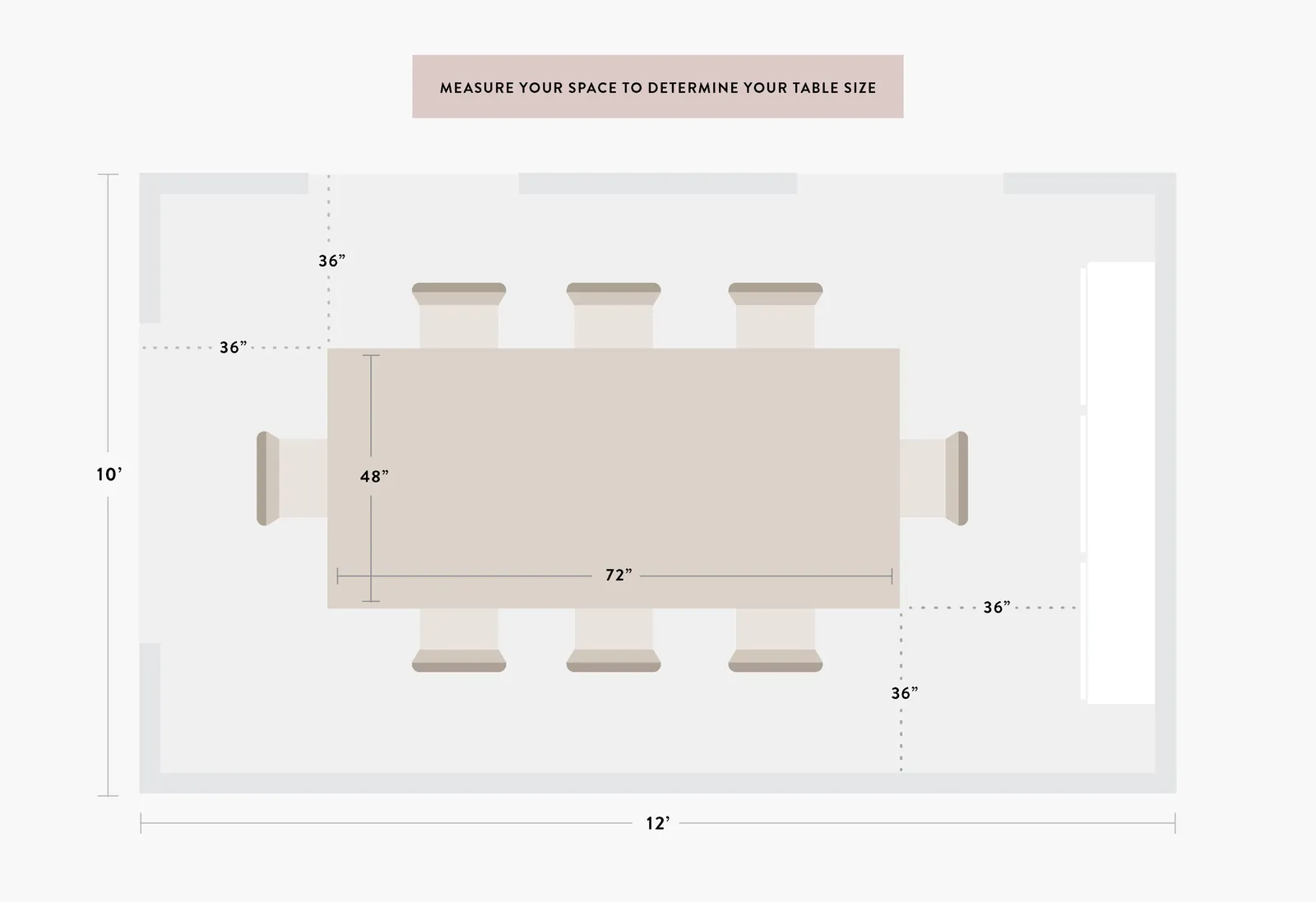
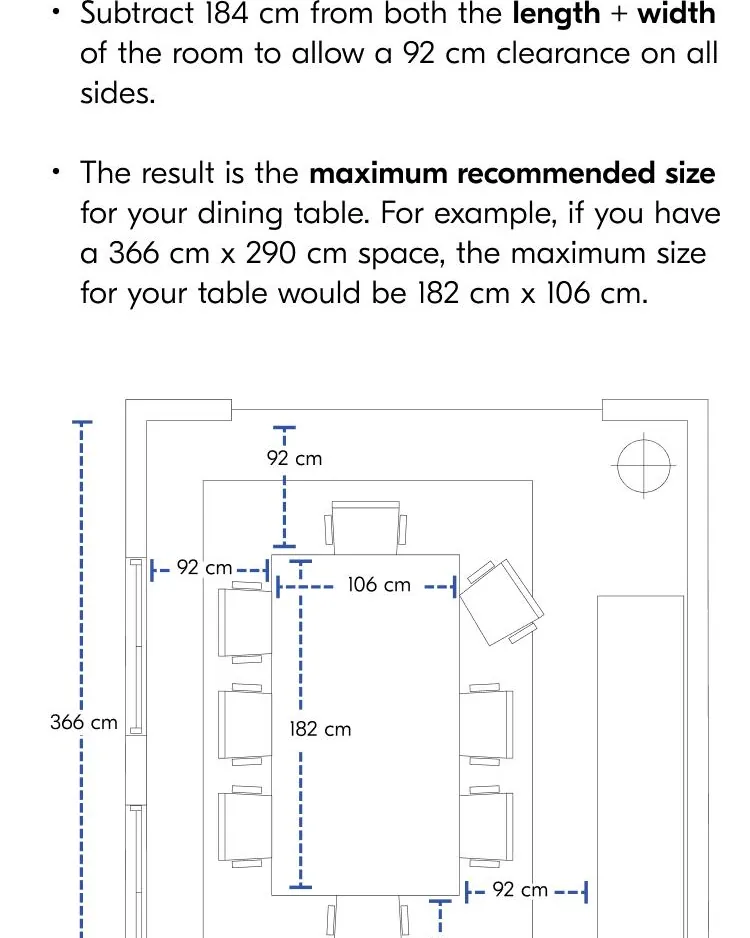
- Subtract 36 inches from every side of your room boundary to keep an honest walkway around all chairs.
- Decide your everyday seat count by allowing 24 inches of table edge width for each seated adult.
- Set your firm spending ceiling, setting aside at least 30% of the funds if you still need chairs.
- Check store build specs to verify whether the top is solid hardwood or thin veneer over MDF.
- Read the product delivery listing to verify if drop-off stops at your street curb or includes inside carry.
- Test the assembled frame by shaking the edge firmly; a well-built base won’t wobble or flex.
Common dining table shopping mistakes
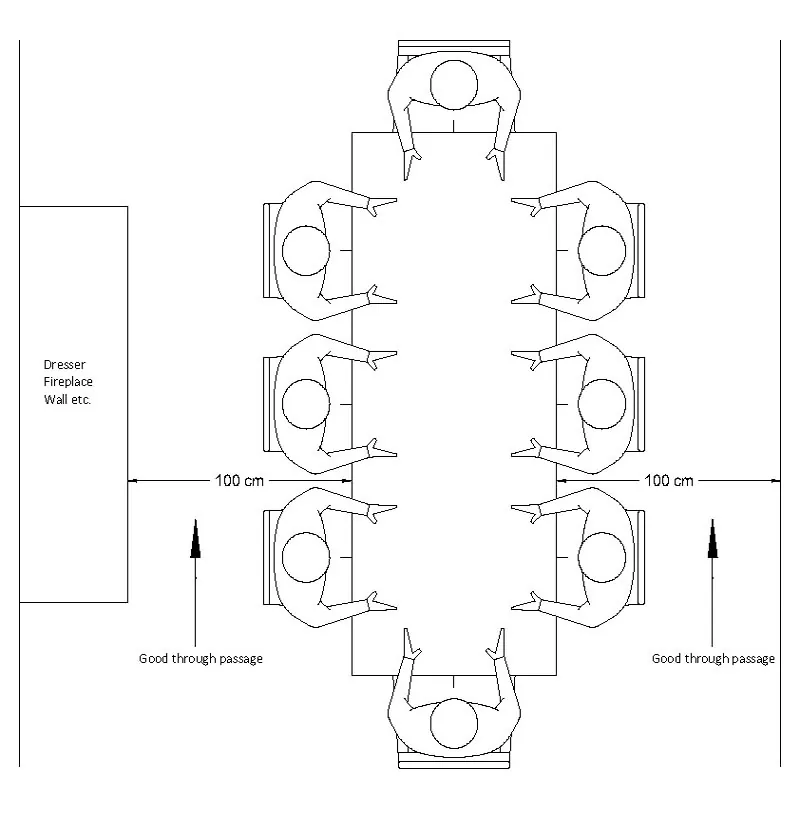
- Forgetting to measure chair clearance leaves family members trapped against the wall when someone sits down behind them.
- Buying thin veneer for a daily craft or homework desk results in peeling surfaces after water spills soak through.
- Skipping the doorway check costs you return freight fees of $100 or more when the box can’t clear the hall.
- Choosing glass tops without realizing that clear glass reveals every footprint, dust mote, and sticky finger smear within minutes.
Frequently asked questions
How much should I pay for a good dining table?
A good solid table for daily use costs between $600 and $1,200. This price range buys real hardwood legs and a durable top that will easily survive a decade of family meals.
Is solid wood worth the extra money?
Yes, because solid wood can be sanded down, repaired, and refinished when damaged. Cheap fiberboard can’t be repaired once water gets inside the core, forcing you to replace the whole table.
How long does a dining table usually last?
A solid wood table lasts 20 to 50 years with basic care. A low-cost particleboard model usually lasts between 3 and 7 years before joints loosen or water damage ruins the top.
Are chairs included in the table price?
No, most tables are sold without chairs unless clearly marked as a dining set. Buying chairs separately adds roughly $200 to $800 to your total cart price for a standard set of four.
How much space do I need around a dining table?
You need 36 to 42 inches of open floor between the table edge and the wall. This gap gives people enough room to pull chairs out and walk behind others comfortably.
What is the cheapest dining table material?
Engineered particleboard covered with printed paper foil is the cheapest material. While it looks like real wood grain from across the room, it chips easily and can’t handle heavy moisture.
Can a cheap dining table hold heavy weight?
Most low-cost tables support between 100 and 150 pounds across their surface. Leaning or sitting directly on the edge can cause thin metal or dowel joints to snap instantly.
Conclusion
Before you head to the store, measure your room to ensure you’ve got enough space for chairs to pull out comfortably. It’s also a good idea to check online reviews for durability. Once you’ve picked your favorite style, you’ll be ready to enjoy many great meals with your family and friends.