
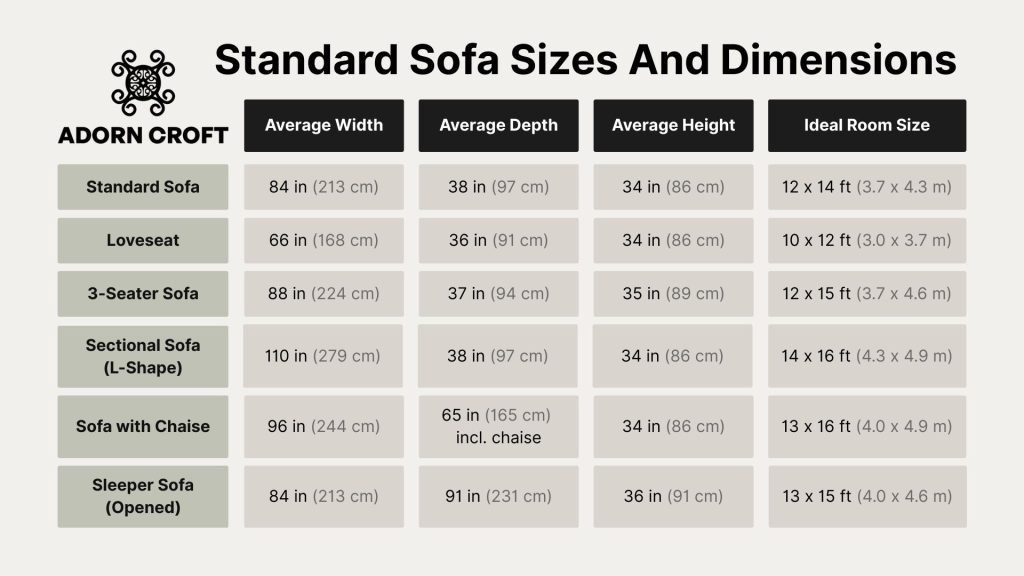
A standard 3 seater sofa is usually between 78 and 90 inches long. The total length depends on the arm style and the width of the seat cushions, so always measure your space before you buy.
How many inches is a 3 seater sofa: Standard Sizes
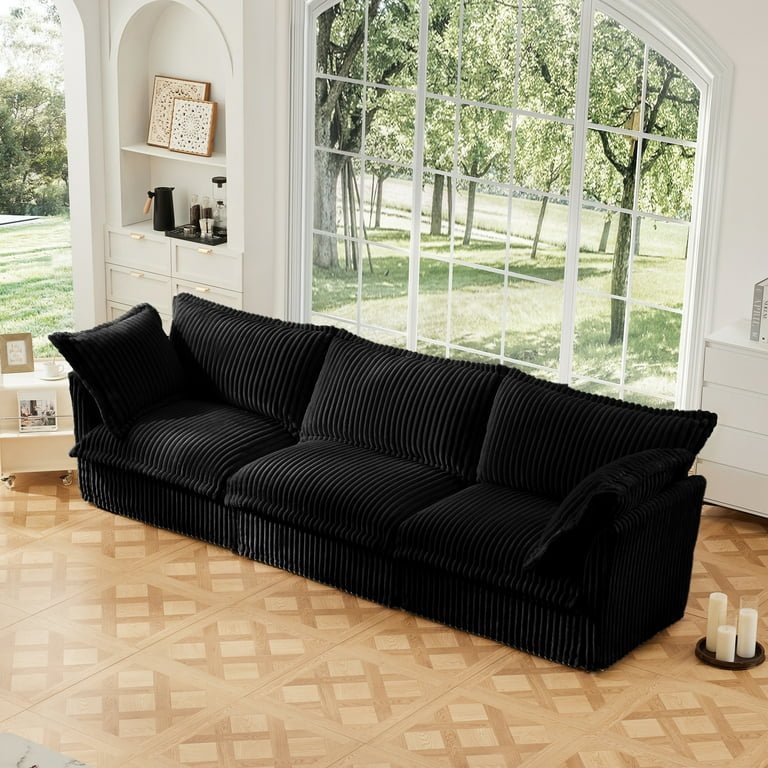
- Measure the total length from the outside of the left arm to the outside of the right arm.
- Check the depth of the sofa from the front edge to the back cushions to ensure it fits your floor plan.
- Measure the height from the floor to the top of the back cushions to clear windows or wall art.
- Allow at least 18 inches of clearance in front of the sofa for a coffee table or foot traffic.
- Check the width of your doorways and hallways to ensure the frame will pass through during delivery.
- Use a rigid metal tape measure for accuracy, as fabric tapes can stretch and provide false readings during the process.
Why Dimensions Vary by Design
The length of a sofa is dictated by the thickness of its arms and the frame construction. A sofa with slim, track-style arms will naturally take up less floor space than a model with wide, rolled arms, even if the seating area is the same size. Manufacturers define a 3 seater by the number of cushions or the internal seating width, which typically ranges from 60 to 72 inches of actual sitting space.
If you’re concerned about whether a piece will fit your specific room, you should refer to the American Furniture Manufacturers Association guidelines regarding standard dimensions and testing protocols. These standards ensure that furniture pieces meet consistent quality benchmarks for durability and size. If a sofa is labeled as “compact” or “apartment-sized,” it often uses slimmer arms to reduce the total footprint without sacrificing the number of seats. Always check the manufacturer’s technical sheet for the exact outer dimensions, as these measurements vary by model — check the label on the underside of the frame for the specific product specifications.
Factors That Change the Total Length
| Situation | What changes | What to do instead |
|---|---|---|
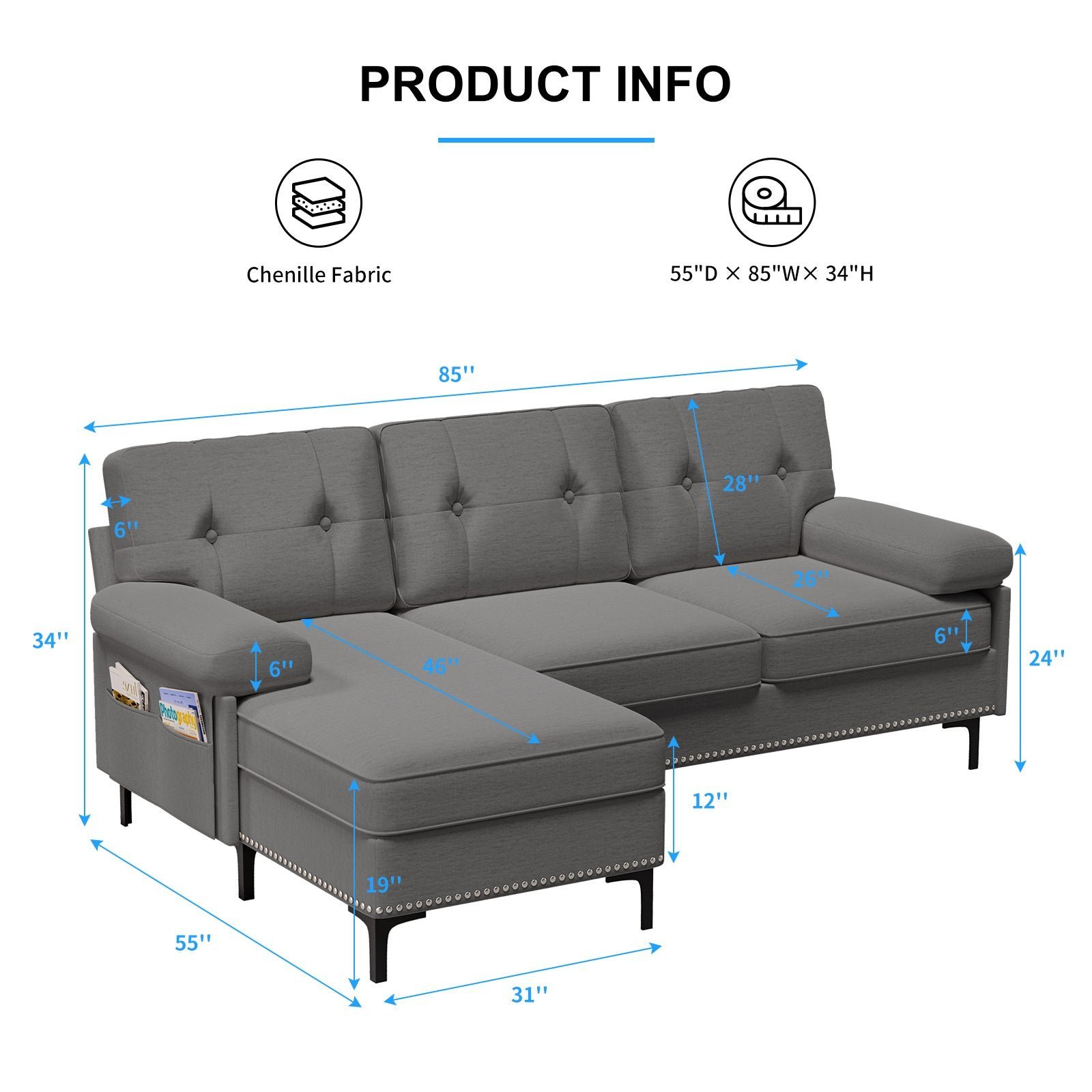
| Rolled arms | Adds 6-10 inches | Measure from the widest point |
| Reclining features | Needs wall clearance | Add 12 inches for extension |
| Chaise attachment | Increases total length | Measure the long side separately |
| Modular sections | Varies by configuration | Sum each individual piece width |
| Track arms | Saves 4-8 inches | Use the tightest measurement |
How to Choose the Right Size
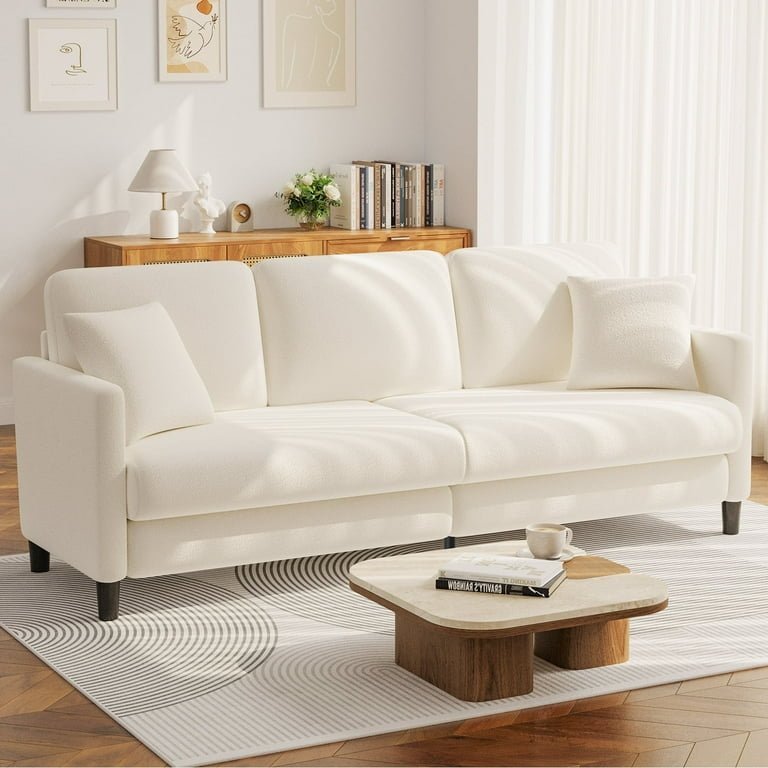
- Clear your floor space and mark the desired length using painter’s tape to visualize the footprint in your room.
- Measure the distance between your planned sofa location and other furniture to ensure you maintain a 30-inch walkway.
- Verify the height of your baseboards, as some sofas with low frames might hit the trim if pushed flush.
- Check the diagonal depth of your entryway to ensure the sofa can be tilted and maneuvered through the door frame.
- Compare the total width provided by the retailer against your marked floor tape to confirm the piece won’t block paths.
- If you have a small room, choose a model with thin arms to keep the total length under 80 inches.
Mistakes That Ruin Your Purchase
- Failing to account for the “overhang” of the back cushions, which can add 3 inches to the required depth.
- Measuring only the seat width instead of the widest point of the arms, leading to a sofa that’s too long.
- Ignoring the height of the sofa legs, which might interfere with wall outlets or low-hanging light switches.
- Buying a sofa that matches your wall length exactly, which leaves no room for curtains or side tables.
How long does a 3 seater sofa usually last?
A well-made 3 seater sofa typically lasts for many years with daily use. This lifespan depends on the quality of the frame materials, such as kiln-dried hardwood, and the density of the foam used in the seat cushions.
Is it safe to buy a sofa without measuring my hallway?
No, it isn’t safe to buy a sofa without measuring your hallway, as you risk the piece being stuck during delivery. You must check the width of all doors and the clearance in hallways to ensure the frame fits through the tightest point.
What happens if the sofa is too long for my space?
If the sofa is too long, it will block traffic paths and make the room feel cluttered or cramped. You should always prioritize a size that leaves at least 18 inches of clearance around the piece for comfortable movement and visual balance.
Does the cushion count matter for the total length?
Yes, the number of cushions can indicate the internal seating space, but it doesn’t dictate the external length. A three-cushion design can be shorter than a two-cushion design if the arms are thinner, so always rely on the total exterior measurement.
How much space should I leave behind the sofa?
You should leave about 2 to 3 inches of space between the sofa and the wall to prevent the fabric from rubbing against the paint. This small gap also helps with airflow behind the furniture, which is helpful if you have radiators or vents.
Can I fit a 90-inch sofa in a small apartment?
Yes, you can fit a 90-inch sofa if you have a clear wall of at least 100 inches to allow for side tables. If your wall is shorter than 90 inches, the sofa will likely feel overwhelming and prevent you from adding other necessary furniture pieces.
Make sure to verify the return policy before you finalize your purchase, as shipping large furniture back is often costly and complex. If you’re uncertain about the fit, use a cardboard cutout to represent the sofa size in your room for one full day.
Related guides