
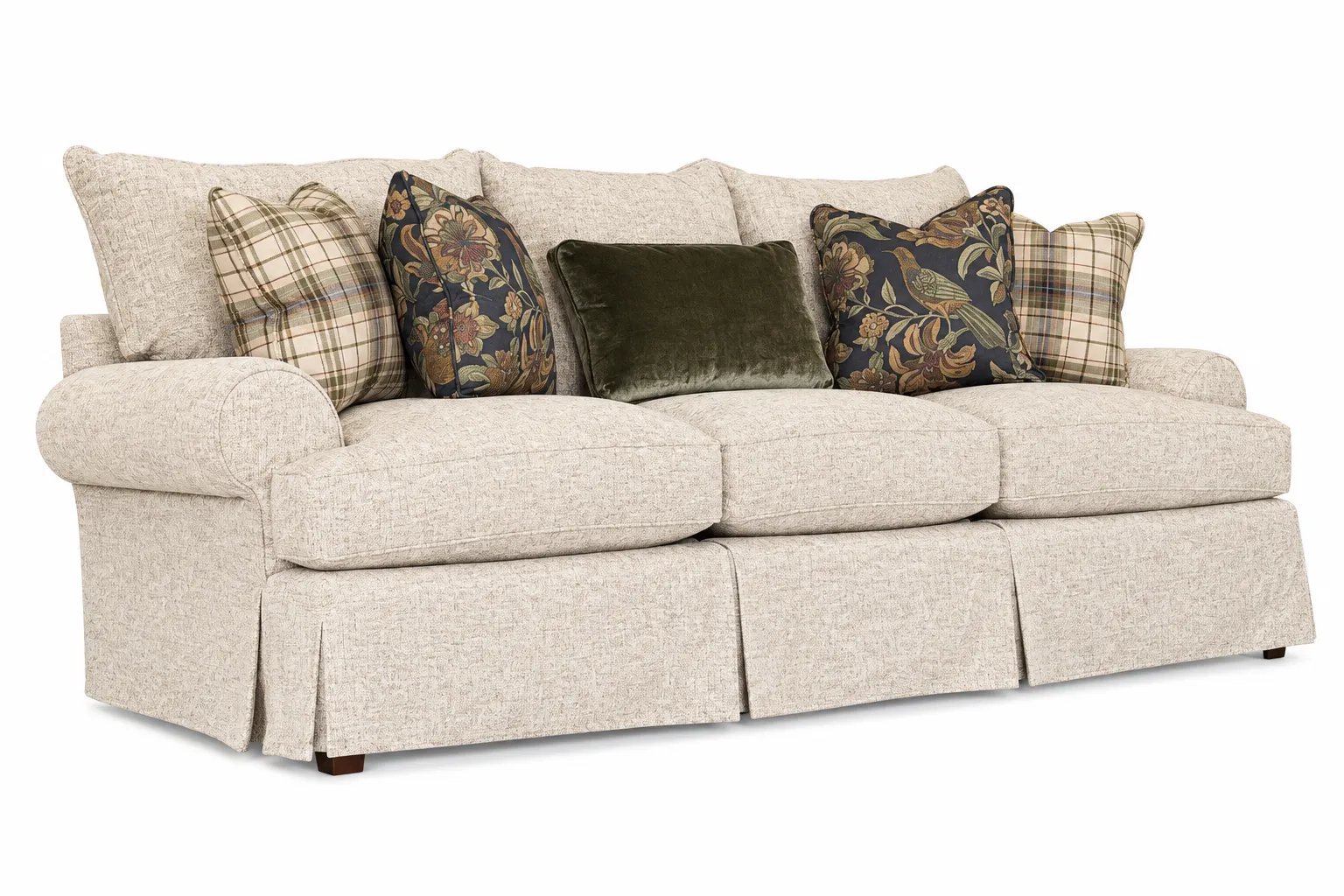
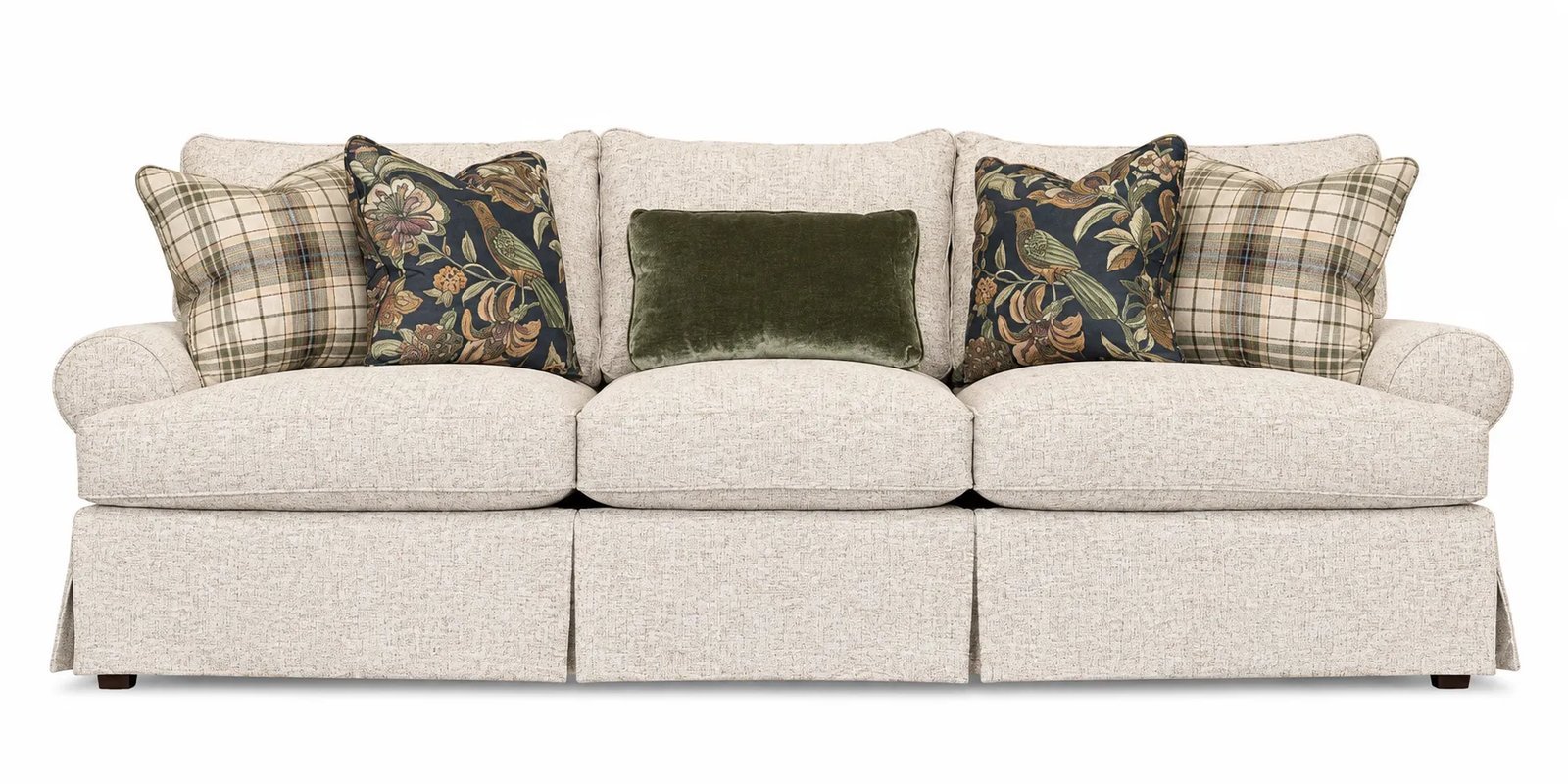
A standard three cushion couch is typically between 78 and 90 inches long, though this varies by model — check the label or the manufacturer’s spec sheet for the exact dimensions. The total length of a three cushion couch depends heavily on the armrest design and the depth of the seating area.
Typical three cushion couch dimensions
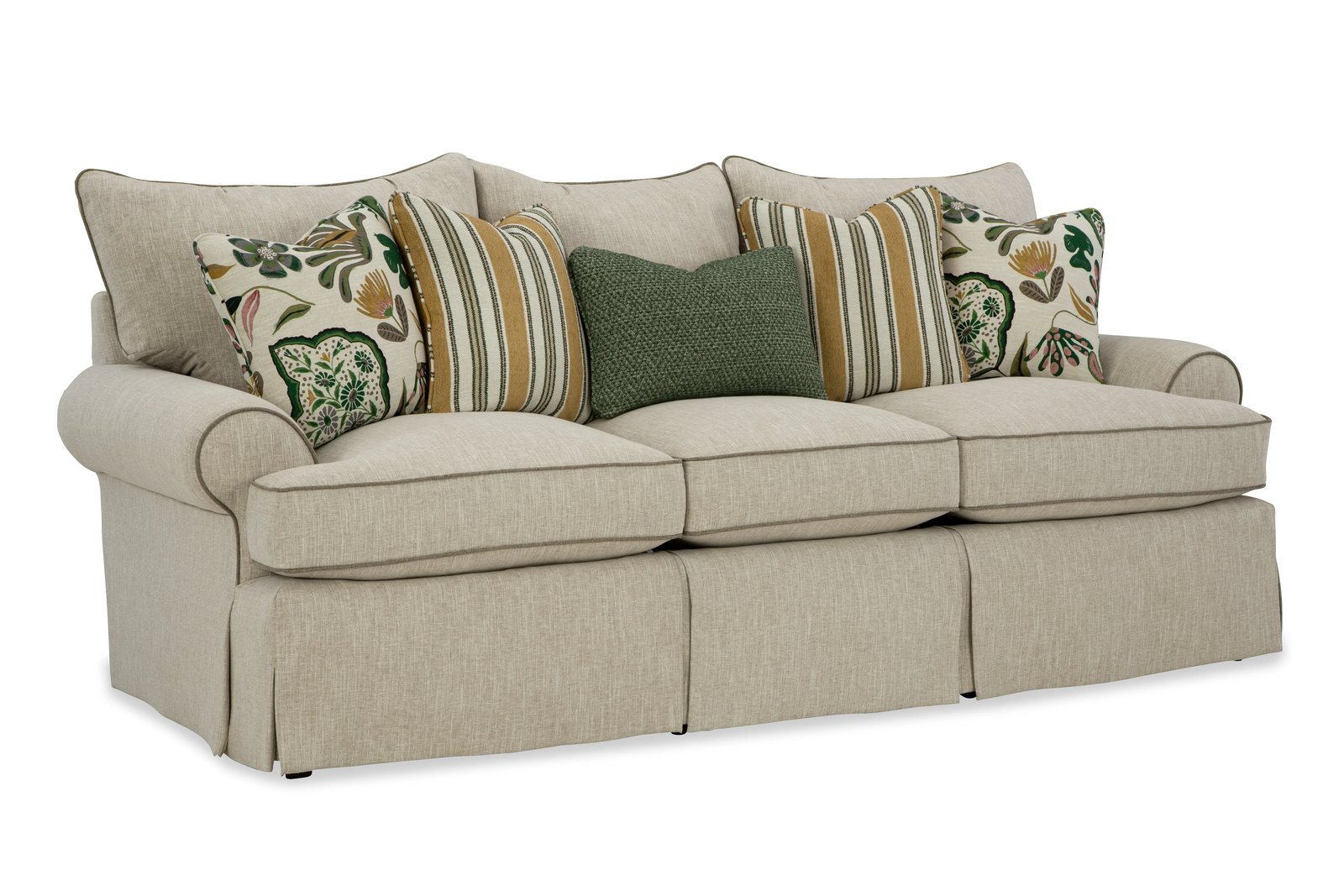
- Standard length: 84 inches is the most common size for a three-cushion design.
- Compact models: Small-scale sofas often measure between 72 and 78 inches in total length.
- Oversized designs: Deep-seated or rolled-arm sofas can easily reach 96 inches or more.
- Measuring point: Measure from the outside edge of one armrest to the outside edge of the other.
- Clearance check: Always leave at least 18 inches of walking space around the sofa for comfort.
- Doorway allowance: Ensure your hallway or door frame is at least 32 inches wide to move the frame through.
Why Sofa Sizes Vary
The total length of a couch is rarely determined by the cushions alone because the frame construction plays a major role. Manufacturers adjust the width of the armrests, which can be slim and track-style or wide and rolled, significantly changing the footprint of the furniture. A sofa with thick, rolled arms might be 90 inches long, while a modern piece with thin, vertical arms could fit the same three cushions into a 78-inch space.
Standardization in furniture manufacturing isn’t strictly regulated, meaning one brand’s “standard” three-seater often differs from another’s. Always check the exact model specifications provided by the manufacturer before you commit to a purchase. If you’re fitting a piece into a tight corner, these frame variations often mean the difference between a perfect fit and a piece that blocks your path.
When the Answer Changes
| Situation | What changes | What to do instead |
|---|---|---|
| Rolled arms | Adds 6-10 inches | Measure the widest point |
| Track arms | Saves 4-8 inches | Use tight-fit measurements |
| Sectional pieces | Adds corner depth | Measure each individual segment |
| Reclining mechanisms | Adds wall clearance | Allow 12 inches behind |
| Sleeper sofas | Adds interior hardware | Check total folded depth |
How to Measure Your Space
- Clear the entire area where the couch will sit to ensure you have a clean workspace for measuring.
- Use a steel tape measure to get the most accurate result, as cloth tapes often stretch and give false readings.
- Measure the total length from the outer edge of the left arm to the outer edge of the right arm.
- Record the depth of the sofa from the back of the frame to the front edge of the seat cushion.
- Check the height of the backrest to ensure it doesn’t block any windows or low-hanging light fixtures nearby.
- Mark the floor with painter’s tape to visualize exactly how much floor space the piece will occupy in your room.
- Verify the width of your narrowest doorway to ensure the couch can physically pass through during the delivery process.
Common Mistakes That Ruin the Fit
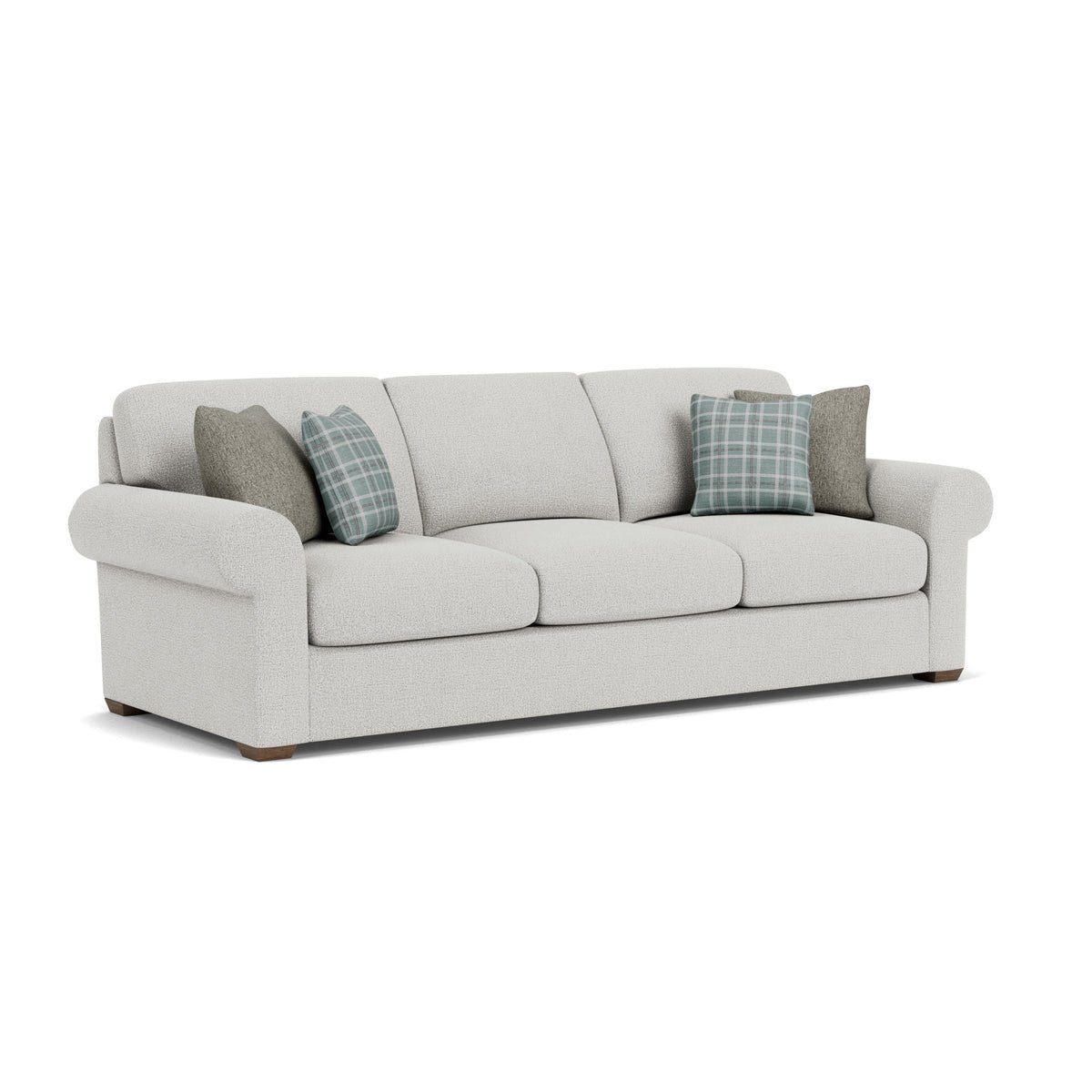
- Measuring only the cushions: People often forget that the armrests and frame add significant width, which leads to buying a piece that’s too large for the room.
- Ignoring the walk-around space: Failing to leave enough room to pass the sofa creates a cramped layout that makes the entire room feel smaller.
- Forgetting the door frame: Many buyers measure their living room but ignore the front door or hallway turns, which makes it impossible to move the piece inside.
- Misjudging the recliner swing: If you choose a reclining model, you must account for the extra space required when the footrest is fully extended.
Can I fit a 90-inch couch in a small apartment?
Yes, you can fit a 90-inch couch if your wall space allows for at least 100 inches of clearance. This provides room to breathe on both sides, ensuring the room doesn’t look overcrowded or cluttered by the furniture’s size.
Why do some three-cushion sofas feel smaller than others?
The length feels smaller when the armrests are thin or if the back cushions are low-profile. A sofa with a thin armrest design saves floor space, but the interior seat width remains the same as a larger, bulkier model.
How long should the cushions be on a standard sofa?
Each cushion is usually 24 to 28 inches wide on a standard 84-inch sofa. You can calculate this by taking the total length, subtracting the width of both armrests, and dividing the remaining space by three.
Is it safe to put a couch directly against a heater?
No, it isn’t safe to place furniture directly against a heating unit or radiator. Most manufacturers suggest leaving at least 12 inches of space to prevent fabric damage, discoloration, and potential fire hazards from restricted airflow.
What happens if I measure the couch wrong?
You’ll likely struggle to fit the piece through your front door or find that it blocks your walkways. Always measure the diagonal height of your door frame as well, as some sofas must be turned on their side to enter.
Does the seat depth affect how long the couch is?
No, the seat depth is a separate measurement that doesn’t change the total length of the couch. The length is strictly a measure of the sofa from the left armrest to the right armrest along the front.
How do I know if the couch will fit through my hallway?
You should measure the width of your narrowest hallway or corner turn before you buy. If the sofa length is 84 inches, you need at least that much clearance in a straight line or extra width to pivot the piece around corners.
Three cushion, in short
Before you head to the store, grab a piece of painter’s tape to mark the floor where your new piece will sit. It’s a simple trick that’ll help you visualize the footprint in your living room. You shouldn’t have any trouble finding the perfect fit once you’ve cleared the space.