
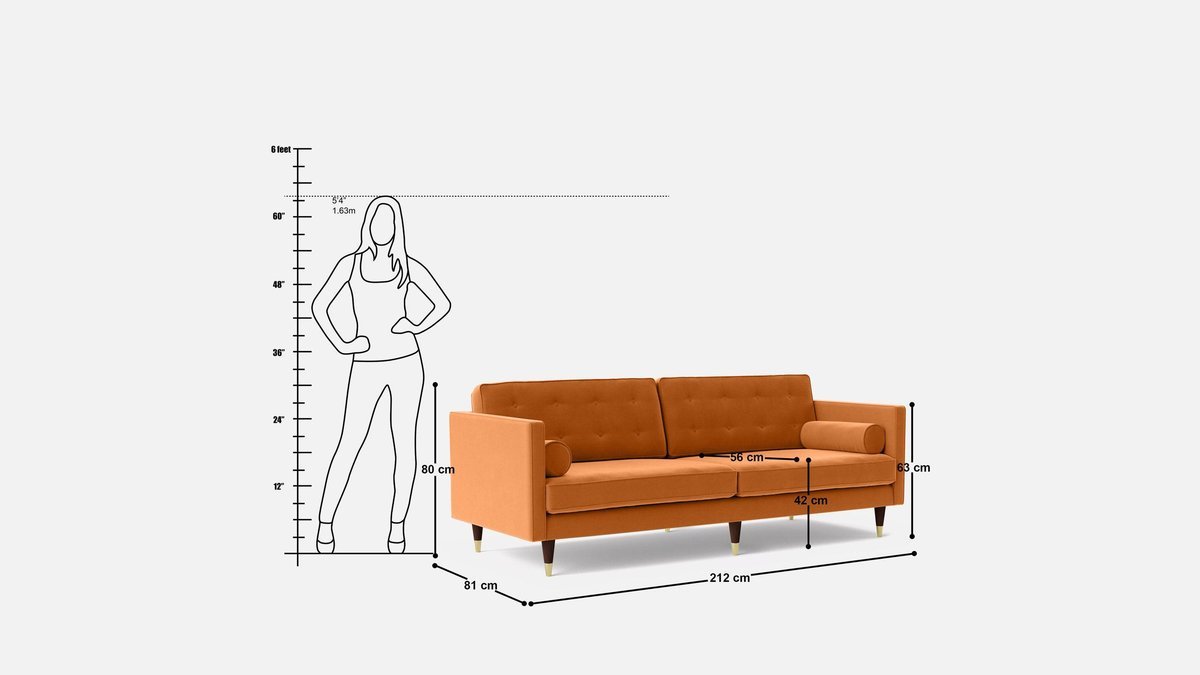
A standard 3 seater couch is generally between 78 and 90 inches long, though this varies by model — check the label or store listing for the exact dimensions. This measurement includes the outer edges of both arms, which is the total footprint the furniture will occupy in your room.
Typical length of a standard three seater couch
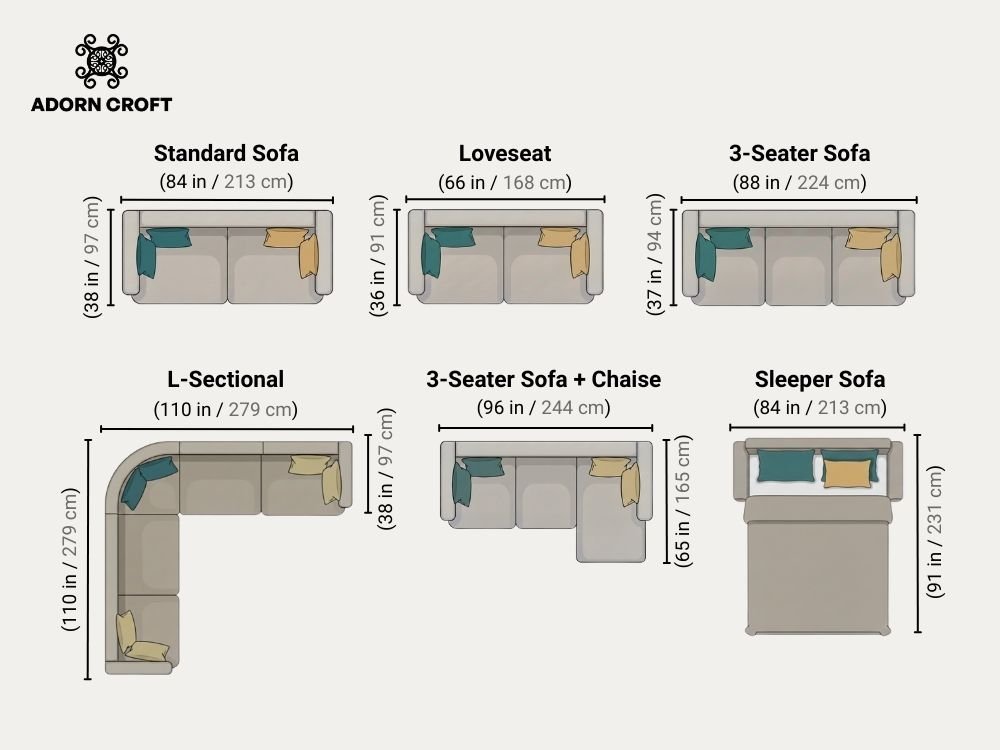
Choosing the right size is a trade-off between seating capacity and available floor space. If you have a small room, opt for a model with thin, track-style arms to save width; if you have a large living area, look for deep, rolled arms that offer more comfort but take up extra space.
| Couch Type | Typical Length Range | Best Use Case | Fix it yourself? |
|---|---|---|---|
| Compact 3-Seater | 72 to 80 inches | Small apartments | Yes |
| Standard 3-Seater | 81 to 90 inches | Average living rooms | Yes |
| Oversized 3-Seater | 91 to 105 inches | Large family rooms | Yes |
| Sectional Pieces | 30 to 40 inches | Modular room layouts | Yes |
| Custom Designs | Varies by maker | Specific room needs | No |
Measuring your space correctly
Measure the couch from the outside of the left arm to the outside of the right arm. This ensures the piece will fit into your designated spot without blocking walkways or doors. To confirm the fit, use painter’s tape on your floor to outline the couch’s footprint based on the ANSI/BIFMA furniture standards for interior layout planning. If you don’t have tape, a simple cardboard box cut to the size of the couch works just as well. Always subtract at least 18 inches from the total wall length to allow for side tables or floor lamps.
Checking for delivery clearance
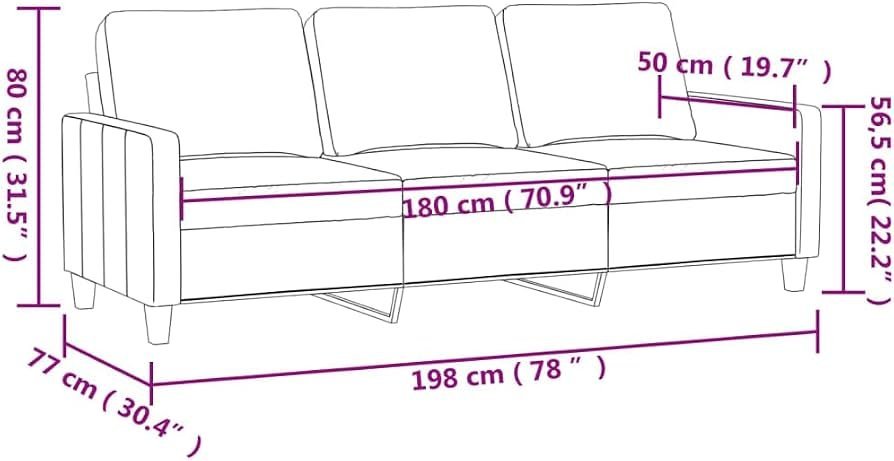
Ensure the couch fits through your home’s entry points. If your hallway is narrow, measure the width of the tightest turn or doorway. To perform this check, measure the diagonal width of your doorway and compare it to the depth and height of the couch. If the couch frame is fixed and larger than the opening, you might need professional movers to hoist it through a window, which is a job for experts.
Factors affecting couch length
Arm style significantly impacts the total length of a 3-seater. A couch with wide, rolled arms can add 6 to 10 inches to the total width compared to a couch with armless or thin-profile designs. If you’re tight on space, look for “track arm” or “no-arm” models, as these provide the same seating area while keeping the overall footprint smaller. Another factor is the back cushion design; high-back couches often look bulkier and require more visual space in a room.
Other considerations for furniture sizing
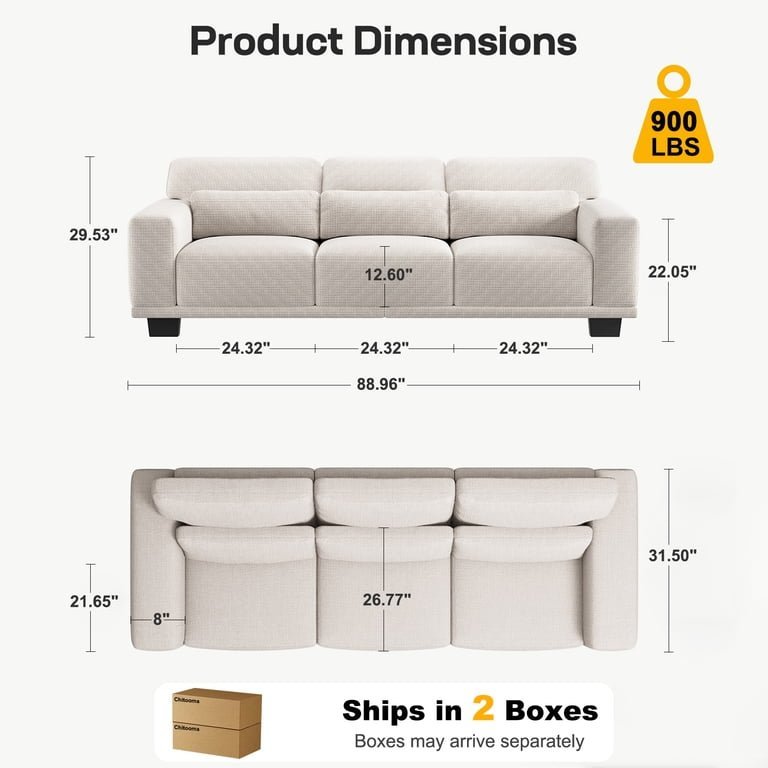
- Leg height: Taller legs make the room look larger, but ensure the couch length doesn’t overwhelm the rug underneath.
- Back height: Low-profile couches are better for open-concept rooms to keep sightlines clear.
- Depth: A deeper seat increases the total footprint, so measure the distance from the wall to the front of the cushion.
- Removable parts: If you choose a modular unit, you can adjust the length to fit your specific room configuration.
- Professional help: If you’re buying a custom piece that requires assembly, consult a specialist to avoid damaging the frame.
What a typical fix involves
Fixing a couch that doesn’t fit usually involves moving furniture or removing doors. If the couch is the wrong size entirely, the fix is a return or an exchange, which often requires a restocking fee or shipping costs. These costs depend on the retailer’s return policy and whether you have the original packaging. Always check the retailer’s official website or your receipt for the exact terms before attempting a return, as many companies won’t accept furniture that has been unboxed and used.
Can a 3 seater couch fit in a small apartment?
Yes, a compact 3-seater couch under 80 inches long can fit in most small apartments. Measure your wall length and ensure you leave at least 18 inches of clearance on each side for movement.
How do I know if a couch will fit through my door?
Measure the narrowest point of your doorway and compare it to the couch’s height and depth. If the couch’s depth is less than your door width, you can usually pivot it through the opening easily.
Does the seat length matter more than the frame length?
No, the frame length is more important because it determines whether the couch will physically fit in your room. The seat length only matters for how many people can sit comfortably at one time.
Is it safe to buy a couch without measuring the room?
No, it isn’t safe for your budget or your floor space to buy without measuring. Always measure the total length and depth of the intended area to avoid expensive returns or shipping issues.
How much space should I leave around a couch?
You should leave at least 18 inches of space between the couch and any coffee table or walkway. This ensures that people can walk past the furniture without bumping into the frame or cushions.
What happens if the couch is too long for my room?
If the couch is too long, it will block walkways or doors, making the room feel crowded and difficult to navigate. You’ll likely need to exchange it for a smaller model or a different style.
Does the arm style change the seating capacity?
No, the arm style doesn’t change how many people can sit on the cushions. It only changes the total length of the couch, which affects how much floor space the piece requires.
The best way to guarantee a perfect fit is to measure your space twice and verify the manufacturer’s dimensions before you finalize your purchase. Taking these steps prevents the common headache of buying a couch that’s too large for your home.