
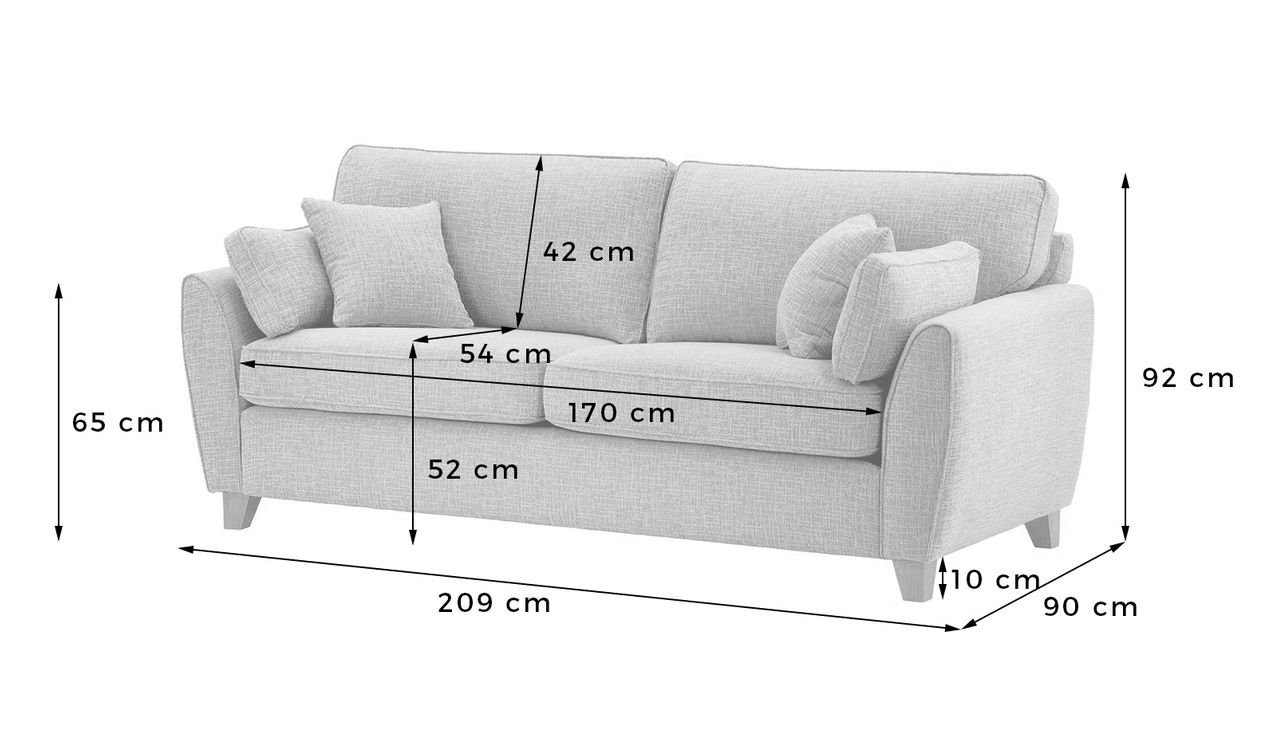
A standard three-seater sofa is usually between 78 and 90 inches long, though the exact length varies based on the design of the armrests and the depth of the frame. You should measure your space before buying.
Typical length of a three seater sofa
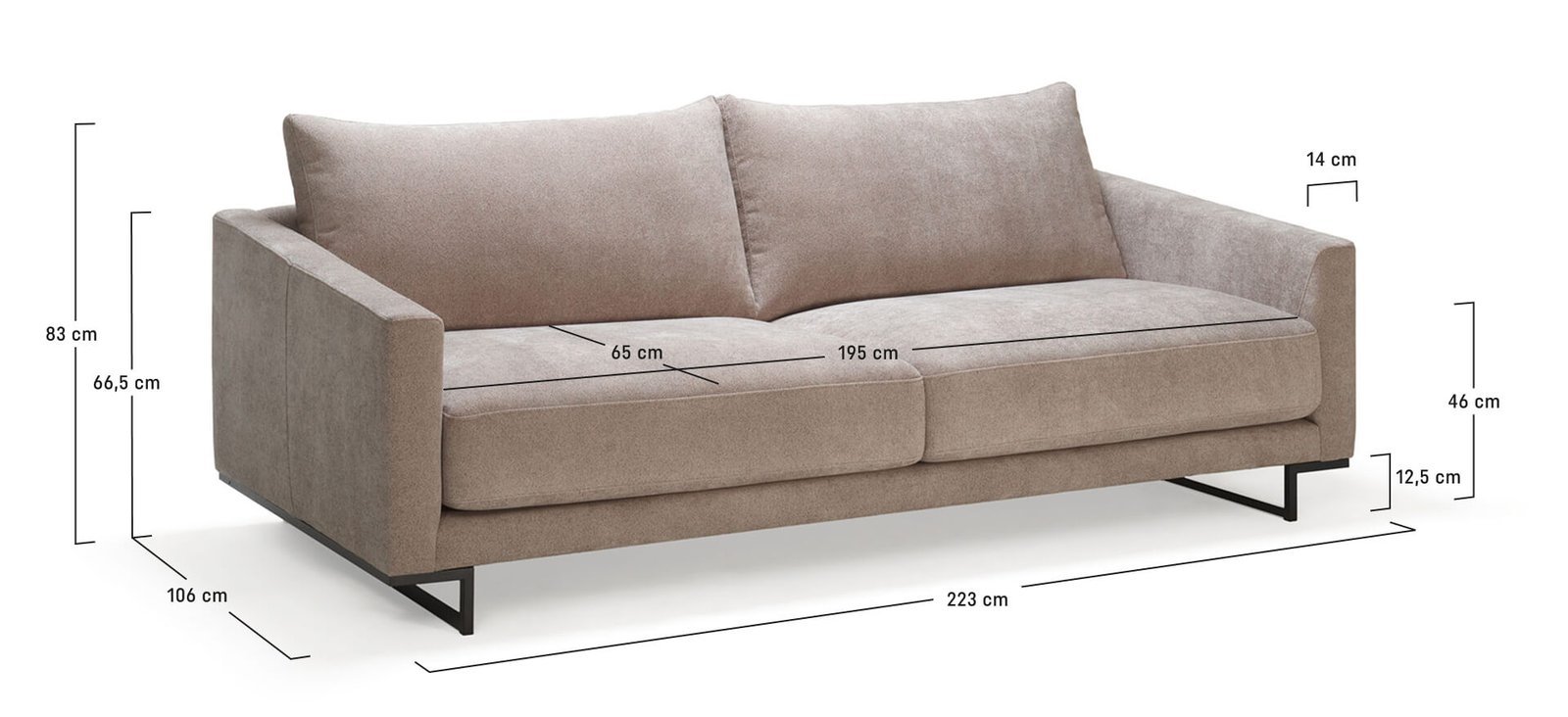
- Measure the full width from the outer edge of one armrest to the other.
- Allow at least 18 inches of clearance on each side for side tables or lamps.
- Check the diagonal measurement of your doorways to ensure the frame fits through your home.
- Standard depth ranges from 30 to 40 inches, which dictates how much floor space the piece consumes.
- If your room is under 12 feet wide, choose a low-profile model to keep the area from feeling cramped.
- Always use a metal tape measure for accuracy, as fabric tape can stretch and give you a false reading.
Why Dimensions Change by Design
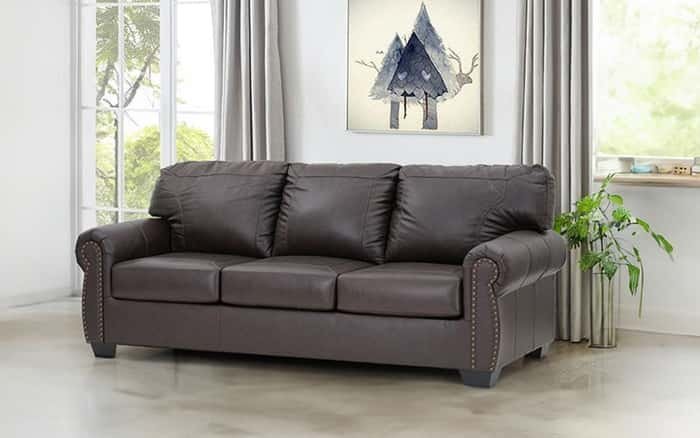
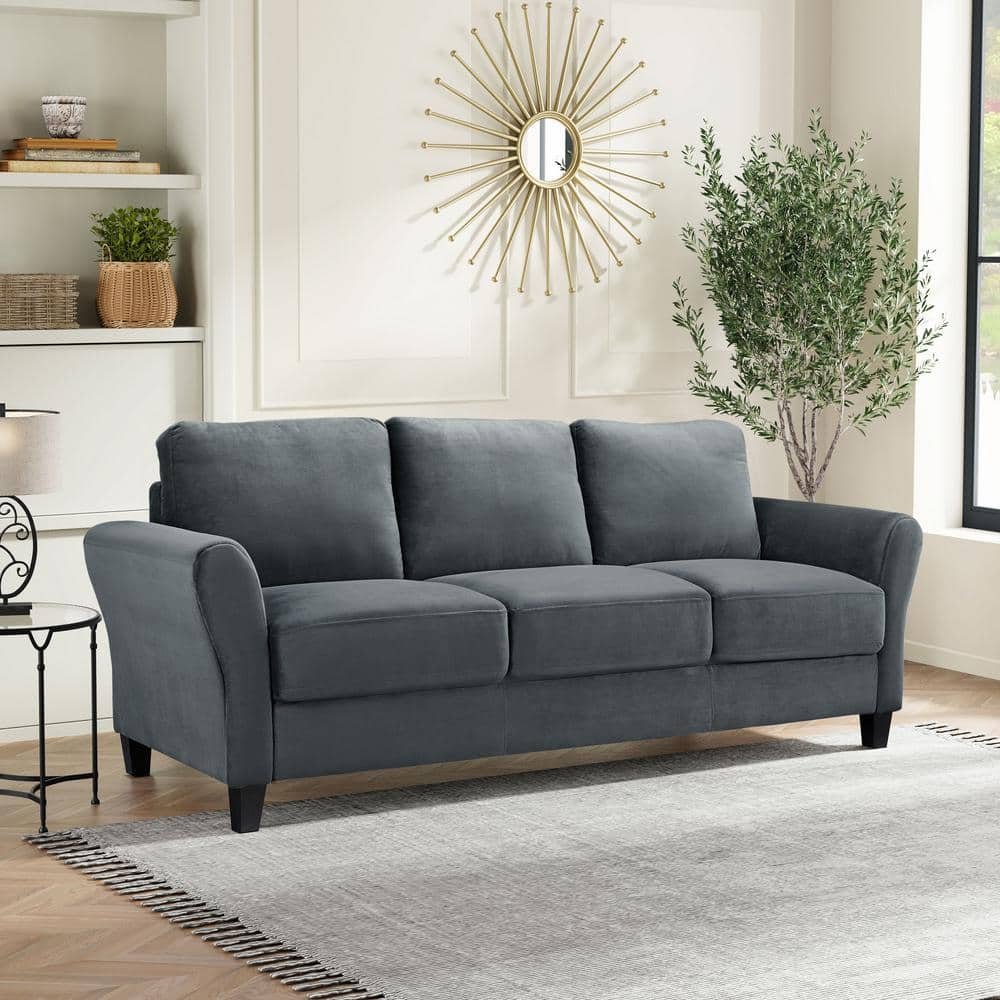
The length of a couch depends largely on the thickness of the armrests and the overall style of the furniture. Modern sofas with thin, track-style arms often fall on the shorter end of the spectrum, usually around 78 to 82 inches. Conversely, traditional sofas with rolled arms or deep, overstuffed cushions can easily reach 90 inches or more. These design choices aren’t just for looks; they change the internal seating area and the physical footprint of the piece.
You can verify the specific dimensions for any piece of furniture by checking the product specifications page provided by the manufacturer. Never rely on an estimate if you have a tight space, as even two extra inches can prevent a sofa from fitting against a wall or between two doorways. If you’re uncertain about the fit, use painter’s tape on your floor to outline the exact length before you commit to a purchase.
When Dimensions Are Different
| Situation | What changes | What to do instead |
|---|---|---|
| Sectional pieces | Total width | Measure each section separately |
| Reclining sofas | Wall clearance | Add 12 inches for extension |
| Track arms | Slimmer profile | Deduct 4 inches from total |
| Rolled arms | Wider footprint | Add 6 inches to width |
| Sleeper sofas | Internal mechanism | Check depth when fully open |
How to Measure Your Space Properly
- Clear the entire area where you want to place the couch to ensure you have a clean workspace for measuring.
- Run your tape measure along the wall where the back of the sofa will sit to determine the maximum width allowed.
- Measure the width of all hallways and doorways the sofa must pass through to get into your living room space.
- Subtract at least 6 inches from your maximum wall measurement to allow for curtains, baseboards, or room for your hands when positioning.
- Check the height of your windows; if the sofa is taller than the windowsill, it may block natural light or look awkward.
- Look for “total width” in the technical specifications, which includes the widest points of the arms and the back frame.
The Mistakes That Ruin It
- Measuring only the seat cushions instead of the full frame leads to a sofa that’s too wide for your wall.
- Forgetting to account for door handles or trim in hallways results in the furniture getting stuck during delivery.
- Ignoring the depth of the sofa means you might block a walkway or a high-traffic area in your home.
- Failing to check the diagonal height of the frame causes issues when you try to tilt the couch through a doorway.
How long is a three seater sofa typically?
Most three-seater models range from 78 to 90 inches in total length. You should check the manufacturer’s product page for the exact dimensions, as arm style and cushion design can add several inches to the total width of the frame.
Is it safe to buy a sofa without measuring my doors?
No, it isn’t safe to buy without measuring because you risk the item not fitting into your home. You must measure the narrowest point of every hallway and doorway to ensure the sofa can pass through without damaging walls or the frame.
Why does my sofa feel smaller than the listed length?
Your sofa feels smaller because the listed length includes the outer edges of the armrests, not just the seating area. If you want to know the actual space for sitting, subtract the width of both arms from the total length.
How much space should I leave around the sofa?
You should leave at least 18 inches of space on either side for side tables or floor lamps. This gap prevents the room from looking cluttered and provides enough room to move around the furniture comfortably during daily use.
Does the sofa depth matter for my room size?
Yes, the depth matters because a very deep sofa will consume more floor space and make a small room feel crowded. Most standard sofas are between 30 and 40 inches deep, so choose a shallower model if your room is limited.
What happens if I miscalculate the sofa length?
If you miscalculate, the sofa may stick out past a doorway or cover an electrical outlet on your wall. This often forces you to rearrange the entire room or, in the worst cases, requires you to return the item to the retailer.
Always verify the dimensions on the official product label before you finalize your order. If you have a specific space constraint, prioritize the total frame width over the seating capacity to ensure the piece fits perfectly in your home.
Three seater, in short
Before you head to the store, grab a roll of painter’s tape and mark the dimensions directly onto your floor. It’s a simple trick that’ll help you visualize how the piece fits into your daily flow. You won’t regret taking a moment to ensure everything feels just right in your home.