
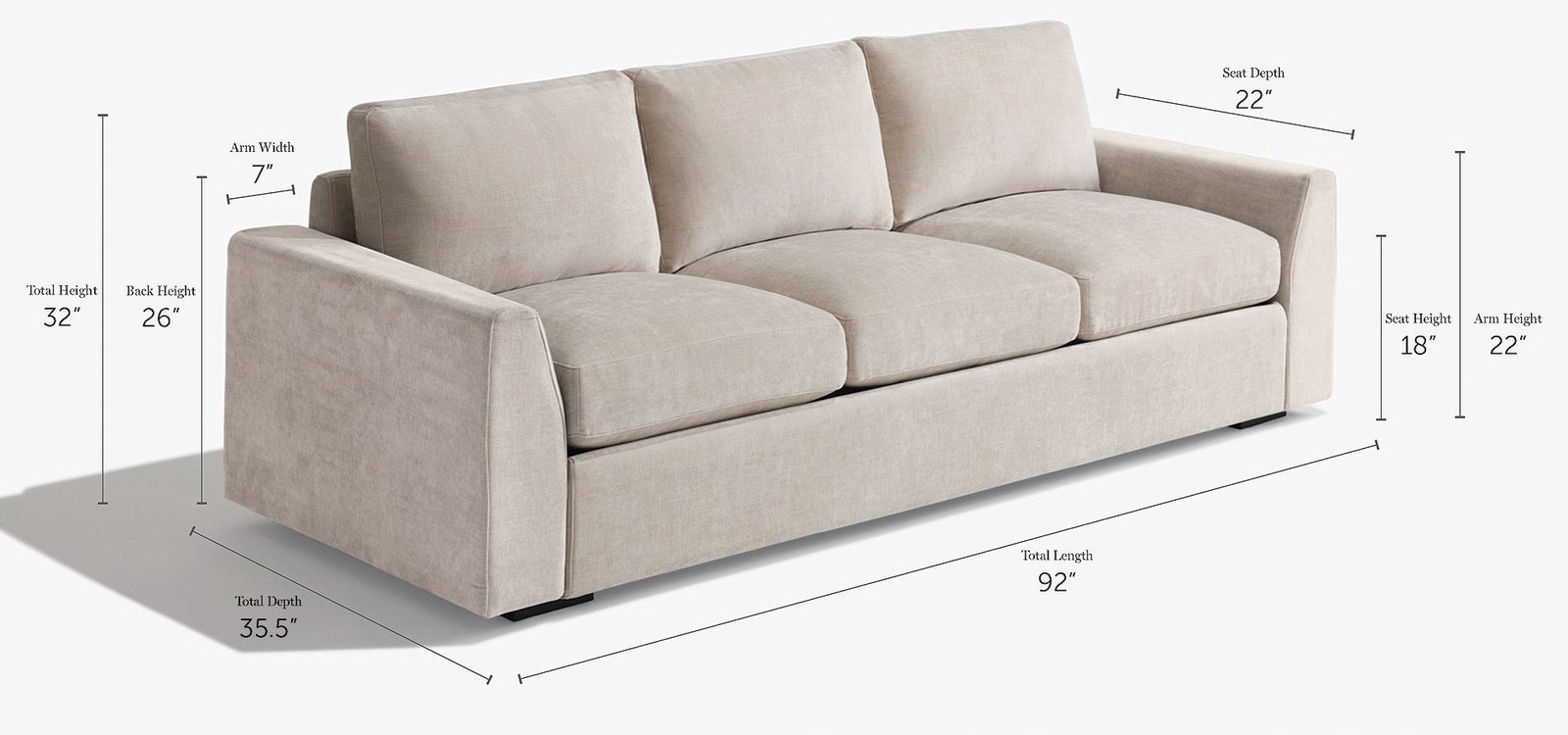
A standard three-cushion sofa usually measures between 80 and 96 inches in total length, though the exact length depends heavily on the width of the arms and the style of the frame.
How cushion count affects sofa length
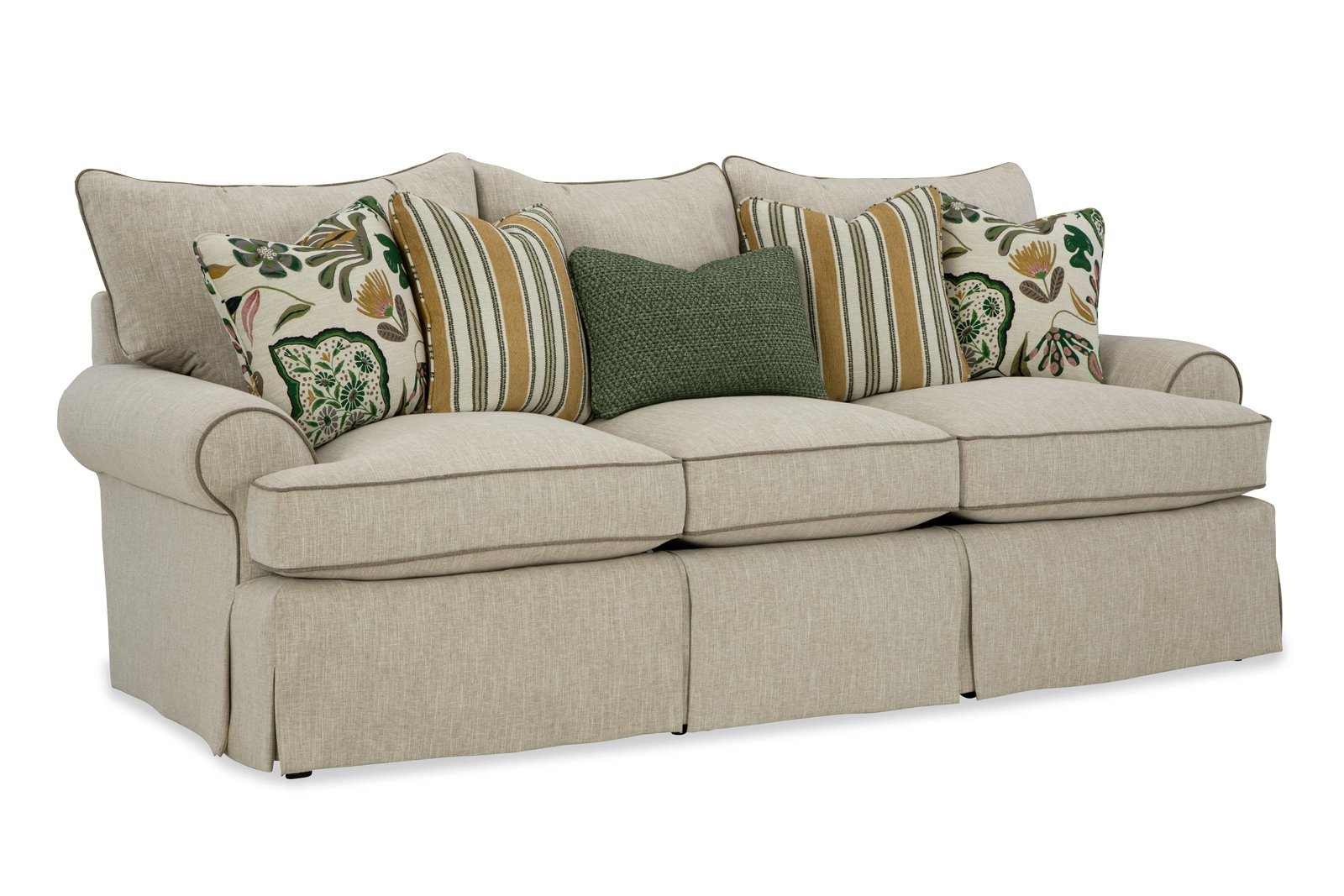
When choosing your length, measure your available floor space and subtract at least 18 inches for side tables. If you opt for an English Roll Arm, remember that the recessed arms maximize seating capacity despite the shorter total footprint.
The most common mistake is ignoring the depth of the frame. A Tuxedo sofa often feels larger than its length suggests because the high, square arms block visual flow. If your room is under 12 feet wide, choose a Mid-Century Modern piece. Its thin, tapered legs create negative space that tricks the eye into seeing more room.
If you’re tall, prioritize the Lawson style. Its padded, lower arms provide extra resting room without extending the total length beyond 90 inches. Always check that your total sofa length is at least 10 inches shorter than the wall it faces.
Why dimensions vary by model
The total length of your furniture is rarely just the sum of the three cushions. Most sofas include armrests that add anywhere from 4 to 12 inches to each side of the seating area. If you’re measuring for a tight space, you must account for these outer edges, as they often dictate whether the piece will fit through a doorframe or against a specific wall.
A common mistake is measuring only the cushions and ignoring the depth or the “clearance” required for reclining mechanisms. If you ignore the total footprint, you might find the sofa blocks a walkway or prevents a door from opening fully. Always check the product specifications from the manufacturer to confirm the exact exterior dimensions. If you have a small living room, a sofa with “track arms” is usually shorter than one with “rolled arms,” even if the seating space remains the same.
Signs your space is too small
- The sofa blocks more than 25 percent of a nearby doorway or hallway.
- You can’t fully open a floor-to-ceiling window or balcony door.
- The piece sits within 6 inches of a radiator or heating vent.
- The total length leaves less than 18 inches of clearance for walking.
- The sofa frame touches both side walls, preventing air flow behind it.
- You can’t place a standard side table next to the armrest.
What it takes to measure correctly
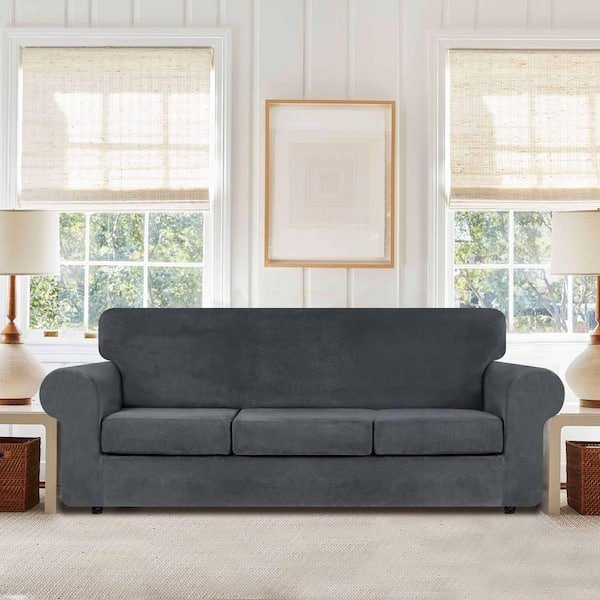
Measuring for a new sofa requires a tape measure and a roll of painter’s tape to mark the floor. You should spend about 10 minutes clearing the area and marking the boundaries where the new piece will sit. You need to measure the widest point of the frame, which is usually the armrests, not the back cushions. If you’re ordering online, look for the “overall width” or “total length” in the technical diagram. This is a one-time task that saves you the trouble of dealing with returns or heavy lifting if the item arrives and doesn’t fit your room.
How to maximize your floor space
- Choose track arms instead of rolled arms to save 6 to 10 inches of total length.
- Select a “tight back” design to reduce the total depth of the sofa.
- Use light-colored fabrics to make a large sofa appear less imposing in a small room.
- Place the sofa on legs rather than a solid base to create the illusion of more space.
How long is a 3 cushion sofa for a small apartment?
Most apartment-sized three-cushion sofas measure between 78 and 82 inches. This size is designed to fit through standard 30-inch doorways while still providing enough room for three people to sit without feeling crowded by the armrests.
Is it safe to measure the cushions only?
No, it isn’t safe to rely on cushion measurements because the frame and arms always extend further. Always use the “overall width” dimension provided by the manufacturer to ensure the piece fits your specific wall or walkway.
How much space should I leave around the sofa?
You should leave at least 18 inches of clearance in front of the sofa for legroom and movement. This distance allows for a coffee table while keeping the walkway clear for people moving through the room.
Why do some sofas feel longer than others?
Sofas feel longer when they have thick, overstuffed arms that add to the total width. A sofa with a 90-inch frame and thin arms will actually provide more seating surface than a 96-inch sofa with bulky, oversized rolled arms.
Does the seat depth change the total length?
No, the seat depth doesn’t change the total length, but it affects how much floor space the sofa occupies. A deeper sofa requires more clearance in front of the piece, which can make a room feel smaller even if the length is standard.
How do I measure a curved sofa?
You should measure a curved sofa by finding the widest point from one outside arm to the other. Use a string to follow the curve if you’re struggling with a rigid tape measure, then lay the string flat against a yardstick to get the total length.
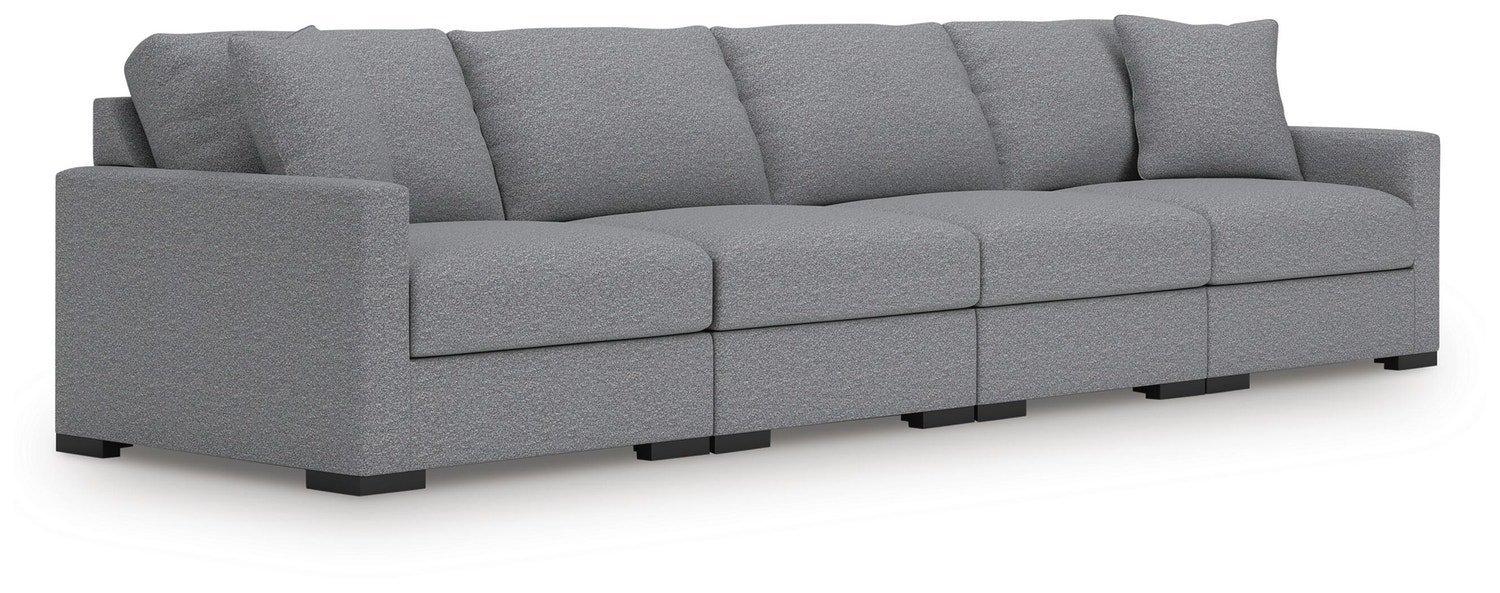
Take your tape measure and find the longest point of your intended wall space before you shop. If you see the sofa frame is within 2 inches of a doorway, stop and consider a modular model that arrives in smaller, easier-to-move pieces. Always confirm the return policy if you’re unsure about the fit.